Suspended detrital particles support a distinct microbial ecosystem in Palmer Canyon, Antarctica, a coastal biological hotspot
Elizabeth Connors, Katherine L. Gallagher, Avishek Dutta, Matthew Oliver, Jeff S. Bowman

TL;DR
A unique microbial ecosystem is supported by trapped particles in Palmer Canyon, Antarctica, revealing distinct species and metabolic processes.
Contribution
The study identifies specific microbial species and metabolic pathways in a particle layer retained by an eddy in Palmer Canyon.
Findings
Diatom Corethron and bacteria Sulfitobacter are abundant in samples with high living cells.
Mixotrophic dinoflagellate Prorocentrum texanum and prokaryotes Methanomassiliicoccales and Fluviicola taffensis are abundant in detritus-rich samples.
Metagenomic analysis shows anaerobic metabolism pathways like methanogenesis and sulfate reduction are enriched in the particle layer.
Abstract
The coastal region of the Western Antarctic Peninsula is considered a biological hotspot with high levels of phytoplankton productivity and krill biomass. Recent in situ observations and particle modeling studies of Palmer Canyon, a deep bathymetric feature in the region, demonstrated the presence of a recirculating eddy that traps particles, retaining a distinct particle layer over the summer season. We applied metagenomic sequencing and Imaging Flow Cytobot (IFCB) analysis to characterize the microbial community in the particle layer. We sampled across the upper water column (< 200 m) along a transect to identify the locations of increased particle density, categorizing particles into either living cells or cellular detritus via IFCB. An indicator species analysis of community composition demonstrated the diatom Corethron and the bacteria Sulfitobacter were significantly highly…
Genes, proteins, chemicals, diseases, species, mutations and cell lines named across the full text — each resolved to its canonical identifier and authoritative record.
Click any figure to enlarge with its caption.
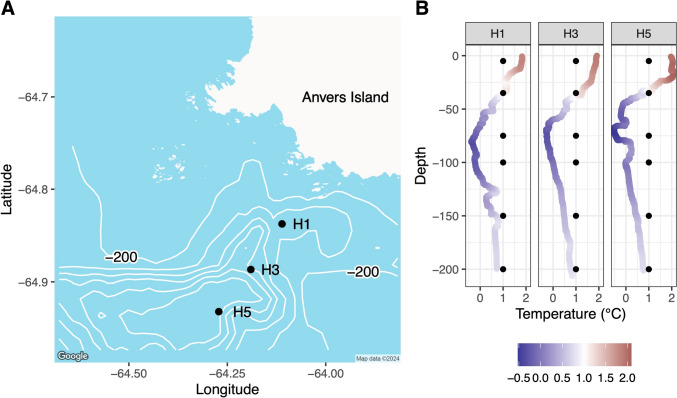 Figure 1
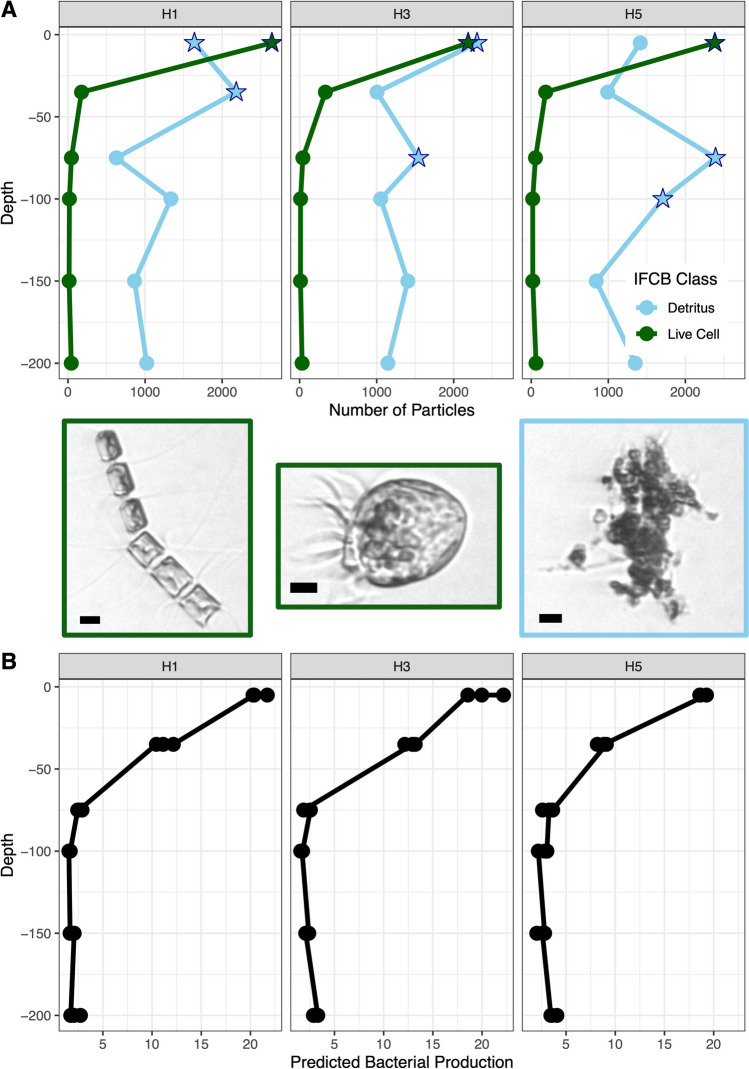 Figure 2
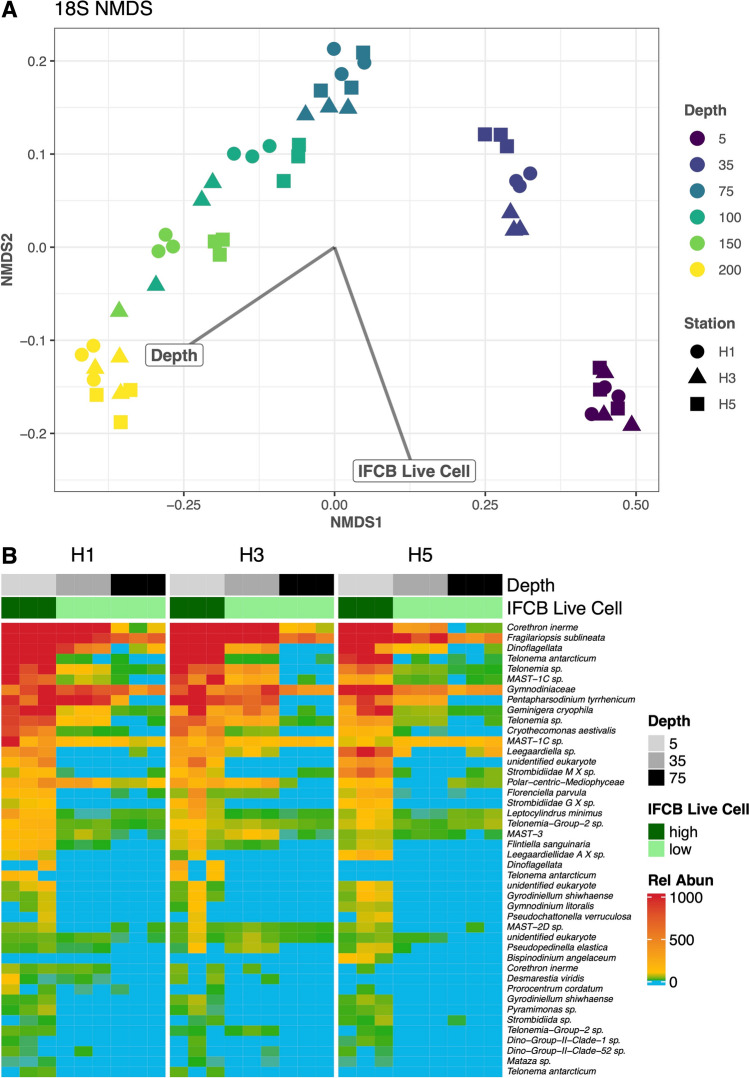 Figure 3
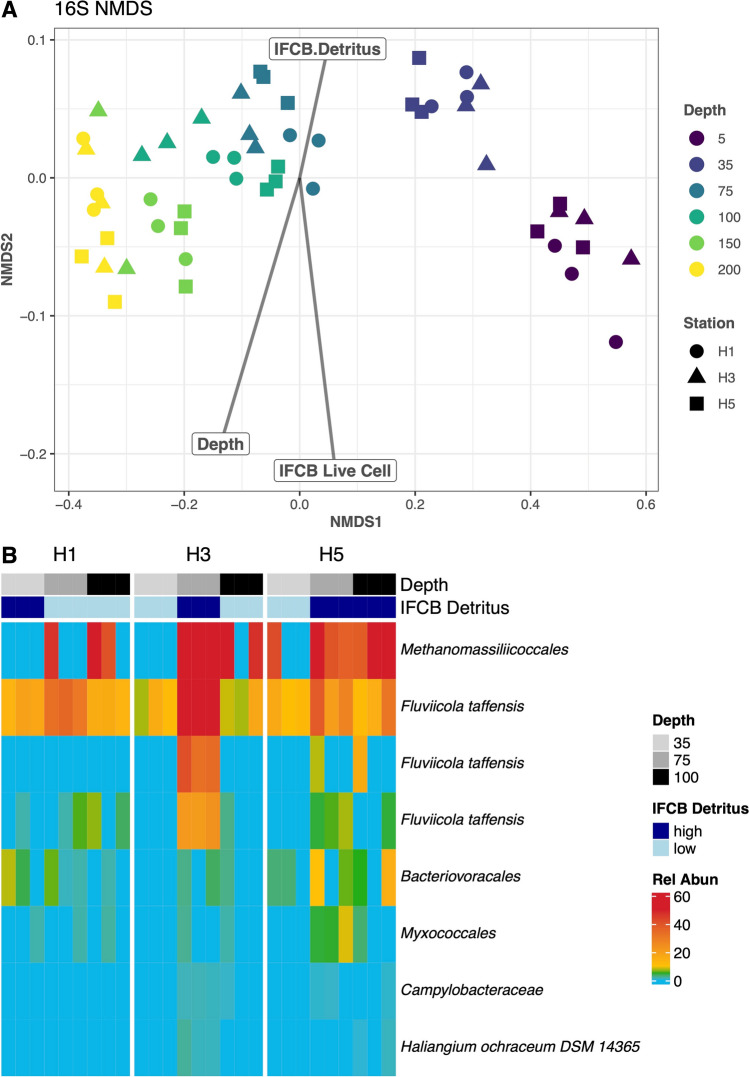 Figure 4
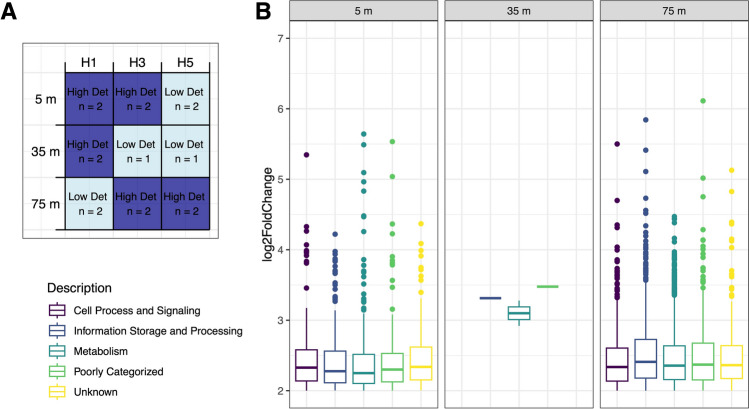 Figure 5
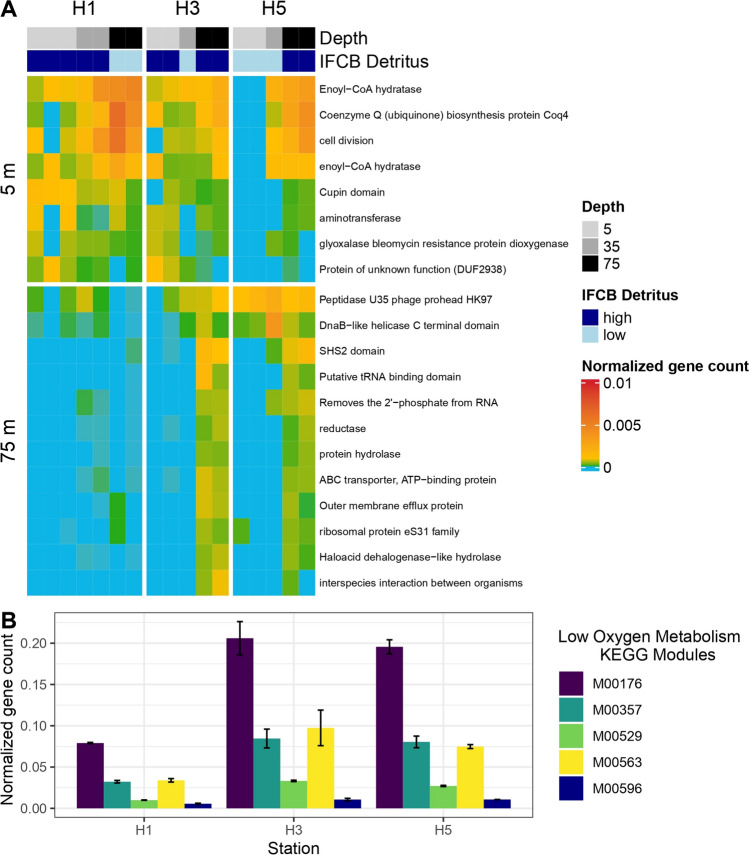 Figure 6
 Figure 7
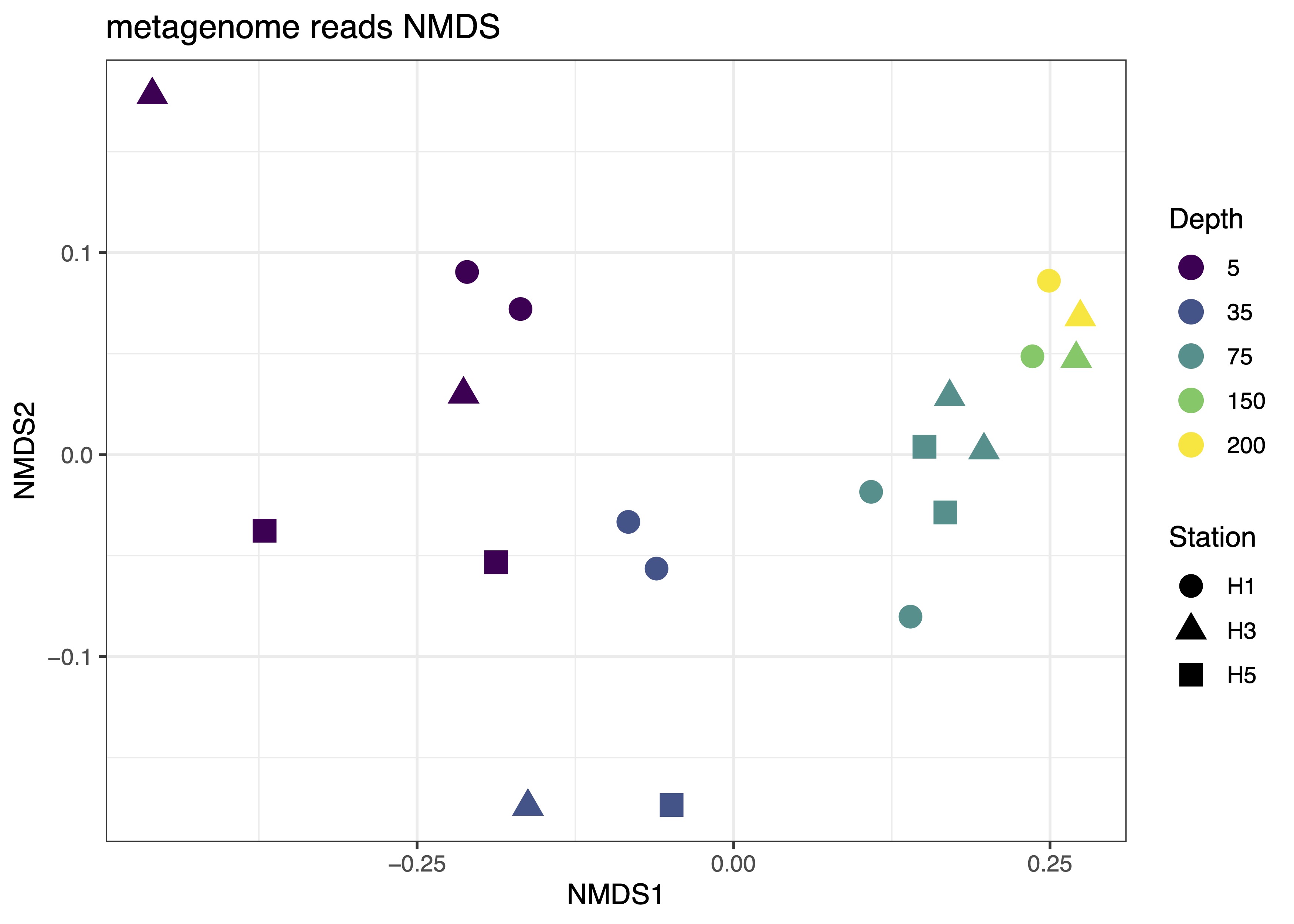 Figure 8
Peer Reviews
No public reviews on file for this paper yet. If you reviewed it on a platform where reviews are public (OpenReview, ICLR, NeurIPS, ICML), you can paste yours below so the community can read it here.
Videos
No videos yet. Explain this paper in a talk, walkthrough, or lecture? Add one.
Taxonomy
TopicsMicrobial Community Ecology and Physiology · Polar Research and Ecology · Protist diversity and phylogeny