Monitoring spatiotemporal changes in global change drivers and their effects on semiarid woodlands and forests - fieldwork protocol
Cristina Branquinho, Bernardo Rocha, Sami Ullah, Maria Alexandra Oliveira, Elena Vanguelova, Helena C. Serrano, Alice Nunes, Adriana Principe, Pedro Pinho, Silvana Munzi, Juliana Monteiro, Rocío Alonso, Mana Gharun, Rossella Guerrieri, Javeriya Hasan, Silvana Munzi

TL;DR
This paper describes a training school protocol for monitoring how global changes affect semiarid woodlands and forests, focusing on fieldwork techniques and sustainable management.
Contribution
The paper introduces a standardized fieldwork protocol for monitoring global change effects on semiarid woodlands and forests, suitable for replication in future studies.
Findings
Participants learned and applied methods to assess forest health, including tree physiology, mortality, and soil properties.
The field trip protocol included biodiversity assessments and the study of lichens as indicators of air quality.
Data collected during the fieldwork informed recommendations for sustainable forest management under global change.
Abstract
Training schools play a vital role in COST actions, particularly for young researchers, as they provide opportunities to visit international laboratories and learn new methodologies. In May 2024, CLEANFOREST organized its first training school, Monitoring Spatiotemporal Changes in Global Change Drivers and Their Effects on Semiarid Woodlands and Forests, held at the Faculty of Science of the Universidade de Lisboa. The training school included a field trip designed to explore global change drivers and their impacts on semiarid woodlands and forests. Participants engaged in hands-on activities to understand how forest ecosystems interact with key global change factors such as air quality and climate change. They were introduced to various monitoring techniques and parameters for assessing forest health, including ecosystem fluxes, tree physiology, mortality, and regeneration.…
Genes, proteins, chemicals, diseases, species, mutations and cell lines named across the full text — each resolved to its canonical identifier and authoritative record.
Click any figure to enlarge with its caption.
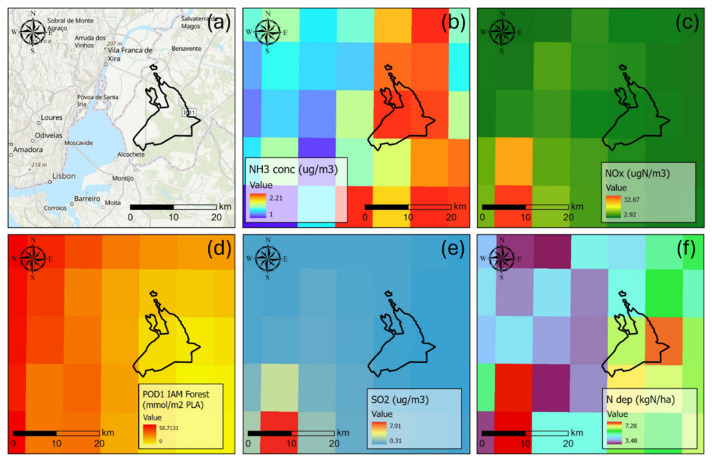 Figure 1
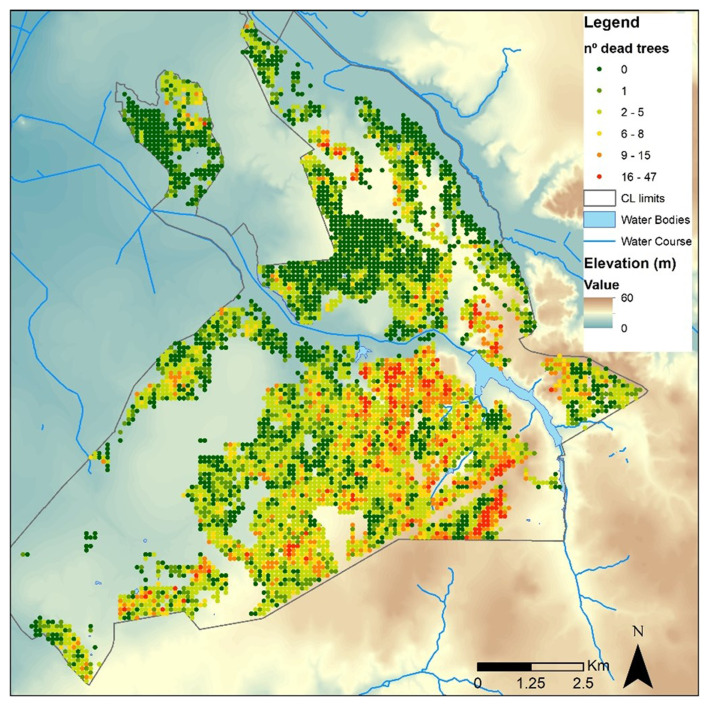 Figure 2
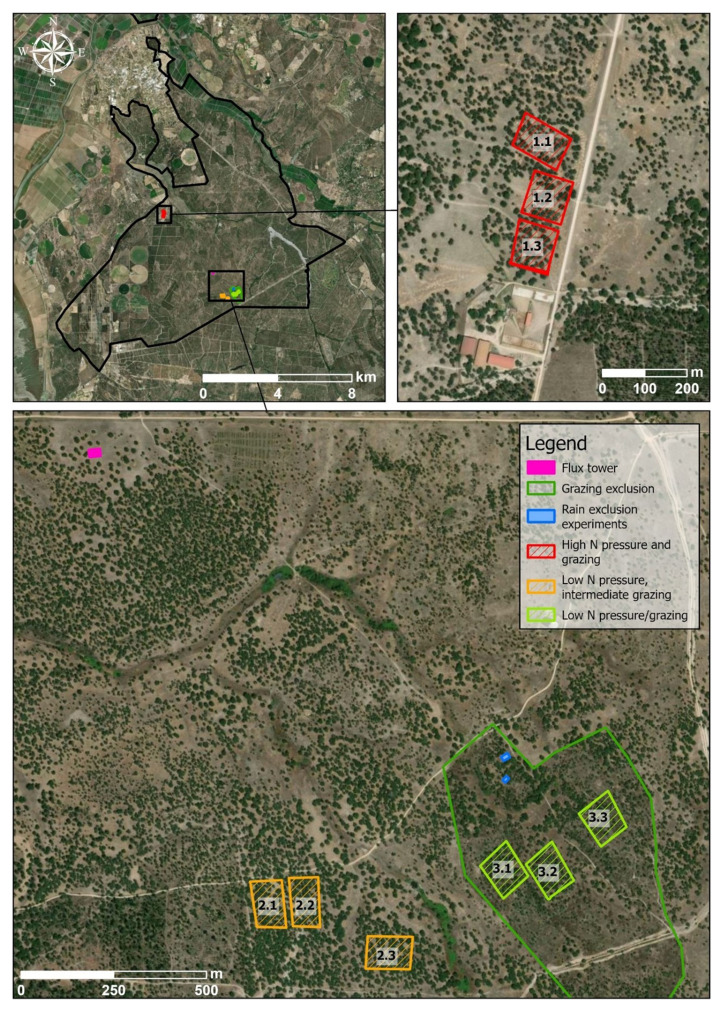 Figure 3
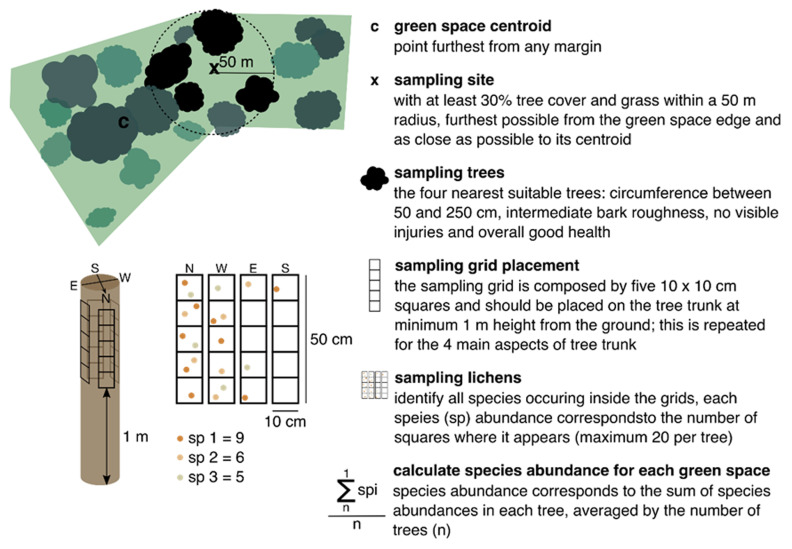 Figure 4
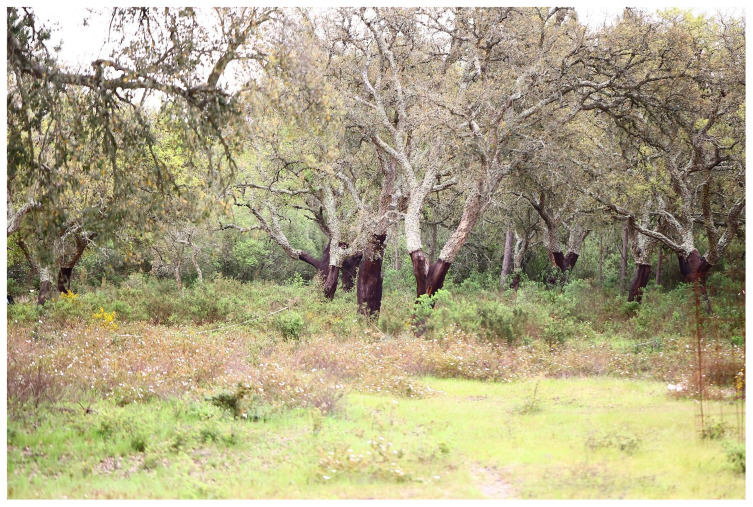 Figure 5
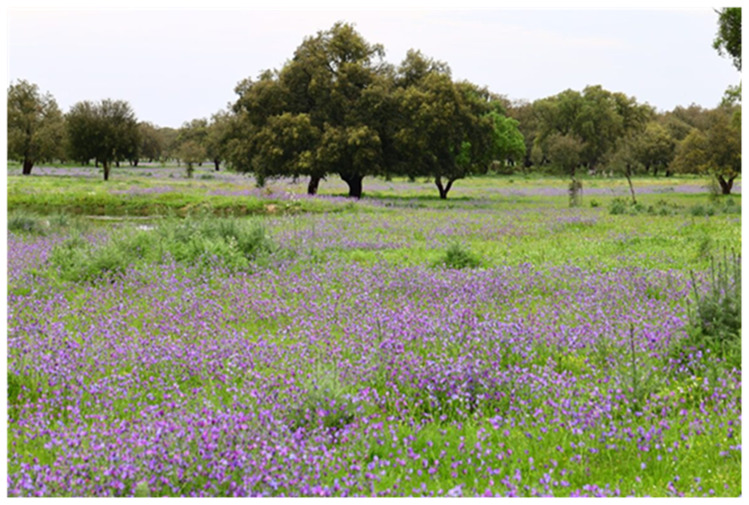 Figure 6
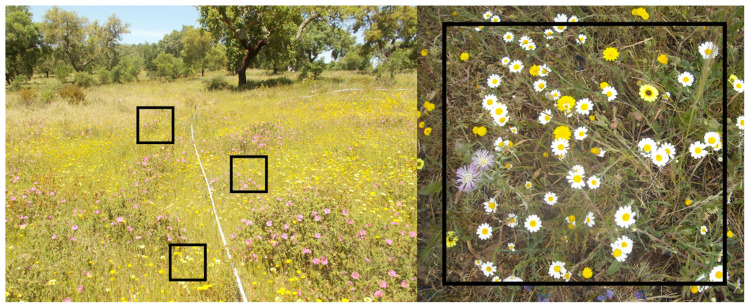 Figure 7
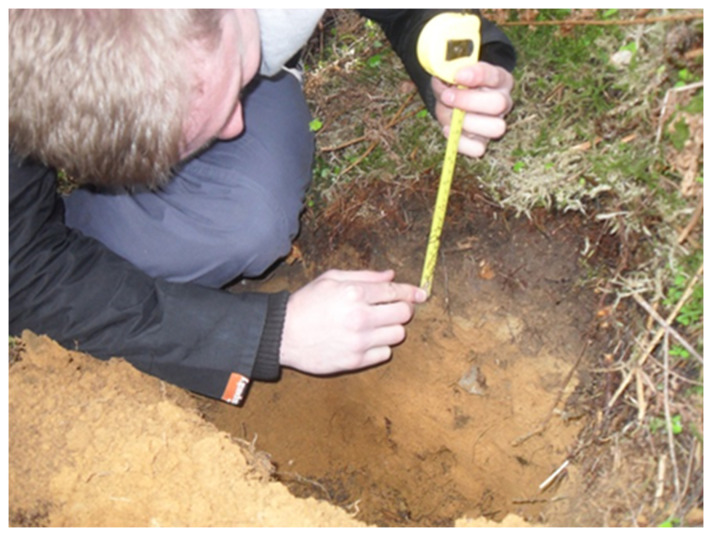 Figure 8
Peer Reviews
No public reviews on file for this paper yet. If you reviewed it on a platform where reviews are public (OpenReview, ICLR, NeurIPS, ICML), you can paste yours below so the community can read it here.
Videos
No videos yet. Explain this paper in a talk, walkthrough, or lecture? Add one.
Taxonomy
TopicsForest Management and Policy · Plant Ecology and Soil Science · Botany and Plant Ecology Studies