Reaction of NHOs with Bisphosphanes – Designing Diradicaloids, Zwitterions and Radicals
Karsten Paul Lüdtke, Edgar Zander, Florian Taube, Jan‐Erik Siewert, Björn Corzilius, Christian Hering‐Junghans, Jonas Bresien, Axel Schulz

TL;DR
Scientists created a new class of phosphorus-based heterocycles that can act as both zwitterions and diradicaloids, with properties that can be adjusted by molecular rotation.
Contribution
A new class of P-heterocycles with tunable diradical character and zwitterionic properties was synthesized and characterized.
Findings
The diradical character and charge separation can be controlled by rotating the imidazole ring.
Imidazolium-diphospha-indenylides represent a new class of zwitterionic diradicals.
A highly reactive monoradical anion was isolated and fully characterized.
Abstract
The linkage of an imidazole‐based N‐heterocyclic olefin (NHO), containing a terminal CH2 donor group, with a phosphorus‐centered diradical molecular fragment leads to an open‐shell singlet diphospha‐indenylide system, a new class of P‐heterocycles, which can be interpreted both as a phosphorus‐centered diradicaloid and as a zwitterion with a permanent, overall charge separation between the N‐ and P‐heterocyclic ring systems. The rotation of the imidazole ring, which is thermally possible due to a central C−C bond with a weakened π‐component, changes both the charge separation and diradical character depending on the dihedral angle, as quantum mechanical calculations indicate. By varying the bulkiness of substituents at the imidazole‐based NHO, it was possible to obtain different diphospha‐indenylide species with different rotation angles in the solid state and hence varying diradical…
Genes, proteins, chemicals, diseases, species, mutations and cell lines named across the full text — each resolved to its canonical identifier and authoritative record.
Click any figure to enlarge with its caption.
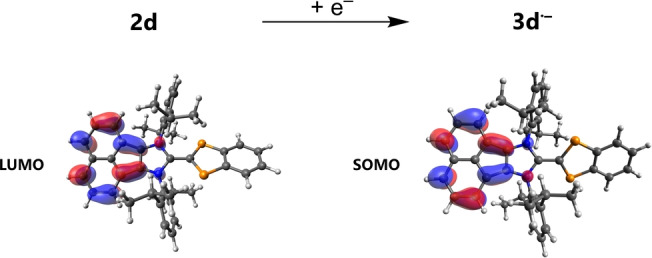 Figure 1
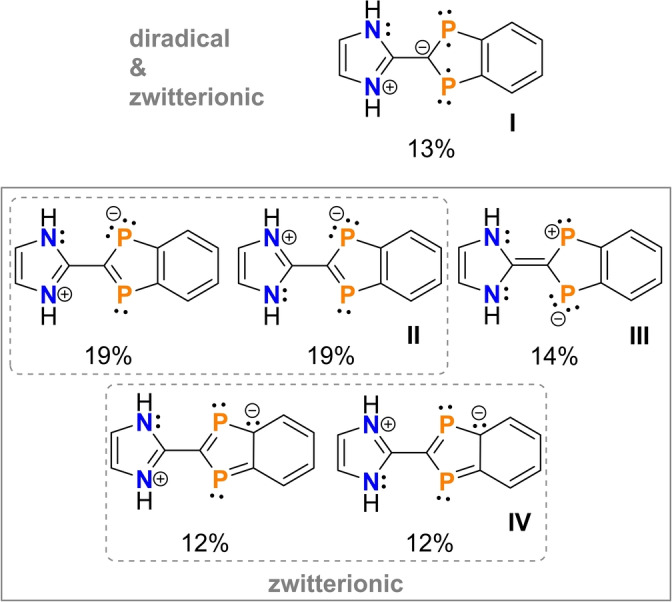 Figure 2
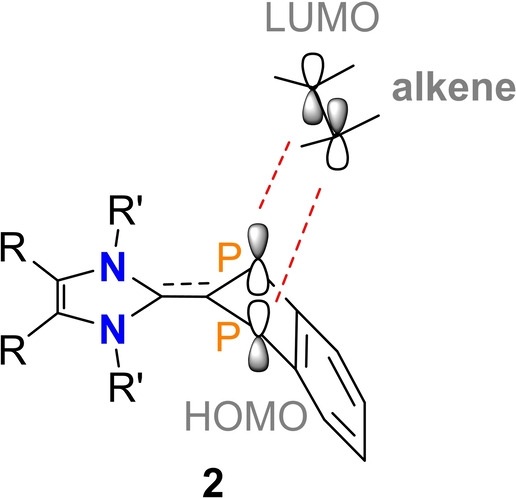 Figure 3
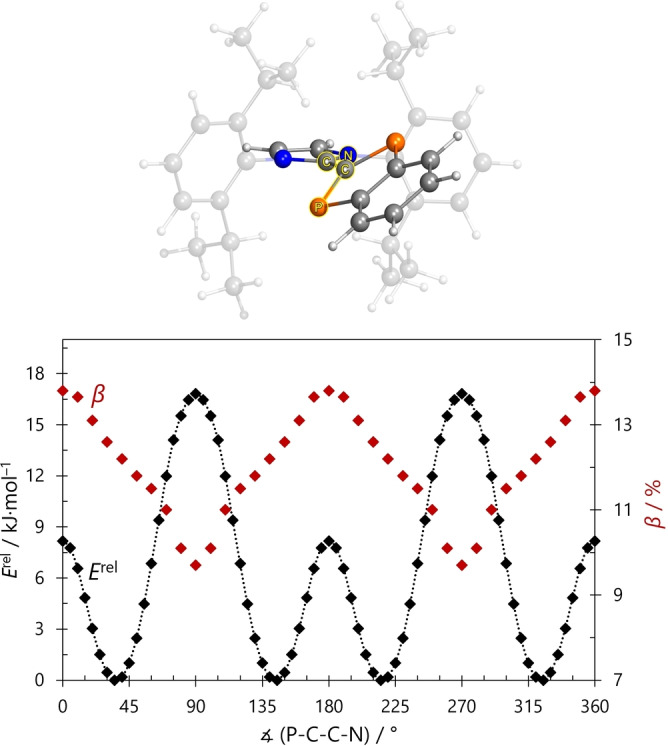 Figure 4
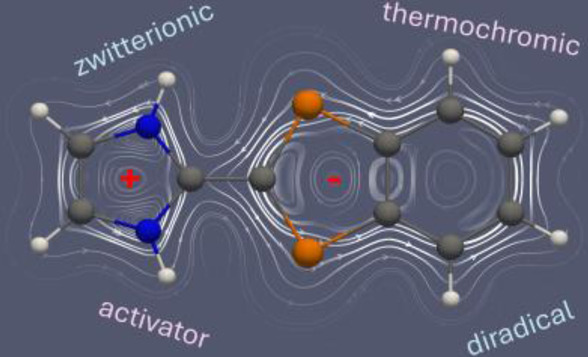 Figure 5
 Figure 6
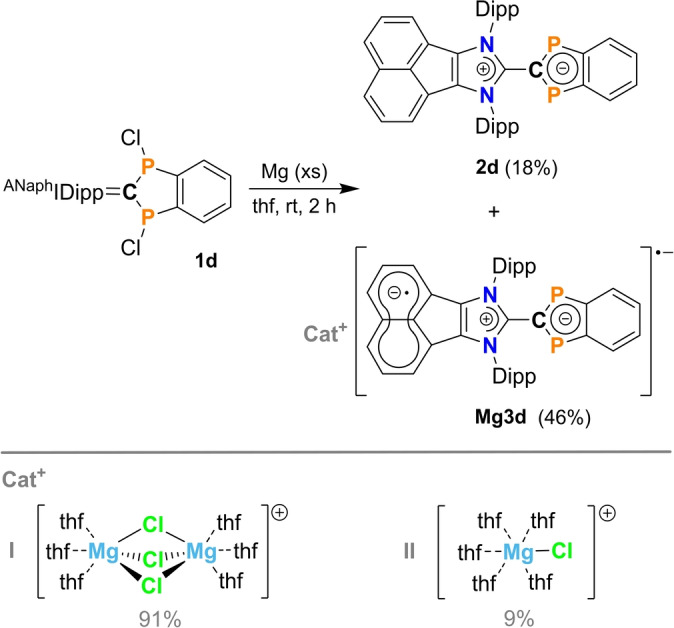 Figure 7
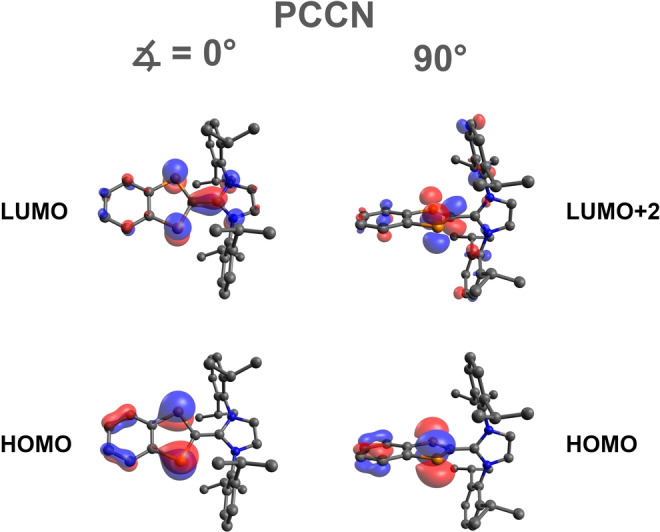 Figure 8
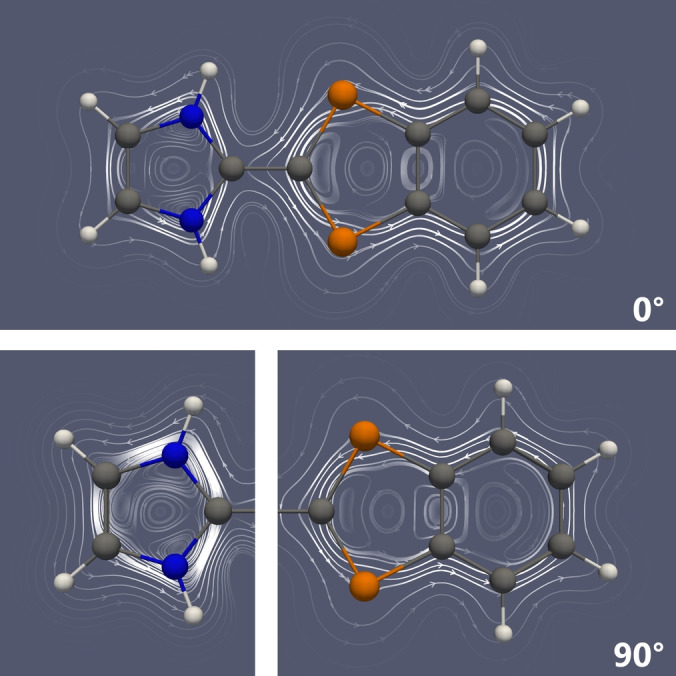 Figure 9
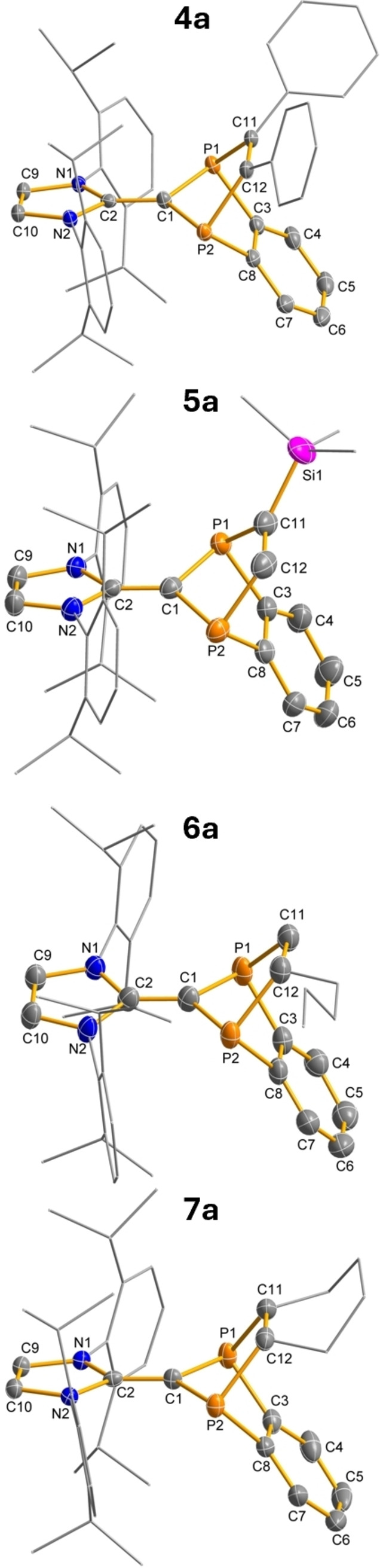 Figure 10
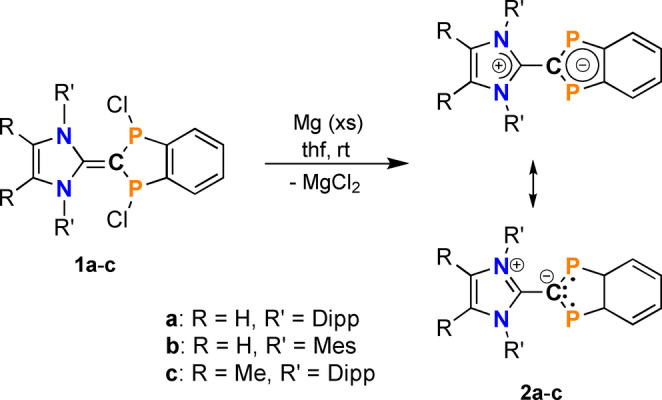 Figure 11
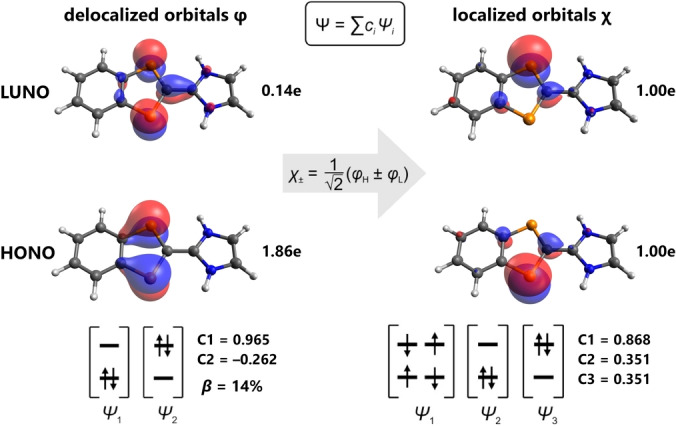 Figure 12
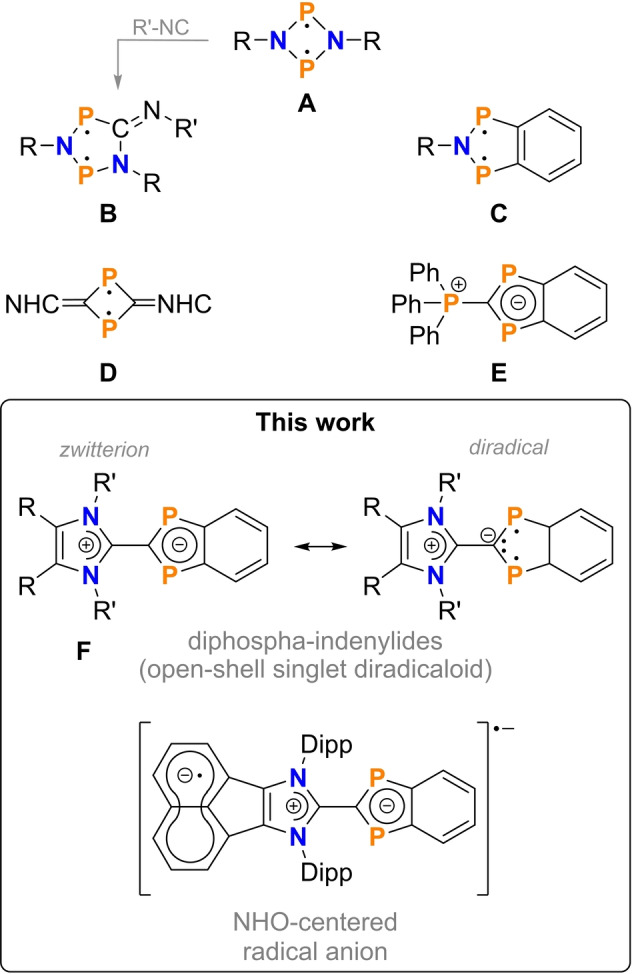 Figure 13
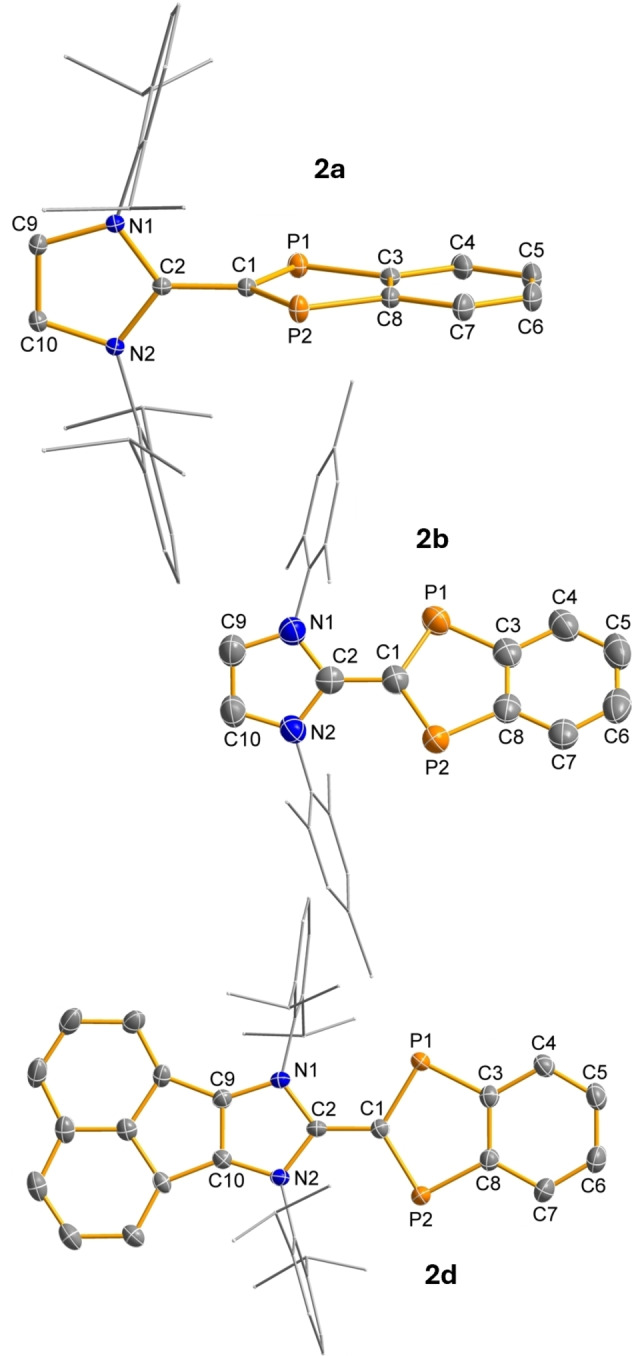 Figure 14
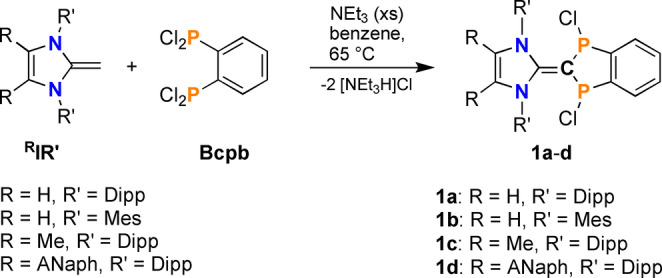 Figure 15
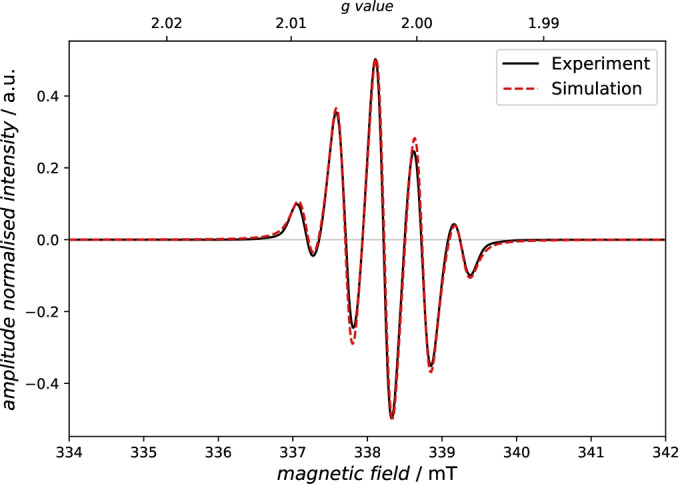 Figure 16
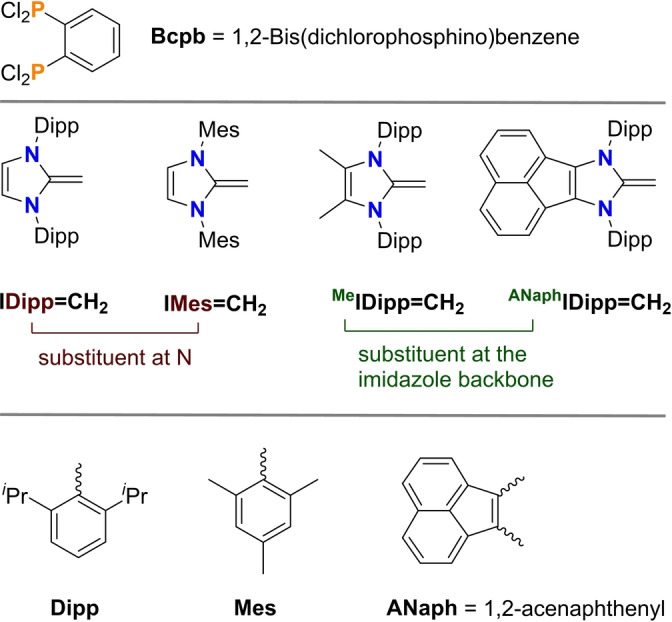 Figure 17
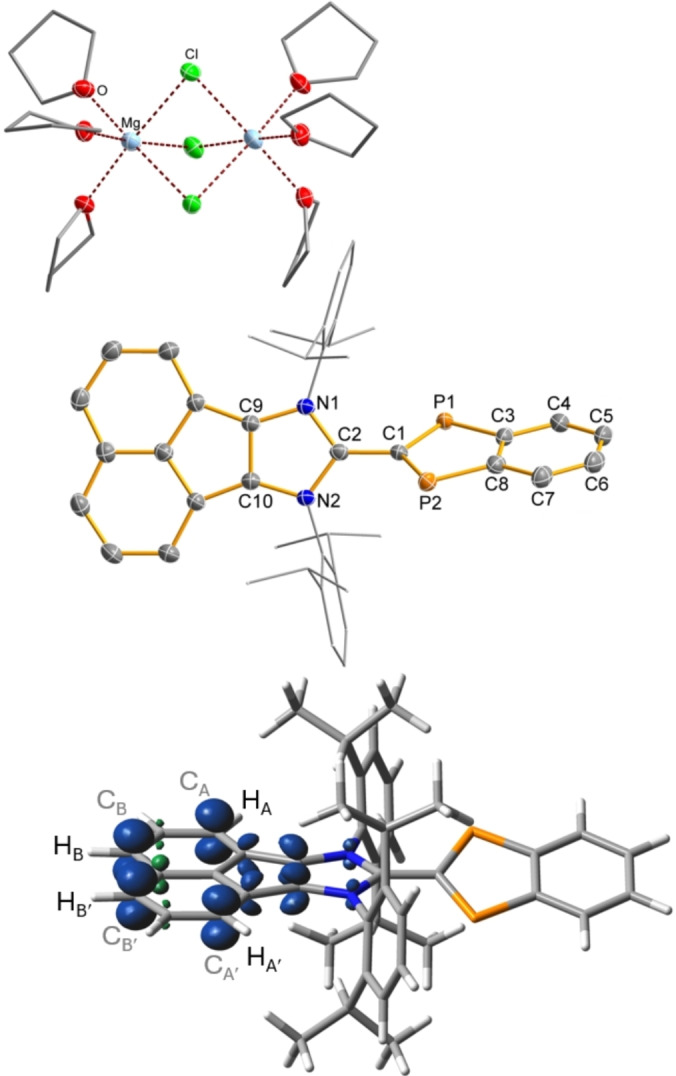 Figure 18
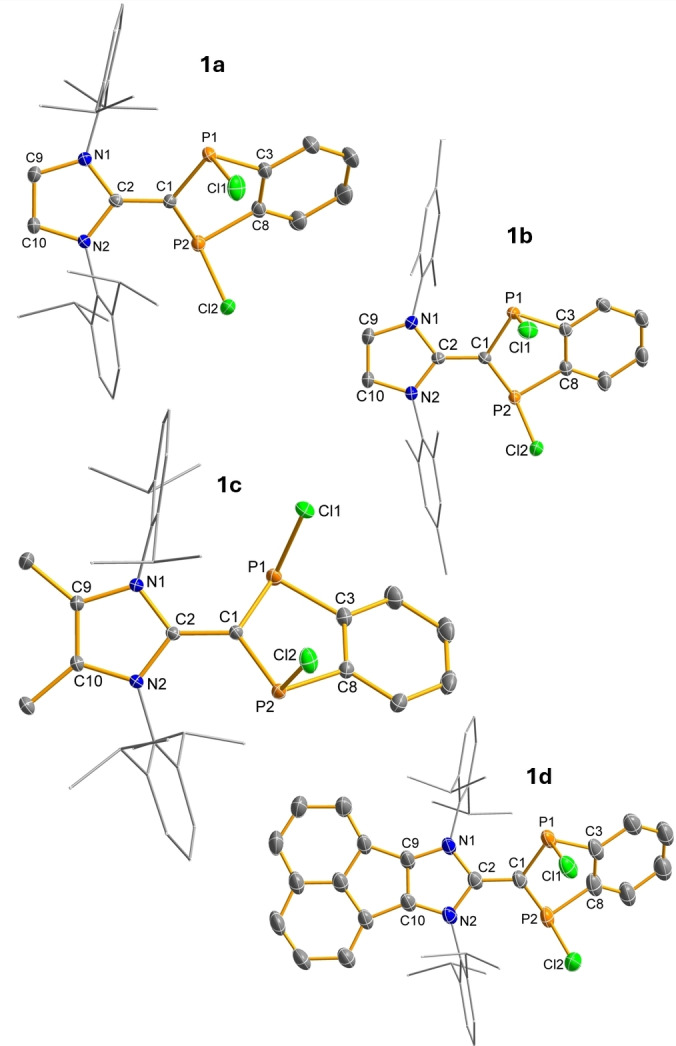 Figure 19
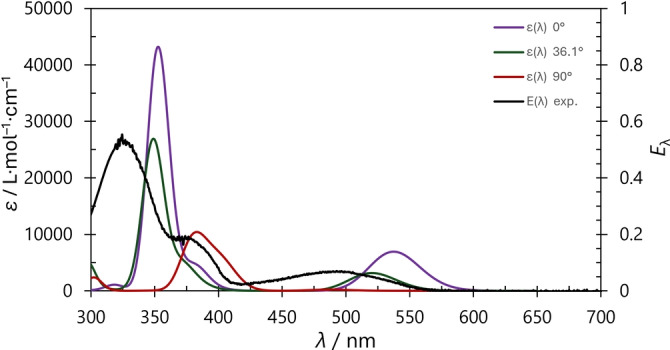 Figure 20
Peer Reviews
No public reviews on file for this paper yet. If you reviewed it on a platform where reviews are public (OpenReview, ICLR, NeurIPS, ICML), you can paste yours below so the community can read it here.
Videos
No videos yet. Explain this paper in a talk, walkthrough, or lecture? Add one.
Taxonomy
TopicsSynthesis and characterization of novel inorganic/organometallic compounds · N-Heterocyclic Carbenes in Organic and Inorganic Chemistry · Organoboron and organosilicon chemistry