Comparative transcriptome and mutation analyses of the pancreatic islets of a rat model of obese type 2 diabetes identifies a frequently distributed nonsense mutation in the lipocalin 2 gene
Norihide Yokoi, Naoki Adachi, Tomoki Hirokoji, Kenta Nakano, Minako Yoshihara, Saki Shigenaka, Ryuya Urakawa, Yukio Taniguchi, Yusaku Yoshida, Shigeo Yokose, Mikita Suyama, Tadashi Okamura

TL;DR
This study finds a common mutation in the Lcn2 gene in rat models of type 2 diabetes, but it is not directly linked to the disease's onset.
Contribution
A frequently occurring nonsense mutation in the Lcn2 gene is identified in rat models, but its lack of association with T2D is newly confirmed.
Findings
A nonsense mutation in the Lcn2 gene is widely distributed in multiple rat strains.
The Lcn2 mutation is not significantly associated with the onset of T2D in the ZFDM rat model.
Common rat strains like DA and F344 can serve as Lcn2-deficient models for further research.
Abstract
Type 2 diabetes (T2D) is a multifactorial disease caused by insulin resistance and impaired insulin secretion from pancreatic β-cells, but the precise mechanisms remain to be elucidated. To identify primary genetic factors of T2D in a rat model, we performed comparative transcriptome and mutation analyses of the pancreatic islets between the obese Zucker fatty rat and the Zucker fatty rat-derived T2D model Zucker fatty diabetes mellitus (ZFDM) rat. Among differentially expressed genes irrespective of obesity and glucose intolerance states, we identified a nonsense mutation, c.409C > T (p.Gln137X), in the lipocalin 2 (Lcn2) gene which encodes a secreted protein called neutrophil gelatinase-associated lipocalin, a well-known biomarker for inflammation. We examined the relevance of the Lcn2 mutation with T2D in the ZFDM rat by using genome editing and genetic linkage analysis and confirmed…
Genes, proteins, chemicals, diseases, species, mutations and cell lines named across the full text — each resolved to its canonical identifier and authoritative record.
Click any figure to enlarge with its caption.
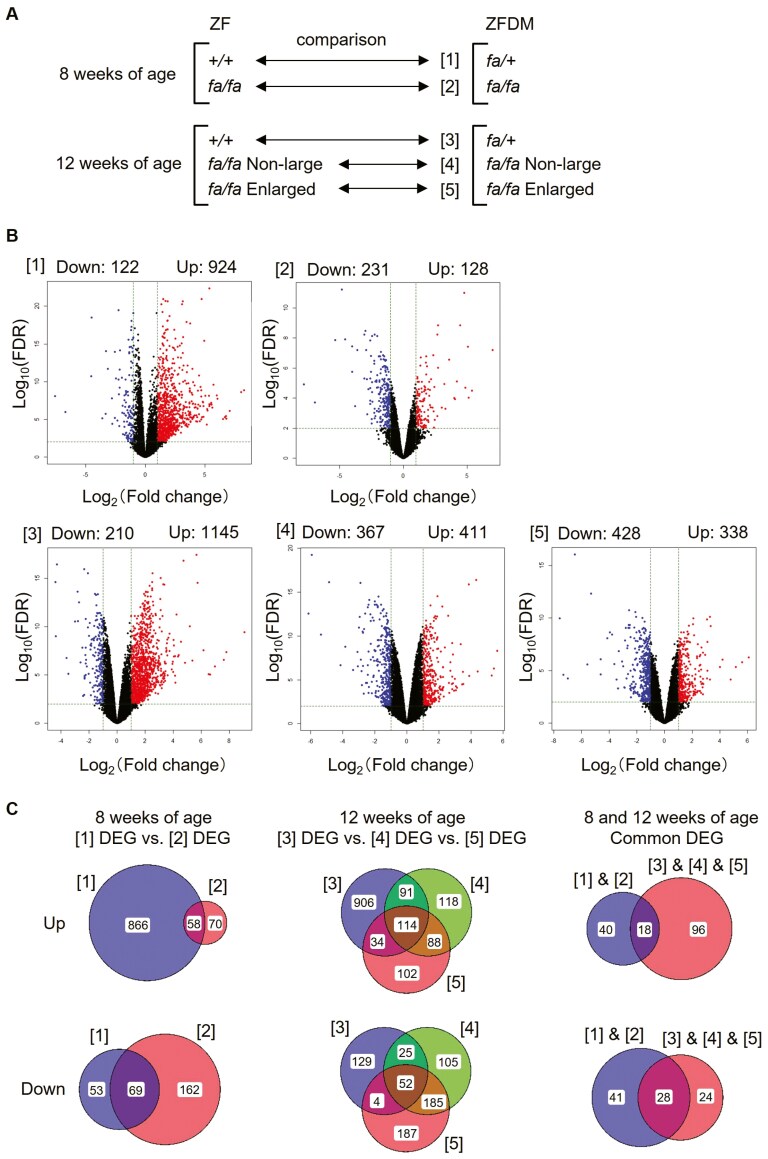 Figure 1
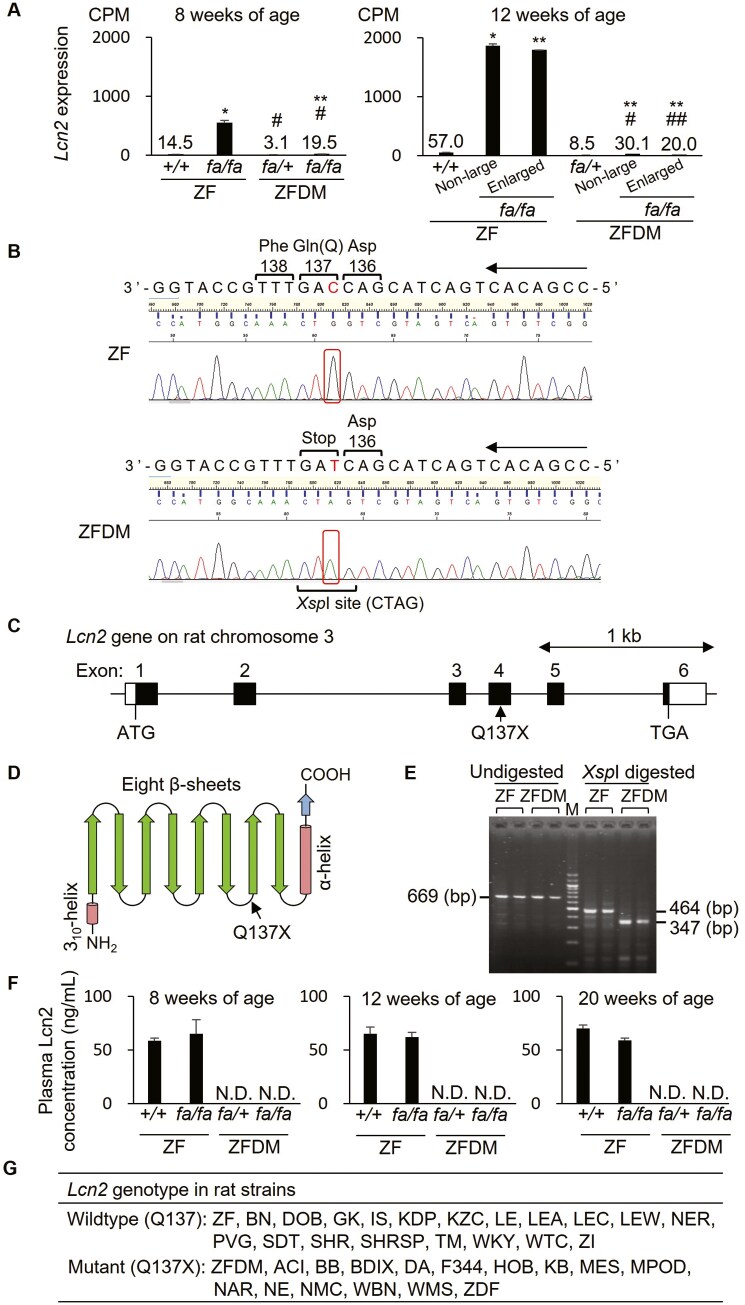 Figure 2
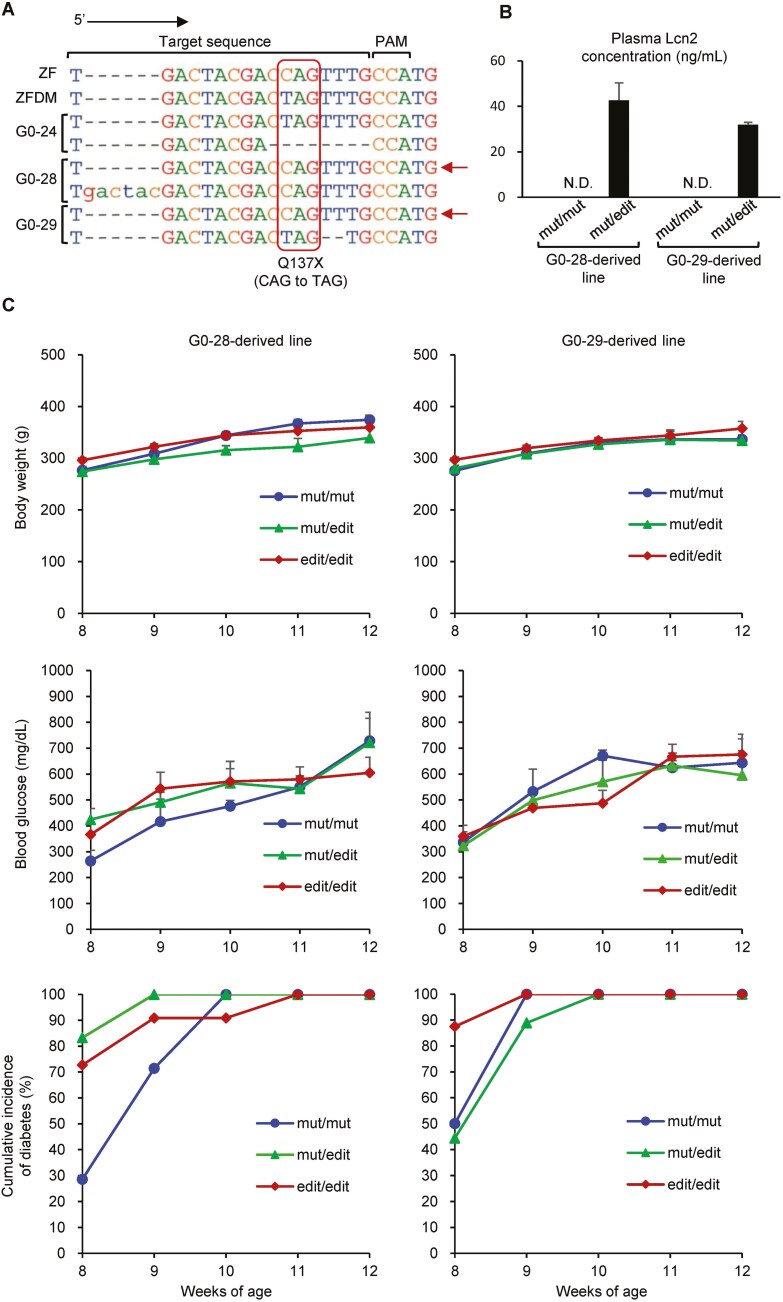 Figure 3
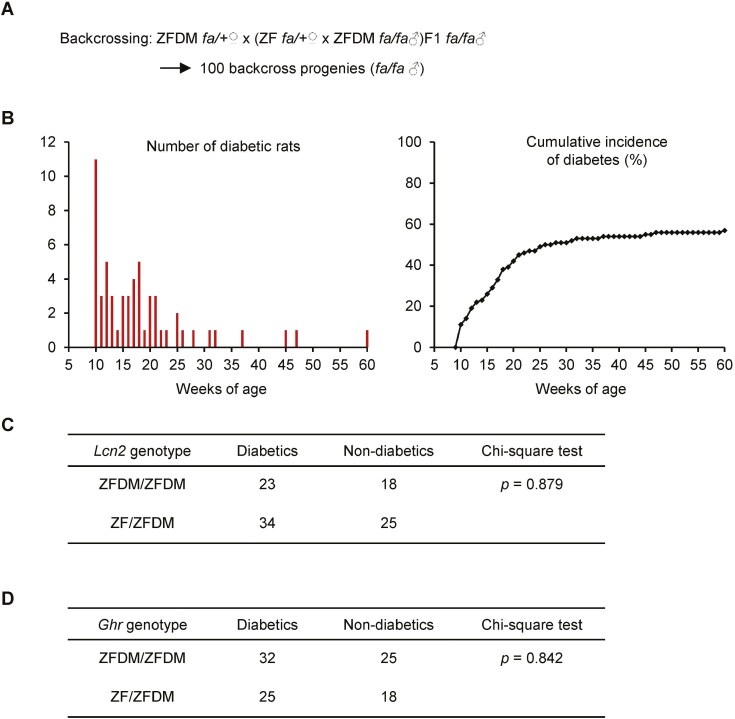 Figure 4
Peer Reviews
No public reviews on file for this paper yet. If you reviewed it on a platform where reviews are public (OpenReview, ICLR, NeurIPS, ICML), you can paste yours below so the community can read it here.
Videos
No videos yet. Explain this paper in a talk, walkthrough, or lecture? Add one.
Taxonomy
TopicsPancreatic function and diabetes · Phagocytosis and Immune Regulation · Cancer, Hypoxia, and Metabolism