Impact of Threshold Setting for Event Log Repair on Conformance Checking
Kazuki Masumoto, Hiroki Horita

TL;DR
This paper studies how setting thresholds for repairing noisy event logs affects the accuracy of comparing real and modeled business processes.
Contribution
The paper reveals that optimal threshold settings for event log repair depend on log type and noise level.
Findings
Threshold settings significantly influence the effectiveness of event log repair.
The appropriate threshold varies depending on the event log type and the amount of noise present.
Experiments demonstrate the need for adaptive threshold selection in conformance checking.
Abstract
Conformance checking is a method to compare the actually executed business process recorded as an event log with the business process described as a business process model and to identify differences. For human or technical reasons, event logs that contain noise and are of low quality may be recorded. Therefore, methods have been proposed to repair low-quality event logs, but they require the setting of a threshold, and it is difficult to set a suitable threshold. In this paper, we investigate the effect of low-quality event log repair methods on conformance checking. Through experiments, it was shown that the appropriate threshold depends on the type of event log and the amount of noise.
Genes, proteins, chemicals, diseases, species, mutations and cell lines named across the full text — each resolved to its canonical identifier and authoritative record.
Click any figure to enlarge with its caption.
 Figure 1
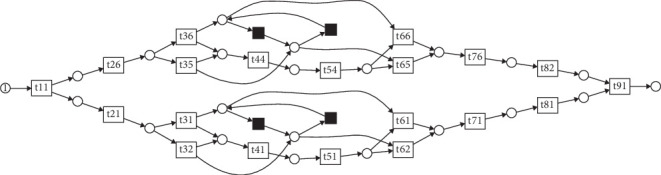 Figure 2
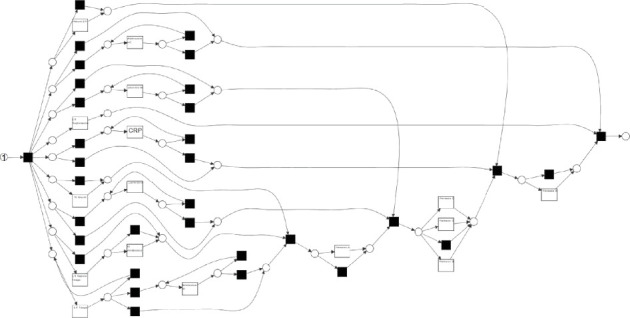 Figure 3
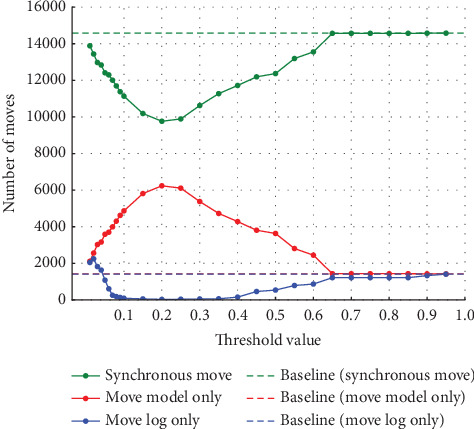 Figure 4
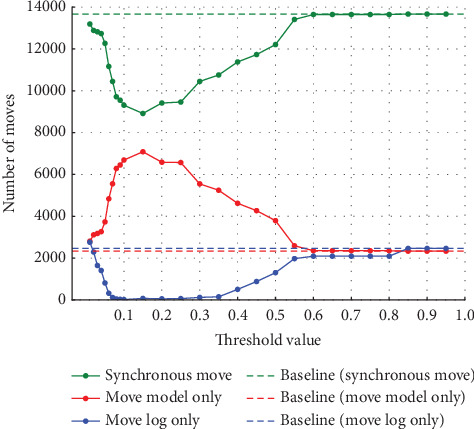 Figure 5
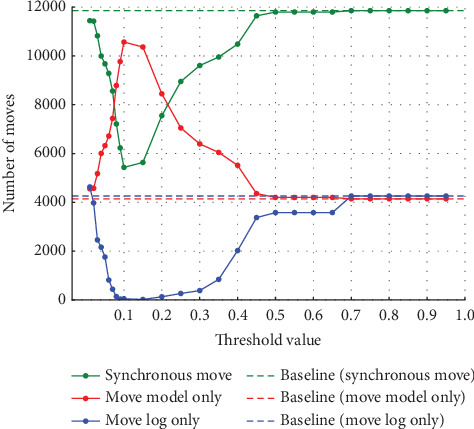 Figure 6
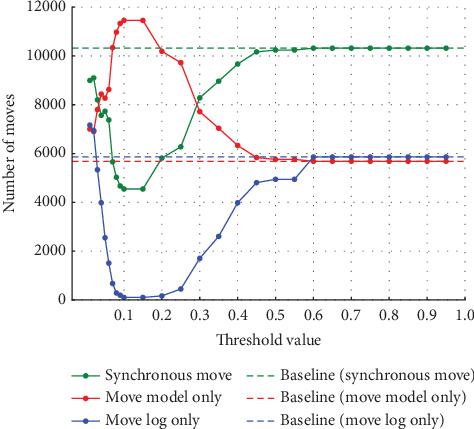 Figure 7
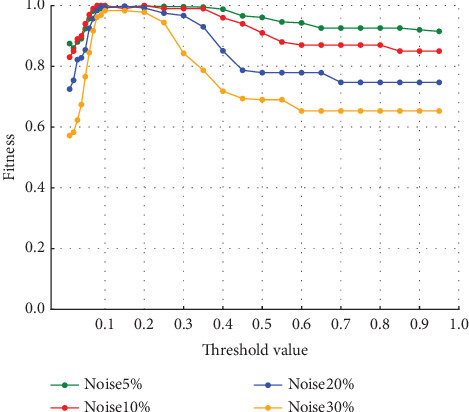 Figure 8
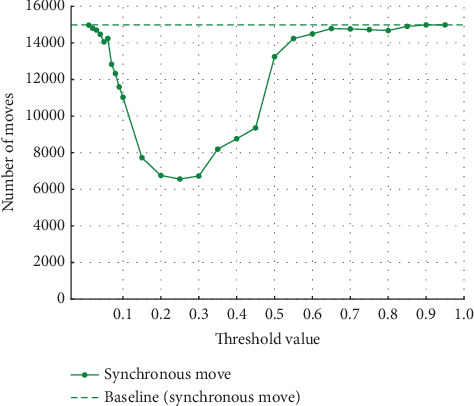 Figure 9
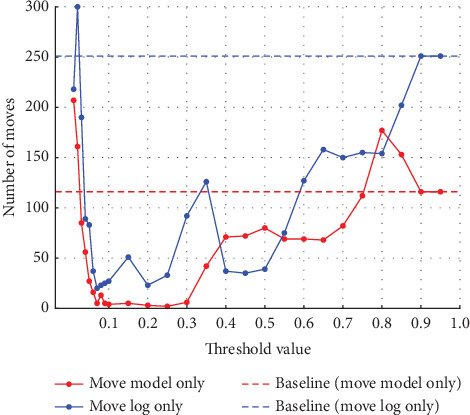 Figure 10
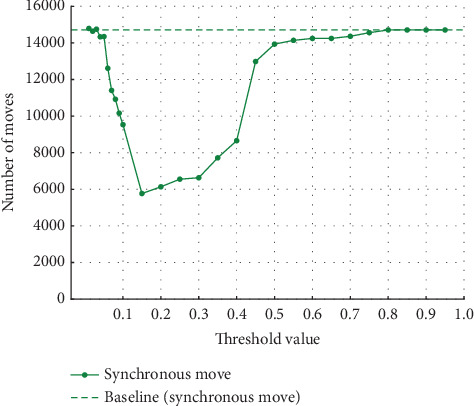 Figure 11
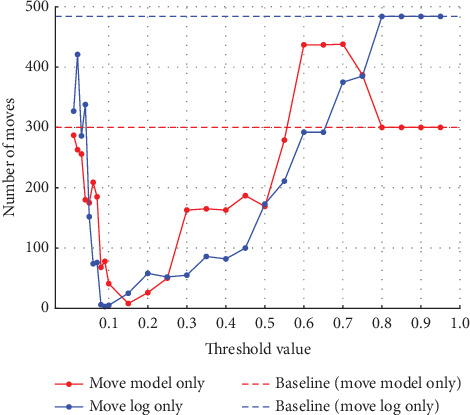 Figure 12
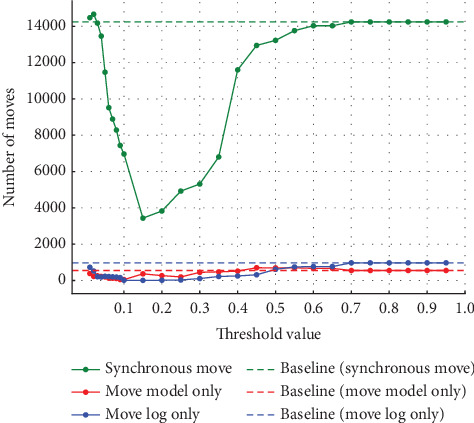 Figure 13
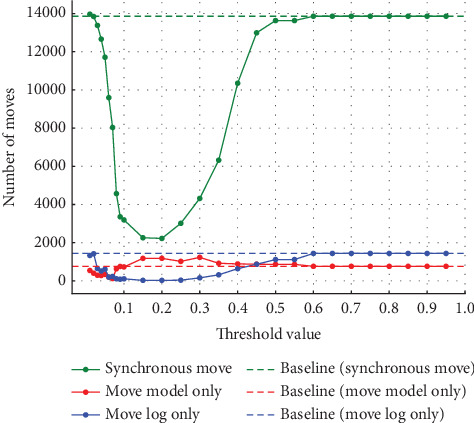 Figure 14
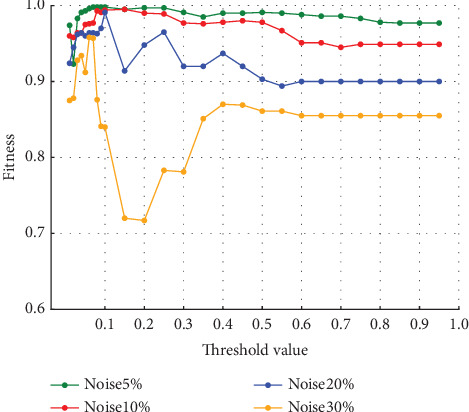 Figure 15
Peer Reviews
No public reviews on file for this paper yet. If you reviewed it on a platform where reviews are public (OpenReview, ICLR, NeurIPS, ICML), you can paste yours below so the community can read it here.
Videos
No videos yet. Explain this paper in a talk, walkthrough, or lecture? Add one.
Taxonomy
TopicsBusiness Process Modeling and Analysis · Service-Oriented Architecture and Web Services · Semantic Web and Ontologies