A Multimodal Approach to a Complex PHACES Patient With Progressive Infantile Hemangioma: A Case Report and Review of Literature
Evan D Hicks, Muhammad Hameed, Humam Shahare, Paige Jones-Brooks, Kevin Wong, Jacob Filipek, Gresham T Richter

TL;DR
A baby with a severe PHACES syndrome and progressive hemangioma was successfully treated using a combination of therapies and multidisciplinary care.
Contribution
This case report presents a unique, multimodal treatment approach for a complex PHACES patient with extensive disease.
Findings
A multimodal treatment approach was effective in managing a complex PHACES patient with progressive hemangioma.
Phased multidisciplinary care and compliance were critical to the successful outcome.
Alternative treatments to propranolol monotherapy can be effective in resistant or non-compliant PHACES cases.
Abstract
A three-week-old baby presented with an infantile hemangioma in segmental beard distribution and evidence of PHACES syndrome (posterior fossa abnormalities, hemangiomas, arterial anomalies, cardiac abnormalities, eye anomalies, and sternal defects). Due to the progressive and symptomatic growth of infantile hemangioma, this patient required a multimodal treatment approach, including beta-blocker therapy, intralesional steroid injections, periorbital surgical debulking, airway interventions, and embolization. This report highlights a successful case of a complex PHACES patient that illustrates the significance of phased multidisciplinary care and emphasizes the importance of compliance. A literature review is included to highlight previously reported successful cases using alternative treatments to propranolol monotherapy. This case offers a unique insight into the timeline and outcomes…
Genes, proteins, chemicals, diseases, species, mutations and cell lines named across the full text — each resolved to its canonical identifier and authoritative record.
Click any figure to enlarge with its caption.
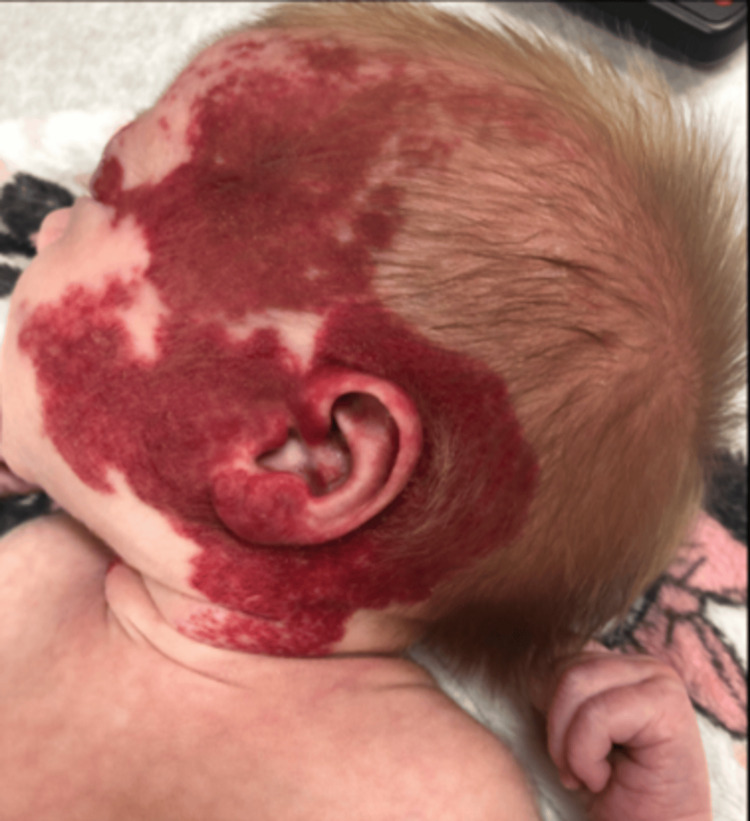 Figure 1
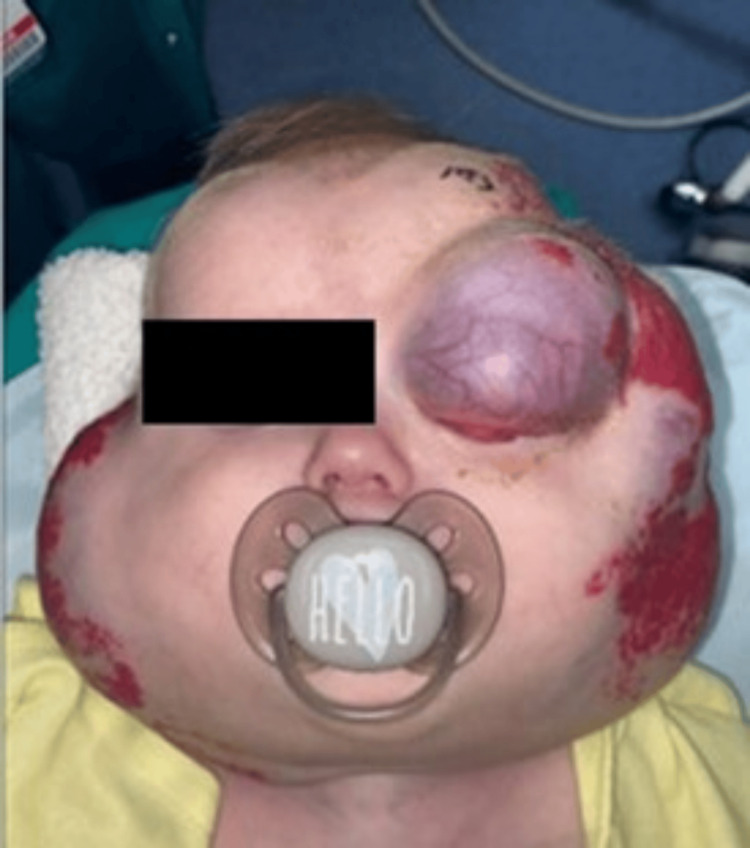 Figure 2
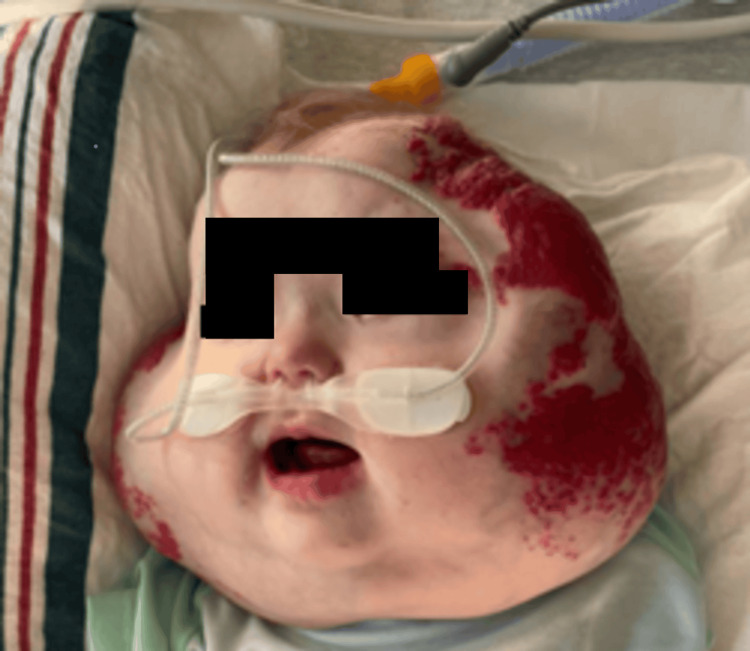 Figure 3
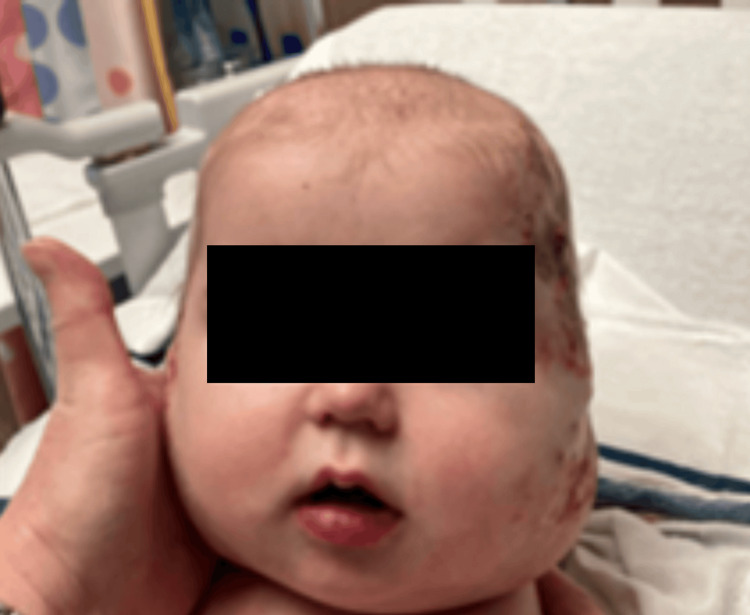 Figure 4
| Major criteria | Minor criteria |
| Arterial: anomalies of major cerebral or cervical arteries, stenosis, occlusion, dysplasia, hypoplasia, persistent carotid-vertebrobasilar anastomosis | Arterial: aneurysm of cerebral arteries |
| Structural brain: posterior fossa anomalies: Dandy-Walker complex, unilateral or bilateral cerebral dysplasia or hypoplasia | Structural brain: midline anomaly, malformation of cortical development, neuronal migration disorder |
| Cardiovascular: aortic arch anomalies, aneurysm, an aberrant origin of the subclavian artery | Cardiovascular: ventricular septal defect, right aortic arch |
| Ocular: posterior segment anomaly, retinal vascular anomalies | Ocular: anterior segment anomalies, cataracts, sclerocornea, microphthalmia |
| Ventral or midline: sternal defect, sternal cleft | Ventral or midline: hypopituitarism, ectopic thyroid, midline sternal papule |
Peer Reviews
No public reviews on file for this paper yet. If you reviewed it on a platform where reviews are public (OpenReview, ICLR, NeurIPS, ICML), you can paste yours below so the community can read it here.
Videos
No videos yet. Explain this paper in a talk, walkthrough, or lecture? Add one.
Taxonomy
TopicsVascular Malformations and Hemangiomas · Tumors and Oncological Cases · Vascular Tumors and Angiosarcomas
Introduction
Posterior fossa abnormalities, hemangiomas, arterial anomalies, cardiac abnormalities, eye anomalies, and sternal defects comprise a rare syndrome, PHACES [1-3]. Current literature reviews suggest that there are no more than 400 cases worldwide. However, some suggest the true estimate to be closer to 600 cases [4]. PHACES is diagnosed with the presence of an infantile segmental hemangioma larger than 5 cm on the face, scalp, or cervical region with one major or two minor criteria [5]. Here, we present a patient who met the criteria for PHACES with segmental hemangiomas in a beard distribution and cerebrovascular anomalies, with small right cervical carotid, small right vertebral artery, and fusiform aneurysmal dilation of the left internal carotid artery. Although there is a recent investigation into PHACES, the literature lacks reports on the multimodal treatment of complex PHACES patients with limited response to propranolol monotherapy. We report a unique case of propranolol-resistant PHACES syndrome complicated by hemangiomas on the face, eyelid, larynx, trachea, subglottis, and mediastinum. The patient required intralesional steroid injection, periorbital excision, facial artery collateral embolization, laser therapy, and airway interventions. Although previously thought to be only propranolol-resistant, the patient was also confirmed to be non-compliant in their therapy. This report's objective is to emphasize the need for multimodal therapy in complex PHACES patients in the setting of propranolol resistance and/or non-compliance.
Case presentation
A three-week-old female baby was presented to the vascular anomaly mini-team clinic with bilateral facial infantile hemangiomas in a beard distribution and stridor (Figure 1). A large hemangioma partially occluded the left eye, and a separate hemangioma partially occluded the left ear canal. Laryngoscopy showed subglottic stenosis, suspected to be a subglottic progressive hemangioma, and mild laryngomalacia.
Patient presented with bilateral facial hemangiomas
Ophthalmology
Due to social constraints, the patient was lost to follow-up, and five months later, the patient presented with a notable increase in periorbital and facial cutaneous hemangiomas. Periorbital hemangioma presented with visual axis obstruction caused by the eyelid hemangioma (Figure 2). The ophthalmologist performed a debulking procedure for hemangioma of the left upper eyelid and anterior segment, and good clinical outcomes were reported (Figure 3).
Hemangioma of the left upper eyelid and anterior segment
Resolution of the eyelid hemangioma post orbital debulking
Interventional radiology
One month later, she was readmitted for respiratory distress, and larger hemangiomas were noted. Propranolol was started but subsequently switched to atenolol therapy at 0.5 mg/kg due to bradycardia and the hope of better compliance due to once-a-day administration. Atenolol was discontinued due to worsening bradycardia, and propranolol 1.5 mg/kg was restarted with better tolerance. During this time, social work was consulted due to reported non-compliance with home propranolol. Two months later, a microlaryngoscopy and bronchoscopy (MLB) was performed, and a subglottic hemangioma starting posteriorly and extending to the left laterally was visualized. The patient received a third round of triamcinolone injection and proceeded to interventional radiology (IR) for embolization. The left facial artery was identified as the primary blood source of the left facial hemangioma, and embolization was performed on the collateral branches. Three months later, the patient underwent MLB with triamcinolone injections into the left subglottis and parotid glands, with subsequent laser therapy to the cheeks. This was followed by a second round of embolization with IR (Figure 4).
Improvement in facial hemangiomas two months post second IR embolization and propranololIR: interventional radiology
Outpatient care
This patient was under the care of vascular anomalies in the outpatient setting due to an increase in lesion size. A treatment regimen involving a combination of propranolol and steroid therapy was implemented. Hematology/Oncology oversaw anticoagulation using enoxaparin due to the development of cerebral venous thrombosis. Neurology was consulted for the management of seizures and global developmental delay. Seizures were controlled with levetiracetam. Occupational therapy monitored her progress in addressing global developmental delay. Audiology provided a follow-up for hearing loss in her right ear. The patient experienced multiple hospital admissions due to this complex medical course.
Discussion
The prevalence of infantile hemangiomas is estimated to be about 1%-3% in newborn infants and 2.6%-9.9% in older children [6]. PHACES syndrome is observed in 2%-3% of cases involving infantile hemangiomas [3]. PHACES can present with either multisystem organ involvement or affect a single system. The major and minor diagnostic criteria for PHACES are listed in Table 1 [5]. It is crucial for general pediatricians to understand the multidisciplinary approach and multimodal treatment options for managing complex cases of PHACES syndrome. Additionally, patient education plays a significant role in preventing unnecessary progression of the disease.
Since 2008, propranolol has been the first-line treatment for non-resolving infantile hemangiomas [7,8]. It has been shown to be both safe and effective for treating infantile hemangiomas associated with PHACES syndrome. Propranolol is typically dosed at 1-3 mg/kg/day, divided into two to three doses, with treatment duration ranging from two to 12 months [7]. While most infants tolerate propranolol well, adverse effects such as sleep disturbances, hypotension, and bradycardia have been reported, albeit rarely [8]. In some cases, atenolol has been used as an alternative to propranolol, particularly when bradycardia and hypotension are of concern, although in our case, atenolol worsened bradycardia. Moreover, there is an increased risk of acute ischemic stroke in patients with PHACES due to arterial anomalies, though a recent retrospective study of 76 patients reported no incidence of stroke while on propranolol therapy [7,9].
A literature review was conducted to evaluate reported cases of PHACES patients who either did not respond to propranolol monotherapy or required alternative treatments. Our review highlights that propranolol is the primary accepted treatment for infantile hemangiomas within the context of PHACES syndrome [1]. However, a gap exists in the literature regarding alternative treatments for patients who are either non-responsive to propranolol or have contraindications to its use. Reported alternative medical therapies include combination therapy with steroids and propranolol, as well as other beta-blockers such as topical timolol and systemic atenolol. However, the evidence supporting these alternatives is primarily limited to case reports and a small number of retrospective studies [8,10-19]. Additionally, common procedures reported in these cases include laser therapy, triamcinolone injections, laryngotracheal reconstruction, and surgical debulking [16,17,20-25].
A challenge in treating extensive hemangiomas is the potential for propranolol resistance, the cause of which remains unclear. Treatment interruption and non-adherence have been identified as risk factors for resistance, while genetic factors are being explored [26]. For propranolol-resistant hemangiomas, alternative therapies such as rapamycin, prednisone, and vincristine have been investigated, though no single approach has been universally accepted [27-30].
In this case, the patient did not respond adequately to propranolol, requiring a multispecialty approach due to the extensive nature of the disease. Orbital hemangioma debulking and IR embolization of the facial hemangioma were performed, both of which have been associated with improvements in cosmetic and functional outcomes in propranolol-resistant cases [31-33]. Orbital debulking reduces the risk of ocular sequelae, while embolization decreases the hemangioma's vascularity. For the subglottic hemangioma, interventions such as intralesional steroid injections, laser therapy using microlaser bronchoscopy, and IR embolization were employed to prevent airway complications. Although microlaser bronchoscopy is a non-invasive and effective method for shrinking subglottic hemangiomas, it often requires multiple sessions. Steroid injections have also proven effective for hemangiomas in this location.
Given the lack of standardized guidelines for treating propranolol-resistant hemangiomas, documenting successful cases is essential to establish expectations for PHACES patients requiring a multidisciplinary approach.
The treatment course for propranolol-resistant PHACES syndrome can be lengthy and impose significant emotional and financial burdens on patients and families. In this case, disease progression occurred due to prolonged non-compliance with therapy, emphasizing the importance of patient education and socioeconomic considerations in ensuring proper adherence to treatment. As children with PHACES age, a multidisciplinary approach is often necessary due to the potential for multisystem organ involvement. The general practitioner plays a crucial role in managing these patients by ensuring compliance with medical treatment, facilitating follow-up with specialists, and educating families about the various medical and surgical options available. They serve as the cornerstone of a successful treatment plan through their medical expertise, rapport with patients and families, and consistent follow-up.
Conclusions
Complex PHACES patients have extensive disease, and this can cause a burden on the family and significant morbidity. In extensive cases, the pediatrician is wise to explore a multimodal approach. It is imperative to understand the course of managing these patients in a multidisciplinary way that involves medical, surgical, and IR management for optimal outcomes. This provides a successful case of a complex PHACES patient treated with beta-blocker therapy, intralesional steroid injections, periorbital surgical debulking, airway interventions, and embolization.
There are limitations due to this being a single case without follow-up data. We have not addressed the long-term effects of the advanced procedures this patient required or the impact an extensive surgical process will have on the family members. Clinicians also need to know how to successfully communicate the required interventions to the parents of patients to decrease hesitancy and promote treatment if required. Clinicians should be encouraged to report more cases of extensive disease requiring multimodal treatment. Future research should be done to investigate successful alternatives to propranolol in efforts to decrease disease severity in those found to be resistant as well as combining modalities in severe cases. Clinicians should also remain aware of factors that contribute toward non-compliance to better address patients with unexpected increasing severity of disease.
The reference list from the paper itself. Each links out to its DOI / PubMed record.
- 1Facing PHACE twenty-five years later: review and perspectives on management J Vasc Anom Braun MT Mathes EF Siegel DH Hess CP Fox CK Frieden IJ 022021
- 2PHACE syndrome: consensus-derived diagnosis and care recommendations J Pediatr Garzon MC Epstein LG Heyer GL 243317820162765902810.1016/j.jpeds.2016.07.054PMC 6599593 · doi ↗ · pubmed ↗
- 3PHACE syndrome: clinical manifestations, diagnostic criteria, and management An Bras Dermatol Rotter A Samorano LP Rivitti-Machado MC Oliveira ZN Gontijo B 4054119320182992421610.1590/abd 1806-4841.20187693 PMC 6001075 · doi ↗ · pubmed ↗
- 4"Face(s)" of a PHACE(S) syndrome patient before and after therapy: particular case report and review of literature Children (Basel) Stănciulescu MC Dorobantu FR Boia ES 1970920223655341310.3390/children 9121970 PMC 9776585 · doi ↗ · pubmed ↗
- 5PHACE syndrome Stat Pearls [Internet] Chamli A Litaiem N Treasure Island (FL)Stat Pearls Publishing 2023 https://www.ncbi.nlm.nih.gov/books/NBK 539722
- 6Diagnosis and management of infantile hemangioma Pediatrics Darrow DH Greene AK Mancini AJ Nopper AJ 0104136201510.1542/peds.2015-248526416931 · doi ↗ · pubmed ↗
- 7Propranolol in the treatment of infantile hemangiomas Clin Cosmet Investig Dermatol Tan X Guo S Wang C 1155116314202110.2147/CCID.S 332625 PMC 842371634511960 · doi ↗ · pubmed ↗
- 8Evaluating the safety of oral propranolol therapy in patients with PHACE syndrome JAMA Dermatol Olsen GM Hansen LM Stefanko NS 18619015620203182545510.1001/jamadermatol.2019.3839 PMC 6990697 · doi ↗ · pubmed ↗