Study on optimization measures for water level fluctuation of large water conveyance aqueducts
Jian Chen, Yangyang Tian, Huijie Zhang, Hongling Shi, Auroop R Ganguly, Auroop R Ganguly, Auroop R Ganguly, Auroop R Ganguly, Auroop R Ganguly

TL;DR
This study explores how to reduce water level fluctuations in aqueducts using optimized tail pier designs, improving stability and efficiency.
Contribution
The study introduces a three-dimensional fluid dynamics model to optimize aqueduct structures and demonstrates the effectiveness of conical tail piers.
Findings
A conical tail pier outperforms a platform-shaped tail pier in reducing water surface fluctuations and turbulent energy dissipation.
Shorter conical tail piers (e.g., 15 meters) result in lower head loss compared to longer ones (e.g., 35 meters).
Optimized tail pier structures maintain a stable Froude number and improve flow stability.
Abstract
This paper addresses the issue of water surface fluctuations in aqueducts caused by the Karman Vortex Street phenomenon, which significantly impacts the structural stability and water delivery efficiency of the aqueducts. Based upon existing research findings, a representative three-dimensional fluid dynamics model is developed to optimize the transition section and tail pier structure of the aqueduct, with the objective of reducing water level fluctuations and improving hydraulic stability.The research focuses on improving the symmetry of both the transition section and the tail pier, optimizing the tail pier structure, and analyzing its wave attenuation effect. The experimental results demonstrate that a conical tail pier performs better than a platform-shaped tail pier in eliminating water surface fluctuations, significantly reducing turbulent energy dissipation at the exit…
Genes, proteins, chemicals, diseases, species, mutations and cell lines named across the full text — each resolved to its canonical identifier and authoritative record.
Click any figure to enlarge with its caption.
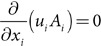 Figure 1
 Figure 2
 Figure 3
 Figure 4
 Figure 5
 Figure 6
 Figure 7
 Figure 8
 Figure 9
 Figure 10
 Figure 11
 Figure 12
 Figure 13
 Figure 14
 Figure 15
 Figure 16
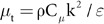 Figure 17
 Figure 18
 Figure 19
 Figure 20
 Figure 21
 Figure 22
 Figure 23
 Figure 24
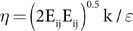 Figure 25
 Figure 26
 Figure 27
 Figure 28
 Figure 29
 Figure 30
 Figure 31
 Figure 32
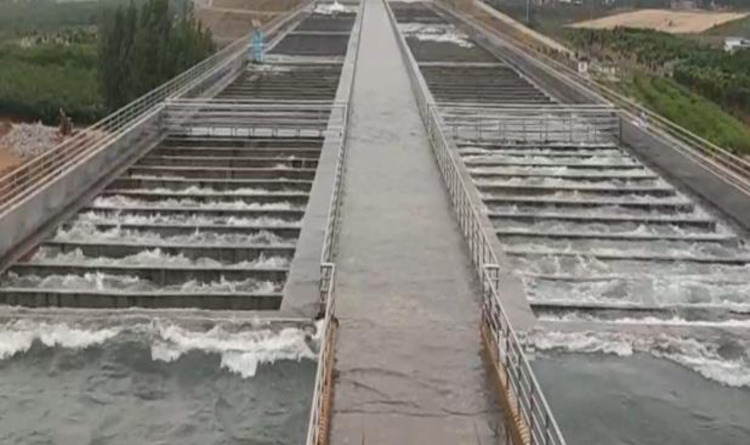 Figure 33
 Figure 34
 Figure 35
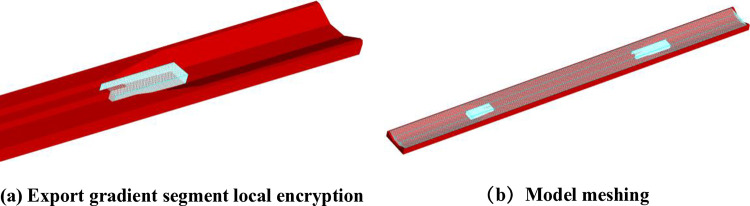 Figure 36
 Figure 37
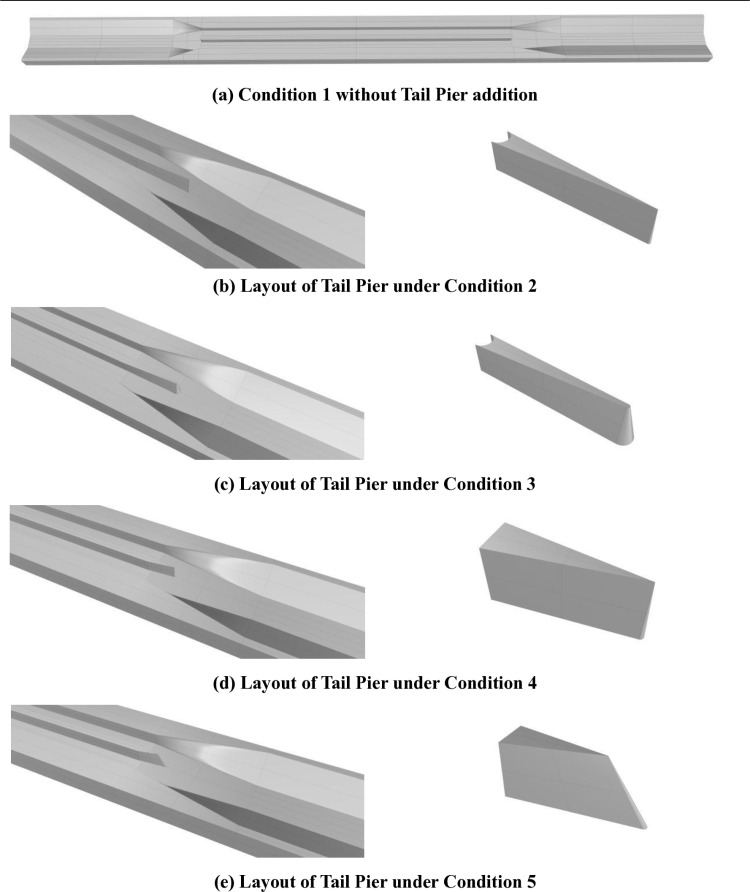 Figure 38
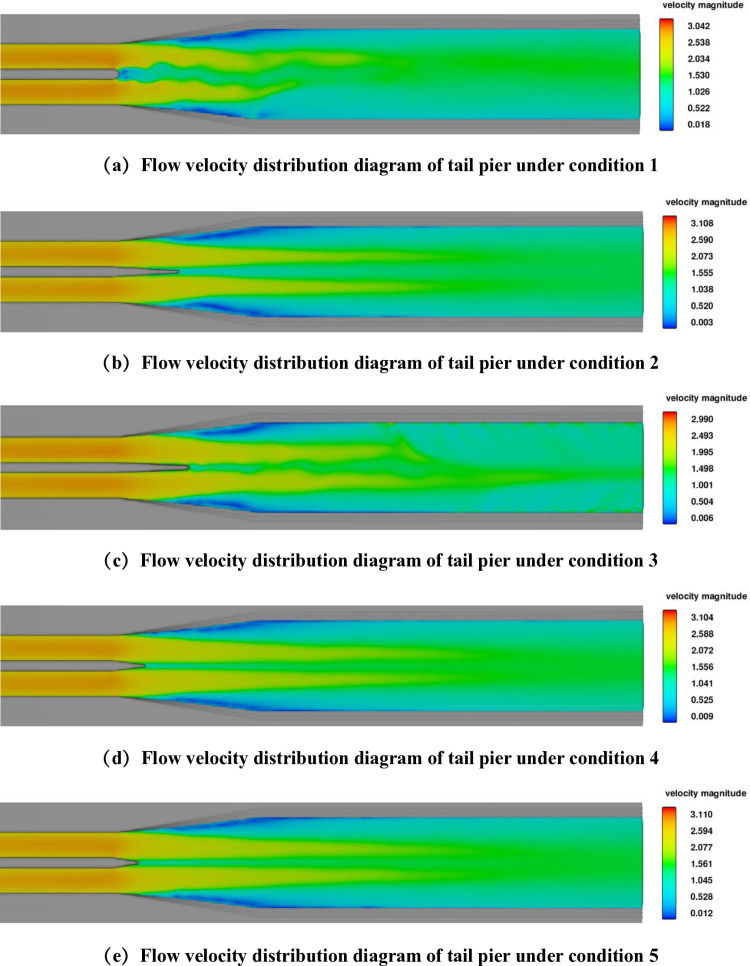 Figure 39
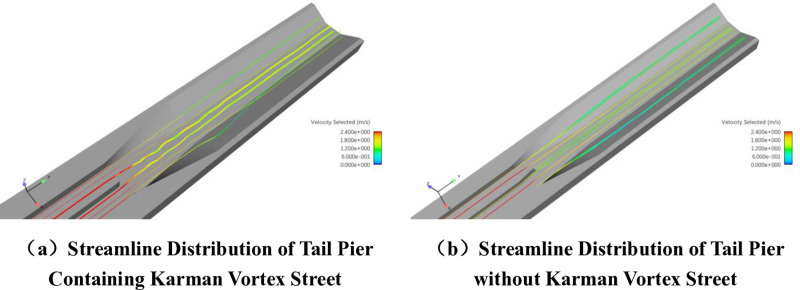 Figure 40
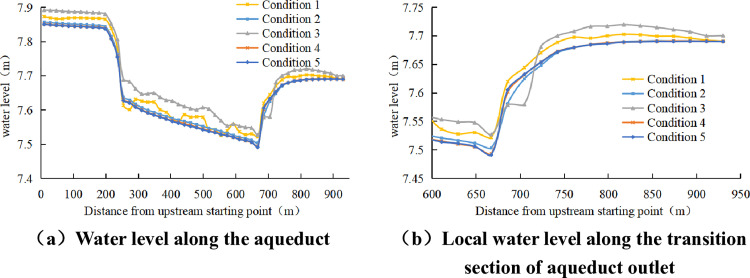 Figure 41
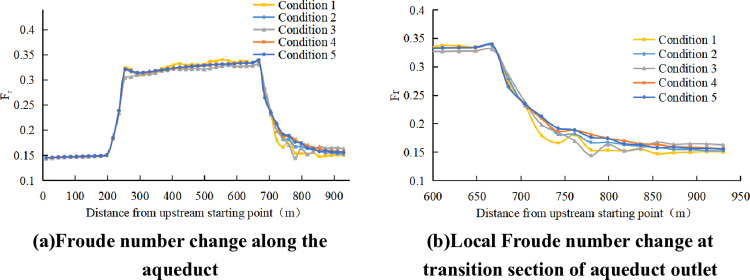 Figure 42
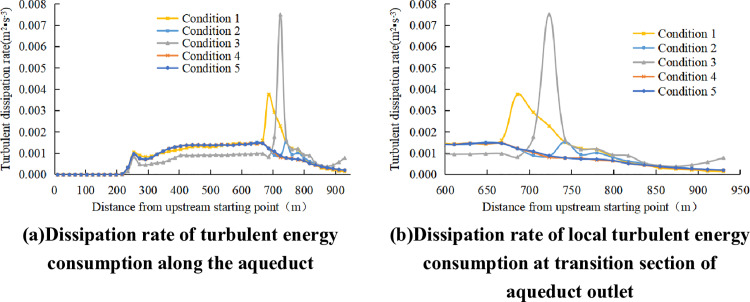 Figure 43
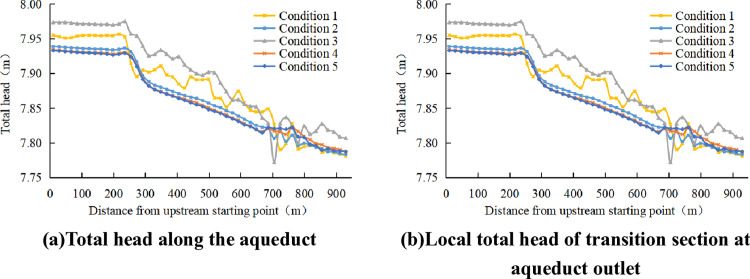 Figure 44
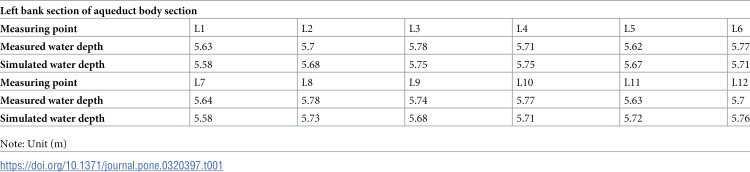 Figure 45
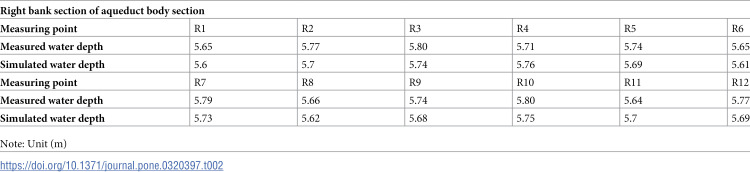 Figure 46
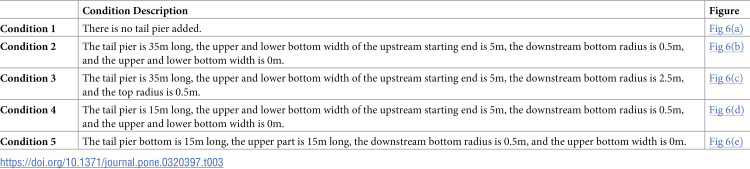 Figure 47
Peer Reviews
No public reviews on file for this paper yet. If you reviewed it on a platform where reviews are public (OpenReview, ICLR, NeurIPS, ICML), you can paste yours below so the community can read it here.
Videos
No videos yet. Explain this paper in a talk, walkthrough, or lecture? Add one.
Taxonomy
TopicsFluid Dynamics and Vibration Analysis · Hydraulic flow and structures · Fluid Dynamics and Turbulent Flows