Smith-Kingsmore syndrome with nystagmus as the initial symptom
Meiling Cai, Yanfei Zhao, He Wang, Shicheng Liu, Huiyi Jiang

TL;DR
A 5-month-old girl with nystagmus and developmental delays was diagnosed with Smith-Kingsmore syndrome, expanding the known symptoms of this rare genetic disorder.
Contribution
This case expands the phenotypic spectrum of Smith-Kingsmore syndrome and highlights nystagmus as an initial symptom.
Findings
Nystagmus was identified as an initial symptom in a patient with Smith-Kingsmore syndrome.
The patient exhibited macrocephaly, facial deformity, and seizures, typical of SKS, along with new features like pigmentation abnormalities.
Treatment with multiple antiseizure medications reduced seizure amplitude but did not eliminate drug resistance.
Abstract
Smith-Kingsmore syndrome (SKS) is a rare autosomal dominant disorder caused by de novo mutations of gene MTOR in most cases and germline mosaicism in a few cases. The first case of SKS was reported in 2013. The incidence of SKS remains unknown. The clinical manifestations of SKS are diverse, and common features are macrocephaly, intellectual disability, and seizures. Some patients with SKS have special facial features. The case was a 5-month-old baby girl, who was admitted to the hospital for nystagmus, delayed development for 2 months, and intermittent convulsions for 2 days. The patient had a head circumference of 42 cm (+ 2SD), and showed facial deformity, low limb muscle tension, large areas of pigmentation, as well as mosaic patchy and strip-like pigment loss in her trunk and limbs. Meanwhile, her development was lagging behind peers. Physical examination did not reveal other…
Genes, proteins, chemicals, diseases, species, mutations and cell lines named across the full text — each resolved to its canonical identifier and authoritative record.
Click any figure to enlarge with its caption.
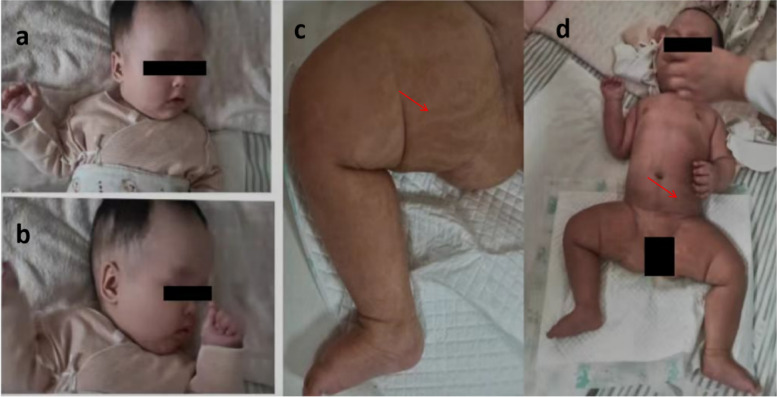 Figure 1
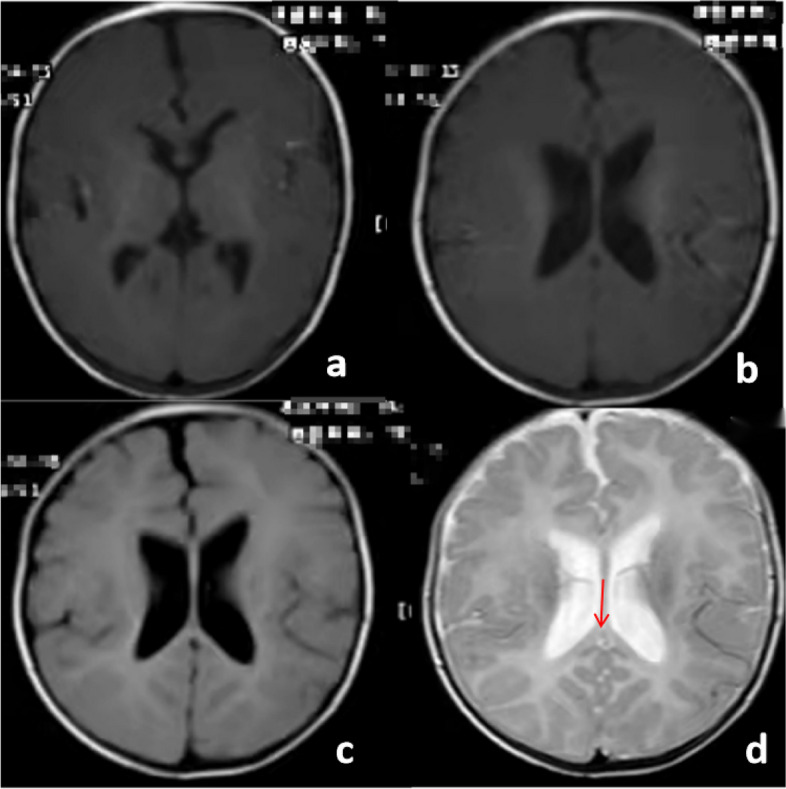 Figure 2
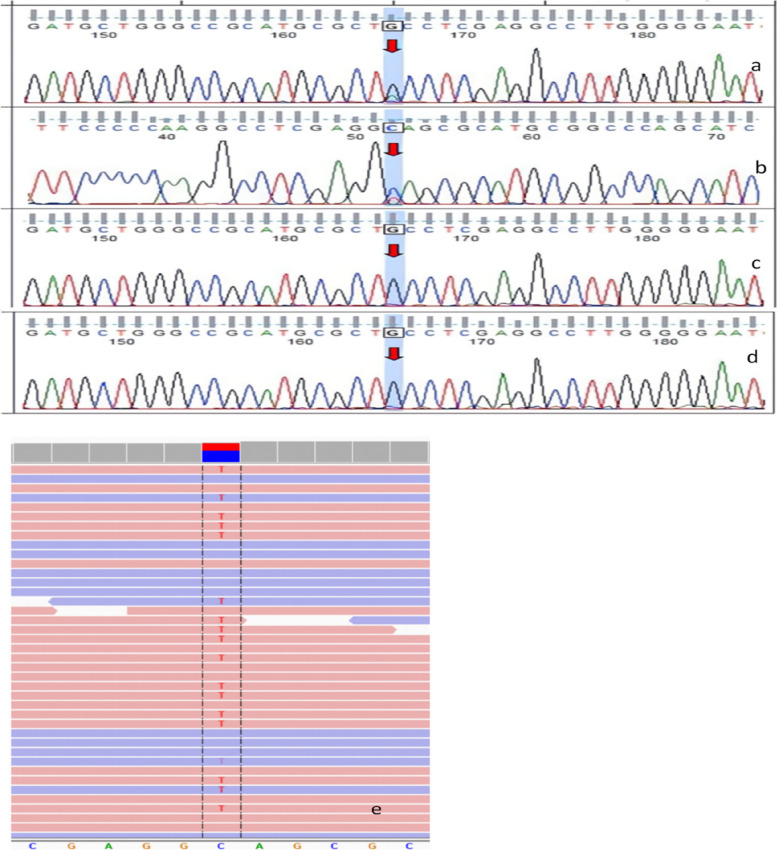 Figure 3
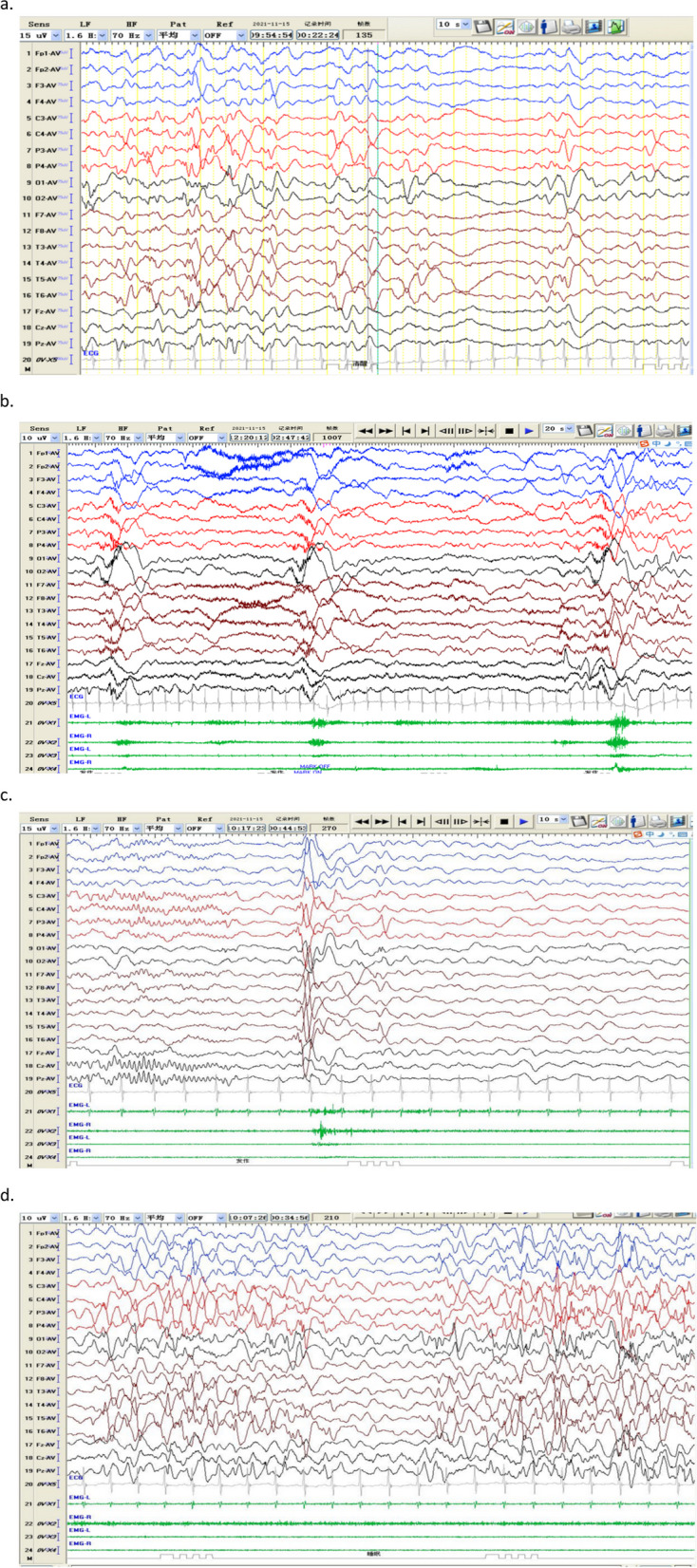 Figure 4
Peer Reviews
No public reviews on file for this paper yet. If you reviewed it on a platform where reviews are public (OpenReview, ICLR, NeurIPS, ICML), you can paste yours below so the community can read it here.
Videos
No videos yet. Explain this paper in a talk, walkthrough, or lecture? Add one.
Taxonomy
TopicsGenomics and Rare Diseases · Genetic and rare skin diseases. · Genomic variations and chromosomal abnormalities