Identification of Escherichia coli 166 isolate as an effective inhibitor of African swine fever virus replication
Jinya Zhang, Hongyu Cui, Zhenjiang Zhang, Wenqing Wang, Fengwei Jiang, Encheng Sun, Yuanmao Zhu, Fang Li, Zhigao Bu, Dongming Zhao

TL;DR
A specific strain of Escherichia coli, E. coli 166, was found to strongly inhibit the replication of African swine fever virus in pig cells, suggesting it could be a useful biological control agent.
Contribution
The study identifies E. coli 166 as a novel, effective inhibitor of multiple African swine fever virus strains through indirect mechanisms.
Findings
E. coli 166 inhibits replication of various African swine fever virus strains without direct cell contact.
Both live and heat-inactivated E. coli 166 retain antiviral effects, suggesting metabolites or lysis products are responsible.
Pretreatment with E. coli 166 modulates immune responses, upregulating NF-κB and downregulating CD163 in infected cells.
Abstract
African swine fever is a lethal disease with mortality rates approaching 100% in both domestic pigs and wild boars. With no effective vaccines or treatments available, there is an urgent need for new biologics to combat the African swine fever virus (ASFV). In this study, we isolated bacteria from the intestinal contents of wild boar using culture-based methods and identified them through 16S ribosomal DNA (rDNA) sequencing. These isolates underwent high-throughput screening to evaluate their immunomodulatory effects on J774-Dual cells and their ability to inhibit ASFV replication in vitro. Among them, an Escherichia coli strain, designated as E. coli 166, exhibited strong inhibitory effects on various ASFV strains’ replication, including three genotype II strains: virulent strain HLJ/18, moderately virulent strain HLJ/HRB1/20, genetically modified low-virulent strain HLJ/18–6GD, and…
Genes, proteins, chemicals, diseases, species, mutations and cell lines named across the full text — each resolved to its canonical identifier and authoritative record.
Click any figure to enlarge with its caption.
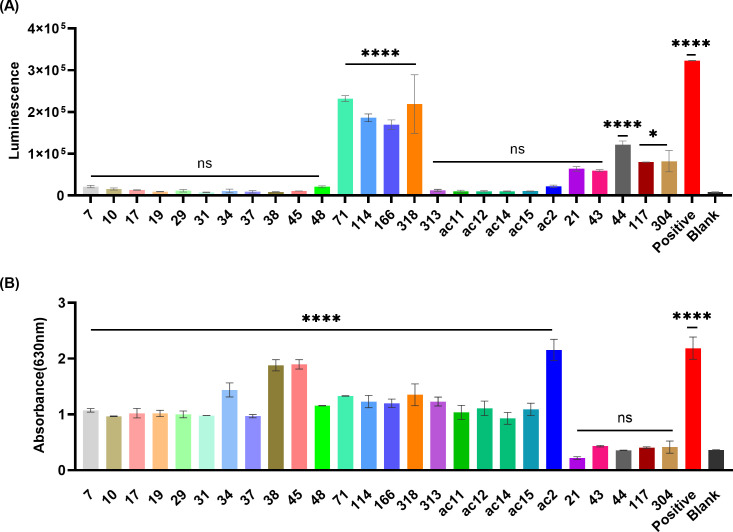 Figure 1
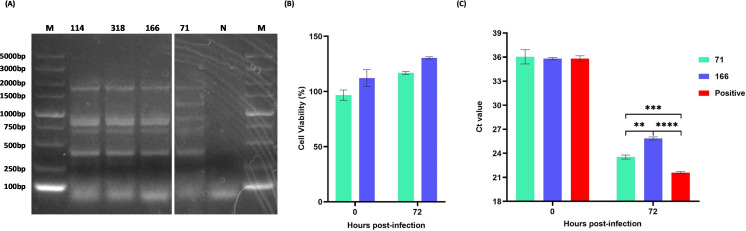 Figure 2
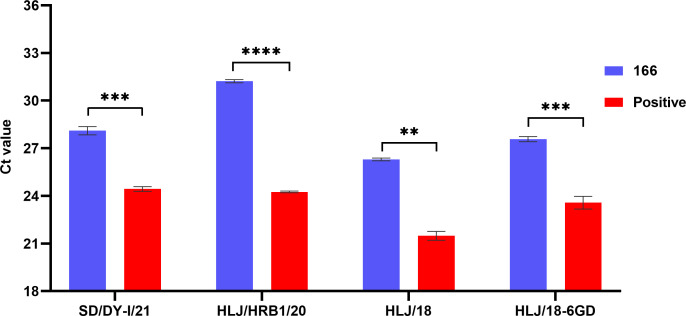 Figure 3
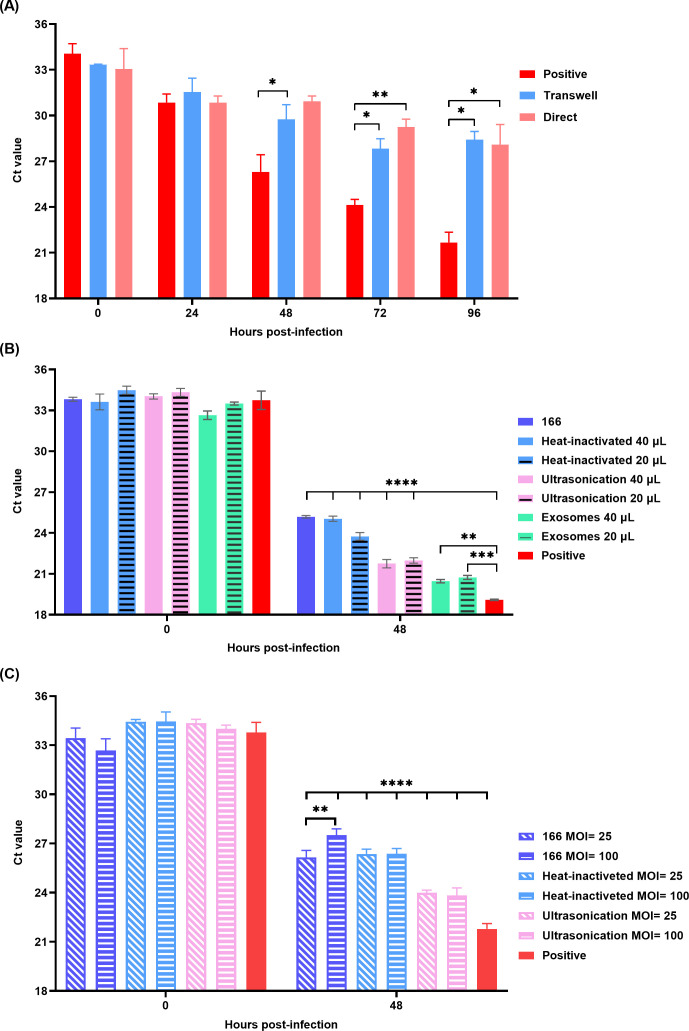 Figure 4
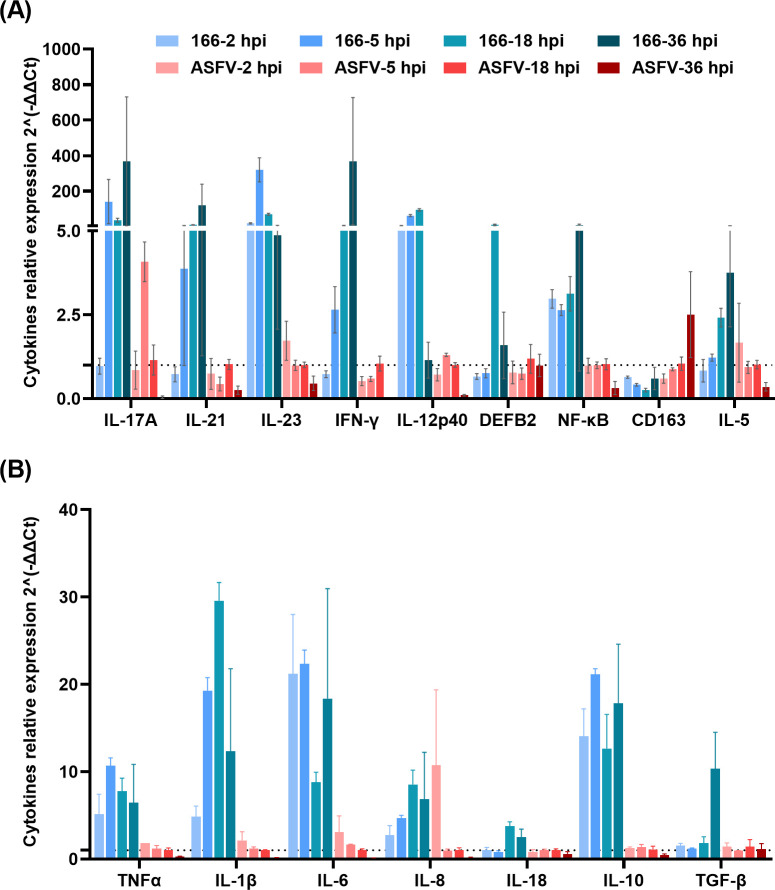 Figure 5
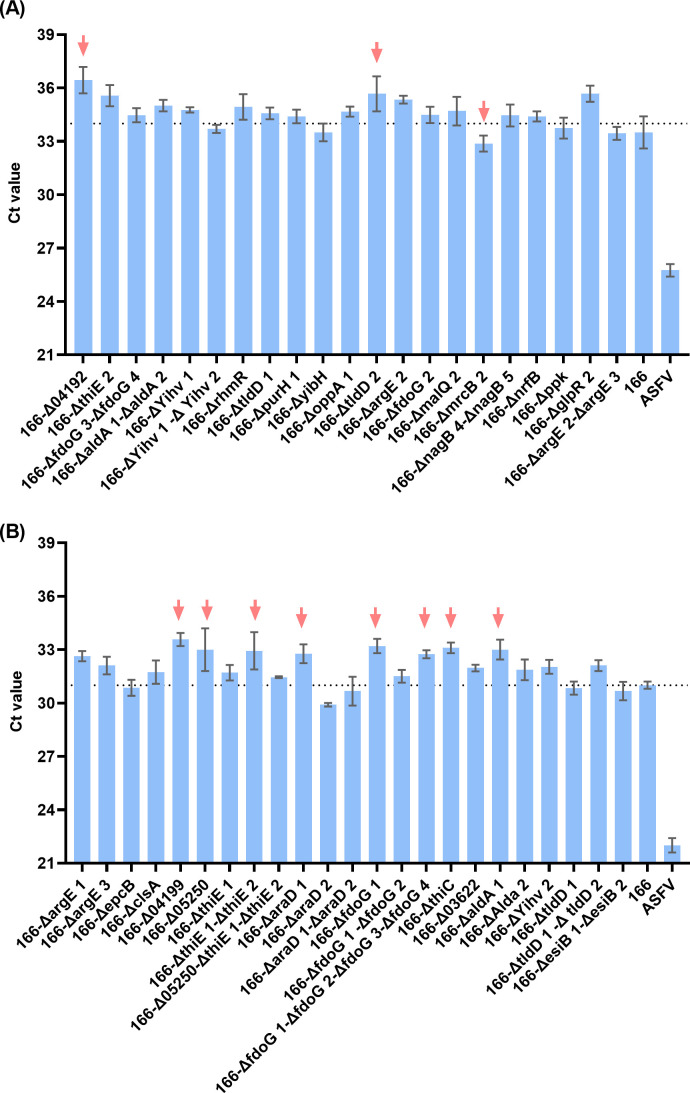 Figure 6
Peer Reviews
No public reviews on file for this paper yet. If you reviewed it on a platform where reviews are public (OpenReview, ICLR, NeurIPS, ICML), you can paste yours below so the community can read it here.
Videos
No videos yet. Explain this paper in a talk, walkthrough, or lecture? Add one.
Taxonomy
TopicsAnimal Disease Management and Epidemiology · Vector-Borne Animal Diseases · Viral gastroenteritis research and epidemiology