Novel application of ribonucleoprotein-mediated CRISPR-Cas9 gene editing in plant pathogenic oomycete species
Erika N. Dort, Nicolas Feau, Richard C. Hamelin

TL;DR
Researchers developed a CRISPR-Cas9 method to edit genes in two forest-damaging oomycete species, achieving success in one but not the other.
Contribution
The first CRISPR-Cas9 gene editing protocol for forest pathogenic Phytophthoras using a ribonucleoprotein approach.
Findings
CRISPR-Cas9 gene editing was successfully applied to Phytophthora cactorum, producing ORP1 mutants with reduced fungicide resistance.
The same method failed to produce mutants in Phytophthora ramorum.
The study provides a foundation for future CRISPR-Cas9 optimization in forest pathogenic oomycetes.
Abstract
CRISPR-Cas9 gene editing has become an important tool for the study of plant pathogens, allowing researchers to functionally characterize specific genes involved in phytopathogenicity, virulence, and fungicide resistance. Protocols for CRISPR-Cas9 gene editing have already been developed for Phytophthoras, an important group of oomycete plant pathogens; however, these efforts have exclusively focused on agricultural pathosystems, with research lacking for forest pathosystems. We sought to develop CRISPR-Cas9 gene editing in two forest pathogenic Phytophthoras, Phytophthora cactorum and P. ramorum, using a plasmid-ribonucleoprotein (RNP) co-transformation approach. Our gene target in both species was the ortholog of PcORP1, which encodes an oxysterol-binding protein that is the target of the fungicide oxathiapiprolin in the agricultural pathogen P. capsici. We delivered liposome…
Genes, proteins, chemicals, diseases, species, mutations and cell lines named across the full text — each resolved to its canonical identifier and authoritative record.
Click any figure to enlarge with its caption.
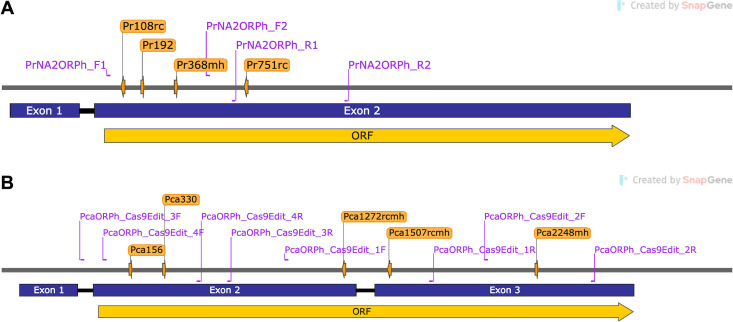 Figure 1
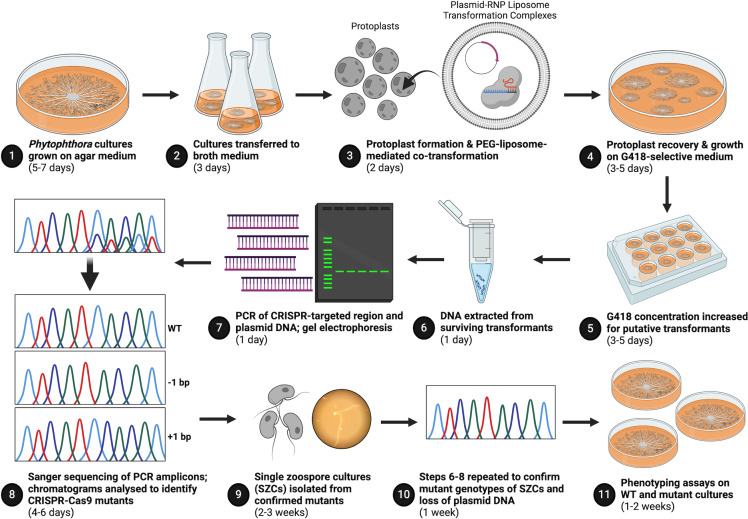 Figure 2
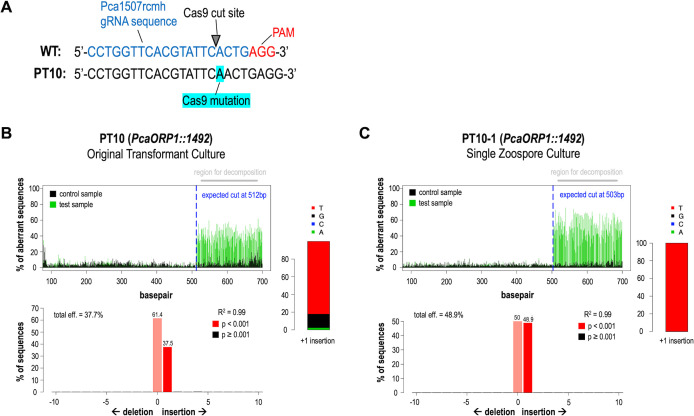 Figure 3
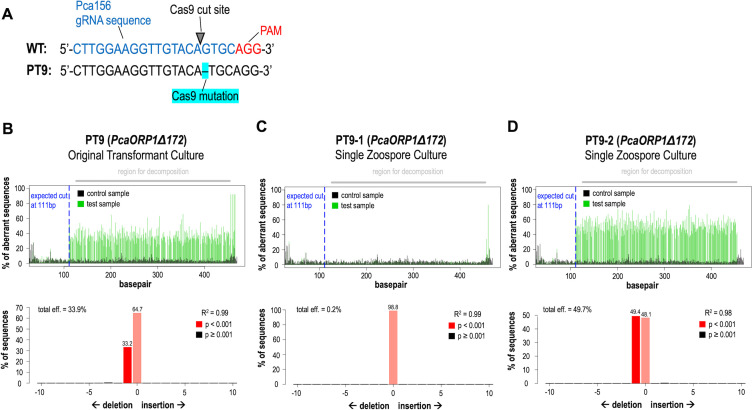 Figure 4
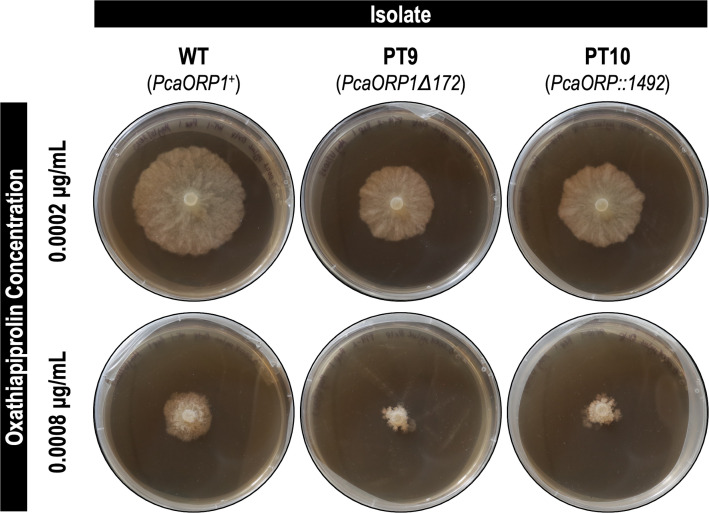 Figure 5
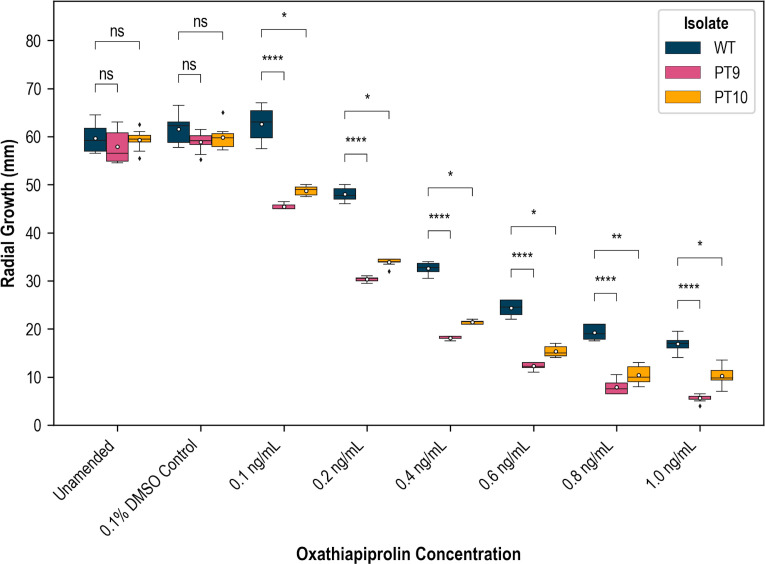 Figure 6
Peer Reviews
No public reviews on file for this paper yet. If you reviewed it on a platform where reviews are public (OpenReview, ICLR, NeurIPS, ICML), you can paste yours below so the community can read it here.
Videos
No videos yet. Explain this paper in a talk, walkthrough, or lecture? Add one.
Taxonomy
TopicsCRISPR and Genetic Engineering · Plant-Microbe Interactions and Immunity · Plant Virus Research Studies