Immunoproteomic approach identifies a putative virulence chaperone DnaK protein as a candidate diagnostic marker and therapeutic target for Pythium insidiosum infection
Chalisa Jaturapaktrarak, Pattarana Sae-Chew, Thidarat Rujirawat, Onrapak Reamtong, Theerapong Krajaejun

TL;DR
This study identifies a protein called DnaK in Pythium insidiosum that could help diagnose and treat pythiosis, a severe infectious disease.
Contribution
The study introduces a chaperone DnaK protein as a novel diagnostic marker and therapeutic target for pythiosis.
Findings
Fifteen synthesized proteins from P. insidiosum were tested, with only four showing significant immunoreactivity.
S01, identified as a chaperone DnaK protein, showed the highest diagnostic potential.
DnaK is linked to host immunity modulation, pathogenesis, and drug resistance in fungi.
Abstract
Pythiosis, a severe infectious disease caused by the oomycete Pythium insidiosum, continues to cause high levels of morbidity and mortality in humans and animals worldwide. However, there is a need to improve the method for diagnosing and treating the disease, and a better understanding of the causative agent is crucial for such need. In this study, we focused on identifying immunoreactive proteins of P. insidiosum, which could serve as promising candidates for diagnostic markers and therapeutic targets. The pathogen crude extract was separated using 2-dimensional gel electrophoresis, and the proteins were analyzed with Western blotting using pythiosis patient sera. Through LC-MS/MS analysis, we identified 55 immunoreactive spots corresponding to 42 unique proteins. Fifteen of these proteins were selected for in vitro synthesis, resulting in proteins S01-S21 being generated directly…
Genes, proteins, chemicals, diseases, species, mutations and cell lines named across the full text — each resolved to its canonical identifier and authoritative record.
Click any figure to enlarge with its caption.
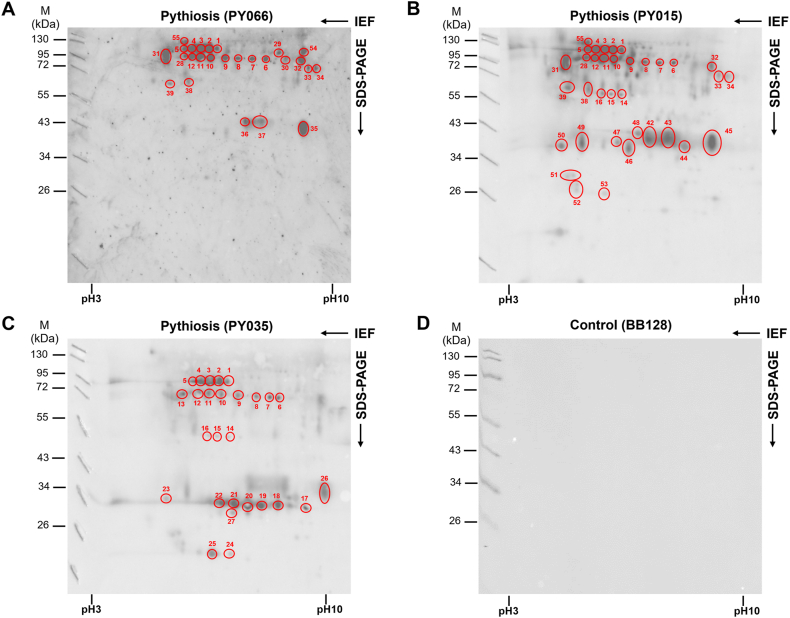 Figure 1
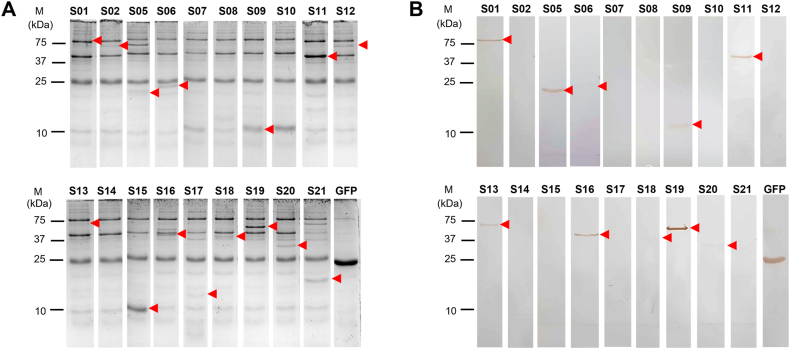 Figure 2
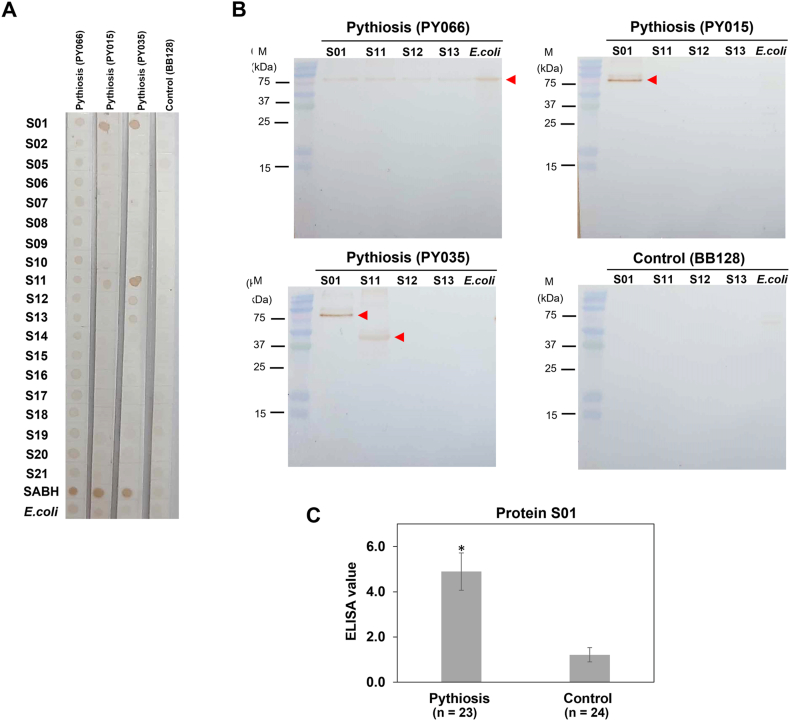 Figure 3
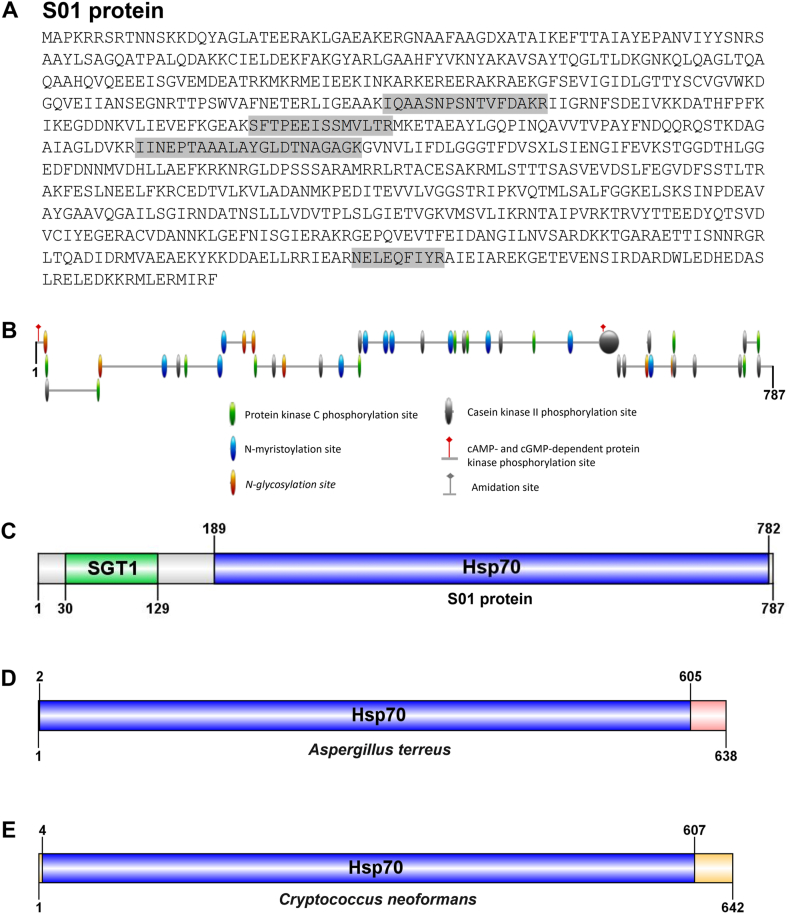 Figure 4
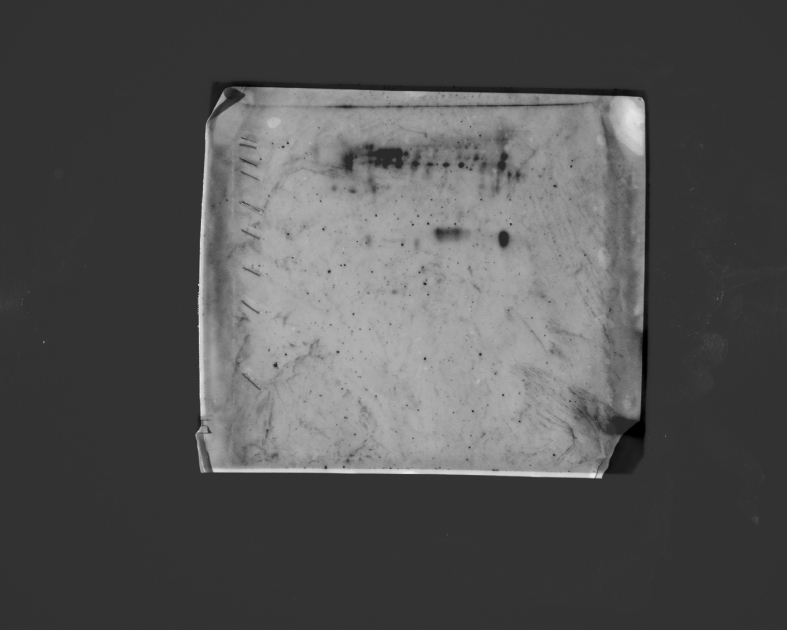 Figure 5
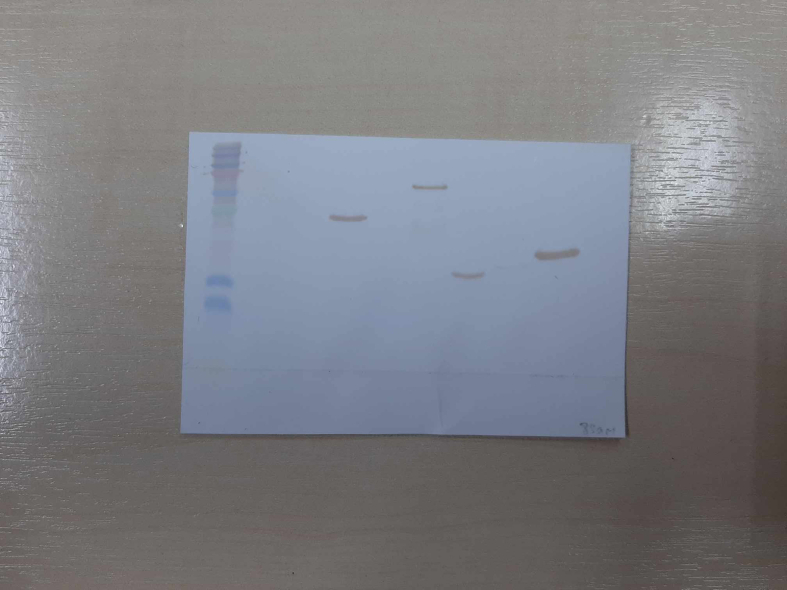 Figure 6
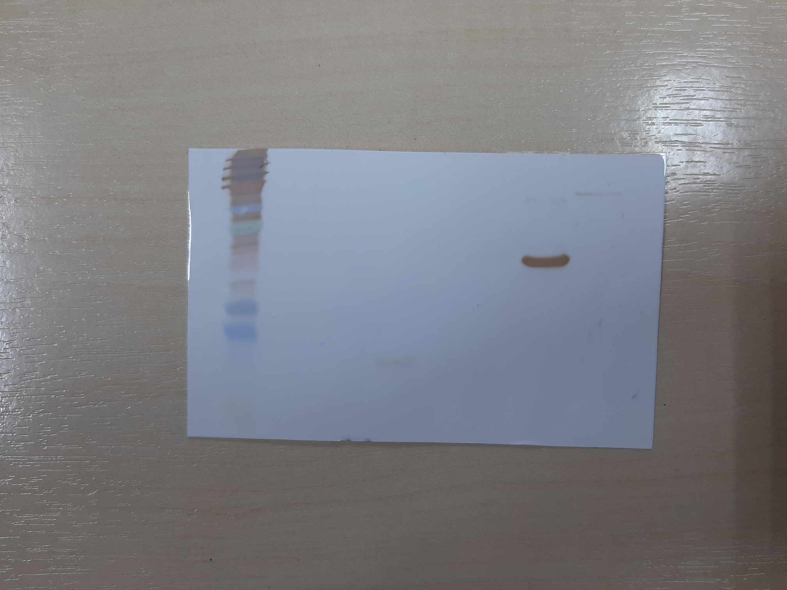 Figure 7
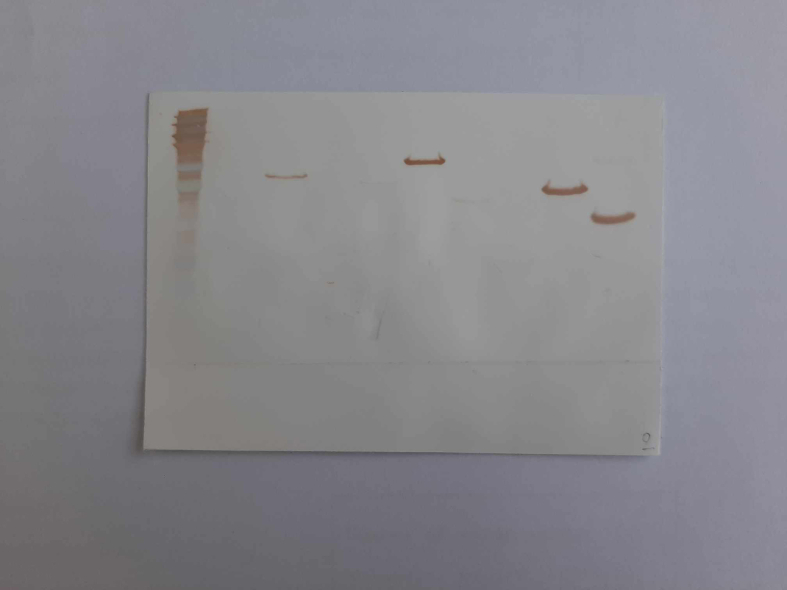 Figure 8
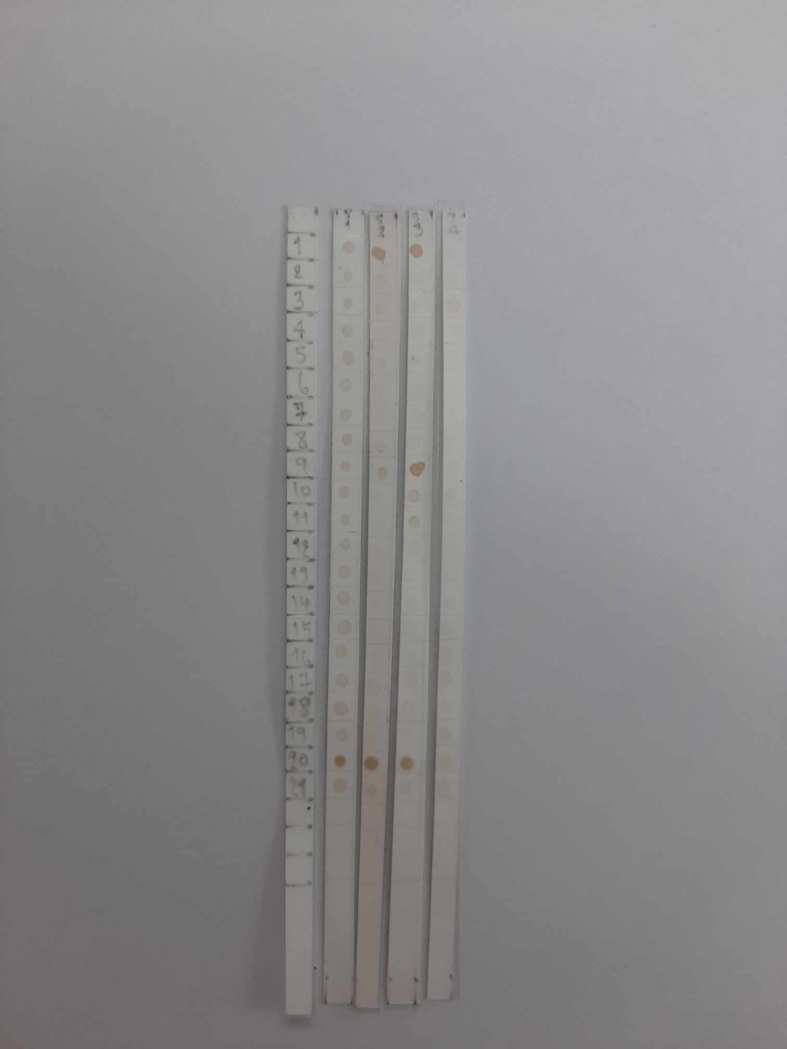 Figure 9
 Figure 10
 Figure 11
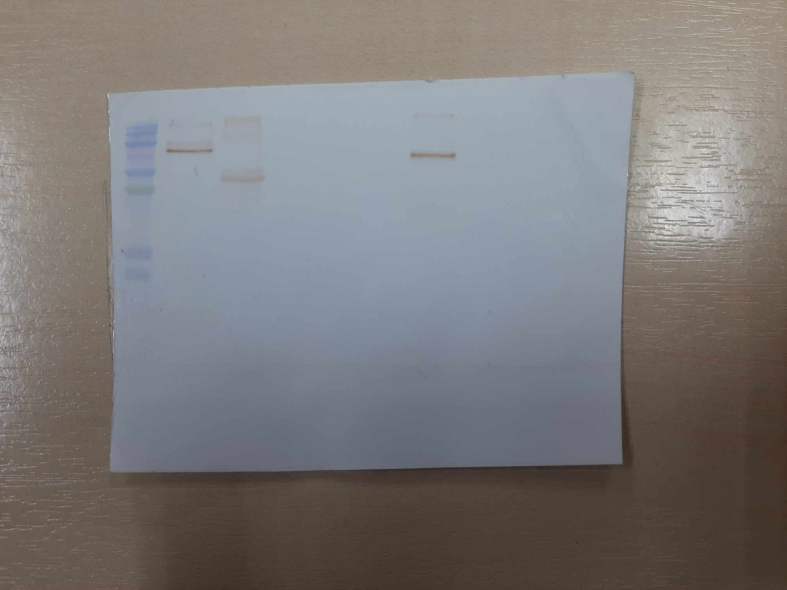 Figure 12
 Figure 13
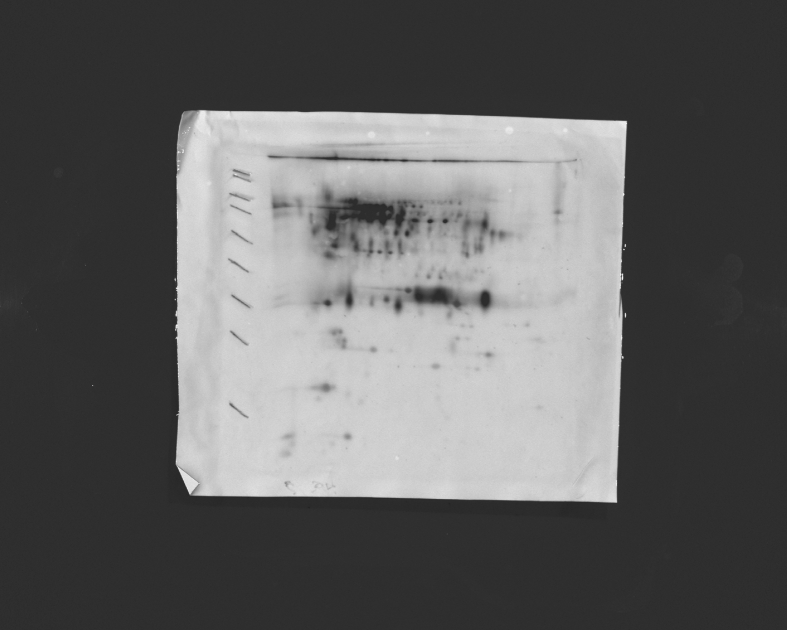 Figure 14
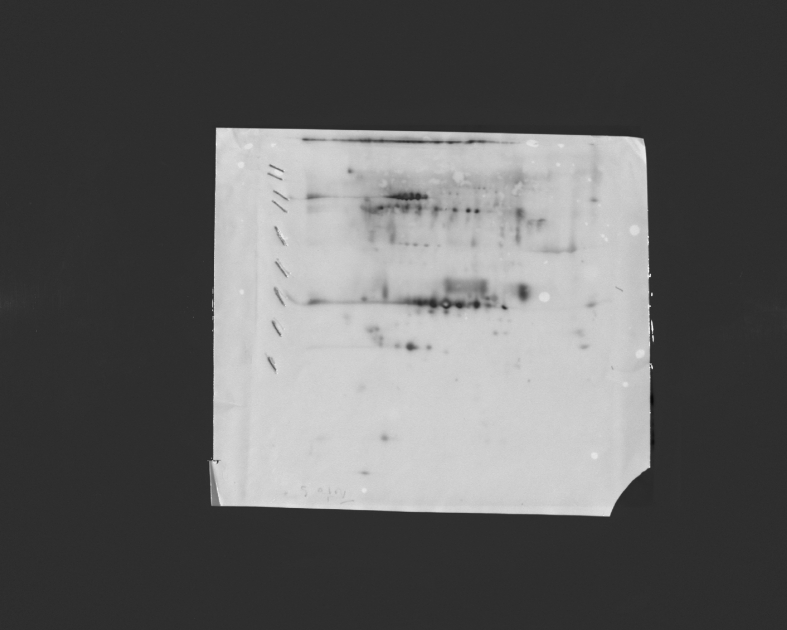 Figure 15
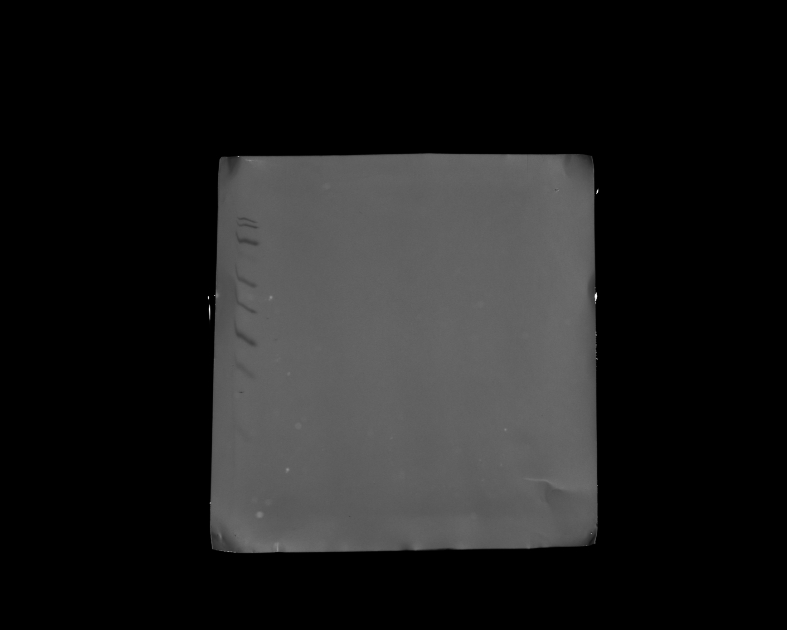 Figure 16
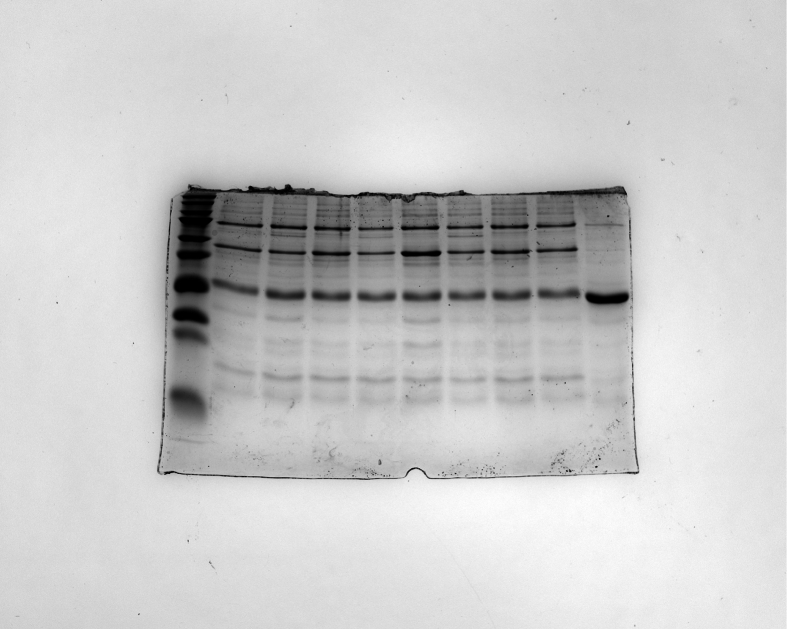 Figure 17
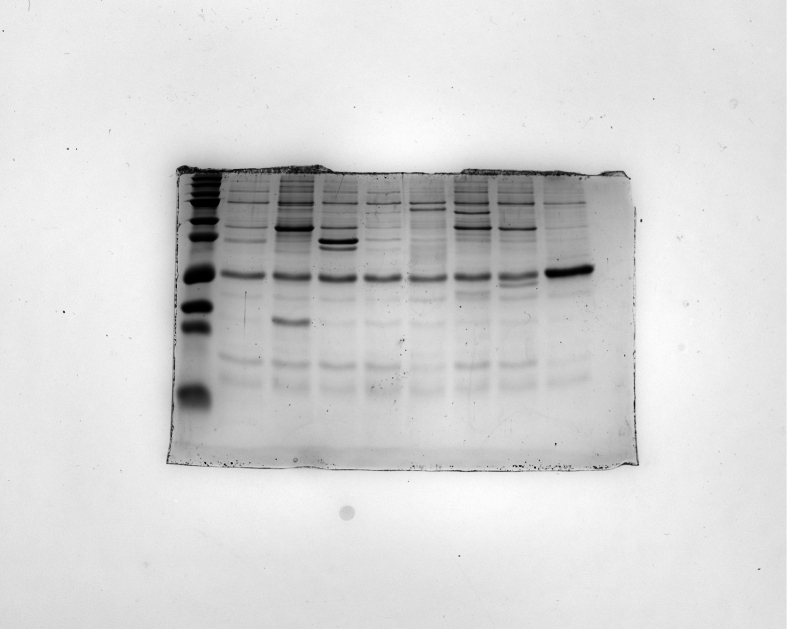 Figure 18
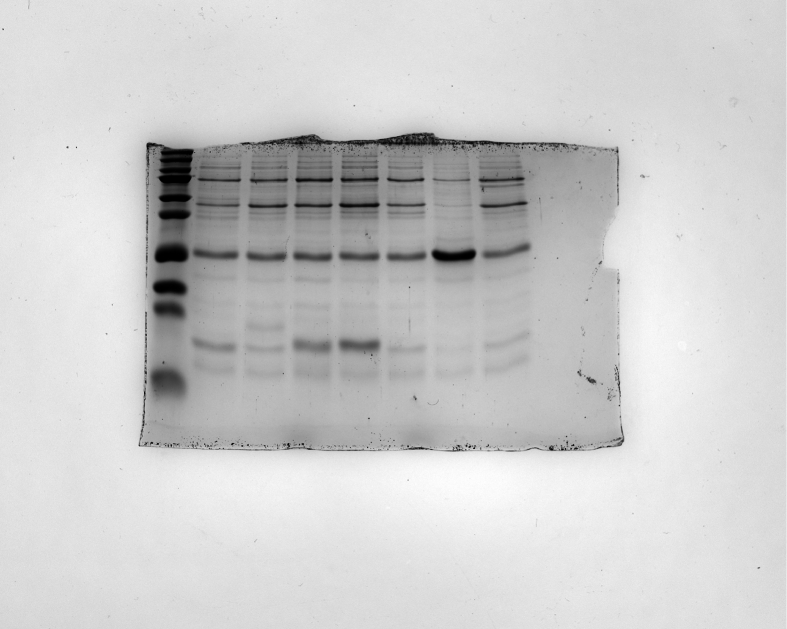 Figure 19
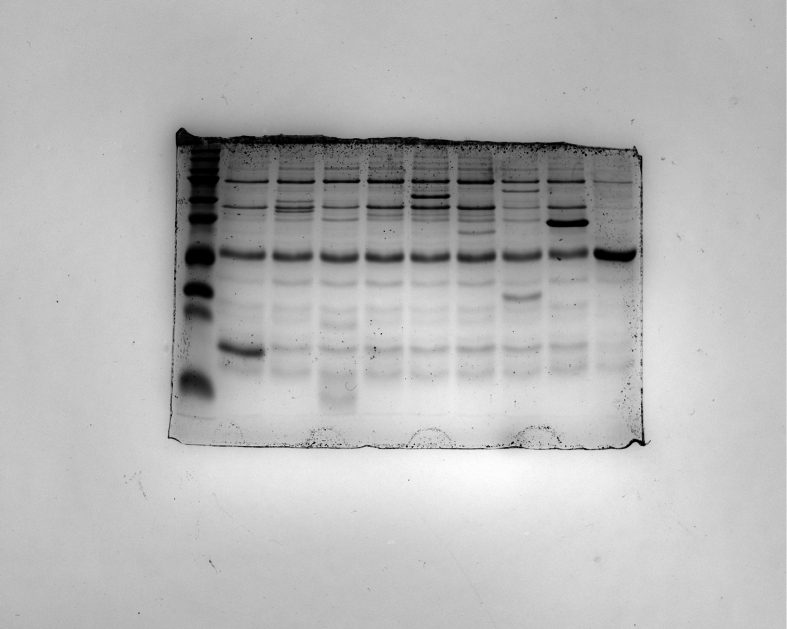 Figure 20
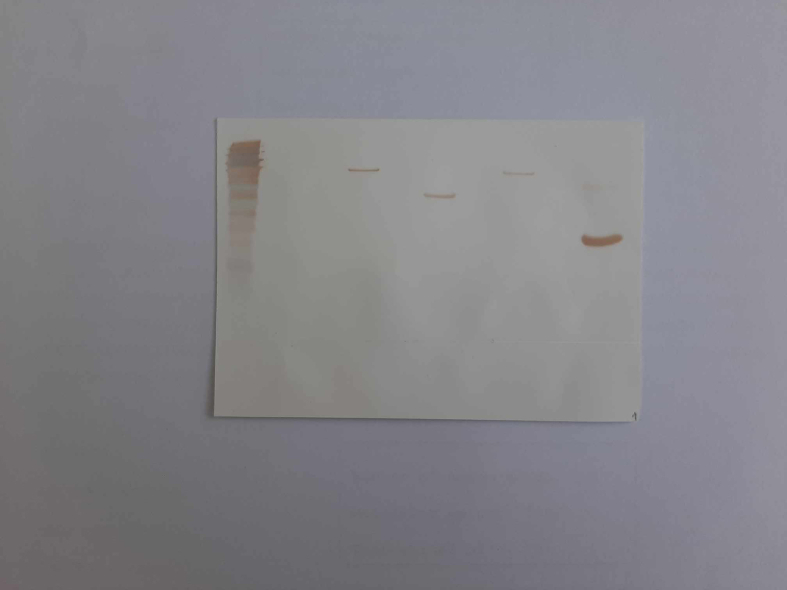 Figure 21
Peer Reviews
No public reviews on file for this paper yet. If you reviewed it on a platform where reviews are public (OpenReview, ICLR, NeurIPS, ICML), you can paste yours below so the community can read it here.
Videos
No videos yet. Explain this paper in a talk, walkthrough, or lecture? Add one.
Taxonomy
TopicsInfectious Diseases and Mycology · Mycobacterium research and diagnosis · Myxozoan Parasites in Aquatic Species