Trichocystatin-2 from Trichomonas vaginalis: role of N-terminal cysteines in aggregation, protease inhibition, and trichomonal cysteine protease-dependent cytotoxicity on HeLa cells
Verónica Aranda-Chan, Montserrat Gutiérrez-Soto, Claudia Ivonne Flores-Pucheta, Octavio Montes-Flores, Rossana Arroyo, Jaime Ortega-López

TL;DR
This study investigates how specific cysteine residues in a protein from a parasitic protozoan affect its structure and function, particularly in relation to its role in disease.
Contribution
The study identifies the role of four N-terminal cysteines in the aggregation and protease inhibition activity of Trichocystatin-2 from Trichomonas vaginalis.
Findings
N-terminal cysteines are crucial for TC-2 multimer formation and papain inhibition.
Deleting N-terminal cysteines reduces aggregation but does not affect inhibition of trichomonal proteases.
TC-2 remains a promising therapeutic target for trichomoniasis.
Abstract
Trichomonas vaginalis is a protozoan parasite that causes trichomoniasis, the most common nonviral neglected sexually transmitted disease worldwide. Biomarkers and therapeutic targets, including specific trichomonad cysteine proteases (CPs) and their endogenous inhibitors, have been identified to diagnose and treat this disease. Trichocystatin 2 (TC-2) was previously identified as one of the three endogenous inhibitors of the parasite’s cathepsin L-like CPs, including TvCP39, which is involved in T. vaginalis cytotoxicity and is a potential therapeutic target. TC-2 contains five cysteines, including four located in the N-terminal sequence. These cysteines may be responsible for the formation of multimers of the recombinant protein expressed in E. coli. To determine whether these cysteines are responsible for the formation of TC-2 multimers and the effect of the N-terminus on CP…
Genes, proteins, chemicals, diseases, species, mutations and cell lines named across the full text — each resolved to its canonical identifier and authoritative record.
Click any figure to enlarge with its caption.
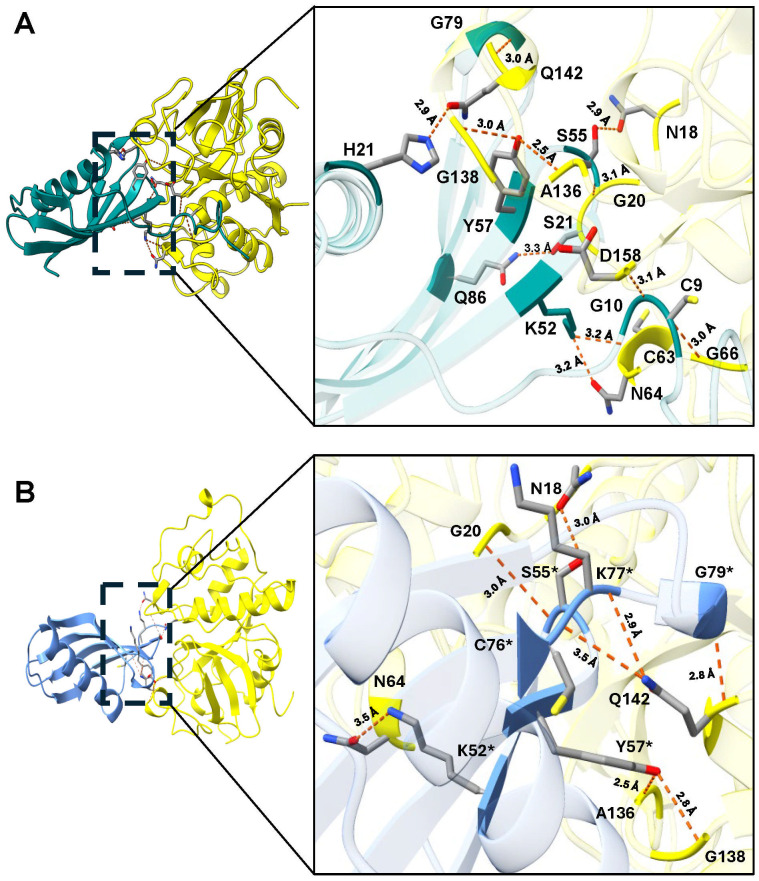 Figure 1
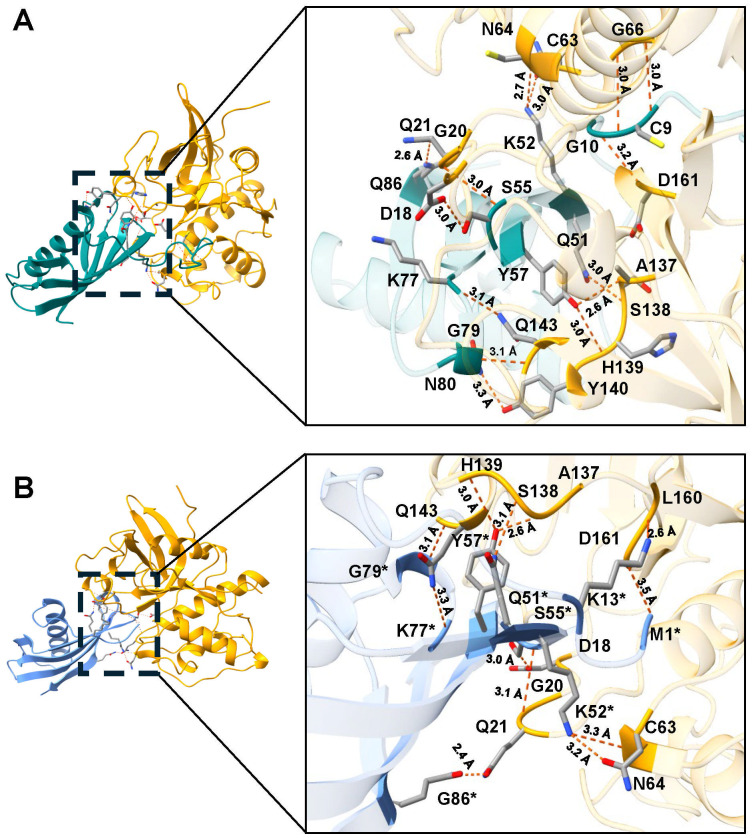 Figure 2
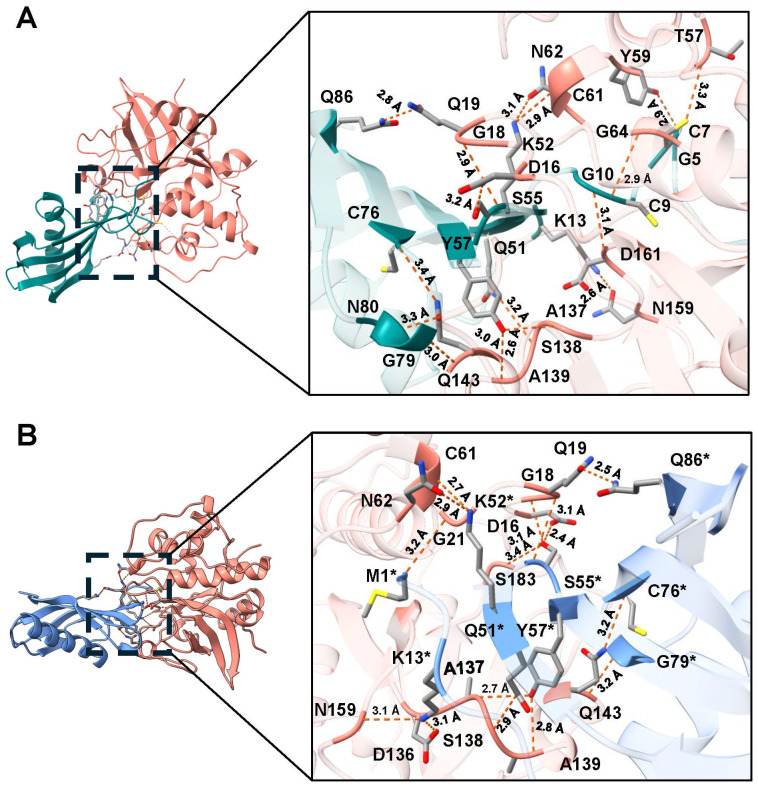 Figure 3
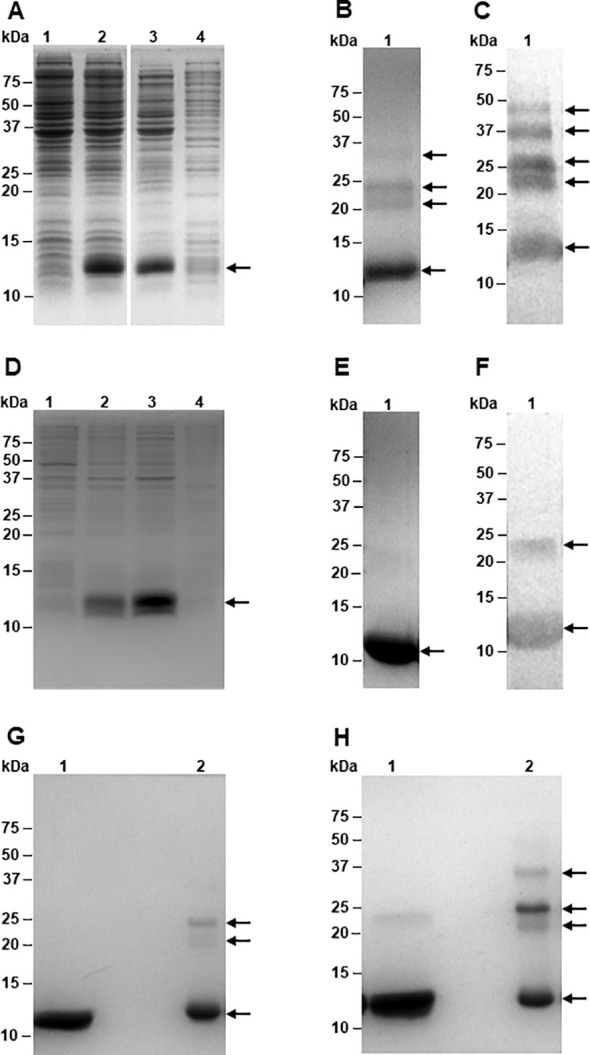 Figure 4
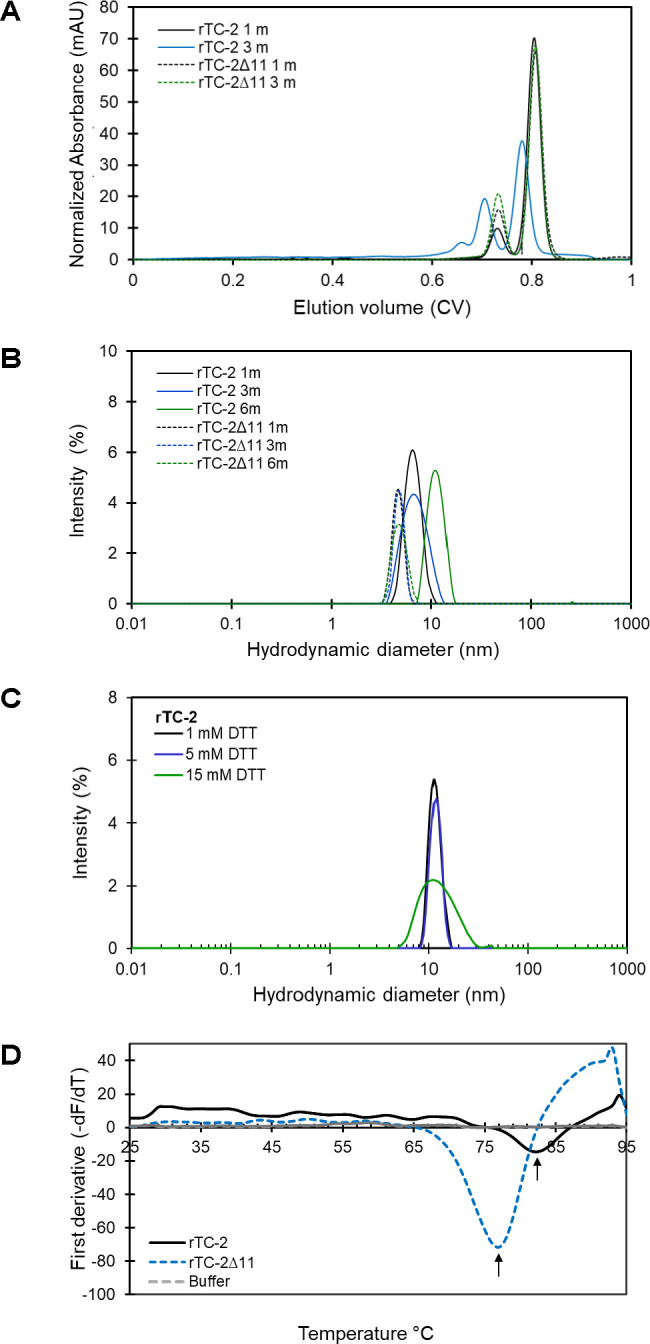 Figure 5
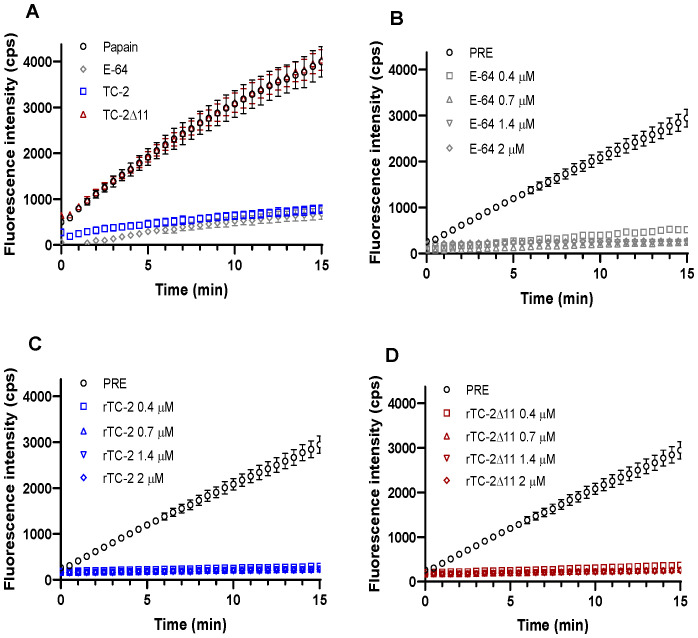 Figure 6
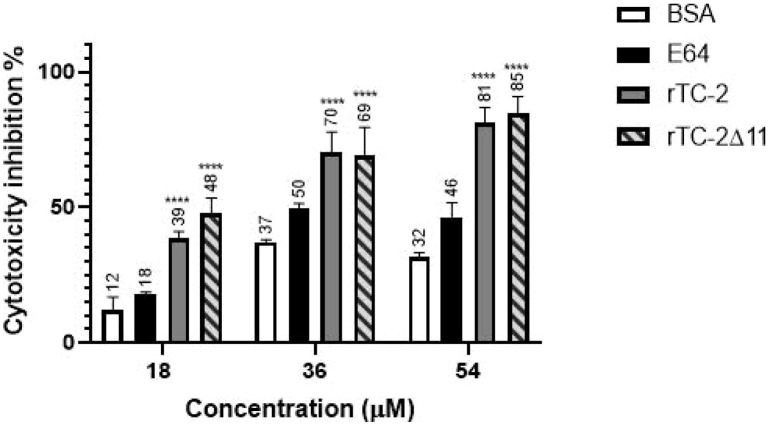 Figure 7
Peer Reviews
No public reviews on file for this paper yet. If you reviewed it on a platform where reviews are public (OpenReview, ICLR, NeurIPS, ICML), you can paste yours below so the community can read it here.
Videos
No videos yet. Explain this paper in a talk, walkthrough, or lecture? Add one.
Taxonomy
TopicsReproductive tract infections research · Antimicrobial Peptides and Activities · Bee Products Chemical Analysis