A Case Report of Pheochromocytoma Presenting With a Tongue Sign Indicative of Blood Deficiency
Rinne Shimizu, Akihiro Asakawa, Hajime Suzuki, Marie Amitani, Keiko Kawano, Haruka Amitani, Marie Hirahara, Keisuke Matsushita, Yousuke Horikiri, Oki Toshimichi, Yoshihiko Nishio, Koji Yonemori

TL;DR
A rare case of pheochromocytoma presented with unusual tongue signs linked to blood deficiency, highlighting the importance of integrating traditional and modern medicine for accurate diagnosis.
Contribution
This case report highlights a novel connection between pheochromocytoma and tongue signs of blood deficiency due to sympathetic hyperactivity.
Findings
The patient's tongue showed signs of blood deficiency due to peripheral vasoconstriction from sympathetic hyperactivity.
Treatment with Kampo medicine showed partial improvement but did not resolve the underlying pheochromocytoma.
Integration of Kampo and Western diagnostic methods led to the correct diagnosis of pheochromocytoma.
Abstract
Pheochromocytoma is a rare neuroendocrine tumor presenting with varied clinical symptoms. We present a unique case of pheochromocytoma in a 46-year-old male who developed paroxysmal palpitations, headaches, and elevated blood pressure. Notably, his tongue showed atypical signs of blood deficiency (pale white, thin, and emaciated appearance), which we attributed to peripheral vasoconstriction from sympathetic hyperactivity. His pulse and abdominal findings aligned with qi counterflow in Kampo medicine (traditional Japanese herbal medicine). Despite treatment with Saikokaryukotsuboreito, a traditional herbal formula prescribed to address qi counterflow, only partial improvement of neuropsychiatric symptoms was observed. Further evaluation by an endocrinology specialist confirmed the diagnosis of pheochromocytoma through advanced diagnostic modalities, including scintigraphy.…
Genes, proteins, chemicals, diseases, species, mutations and cell lines named across the full text — each resolved to its canonical identifier and authoritative record.
Click any figure to enlarge with its caption.
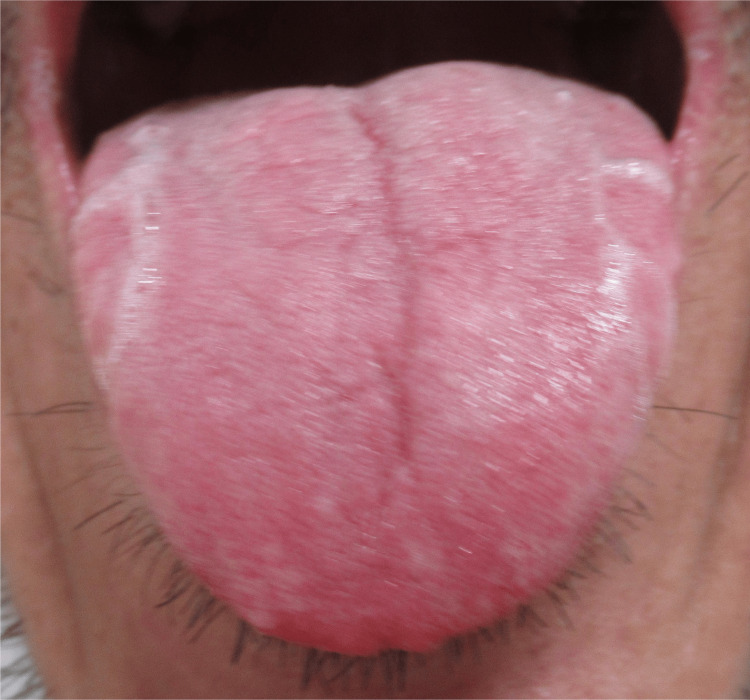 Figure 1
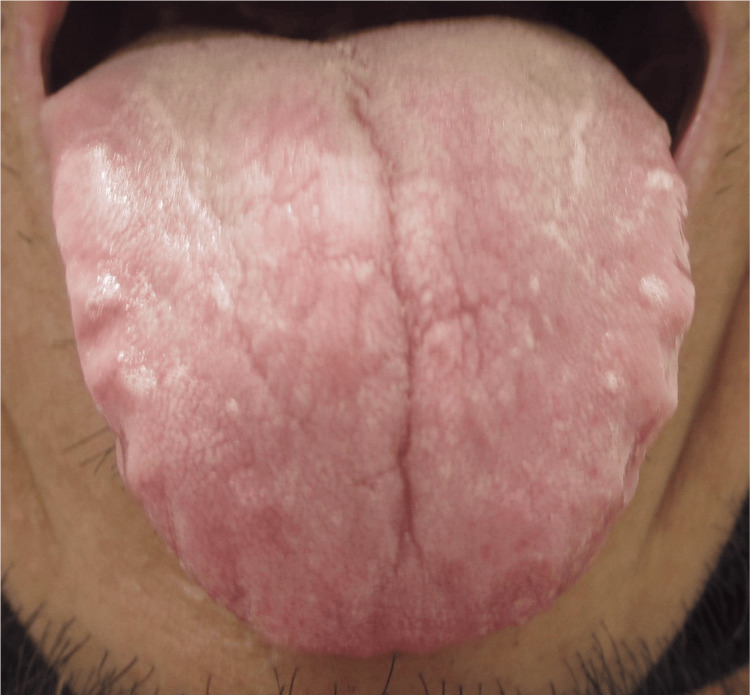 Figure 2
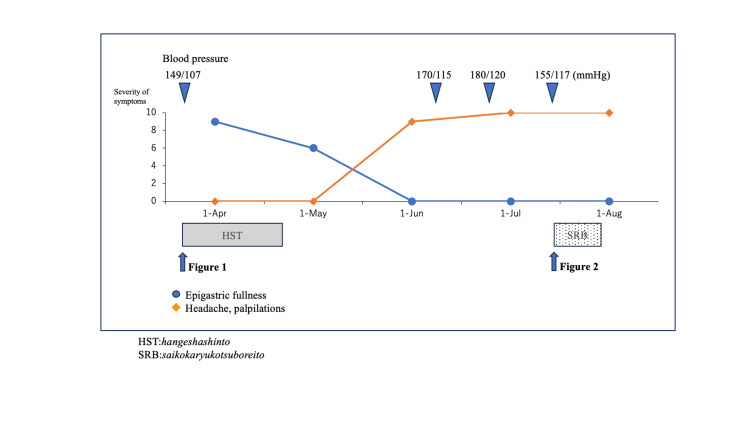 Figure 3
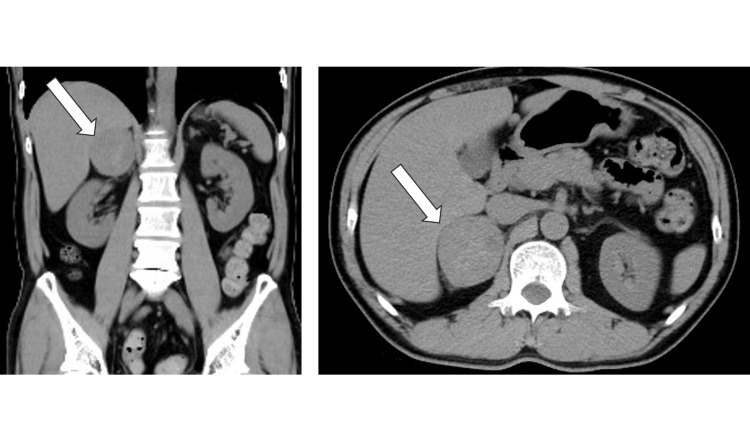 Figure 4
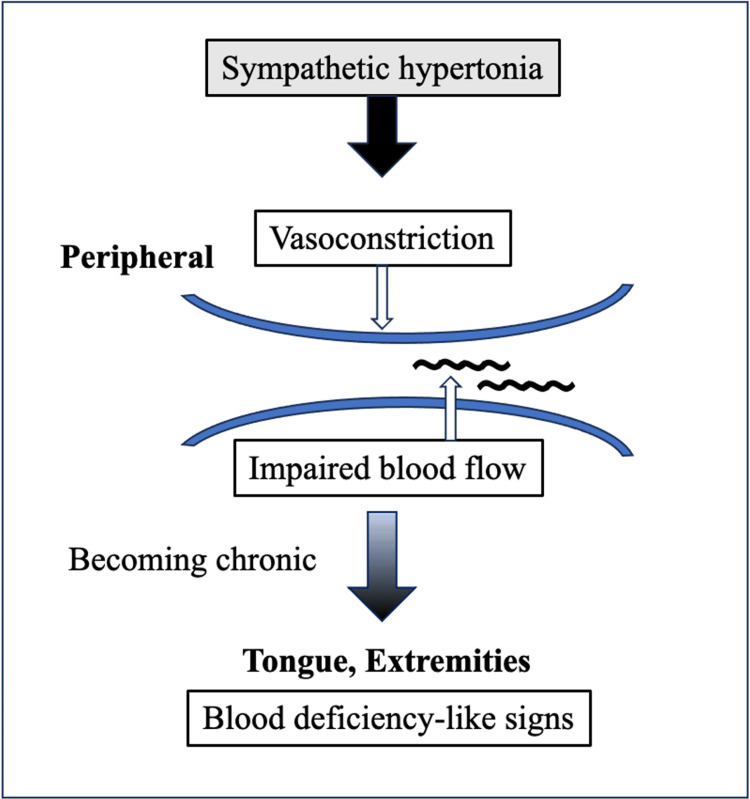 Figure 5
Peer Reviews
No public reviews on file for this paper yet. If you reviewed it on a platform where reviews are public (OpenReview, ICLR, NeurIPS, ICML), you can paste yours below so the community can read it here.
Videos
No videos yet. Explain this paper in a talk, walkthrough, or lecture? Add one.
Taxonomy
TopicsAdrenal and Paraganglionic Tumors · Cancer, Hypoxia, and Metabolism · Pituitary Gland Disorders and Treatments