Running Reverses Chronic Stress‐Induced Changes in Serotonergic Modulation of Hippocampal Granule Cells and Altered Behavioural Responses
Carmen Soto, Lazaro P. Orihuela, Grego Apostol, Carmen Vivar

TL;DR
Running helps reverse the effects of chronic stress on brain cells linked to anxiety and depression, suggesting new treatment targets.
Contribution
Running reverses chronic stress-induced changes in serotonergic modulation of hippocampal granule cells and behavioral responses.
Findings
Chronic restraint stress alters serotonergic modulation of granule cell excitability.
Running recovers 5-HT1A receptor activity lost due to chronic stress.
Running promotes indirect modulation of granule cells through 5-HT3 receptor activation.
Abstract
Chronic stress increases susceptibility to anxiety and depression disorders, recurrent and common psychiatric conditions. Current antidepressant medications have varying degrees of efficacy and often have multiple side effects limiting treatment adherence. Physical exercise has beneficial effects on stress‐related mental disorders. However, the underlying mechanisms are unclear. Dentate gyrus granule cells (GCs) excitability may mediate stress resilience. Here, we expose young adult C57Bl6 mice to chronic restraint stress (CRS) for 14 days followed by 30 days of running treatment. Behavioural evaluation before and after treatment showed that the behavioural alterations elicited by CRS were mitigated by running. Next, we evaluated serotonergic modulation of GC excitability, as a potential mechanism underlying running‐induced stress resilience. Electrophysiological recordings indicate…
Genes, proteins, chemicals, diseases, species, mutations and cell lines named across the full text — each resolved to its canonical identifier and authoritative record.
Click any figure to enlarge with its caption.
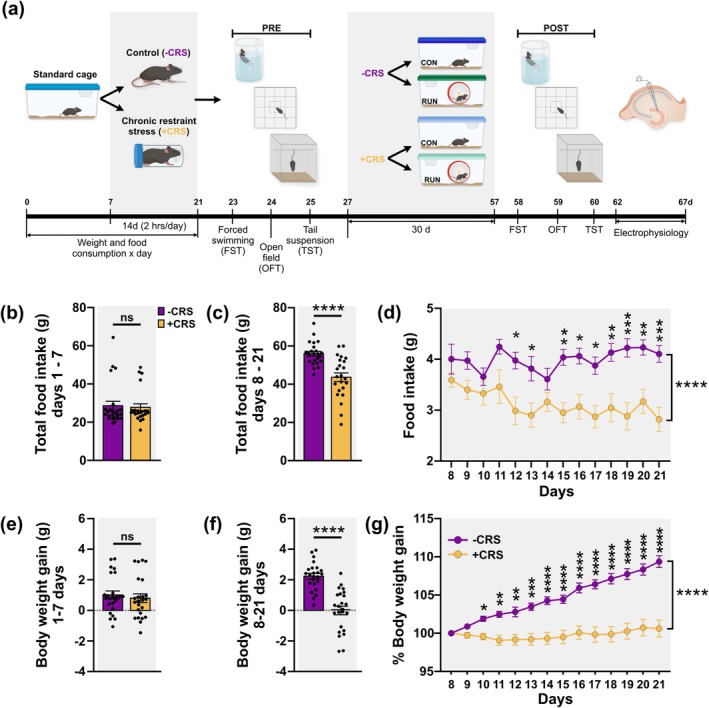 Figure 1
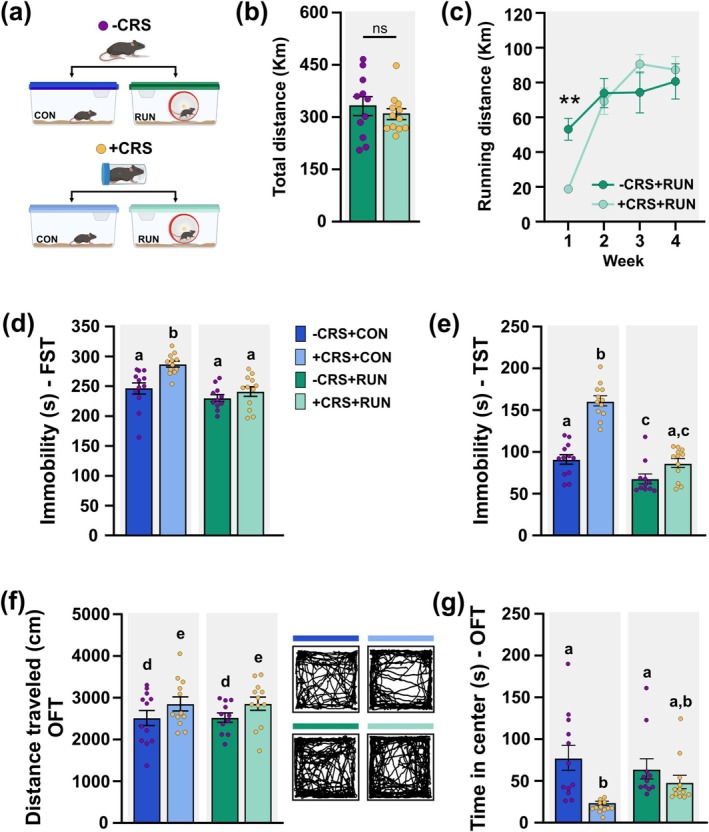 Figure 2
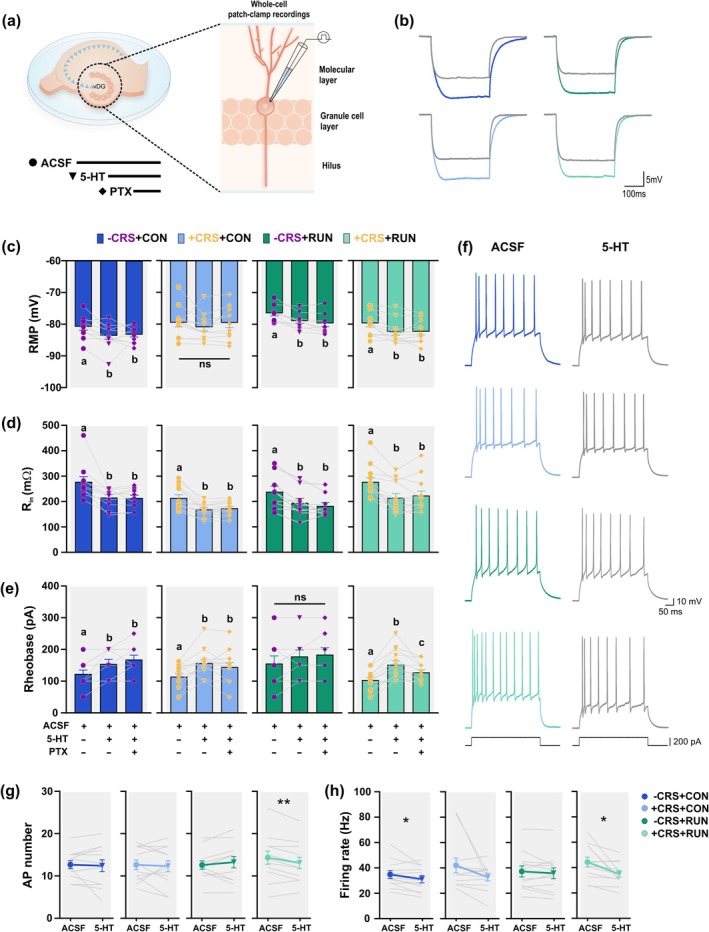 Figure 3
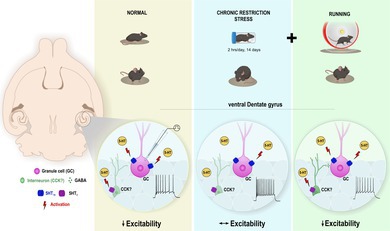 Figure 4
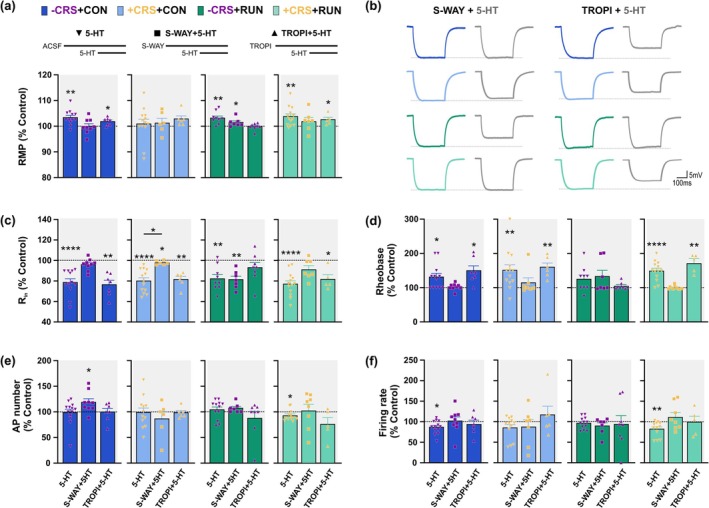 Figure 5
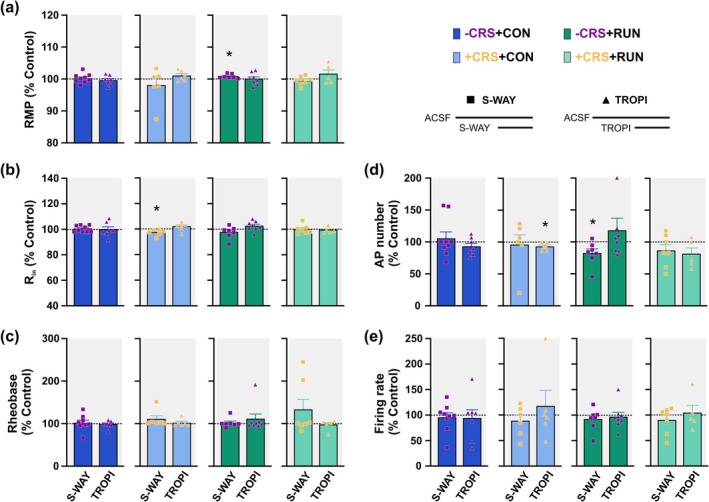 Figure 6
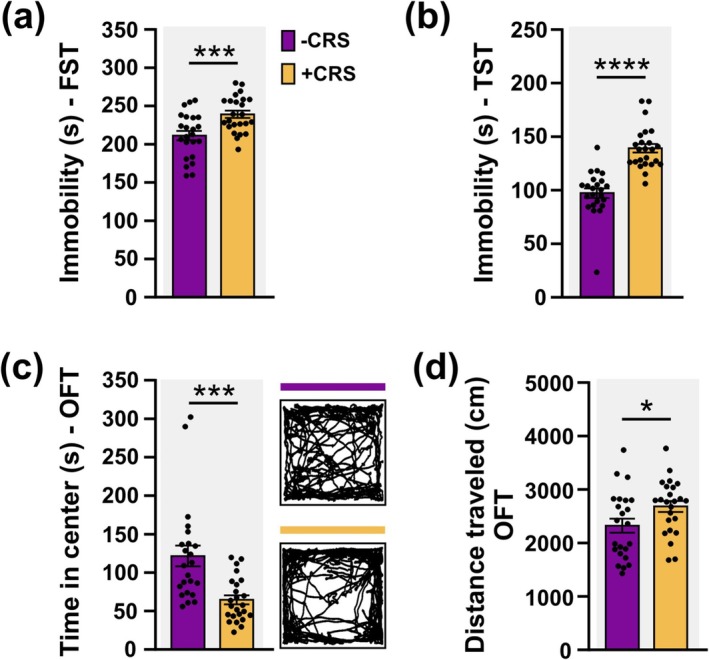 Figure 7
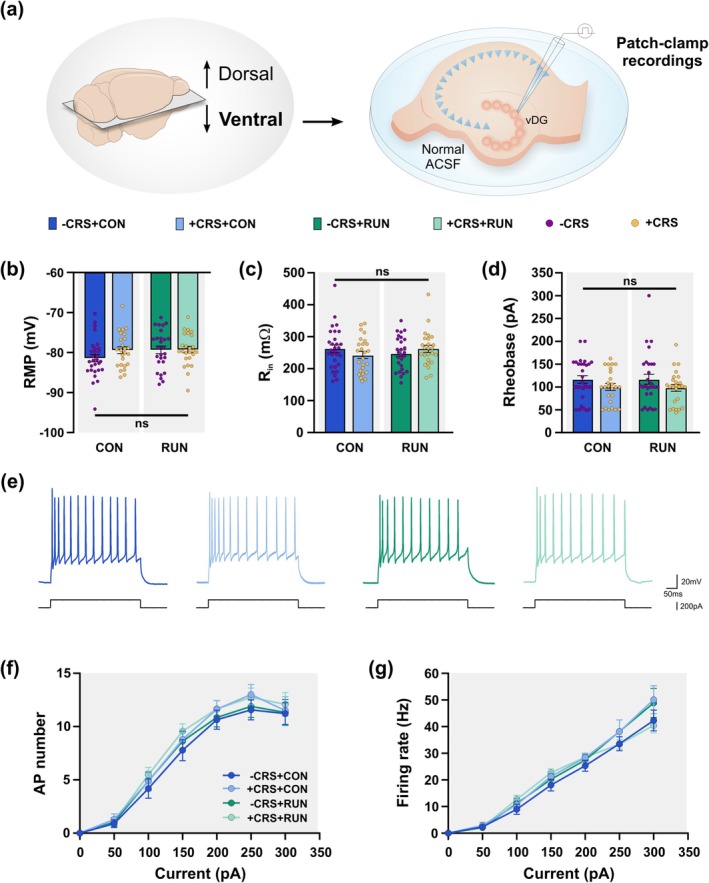 Figure 8
Peer Reviews
No public reviews on file for this paper yet. If you reviewed it on a platform where reviews are public (OpenReview, ICLR, NeurIPS, ICML), you can paste yours below so the community can read it here.
Videos
No videos yet. Explain this paper in a talk, walkthrough, or lecture? Add one.
Taxonomy
TopicsStress Responses and Cortisol · Tryptophan and brain disorders · Neuroendocrine regulation and behavior