Pilot study of the Greek Interventional Geriatric Initiative to Prevent Cognitive Impairment and Disability in individuals with subjective cognitive decline: paving the way towards brain health clinics in Greece
Panagiotis Alexopoulos, Panagiotis Felemegkas, Xanthi Arampatzi, Evdokia Billis, Eleni Dimakopoulou, Polychronis Economou, George A. Dimakopoulos, Themis P. Exarchos, Maria Frounta, Parthenia Giannakopoulou, Kalliopi Kalaitzi, Maria - Lamprini Koula, Eftyhia Nastou

TL;DR
This pilot study tests a multi-level dementia risk reduction program for people with subjective cognitive decline in Greece, aiming to improve brain health and prevent disability.
Contribution
The study introduces a novel, precision-medicine-based, multi-disciplinary intervention targeting dementia risk factors in individuals with subjective cognitive decline.
Findings
The GINGER protocol successfully screens and intervenes on multiple dementia risk domains in older adults.
Feasibility of the multi-level intervention is evaluated across multiple centers in Greece.
The study lays the groundwork for establishing brain health clinics based on evidence from the pilot.
Abstract
The pilot phase of the Greek Interventional Geriatric Initiative to Prevent Cognitive Impairment and Disability (GINGER) aims to assess the feasibility of a multi-level dementia risk reduction intervention in individuals with subjective cognitive decline (SCD) over a six-month period. The study design incorporates a comprehensive set of trans-disciplinary assessments and interventions in multiple centers across Greece. Individuals 55 years or older with subjective cognitive complaints who do not fulfill criteria for either mild cognitive impairment or dementia are screened for dementia risk factors in the following domains: nutrition, physical activities, vision and hearing, vascular and metabolic parameters, anxiety and depressive symptoms, and insomnia. All GINGER participants receive a cognitive empowerment intervention. Using a precision medicine approach, they receive up to three…
Genes, proteins, chemicals, diseases, species, mutations and cell lines named across the full text — each resolved to its canonical identifier and authoritative record.
Click any figure to enlarge with its caption.
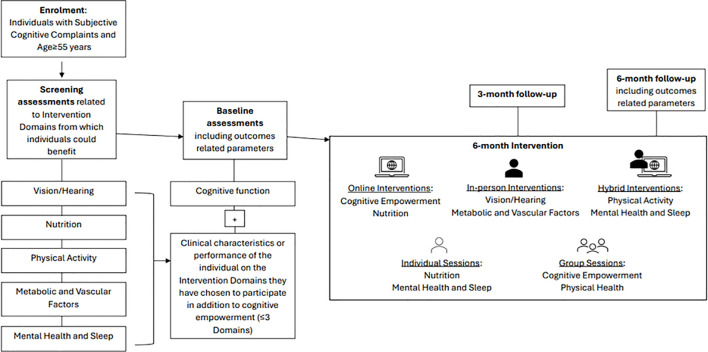 Figure 1
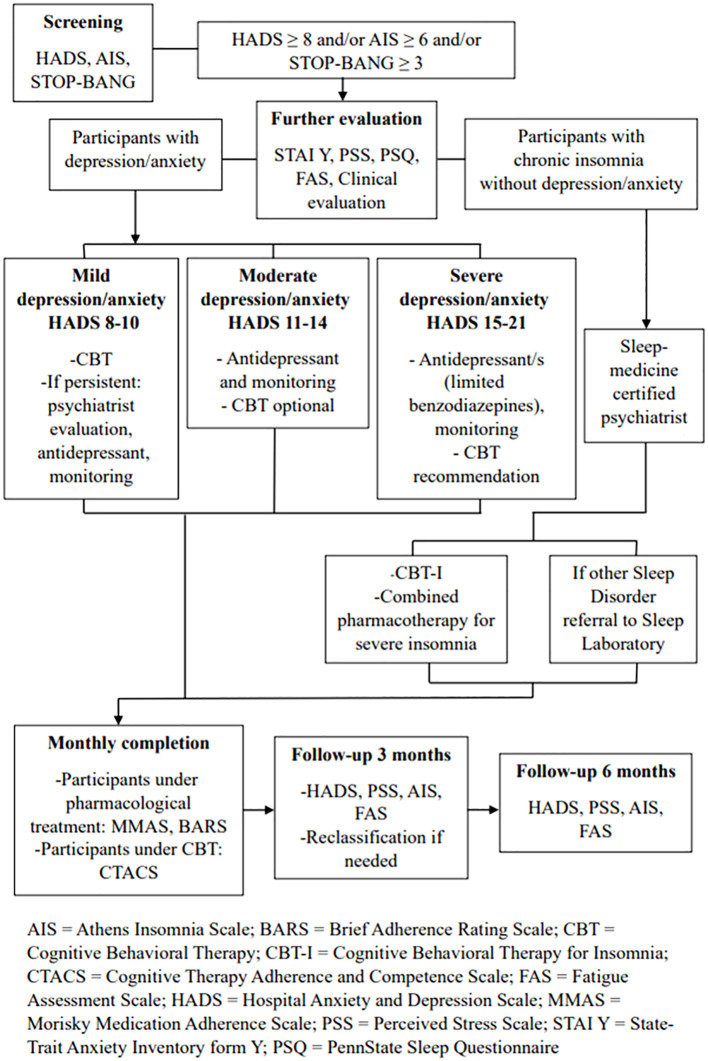 Figure 2
 Figure 3
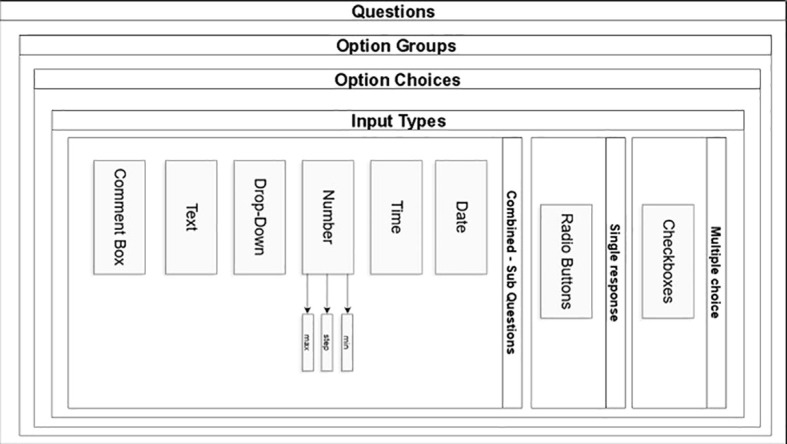 Figure 4
Peer Reviews
No public reviews on file for this paper yet. If you reviewed it on a platform where reviews are public (OpenReview, ICLR, NeurIPS, ICML), you can paste yours below so the community can read it here.
Videos
No videos yet. Explain this paper in a talk, walkthrough, or lecture? Add one.
Taxonomy
TopicsDementia and Cognitive Impairment Research · Frailty in Older Adults · Aging, Elder Care, and Social Issues