Children’s perspectives on sugary snacks through elicitation techniques – repertory grid and generative method
Linglin Liang, Yue Yu

TL;DR
This study explores how children in China perceive sugary snacks using two methods and finds that each method elicits different types of responses, helping improve nutrition education.
Contribution
The study introduces and compares two child-centered methods for eliciting children’s perceptions of sugary snacks, revealing their strengths and limitations.
Findings
Children showed limited understanding of sugar's functions and cultural significance.
RGT elicited more product attributes than GM, with a balanced mix of concrete and abstract attributes.
GM generated more abstract and novel ideas but required more cognitive effort.
Abstract
Sugary snacks are prevalent in children’s daily lives and may impact their diet positively or negatively, yet few studies explore children’s perceptions and attitudes of these foods from their daily experiences in China. This study aims to (i) assess children’s perceptions and attitudes of sugary snacks and (ii) compare two child-centered elicitation techniques—Repertory Grid Technique (RGT) and Generative Method (GM)—based on Personal Construct Theory (PCT). A qualitative study was conducted with 31 children (6–10 years old) in Hangzhou and Fuzhou, China. Children participated in RGT (dichotomous comparisons using product cards) and GM (creative expression through drawing/clay) in one-on-one sections. The output of the task was analyzed for thematic analysis and descriptive statistics. Themes identified included sensory, packaging, interaction, emotion, cognition, and socio-culture.…
Genes, proteins, chemicals, diseases, species, mutations and cell lines named across the full text — each resolved to its canonical identifier and authoritative record.
Click any figure to enlarge with its caption.
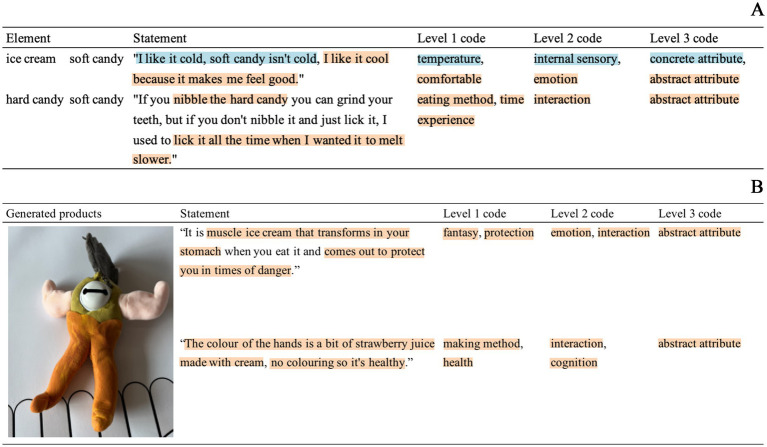 Figure 1
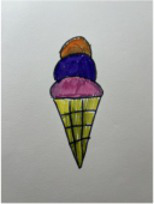 Figure 2
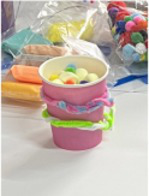 Figure 3
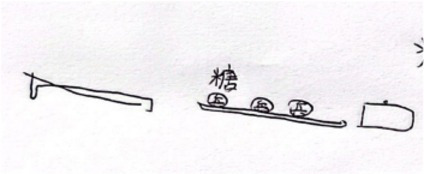 Figure 4
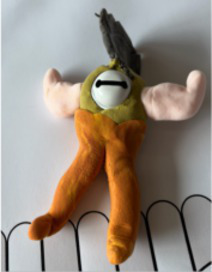 Figure 5
Peer Reviews
No public reviews on file for this paper yet. If you reviewed it on a platform where reviews are public (OpenReview, ICLR, NeurIPS, ICML), you can paste yours below so the community can read it here.
Videos
No videos yet. Explain this paper in a talk, walkthrough, or lecture? Add one.
Taxonomy
TopicsCognitive and psychological constructs research · Education Methods and Practices · Attention Economy in Education and Business