Characterizing HLA-A2-restricted CD8+ T-cell epitopes and immune responses to Omicron variants in SARS-CoV-2-inactivated vaccine recipients
Chanchan Xiao, Jian Xiang, Haoyun Wang, Wen Gao, Tianchan Peng, Shumin Li, Jun Su, Xi Chen, Lijuan Gao, Ruohu Shi, Xinyi Mou, Jun Yuan, Guobing Chen

TL;DR
This study examines how the Omicron variant of SARS-CoV-2 evades CD8 T-cell responses and identifies conserved epitopes that could help in vaccine design.
Contribution
The study identifies conserved HLA-A2-restricted CD8 T-cell epitopes in the Omicron variant and shows how booster doses enhance immune responses.
Findings
Mutant epitopes in Omicron reduce antigen presentation and CD8 T-cell reactivity.
An S protein epitope (67A>V) shows conserved CD8 T-cell specificity between ancestral and mutant strains.
Booster doses of inactivated vaccine increase epitope-specific CD8 T-cell responses.
Abstract
Recent surveillance has identified the emergence of the SARS-CoV-2 Omicron ariant, which exhibits the ability to evade multiple neutralizing antibodies generated by prior infection or vaccination. However, significant knowledge gaps remain regarding the CD8 T-cell immune reactivity to the Omicron variant. This study aims to evaluate the characteristics of HLA-A2-restricted CD8 T-cell epitopes from the Omicron variant and analyze epitope-specific CD8 T-cell responses to SARS-CoV-2 inactivated vaccines. We conducted a comprehensive analysis of CD8 T-cell responses to SARS-CoV-2 inactivated vaccines, focusing on HLA-A2-restricted epitopes derived from the Omicron variant. Mutant epitopes were evaluated for their impact on antigen presentation and CD8 T-cell immune reactivity. Additionally, we screened for epitopes that exhibited reduced CD8 T-cell responses following the emergence of the…
Genes, proteins, chemicals, diseases, species, mutations and cell lines named across the full text — each resolved to its canonical identifier and authoritative record.
Click any figure to enlarge with its caption.
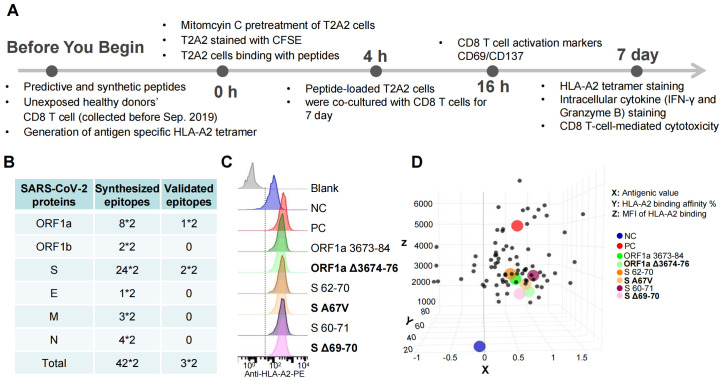 Figure 1
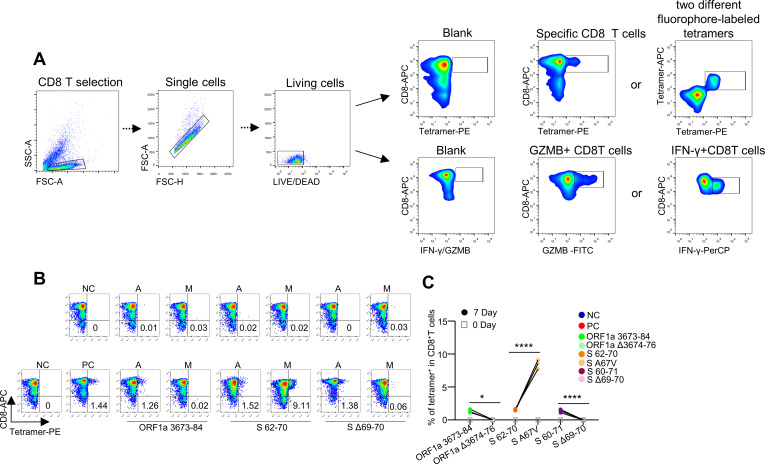 Figure 2
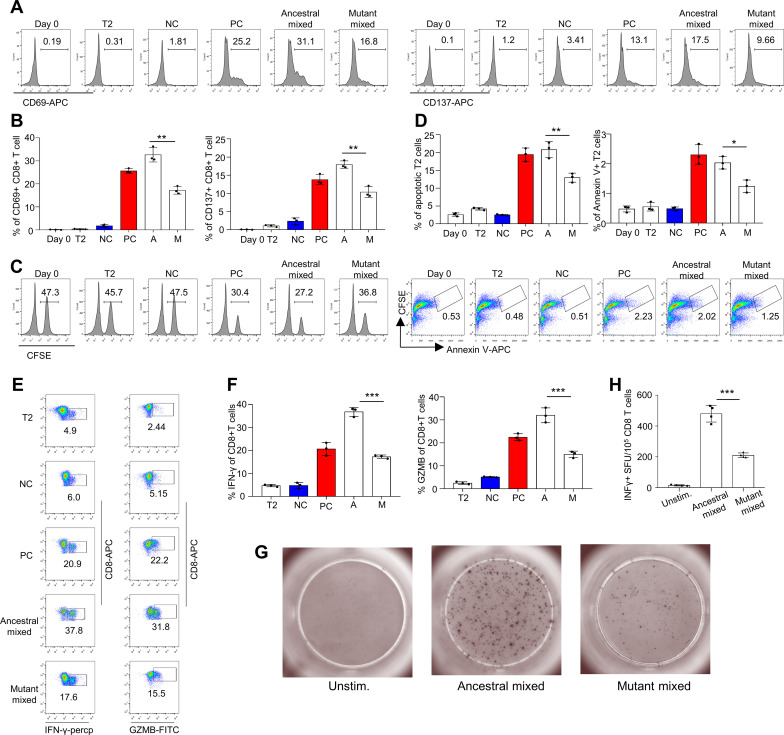 Figure 3
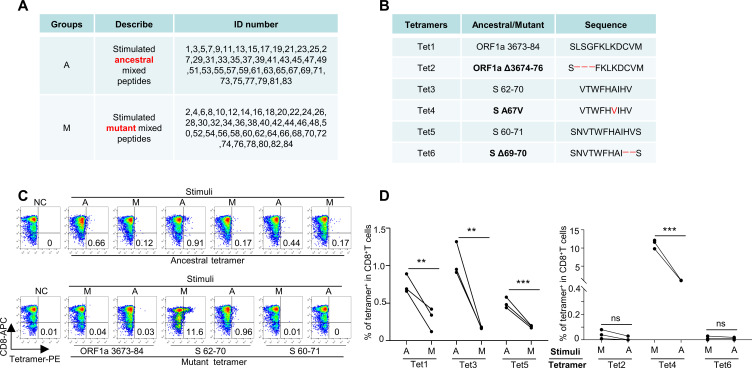 Figure 4
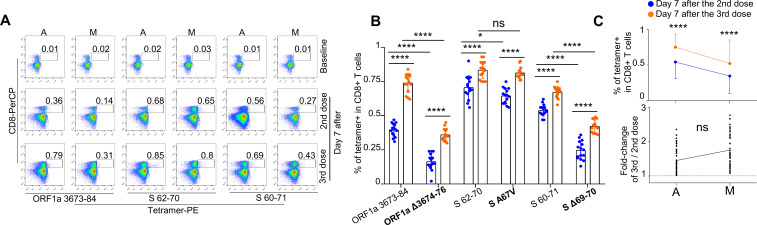 Figure 5
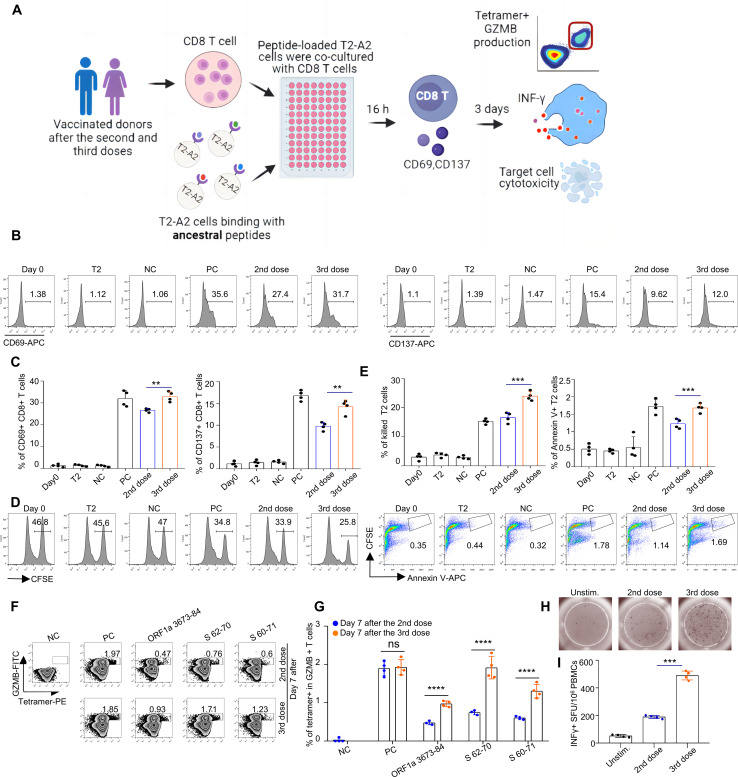 Figure 6
Peer Reviews
No public reviews on file for this paper yet. If you reviewed it on a platform where reviews are public (OpenReview, ICLR, NeurIPS, ICML), you can paste yours below so the community can read it here.
Videos
No videos yet. Explain this paper in a talk, walkthrough, or lecture? Add one.
Taxonomy
TopicsSARS-CoV-2 and COVID-19 Research · COVID-19 Clinical Research Studies · vaccines and immunoinformatics approaches