Changes in the excitability of the medial parabrachial nucleus neurons during the chronic phase of pilocarpine-induced epilepsy in mice
Jinyu Xiao, Yinghui Gu, Chunhua Quan, Shulei Li, Jianmin Liang

TL;DR
This study shows that brain cells in a specific area become more active during chronic epilepsy in mice, and a drug reduces this activity.
Contribution
The study reveals increased excitability of medial parabrachial nucleus neurons in chronic epilepsy and how sodium valproate can reduce it.
Findings
Medial parabrachial nucleus neurons in epileptic mice showed increased action potential firing.
Sodium valproate treatment significantly reduced neuronal excitability and astrocyte reactivity.
FosB and GFAP levels confirmed heightened neuronal activity and astrocyte response in chronic epilepsy.
Abstract
Epilepsy is a common and serious brain disorder that often co-occurs with sleep disturbances. Sodium valproate, a conventional antiepileptic drug, alleviates sleep disorders in patients with epilepsy; however, the exact underlying mechanism remains unclear. The medial parabrachial nucleus is a crucial brain structure that regulates sleep-phase transitions. However, its role in pathogenesis of epilepsy remains uncertain. Therefore, we aimed to investigate whether medial parabrachial nucleus excitability is elevated during the chronic phase of temporal lobe epilepsy and whether sodium valproate could alleviate the pathological changes associated with temporal lobe epilepsy by modulating neuronal excitability in the medial parabrachial nucleus. We used the whole-cell current clamp technique to investigate the excitability of the medial parabrachial nucleus in a mouse chronic epilepsy…
Genes, proteins, chemicals, diseases, species, mutations and cell lines named across the full text — each resolved to its canonical identifier and authoritative record.
Click any figure to enlarge with its caption.
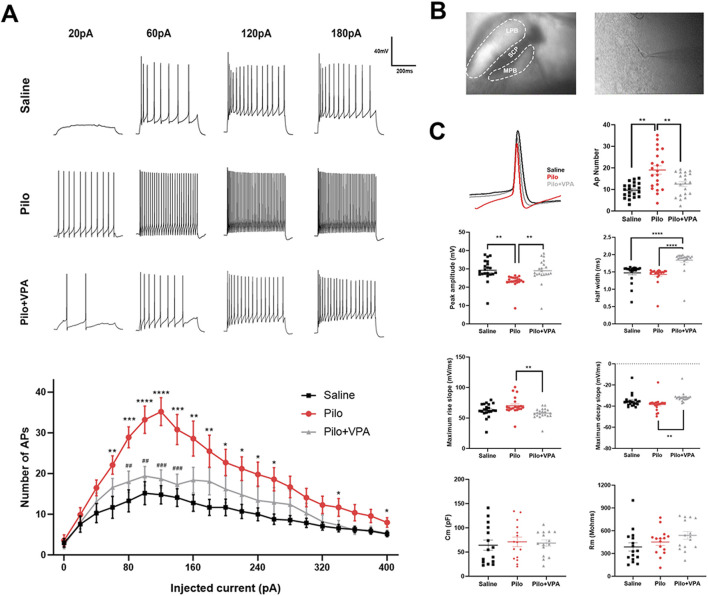 Figure 1
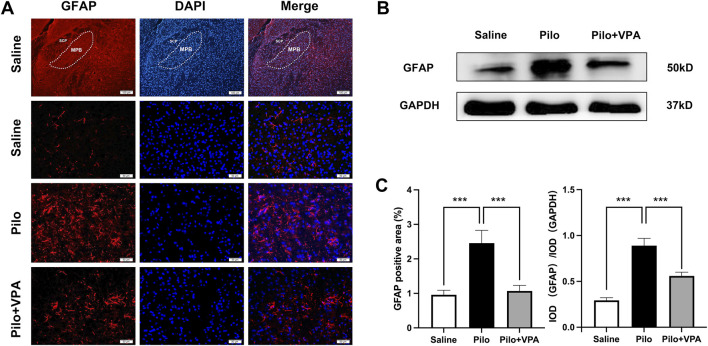 Figure 2
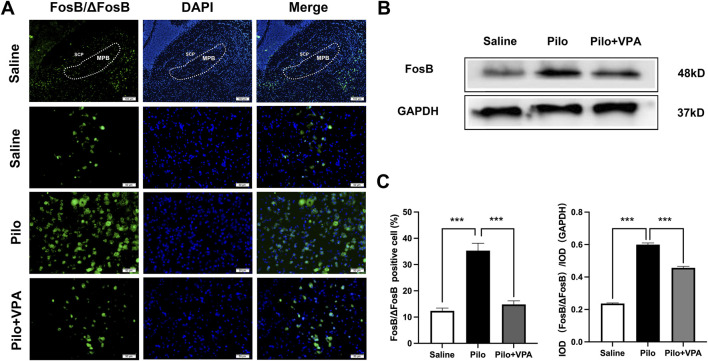 Figure 3
Peer Reviews
No public reviews on file for this paper yet. If you reviewed it on a platform where reviews are public (OpenReview, ICLR, NeurIPS, ICML), you can paste yours below so the community can read it here.
Videos
No videos yet. Explain this paper in a talk, walkthrough, or lecture? Add one.
Taxonomy
TopicsNeuroscience and Neuropharmacology Research · Epilepsy research and treatment · Genetics and Neurodevelopmental Disorders