Fetal Autopsy in Stillbirth: Its Acceptance and Role in Determining the Causes and Risk Factors in North India
Anshul Rorvanshi, Rupita Kulshrestha, Ariba Zaidi, Smriti Agrawal, Nuzhat Husain, Gaurav Raj Agarwal, Manodeep Sen, Navbir Pasricha, Neha Agrawal, Deepti Saxena

TL;DR
This study explores how fetal autopsies are accepted and used to determine causes of stillbirth in North India, highlighting their importance despite cultural and emotional challenges.
Contribution
The study evaluates the acceptance and utility of fetal autopsies and genetic testing in diagnosing stillbirth causes in a North Indian population.
Findings
Fetal autopsy revealed congenital malformations in 24% of cases.
Placental histopathology showed abnormalities in 60% of cases.
Microbiological cultures were positive in 36% of cases, with Staphylococcus and Enterococcus being common.
Abstract
Background: Stillbirth is a major global health issue. The fetal autopsy is considered one of the primal diagnostic tools to determine the cause of stillbirth over MRI, ultrasound, and genetic testing. It is often the way to obtain a definitive diagnosis and can be helpful for families who are grieving the loss of a pregnancy. However, its acceptance is limited due to cultural, emotional, and logistical challenges. This study aimed to evaluate the acceptance of fetal autopsy and its role in identifying causative and risk factors for stillbirth in north India. Materials and methods: This cross-sectional study was performed at a tertiary care center in North India from November 2022 to April 2024. Out of 178 stillbirths among 8500 deliveries, 68 cases met the inclusion criteria, 25 (14%) consented to autopsy, and six (3%) for genetic evaluation. Data were collected on maternal…
Genes, proteins, chemicals, diseases, species, mutations and cell lines named across the full text — each resolved to its canonical identifier and authoritative record.
Click any figure to enlarge with its caption.
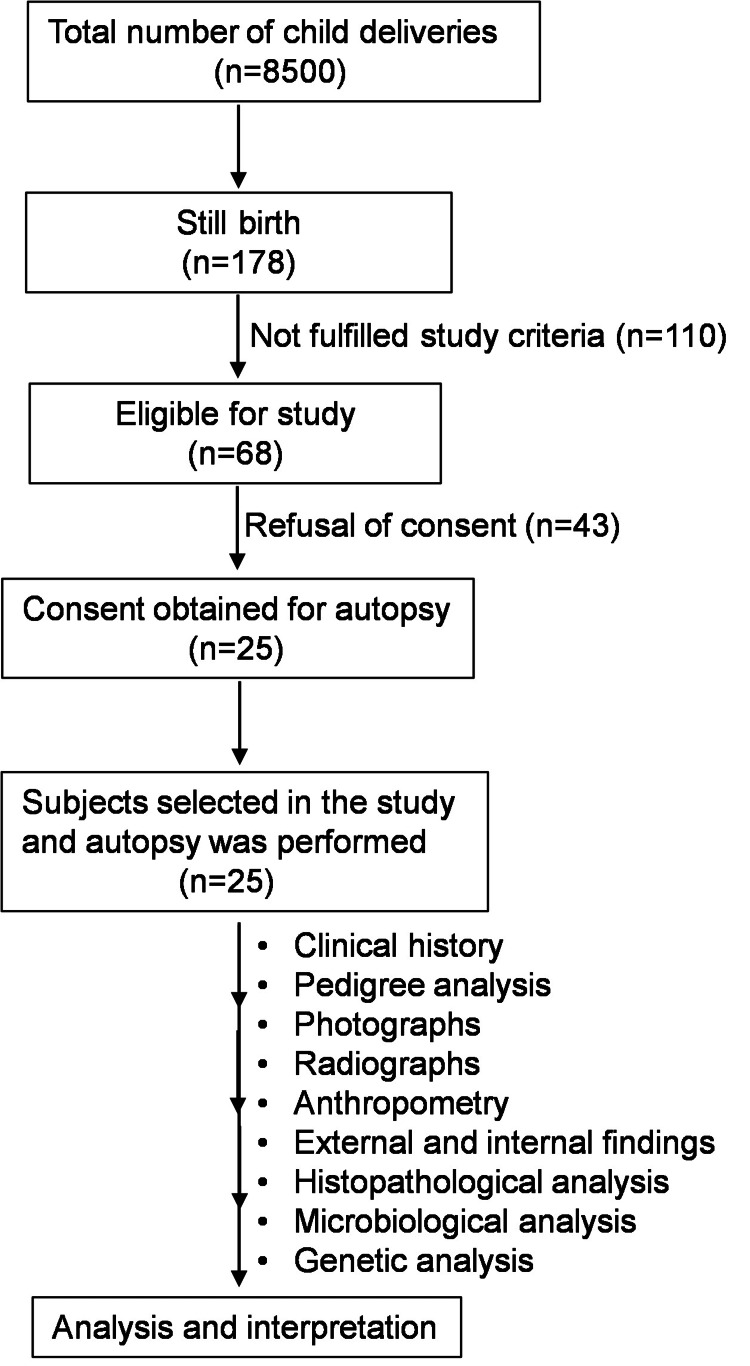 Figure 1
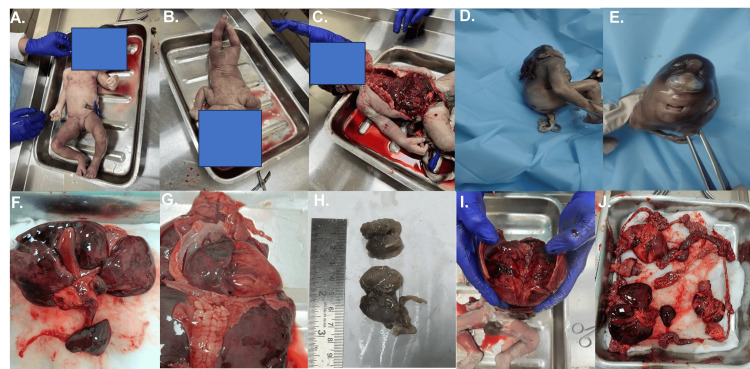 Figure 2
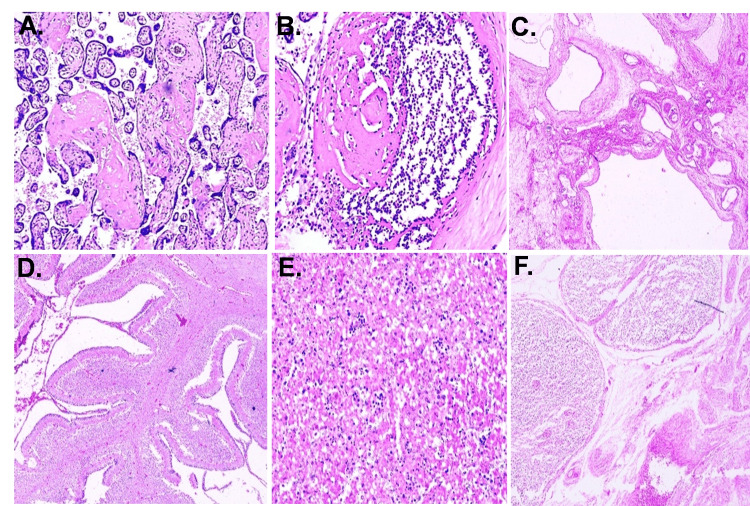 Figure 3
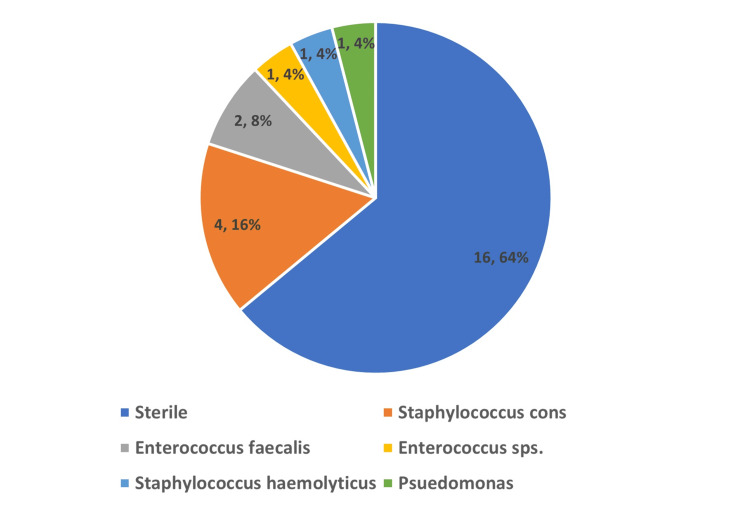 Figure 4
Peer Reviews
No public reviews on file for this paper yet. If you reviewed it on a platform where reviews are public (OpenReview, ICLR, NeurIPS, ICML), you can paste yours below so the community can read it here.
Videos
No videos yet. Explain this paper in a talk, walkthrough, or lecture? Add one.
Taxonomy
TopicsAutopsy Techniques and Outcomes · Global Maternal and Child Health · Trauma and Emergency Care Studies