iPAR: a new reporter for eukaryotic cytoplasmic protein aggregation
Sarah Lecinski, Jamieson A. L. Howard, Chris MacDonald, Mark C. Leake

TL;DR
The paper introduces iPAR, a new tool to study protein aggregation in yeast cells using fluorescent markers, enabling detailed observation of aggregate behavior in live cells.
Contribution
The novel contribution is the development of iPAR, an inducible fluorescent reporter system for studying cytoplasmic protein aggregation dynamics in live cells.
Findings
iPAR enables quantitative tracking of cytoplasmic aggregates using fluorescence microscopy.
Cytoplasmic aggregates are mobile and contain tens to hundreds of iPAR molecules per aggregate.
Proteotoxic aggregates are not inherited by daughter cells, unlike nuclei and vacuoles.
Abstract
Cells employ myriad regulatory mechanisms to maintain protein homeostasis, termed proteostasis, to ensure correct cellular function. Dysregulation of proteostasis, which is often induced by physiological stress and ageing, often results in protein aggregation in cells. These aggregated structures can perturb normal physiological function, compromising cell integrity and viability, a prime example being early onset of several neurodegenerative diseases. Understanding aggregate dynamics in vivo is therefore of strong interest for biomedicine and pharmacology. However, factors involved in formation, distribution and clearance of intracellular aggregates are not fully understood Here, we report an improved methodology for production of fluorescent aggregates in model budding yeast which can be detected, tracked and quantified using fluorescence microscopy in live cells. This new…
Genes, proteins, chemicals, diseases, species, mutations and cell lines named across the full text — each resolved to its canonical identifier and authoritative record.
Click any figure to enlarge with its caption.
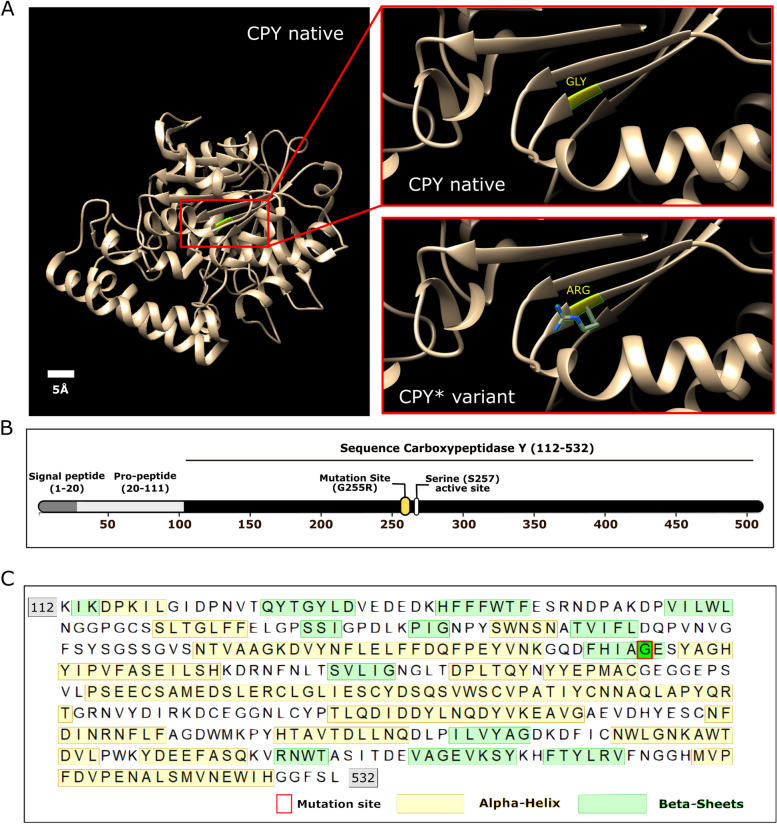 Figure 1
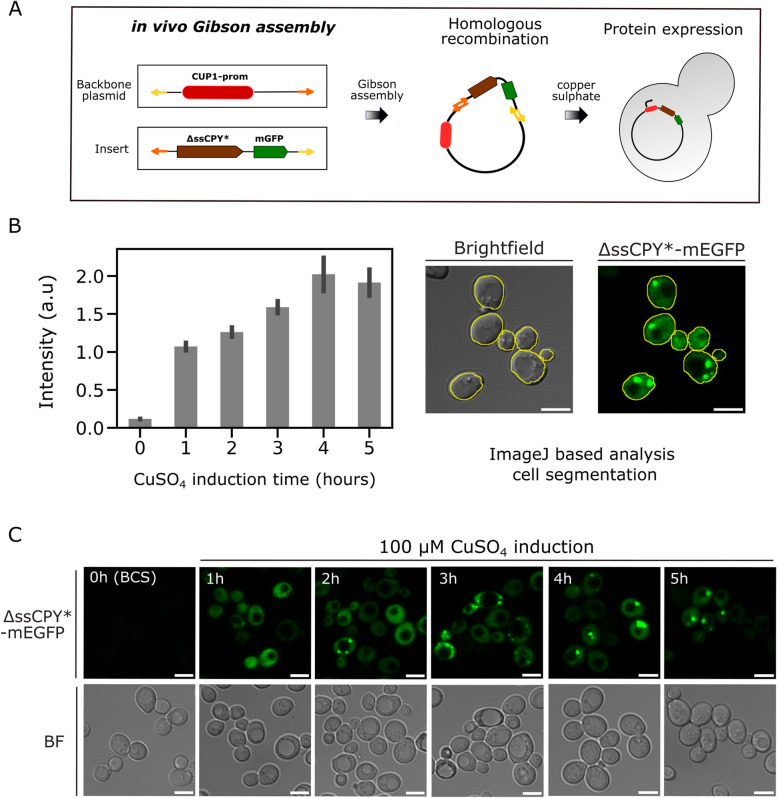 Figure 2
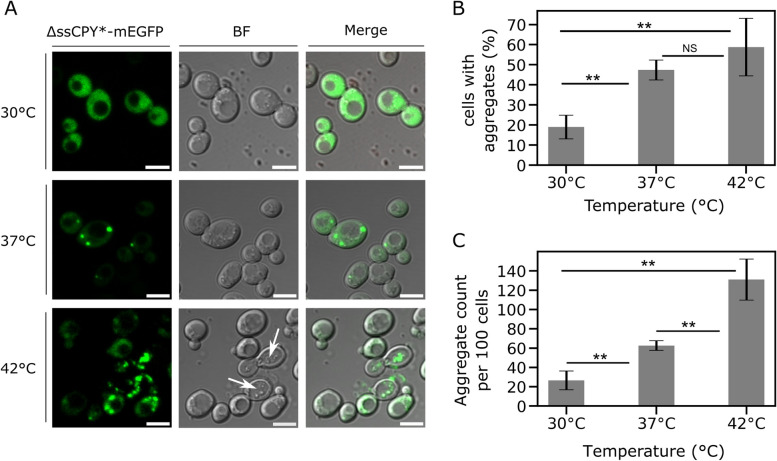 Figure 3
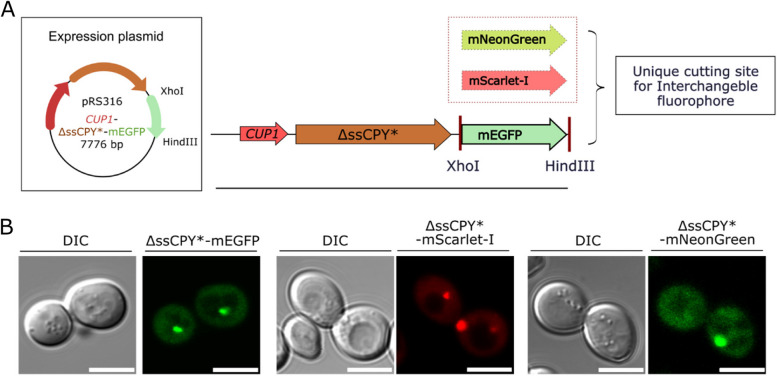 Figure 4
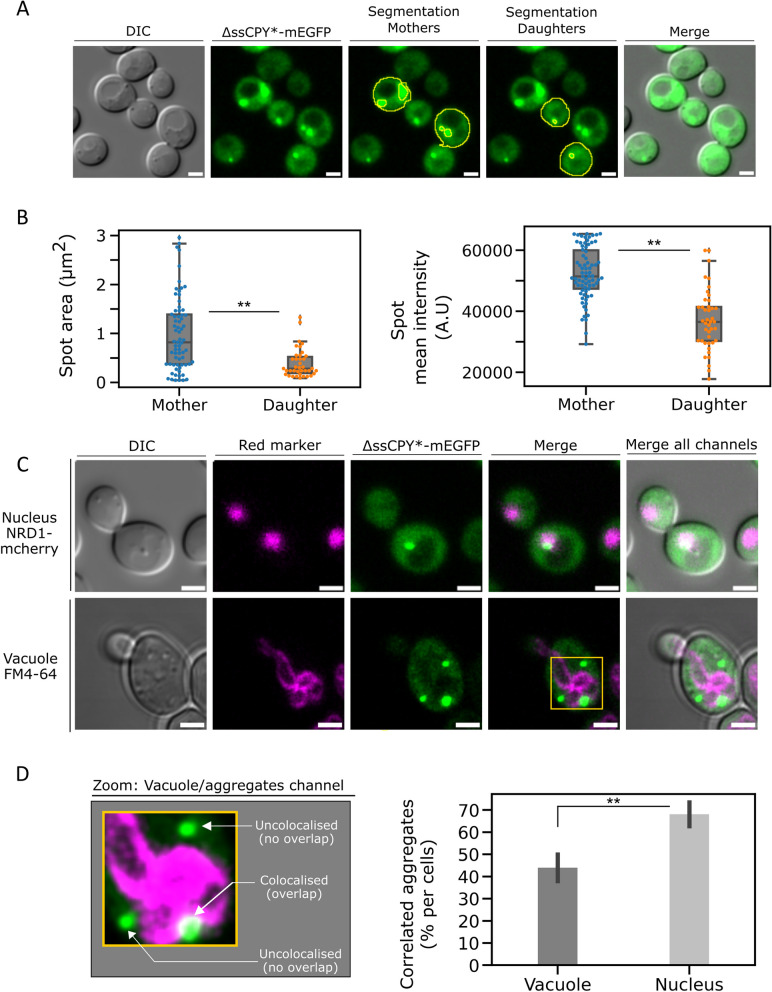 Figure 5
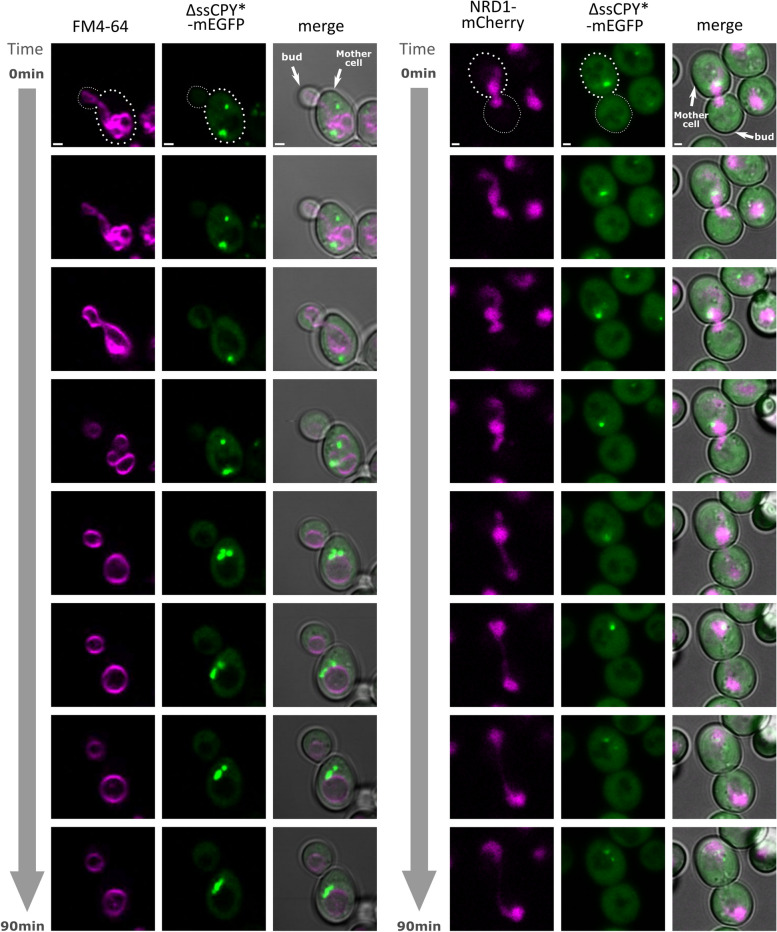 Figure 6
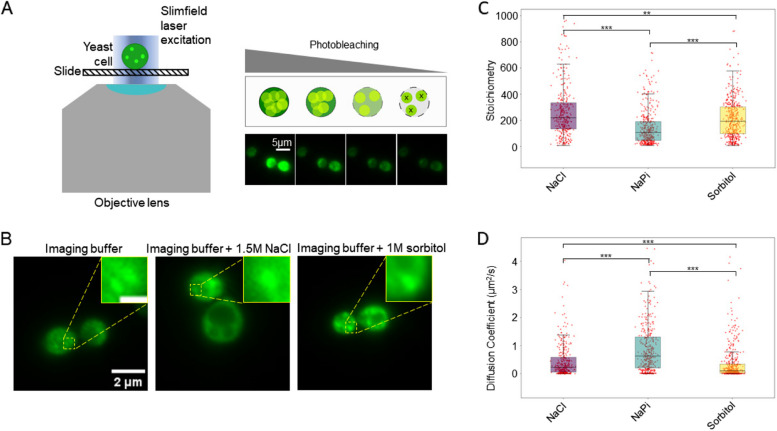 Figure 7
Peer Reviews
No public reviews on file for this paper yet. If you reviewed it on a platform where reviews are public (OpenReview, ICLR, NeurIPS, ICML), you can paste yours below so the community can read it here.
Videos
No videos yet. Explain this paper in a talk, walkthrough, or lecture? Add one.
Taxonomy
TopicsCellular transport and secretion · Biotin and Related Studies · Fungal and yeast genetics research