Development and validation of the Interoceptive States Vocalisations (ISV) and Interoceptive States Point Light Displays (ISPLD) databases
Federica Biotti, Lily Sidnick, Anna L Hatton, Diar Abdlkarim, Alan Wing, Janet Treasure, Francesca Happé, Rebecca Brewer

TL;DR
This paper introduces two new databases to help researchers study how people recognize others' internal physical states like breathlessness or fatigue.
Contribution
The paper presents two validated stimulus sets for studying the perception of interoceptive states through vocalizations and point light displays.
Findings
Some interoceptive states were consistently recognized better than others.
Variability was observed both within and between stimulus categories.
Stimuli are freely available with quality scores for researchers to select appropriate materials.
Abstract
The ability to perceive others’ emotions and one’s own interoceptive states has been the subject of extensive research. Very little work, however, has investigated the ability to recognise others’ interoceptive states, such as whether an individual is feeling breathless, nauseated, or fatigued. This is likely owing to the dearth of stimuli available for use in research studies, despite the clear relevance of this ability to social interaction and effective caregiving. This paper describes the development and validation of two stimulus sets for use in research into the perception of others’ interoceptive states. The Interoceptive States Vocalisations (ISV) database and the Interoceptive States Point Light Displays (ISPLD) database include 191 vocalisation and 159 point light display stimuli. Both stimulus sets underwent two phases of validation, and all stimuli were scored in terms of…
Genes, proteins, chemicals, diseases, species, mutations and cell lines named across the full text — each resolved to its canonical identifier and authoritative record.
Click any figure to enlarge with its caption.
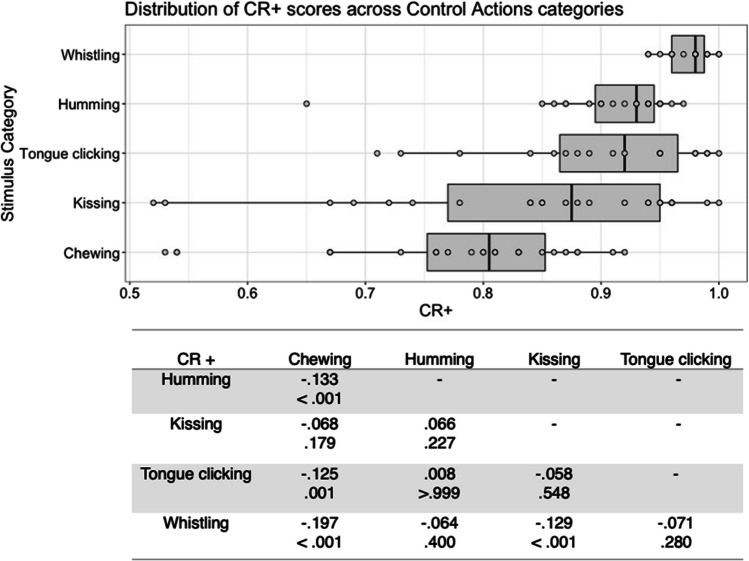 Figure 10
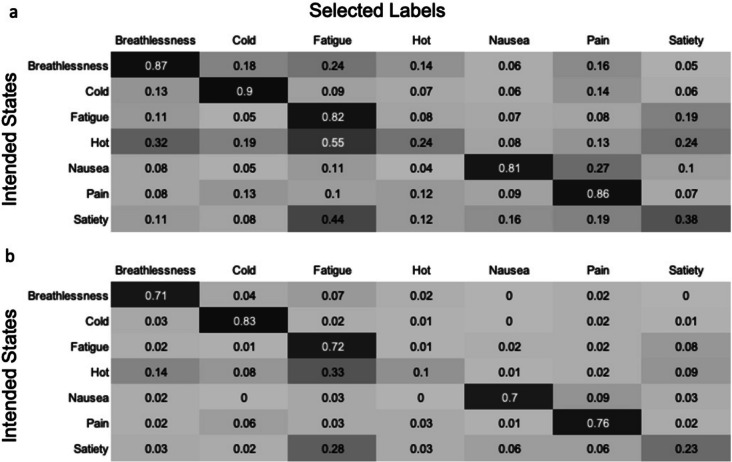 Figure 11
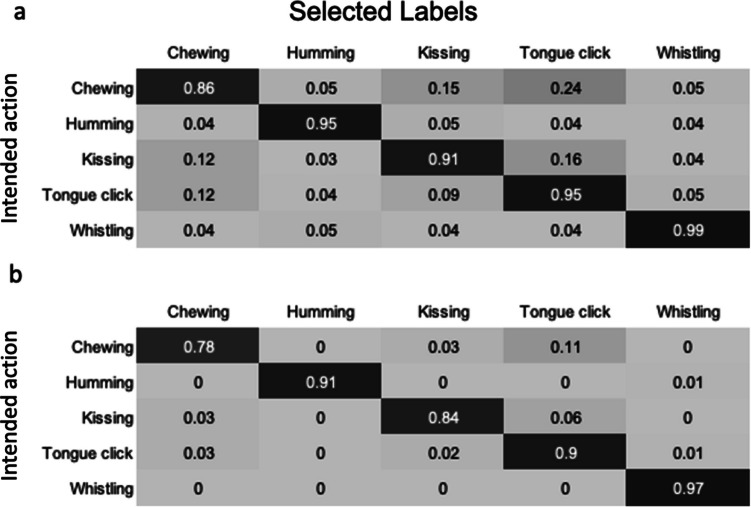 Figure 12
 Figure 13
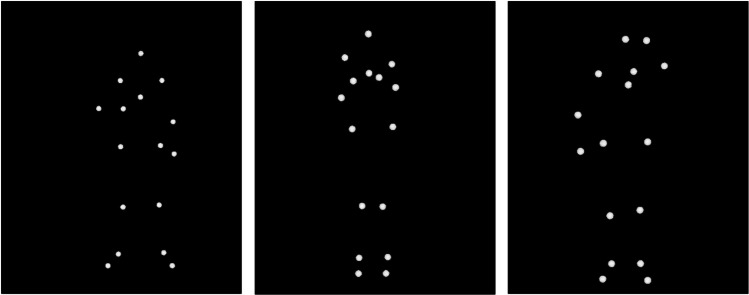 Figure 14
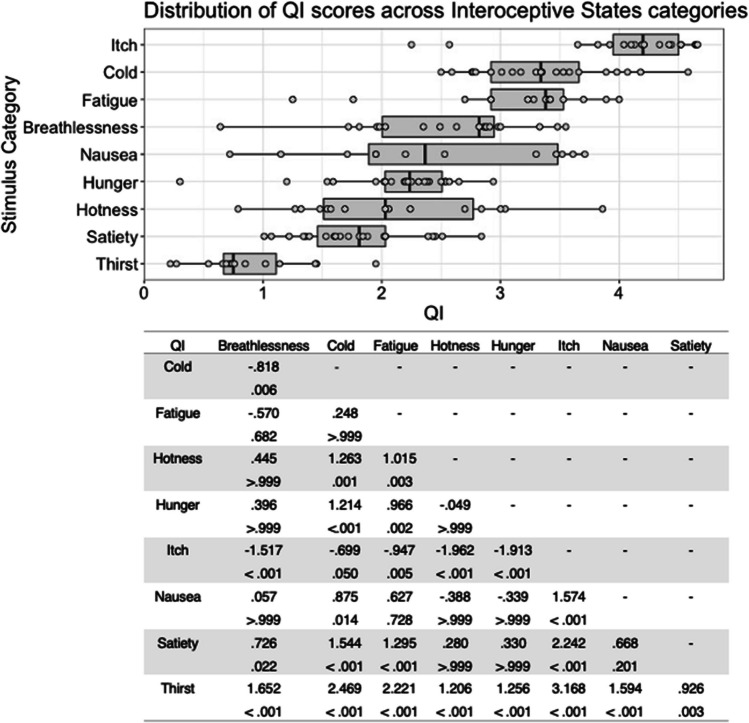 Figure 15
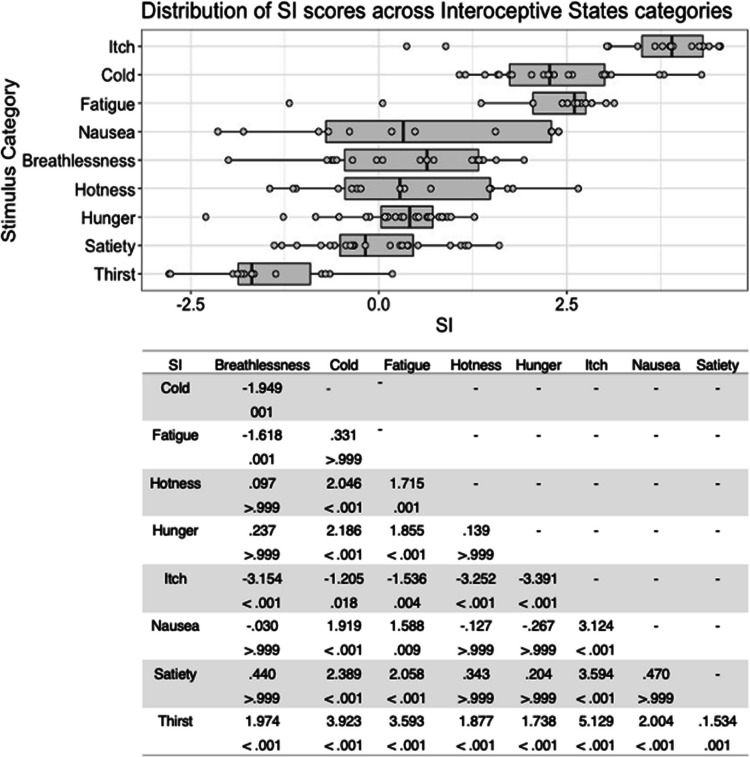 Figure 16
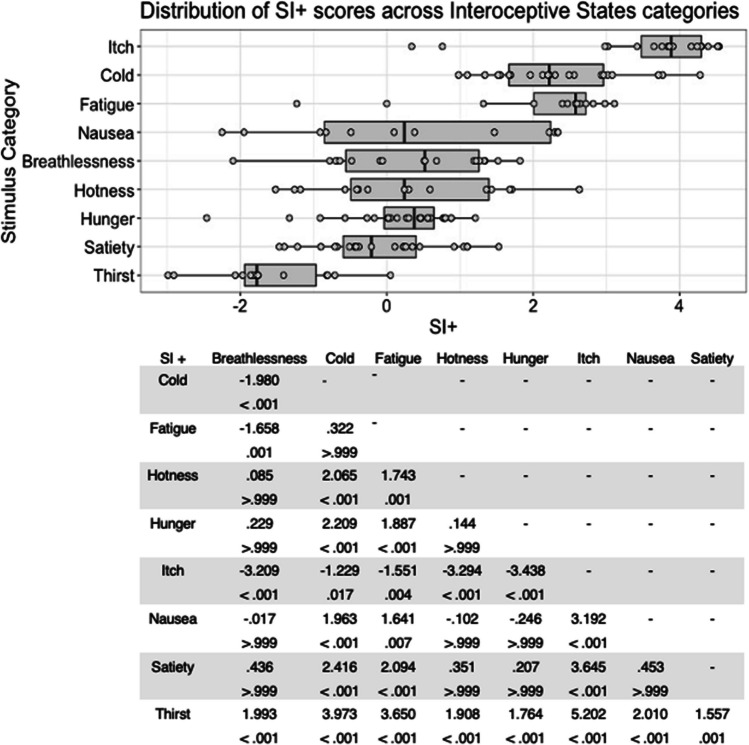 Figure 17
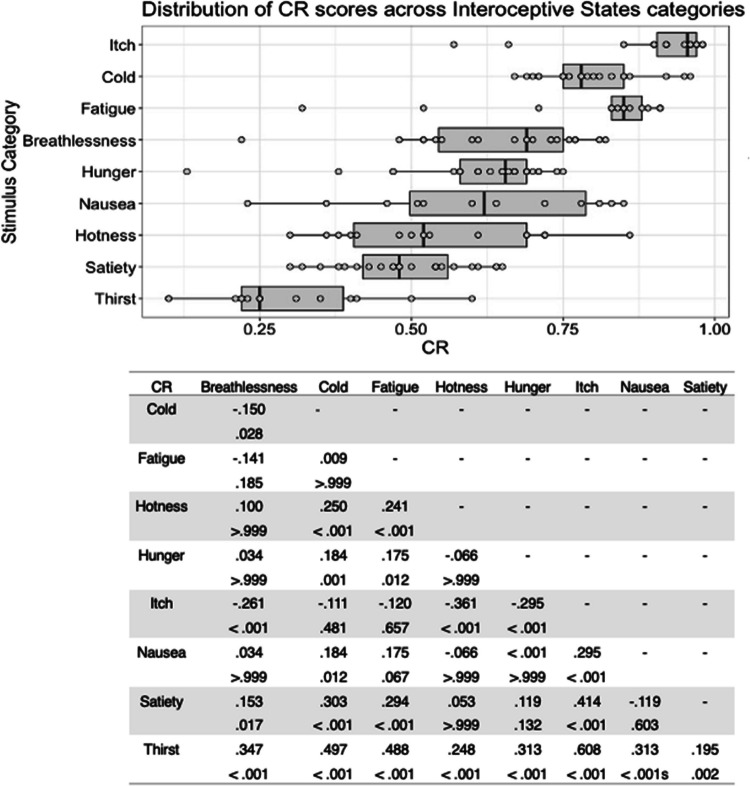 Figure 18
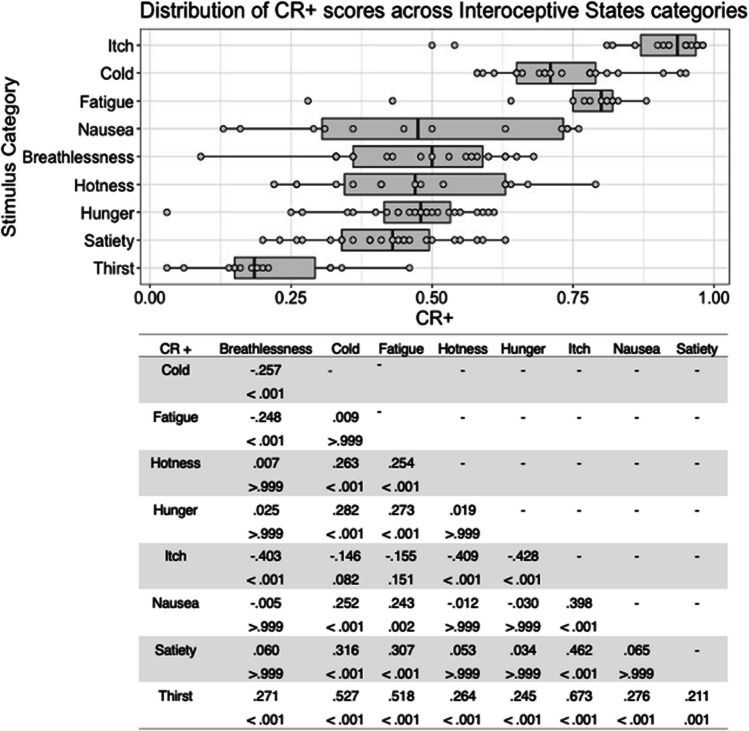 Figure 19
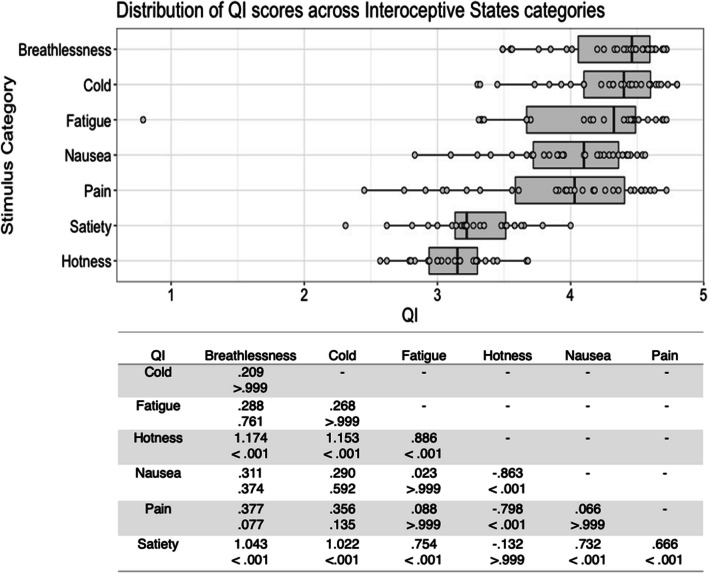 Figure 1
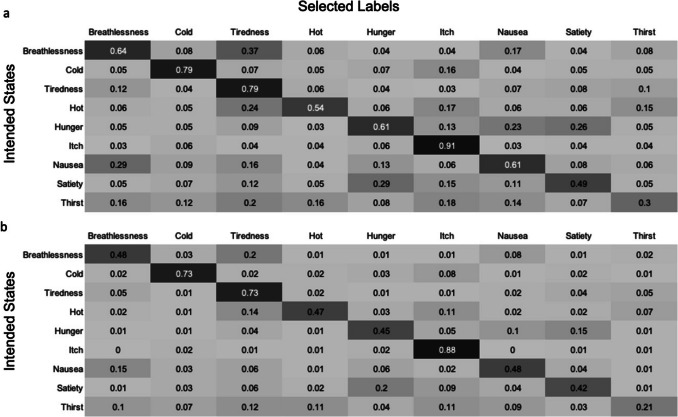 Figure 20
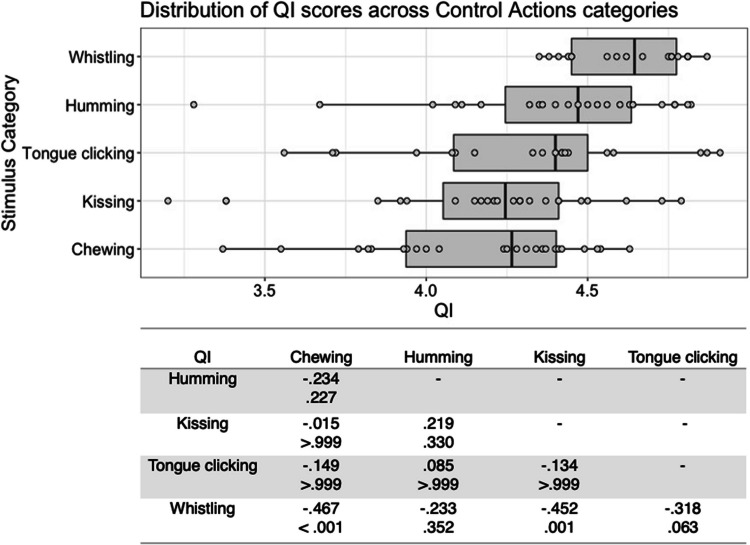 Figure 2
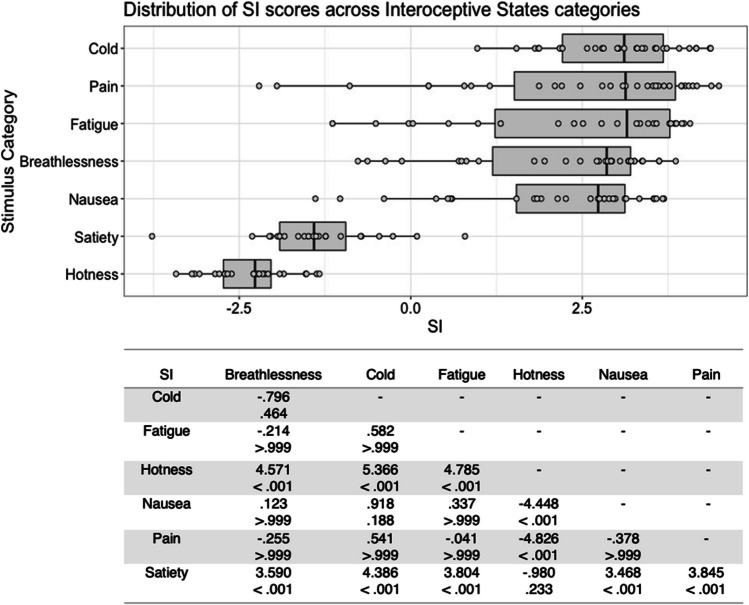 Figure 3
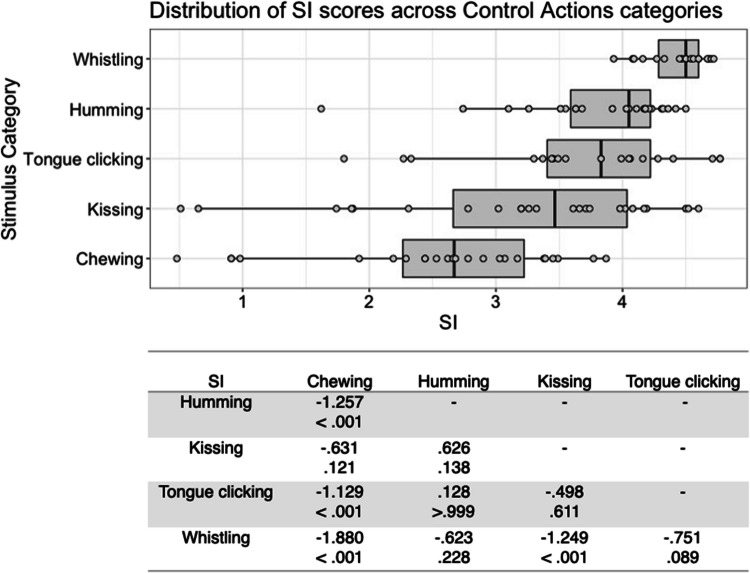 Figure 4
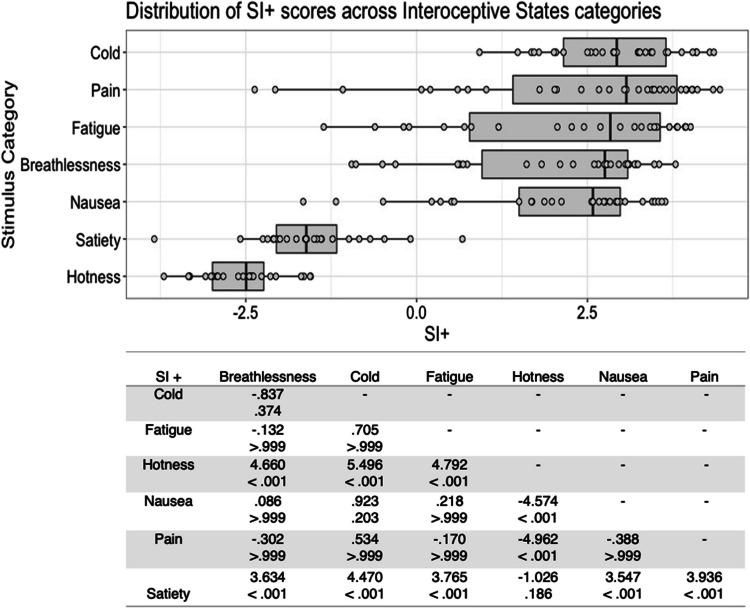 Figure 5
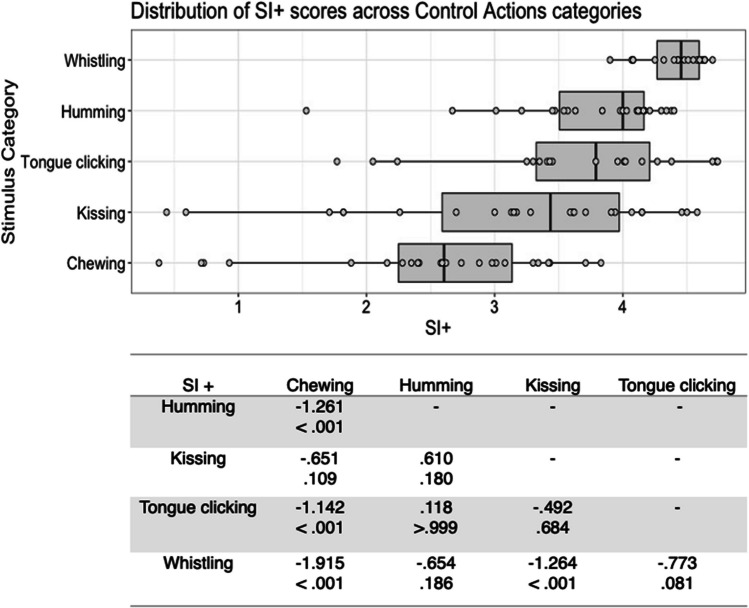 Figure 6
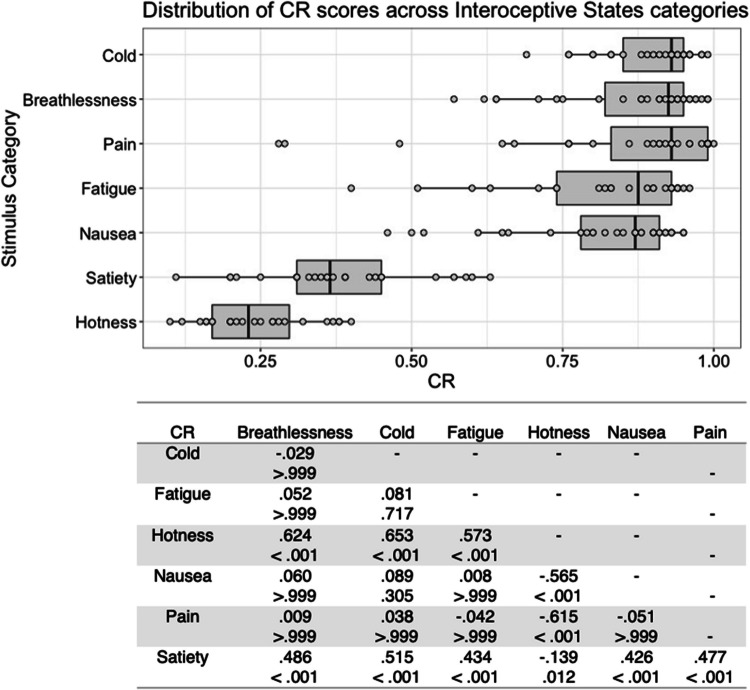 Figure 7
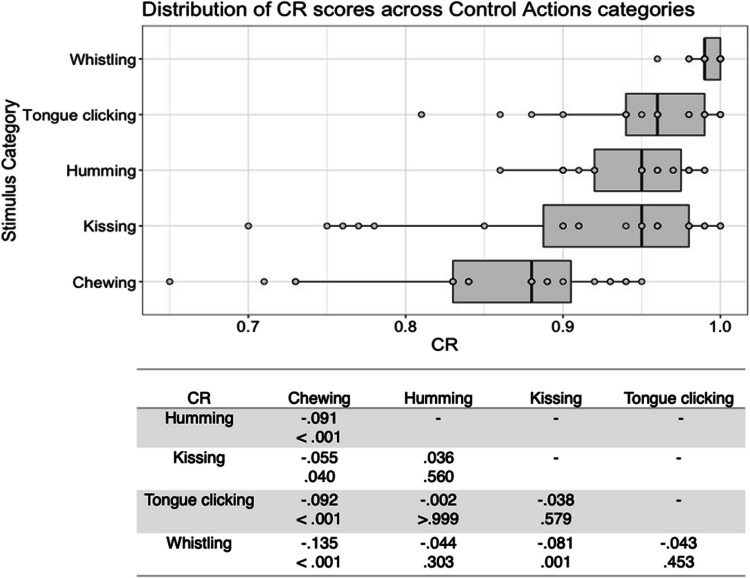 Figure 8
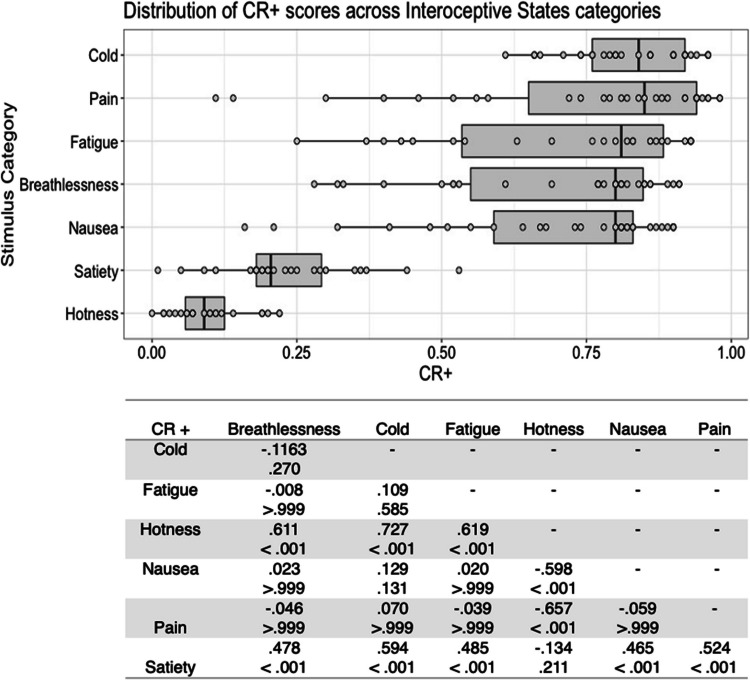 Figure 9
Peer Reviews
No public reviews on file for this paper yet. If you reviewed it on a platform where reviews are public (OpenReview, ICLR, NeurIPS, ICML), you can paste yours below so the community can read it here.
Videos
No videos yet. Explain this paper in a talk, walkthrough, or lecture? Add one.
Taxonomy
TopicsPsychosomatic Disorders and Their Treatments · Infant Health and Development · Anxiety, Depression, Psychometrics, Treatment, Cognitive Processes