A Case Report and Literature Review on the Management of Foreign Body-Related Duodenal Perforation: Can We Avoid the Scalpel?
Samuel Ho Ting Poon, Lok Hin K Law, Tat Ming D Chung

TL;DR
This paper discusses a successful non-surgical treatment of a rare intestinal emergency using endoscopic techniques.
Contribution
The novelty lies in demonstrating a successful non-operative management of retroperitoneal duodenal perforation via endoscopy.
Findings
A case of retroperitoneal duodenal perforation was successfully treated using endoscopic methods.
Non-operative management using endoscopy may be a viable alternative to traditional surgery in select cases.
The case highlights the potential for endoscopic techniques to reduce surgical intervention in intestinal emergencies.
Abstract
Gastrointestinal perforation remains one of the most commonly encountered surgical emergencies. Despite the advancement in surgical techniques and treatment modalities, retroperitoneal duodenal perforation remains a lethal surgical emergency. While perforations of the gastrointestinal tract are typically managed with laparotomy for repair and decontamination, the advancement in endoscopic technique and equipment shed a light on non-operative management for intestinal perforation. We present here a case of duodenal perforation successfully treated by endoscopic approach.
Genes, proteins, chemicals, diseases, species, mutations and cell lines named across the full text — each resolved to its canonical identifier and authoritative record.
Click any figure to enlarge with its caption.
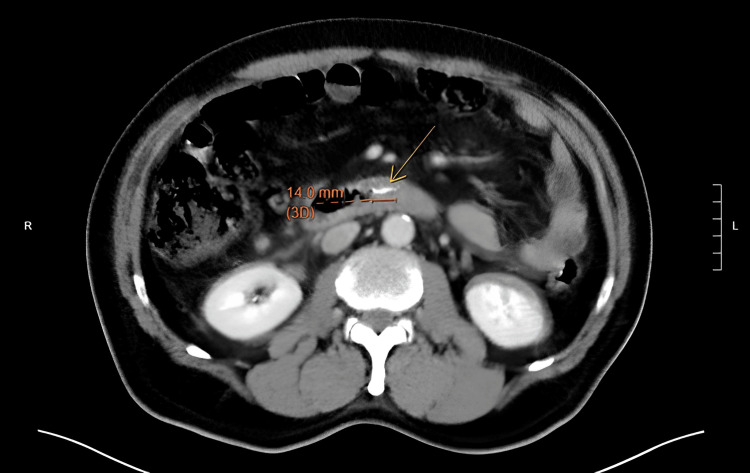 Figure 1
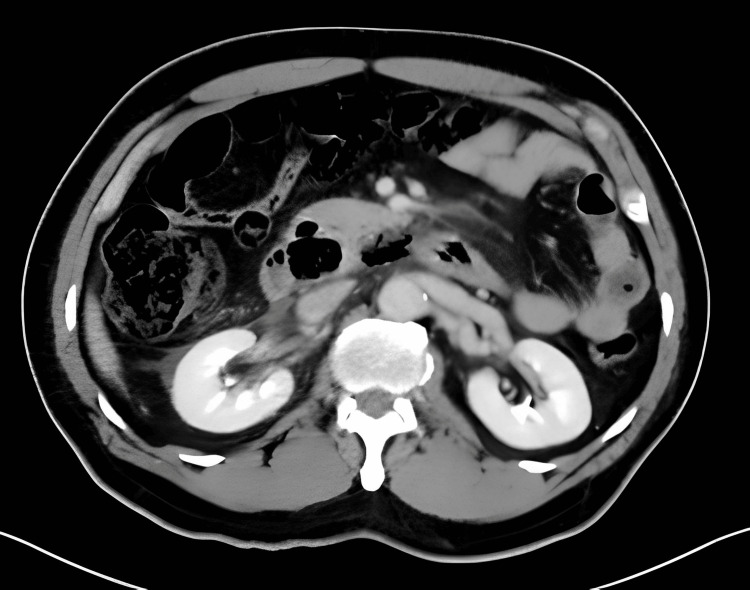 Figure 2
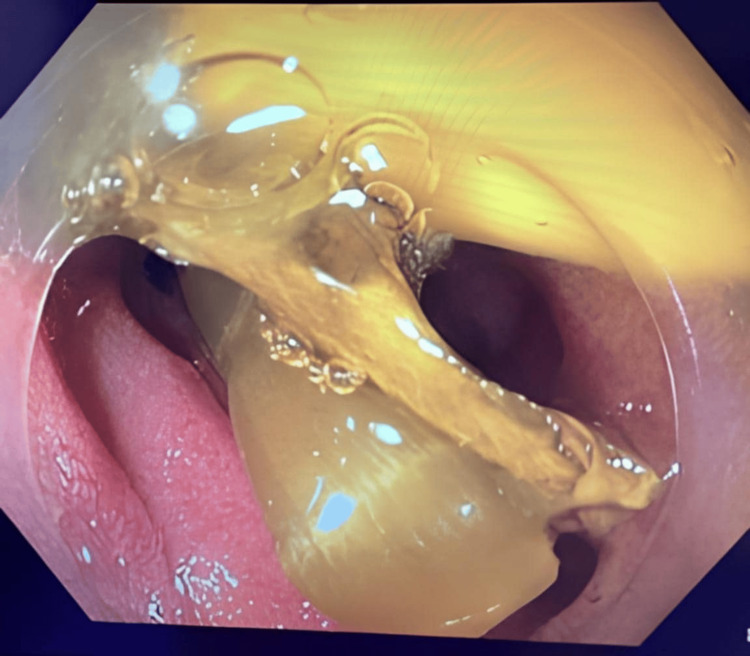 Figure 3
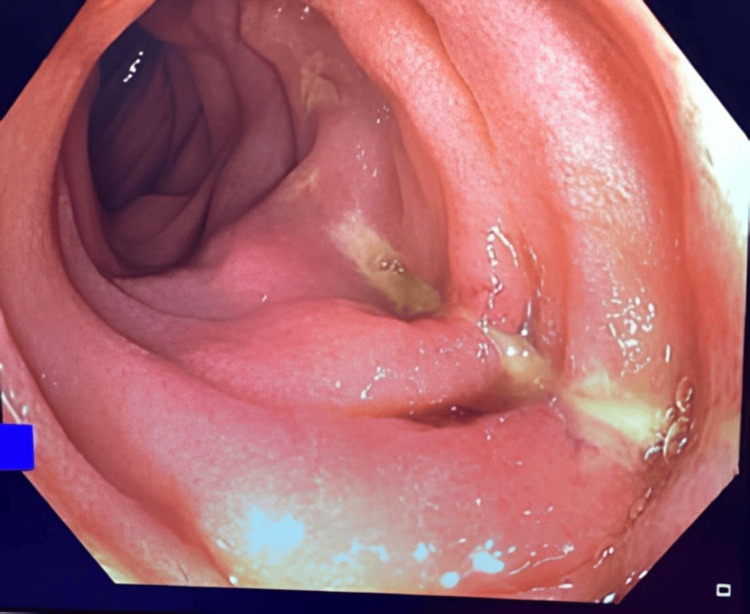 Figure 4
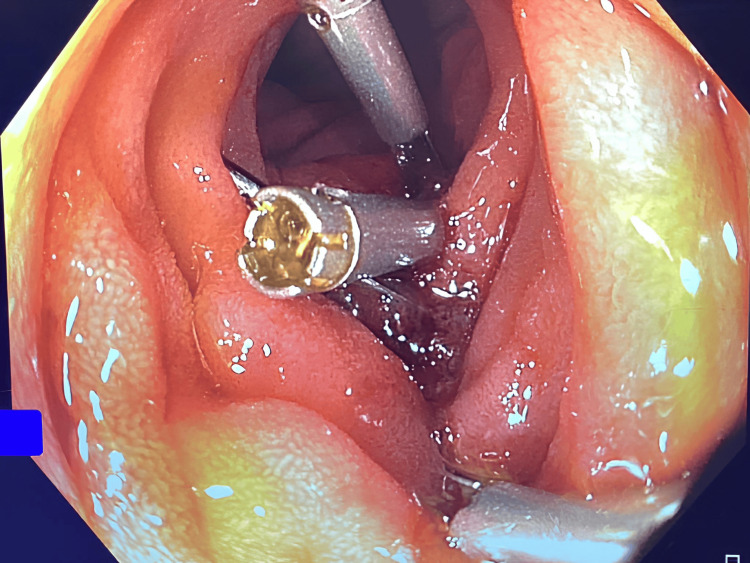 Figure 5
Peer Reviews
No public reviews on file for this paper yet. If you reviewed it on a platform where reviews are public (OpenReview, ICLR, NeurIPS, ICML), you can paste yours below so the community can read it here.
Videos
No videos yet. Explain this paper in a talk, walkthrough, or lecture? Add one.
Taxonomy
TopicsEsophageal and GI Pathology · Foreign Body Medical Cases · Biliary and Gastrointestinal Fistulas