Predicting dietary management intention of patients with chronic kidney disease using protection motivation theory
Huijie Li, Yueyi Deng, Yitong Huang, Holly Blake, Prathap kumar Simhadri, Prathap kumar Simhadri, Prathap kumar Simhadri, Prathap kumar Simhadri

TL;DR
This study identifies key psychological factors that influence dietary management intentions in Chinese patients with chronic kidney disease.
Contribution
It applies Protection Motivation Theory to reveal specific predictors of dietary behavior in CKD patients.
Findings
Perceived severity, response efficacy, and self-efficacy significantly predict dietary management intention.
Single status and higher education level are associated with stronger dietary management intentions.
CKD stage also influences dietary management intention among patients.
Abstract
Psychological determinants underlying the dietary management intention (DMI) of Chinese patients with chronic kidney disease (CKD) are not well understood. This hinders the development of theory-informed dietary interventions targeting this population. The aim of this study was to identify factors influencing DMI of Chinese patients with CKD through the lens of Protection Motivation Theory (PMT). 500 patients with CKD from a nephrology ward of a large teaching hospital in China completed a survey including measures of PMT constructs (i.e., perceived vulnerability, perceived severity, intrinsic and extrinsic rewards, self-efficacy, response efficacy, and response cost) using validated scales adapted from previous studies. Data were analyzed using confirmatory factor analysis and multiple linear regression. Three PMT constructs, namely perceived severity [B = 0.198, P < 0.001], response…
Genes, proteins, chemicals, diseases, species, mutations and cell lines named across the full text — each resolved to its canonical identifier and authoritative record.
Click any figure to enlarge with its caption.
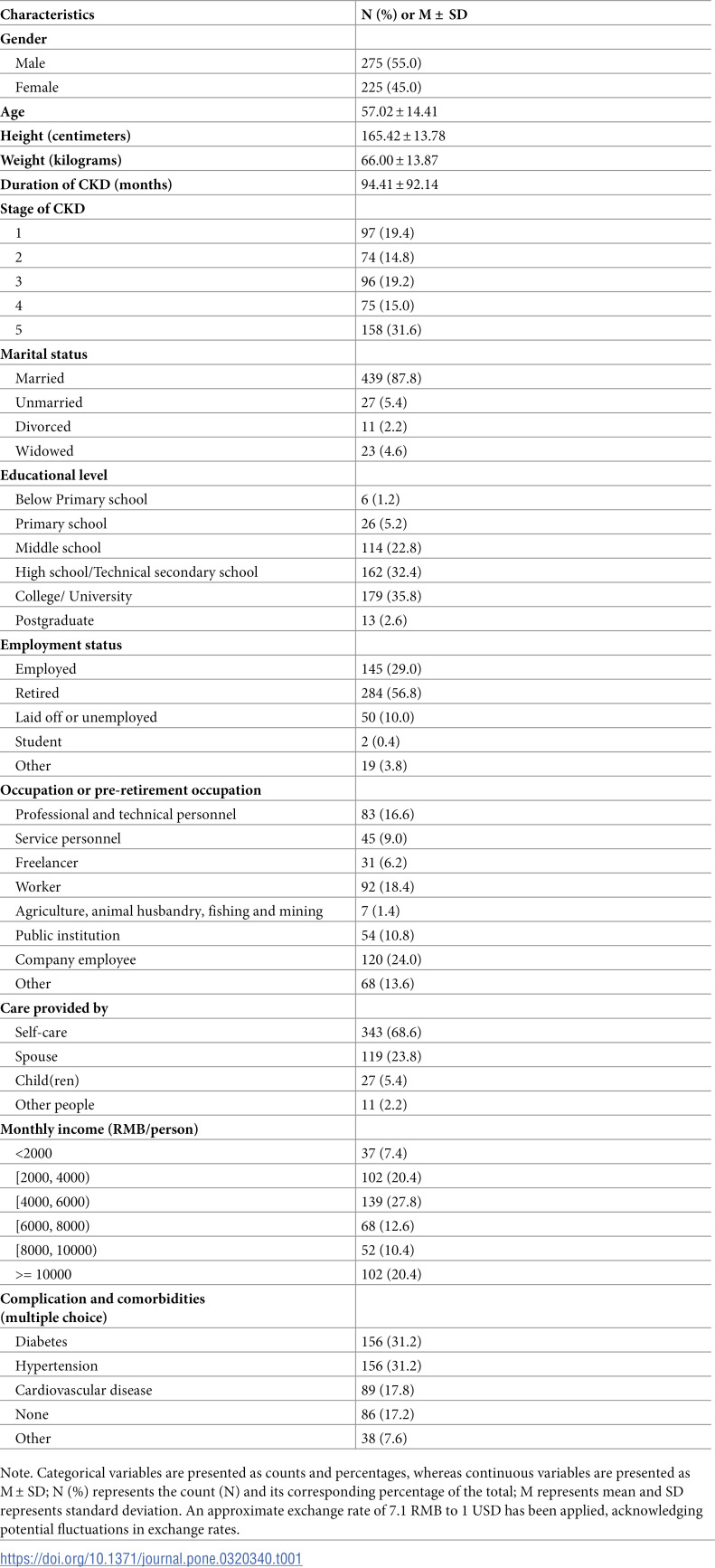 Figure 1
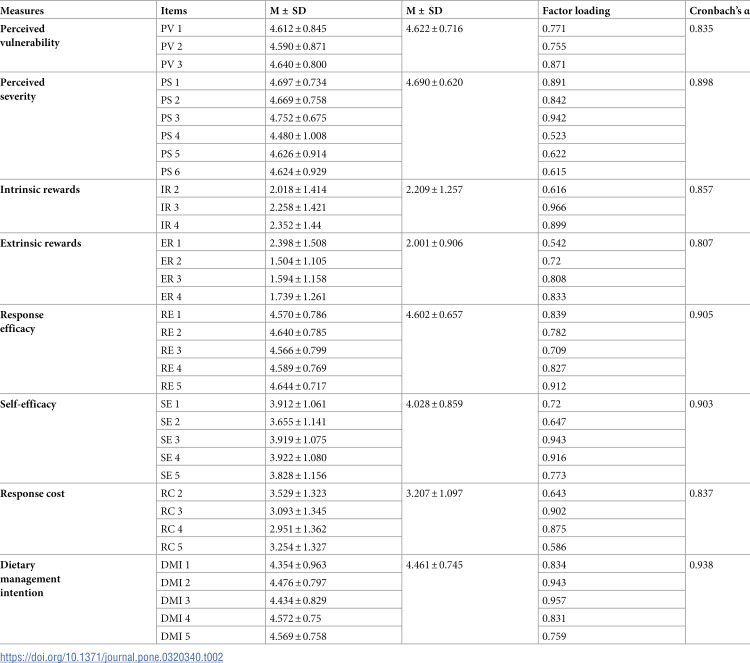 Figure 2
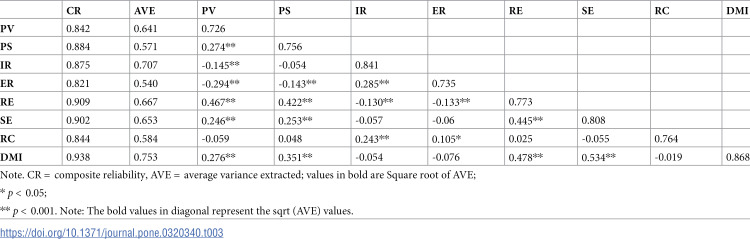 Figure 3
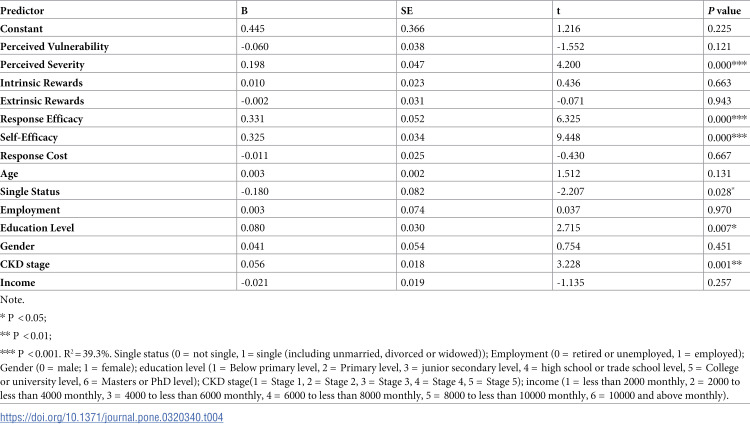 Figure 4
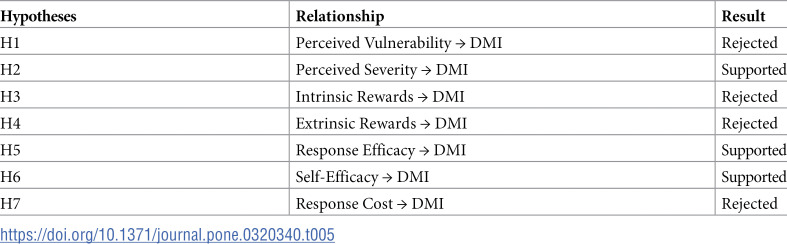 Figure 5
Peer Reviews
No public reviews on file for this paper yet. If you reviewed it on a platform where reviews are public (OpenReview, ICLR, NeurIPS, ICML), you can paste yours below so the community can read it here.
Videos
No videos yet. Explain this paper in a talk, walkthrough, or lecture? Add one.
Taxonomy
TopicsBehavioral Health and Interventions · Health and Wellbeing Research · Nutrition, Health and Food Behavior