The binding modes of brazilin and hematein from Caesalpinia sappan L. to Cutibacterium acnes lipase: Simulation studies
Maneenuch Pengsawang, Borvornwat Toviwek, Winyoo Sangthong, Apaporn Boonmee, Phoom Chairatana, Prapasiri Pongprayoon, Kshatresh Dutta Dubey, Kshatresh Dutta Dubey, Kshatresh Dutta Dubey

TL;DR
This study explores how natural compounds from Caesalpinia sappan L. bind to a key acne-related enzyme, suggesting they could be effective herbal treatments.
Contribution
The study reveals unique binding modes of BRA and HEM to C. acnes lipase, offering new insights into natural anti-acne agents.
Findings
BRA and HEM bind to C. acnes lipase with distinct modes compared to conventional drugs.
HEM interacts with both the lid and catalytic sites of the lipase.
C. sappan compounds show potential as alternatives to combat antimicrobial resistance in acne treatment.
Abstract
The growing concern over antimicrobial resistance in Cutibacterium acnes (C. acnes) has spurred interest in alternative acne treatments, particularly herbal medicines. This study evaluates the binding affinities of established anti-acne agents—ketoconazole (KET) and tetracycline (TET)—alongside natural compounds, brazilin (BRA) and hematein (HEM), derived from Caesalpinia sappan L. (C. sappan), to C. acnes lipase. Through molecular docking and dynamics simulations, we demonstrate that the asymmetric lipase dimer operates independently. Bulky compounds such as KET and TET inhibit lipase activity via π-π interactions, primarily targeting the lid domain. In contrast, smaller ligands BRA and HEM exhibit unique binding modes: BRA mirrors TET by localizing near the lid domain, while HEM shows dual interactions with both the lid and catalytic sites. These results underscore the potential of…
Genes, proteins, chemicals, diseases, species, mutations and cell lines named across the full text — each resolved to its canonical identifier and authoritative record.
Click any figure to enlarge with its caption.
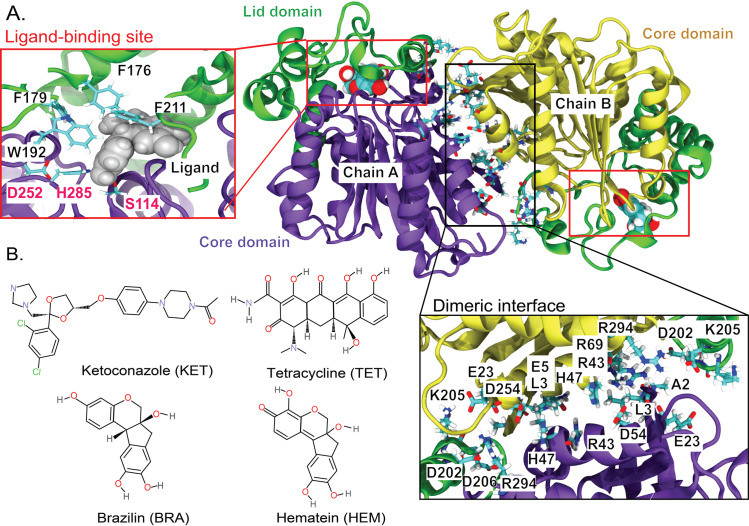 Figure 1
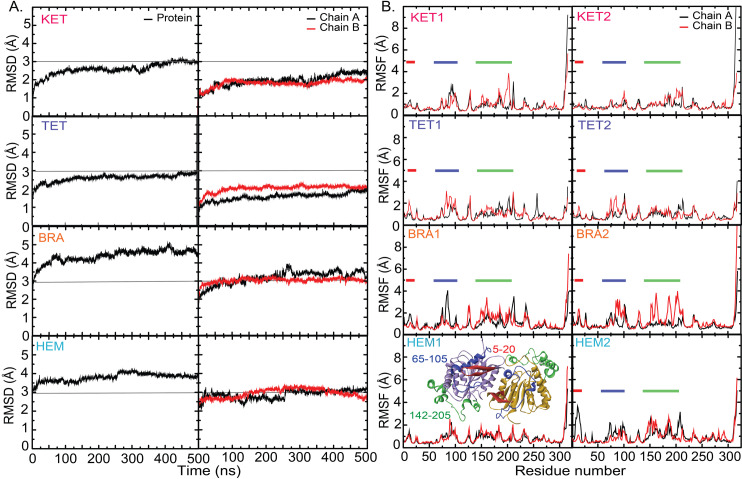 Figure 2
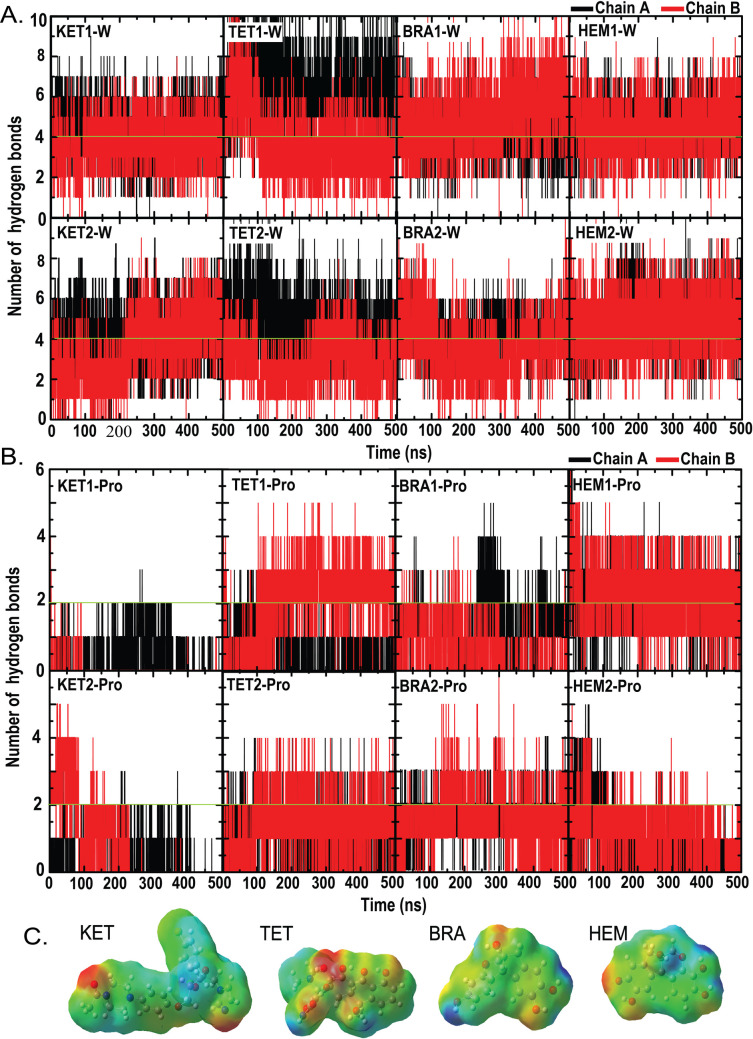 Figure 3
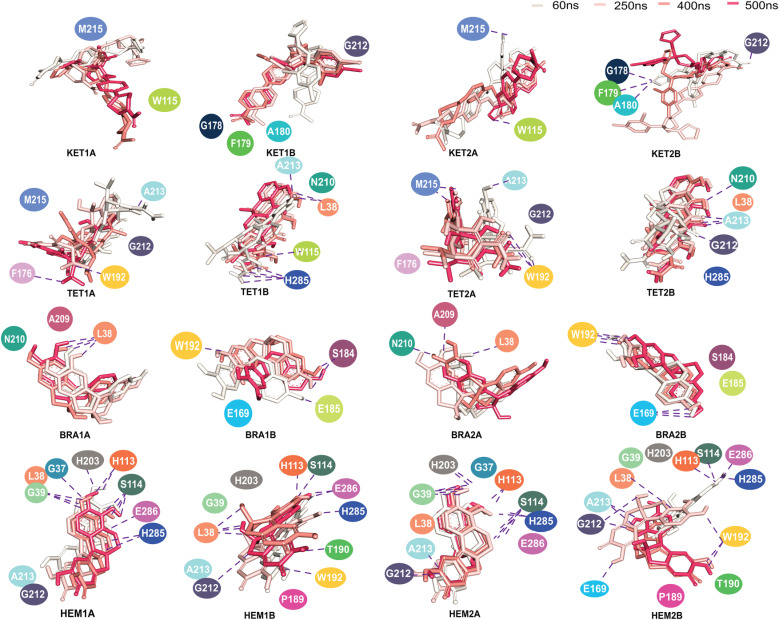 Figure 4
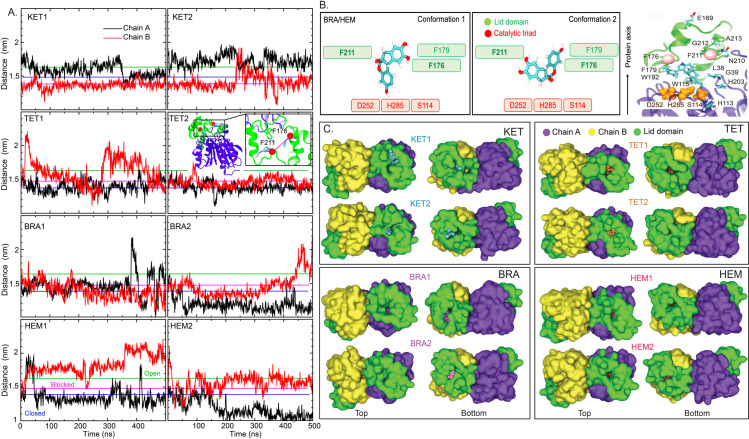 Figure 5
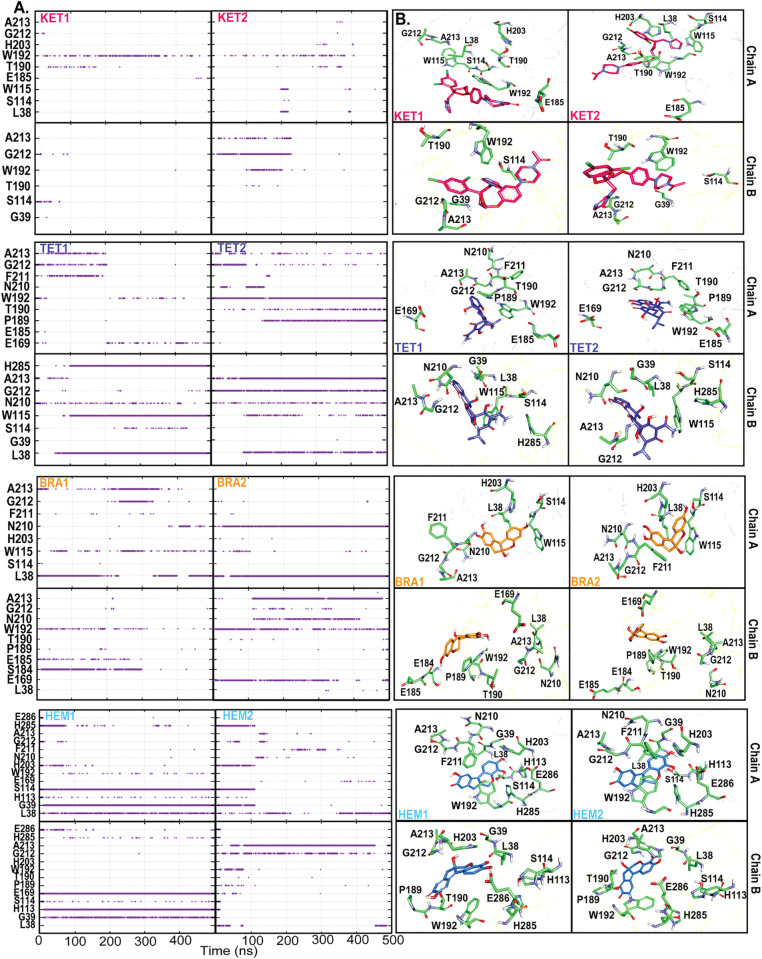 Figure 6
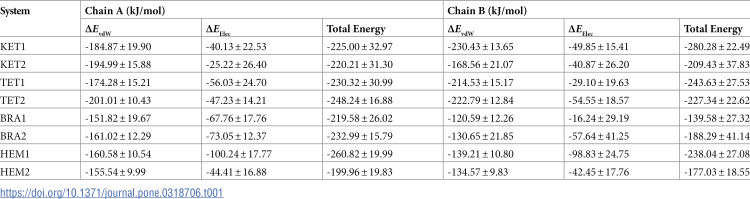 Figure 7
Peer Reviews
No public reviews on file for this paper yet. If you reviewed it on a platform where reviews are public (OpenReview, ICLR, NeurIPS, ICML), you can paste yours below so the community can read it here.
Videos
No videos yet. Explain this paper in a talk, walkthrough, or lecture? Add one.
Taxonomy
TopicsBiological Stains and Phytochemicals · Plant-Derived Bioactive Compounds