Radiolucent gallstone ileus causing proximal small bowel obstruction: A case report
Abdulmalek Alzahrani, Mohammad Alsayed, Jalal A. Zahhar, Saga Ali, Samira Alturkistany

TL;DR
A rare case of gallstone ileus caused by a radiolucent stone blocking the upper small intestine in a 74-year-old woman, highlighting the importance of recognizing pneumobilia as a diagnostic clue.
Contribution
Highlights the diagnostic challenge of radiolucent gallstone ileus and emphasizes pneumobilia as a key indicator in the absence of visible stones on CT.
Findings
Radiolucent gallstone ileus can cause proximal small bowel obstruction and may not be visible on CT.
Pneumobilia can indicate gallstone ileus even when stones are not radiopaque.
Prompt surgical intervention is critical for managing this rare but serious condition.
Abstract
Gallstone ileus occurs when gallbladder stones erode and become lodged in the small bowel, thereby causing obstruction. These stones usually impact the terminal ileum because of its narrow lumen; however, they can also be found in less common locations, as observed in our case. The presence of pneumobilia can indicate gallstone ileus even without visible radiopaque stones because not all gallstones are detectable on computed tomography (CT). A 74-year-old woman presented to the emergency department with severe right upper quadrant pain that started 1 week previously and became more aggressive associated with fever, leukocytosis, and vomiting. The pain was colicky, intermittent, and aggravated by movement but did not radiate. Further imaging was requested to investigate the cause of the pain, which revealed evidence of proximal small bowel obstruction due to radiolucent gallstone ileus.…
Genes, proteins, chemicals, diseases, species, mutations and cell lines named across the full text — each resolved to its canonical identifier and authoritative record.
Click any figure to enlarge with its caption.
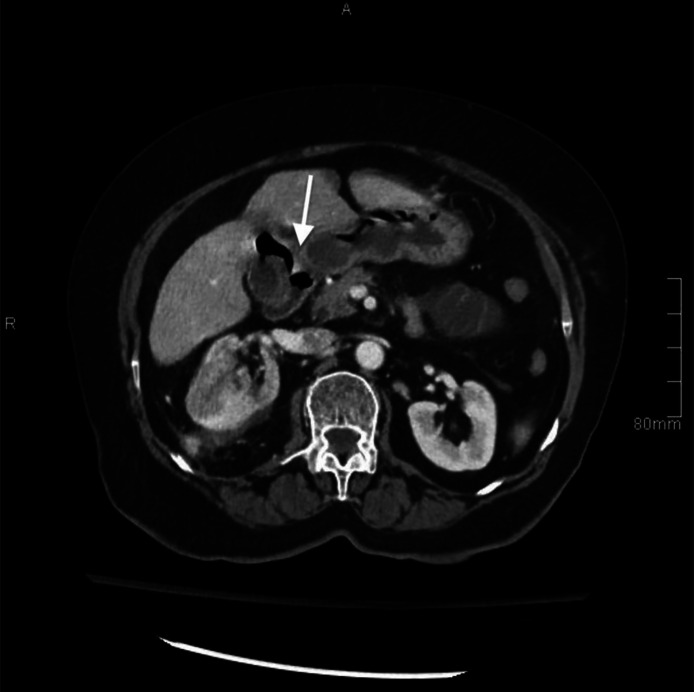 Figure 1
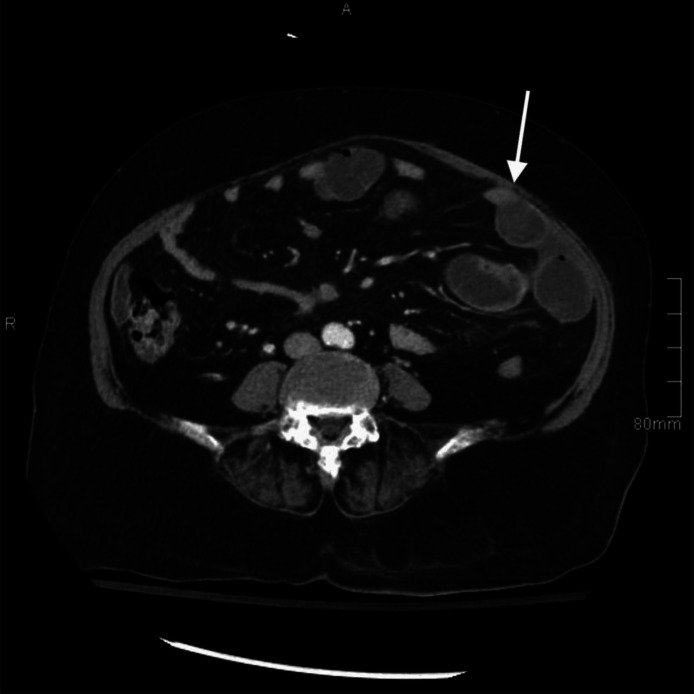 Figure 2
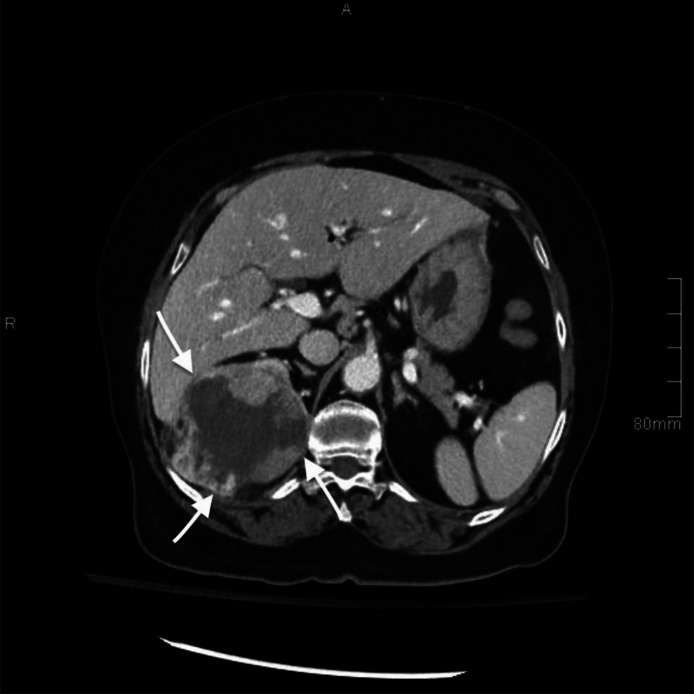 Figure 3
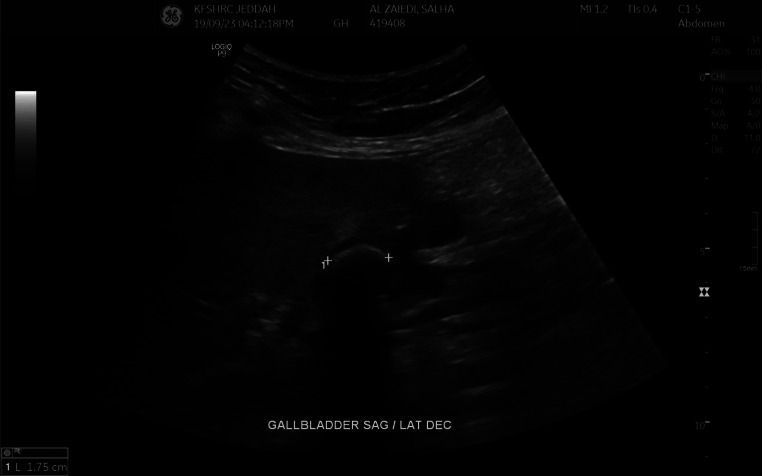 Figure 4
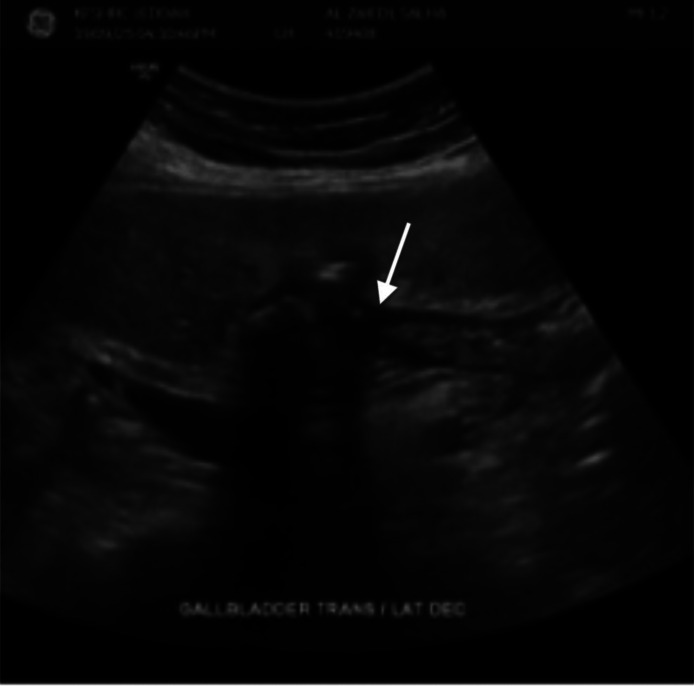 Figure 5
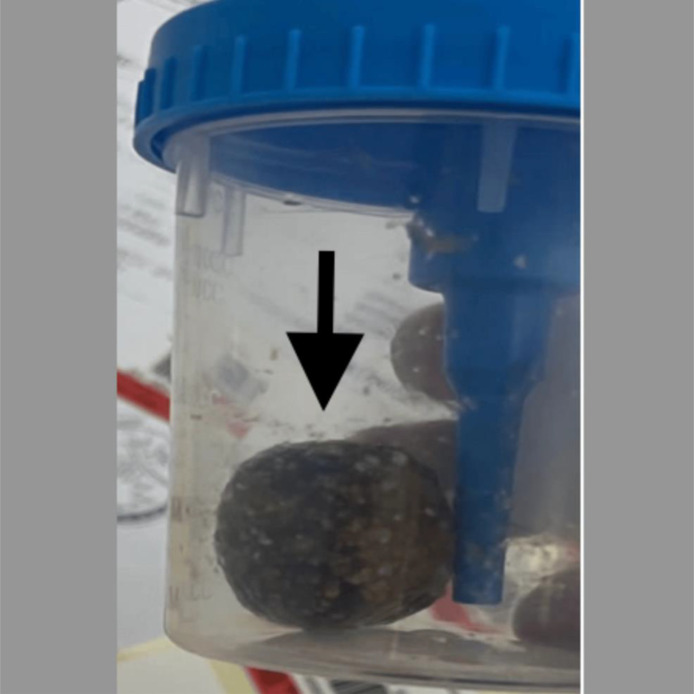 Figure 6
Peer Reviews
No public reviews on file for this paper yet. If you reviewed it on a platform where reviews are public (OpenReview, ICLR, NeurIPS, ICML), you can paste yours below so the community can read it here.
Videos
No videos yet. Explain this paper in a talk, walkthrough, or lecture? Add one.
Taxonomy
TopicsBiliary and Gastrointestinal Fistulas · Esophageal and GI Pathology · Gastrointestinal disorders and treatments