An updated compendium and reevaluation of the evidence for nuclear transcription factor occupancy over the mitochondrial genome
Georgi K Marinov, Vivekanandan Ramalingam, William J Greenleaf, Anshul Kundaje

TL;DR
This paper updates a list of nuclear transcription factors that may bind to the mitochondrial genome using new data and deep learning models.
Contribution
The study provides an updated and comprehensive compendium of nuclear TFs associated with the mitochondrial genome using expanded ENCODE data.
Findings
Evidence for mitochondrial genome occupancy was found for 50 nuclear TFs and two other proteins.
bZIP transcription factors are most likely to act in mitochondria.
Reproducibility of chrM occupancy varies with different antibodies and ChIP protocols.
Abstract
In most eukaryotes, mitochondrial organelles contain their own genome, usually circular, which is the remnant of the genome of the ancestral bacterial endosymbiont that gave rise to modern mitochondria. Mitochondrial genomes are dramatically reduced in their gene content due to the process of endosymbiotic gene transfer to the nucleus; as a result most mitochondrial proteins are encoded in the nucleus and imported into mitochondria. This includes the components of the dedicated mitochondrial transcription and replication systems and regulatory factors, which are entirely distinct from the information processing systems in the nucleus. However, since the 1990s several nuclear transcription factors have been reported to act in mitochondria, and previously we identified 8 human and 3 mouse transcription factors (TFs) with strong localized enrichment over the mitochondrial genome using…
Genes, proteins, chemicals, diseases, species, mutations and cell lines named across the full text — each resolved to its canonical identifier and authoritative record.
Click any figure to enlarge with its caption.
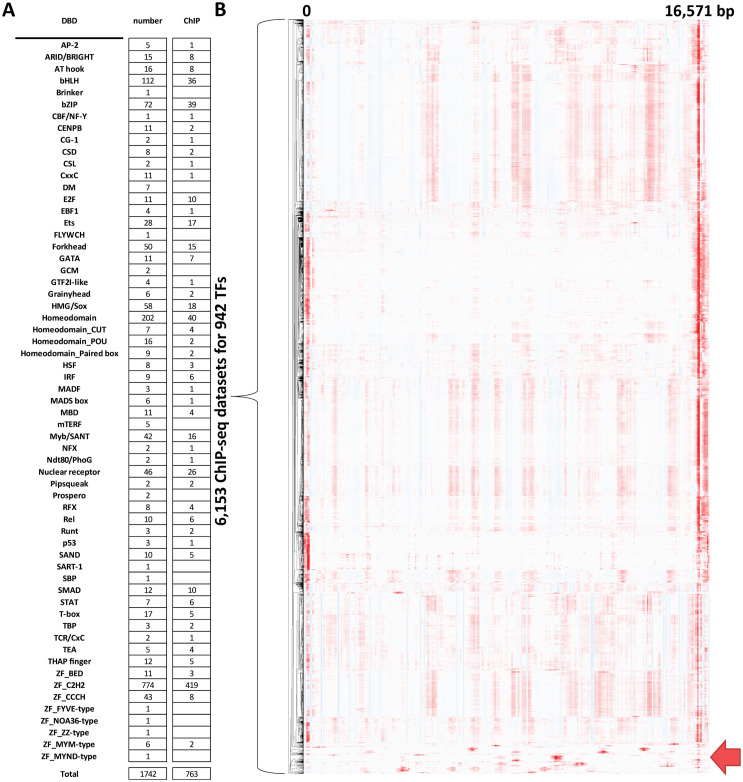 Figure 1
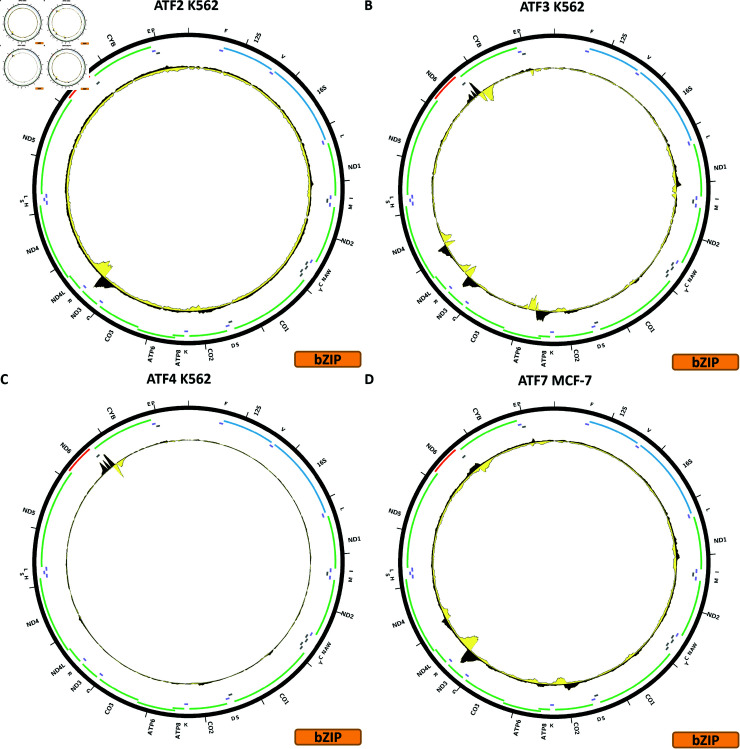 Figure 2
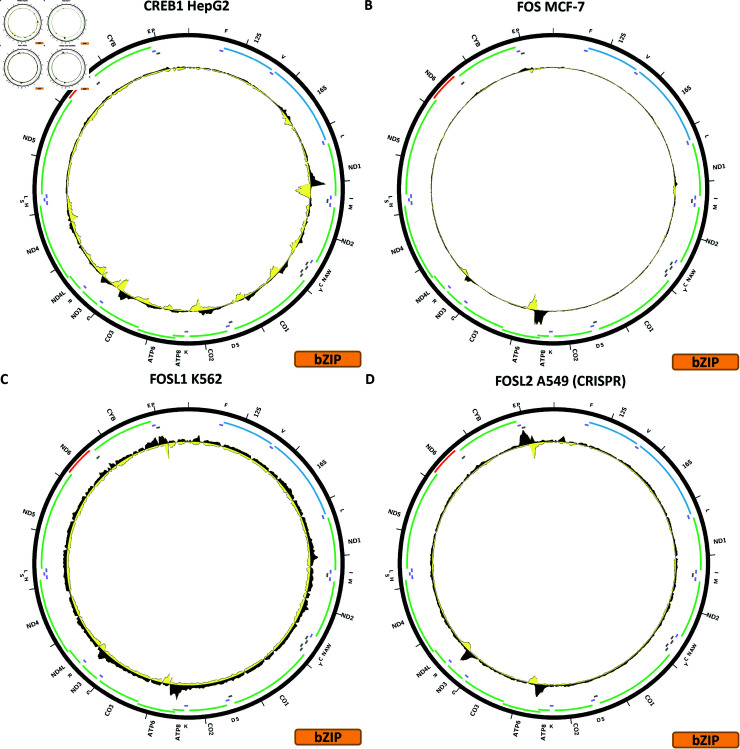 Figure 3
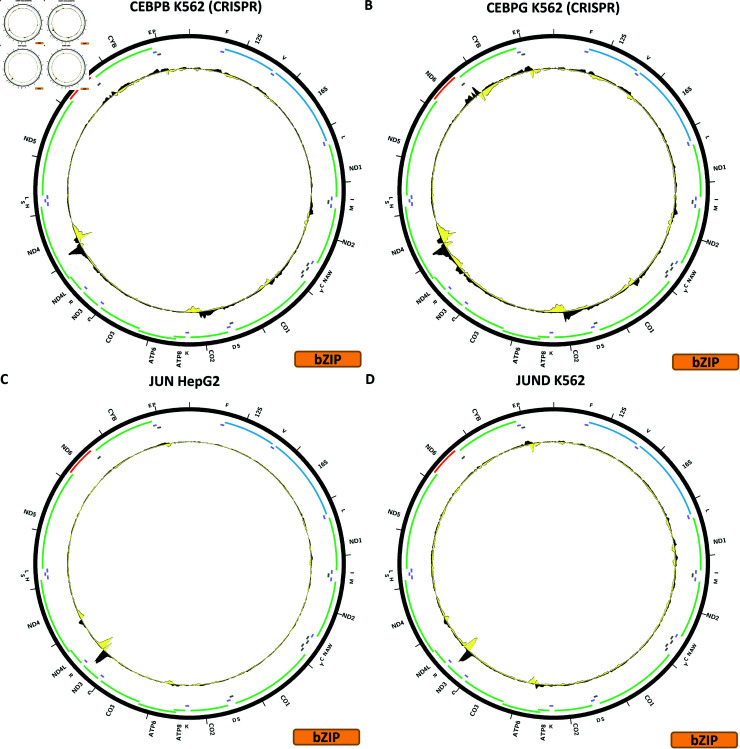 Figure 4
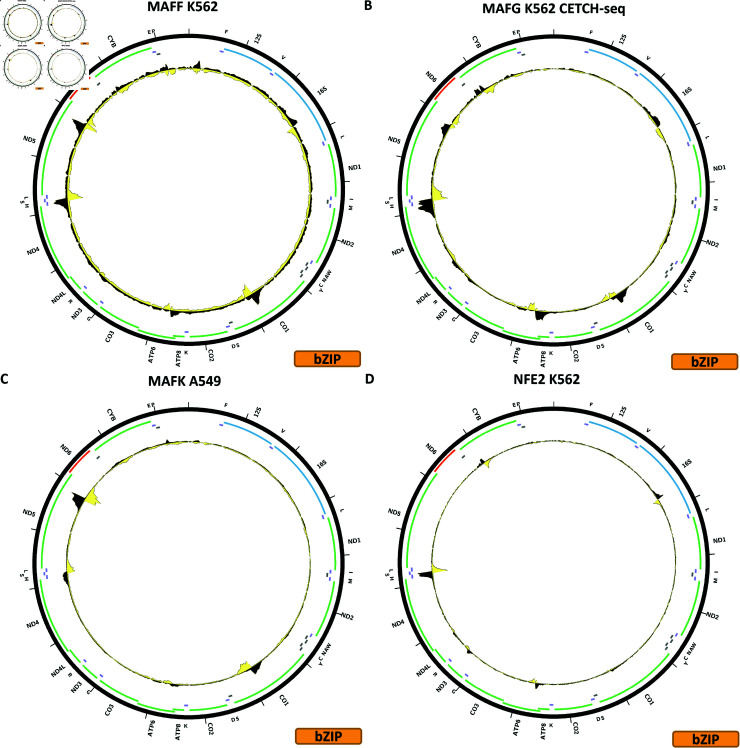 Figure 5
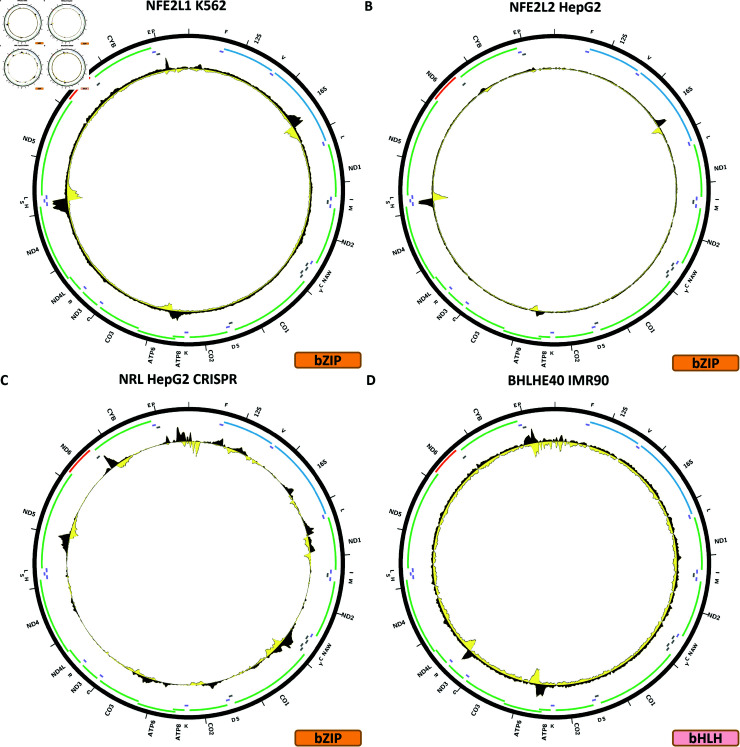 Figure 6
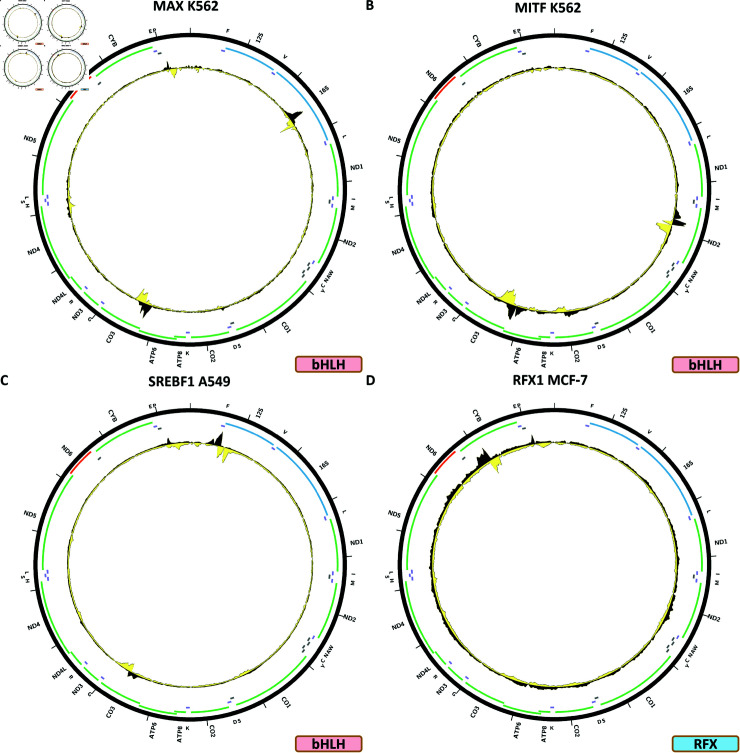 Figure 7
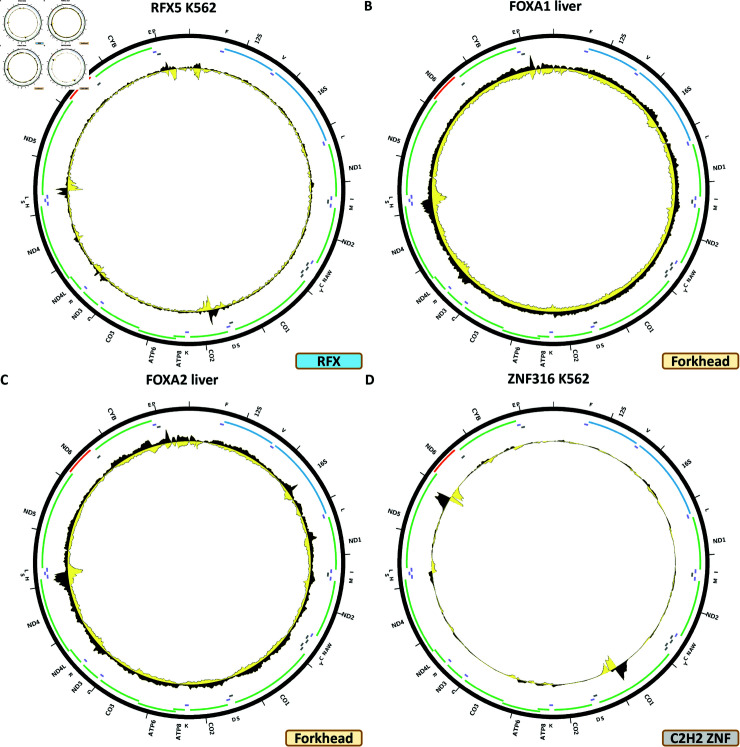 Figure 8
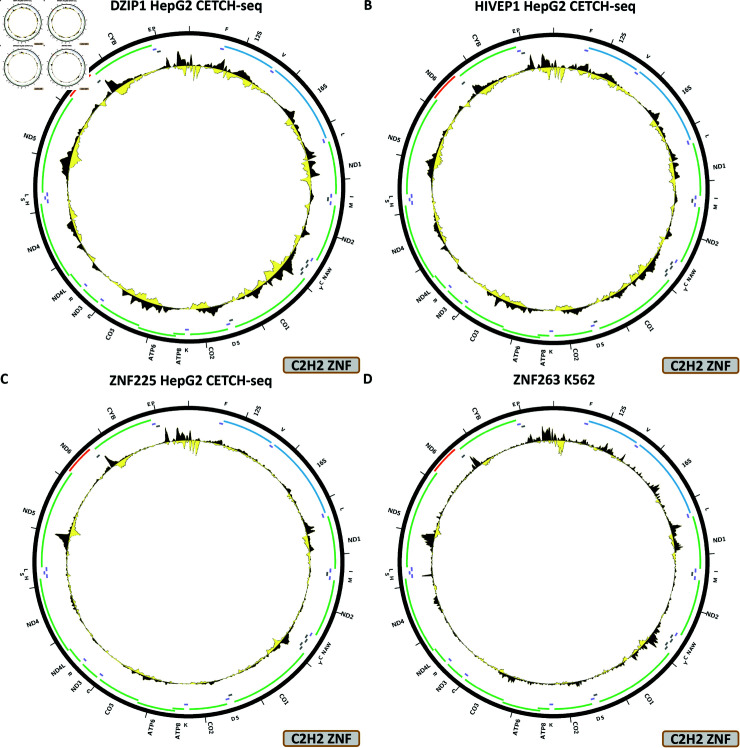 Figure 9
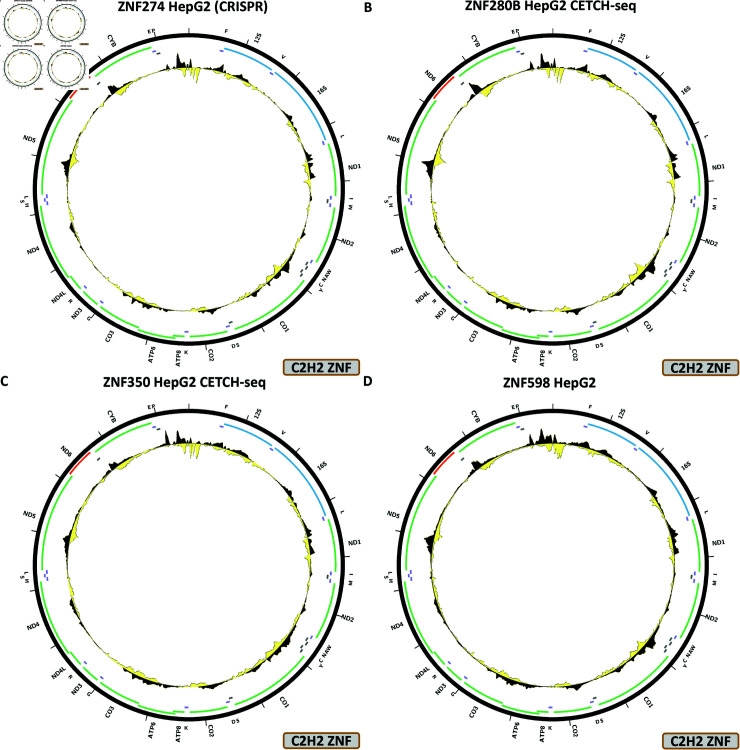 Figure 10
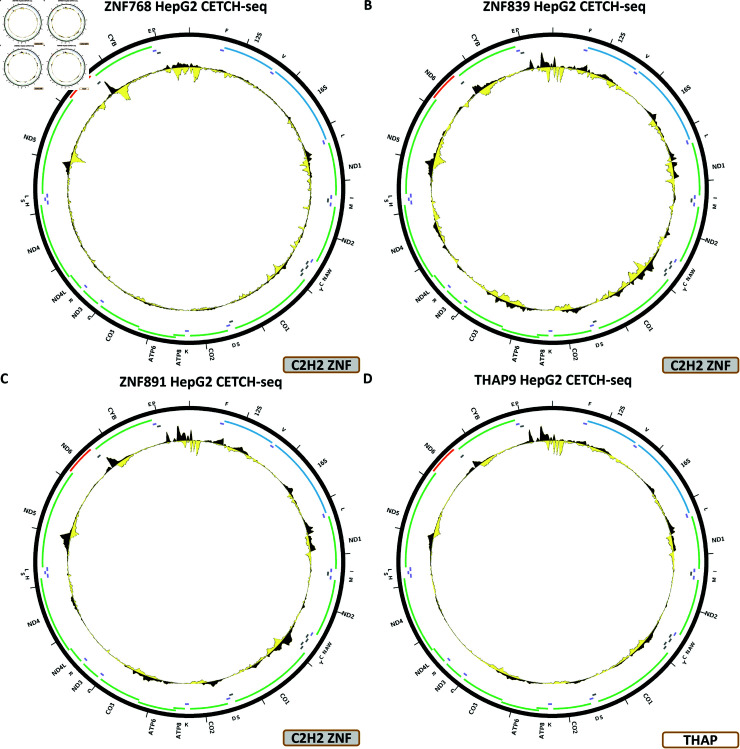 Figure 11
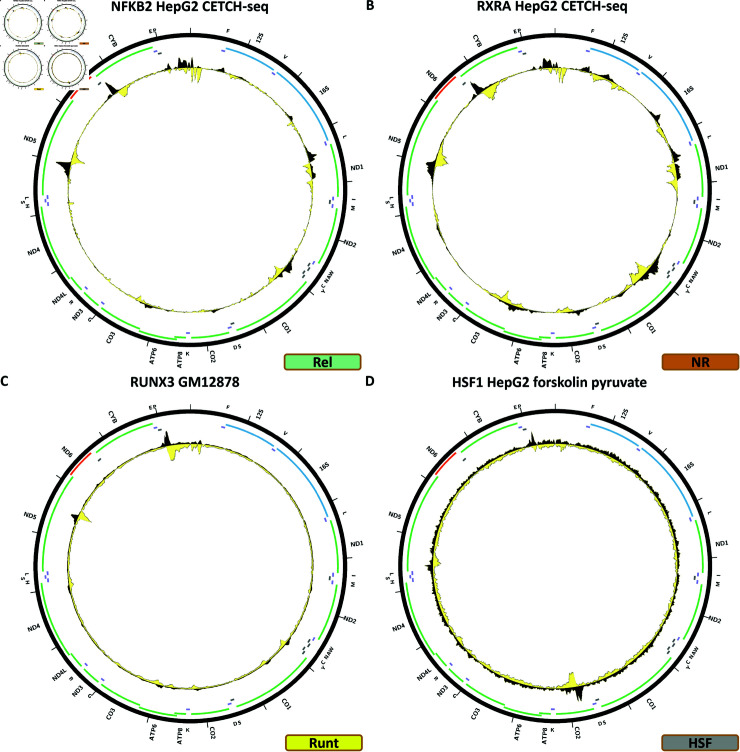 Figure 12
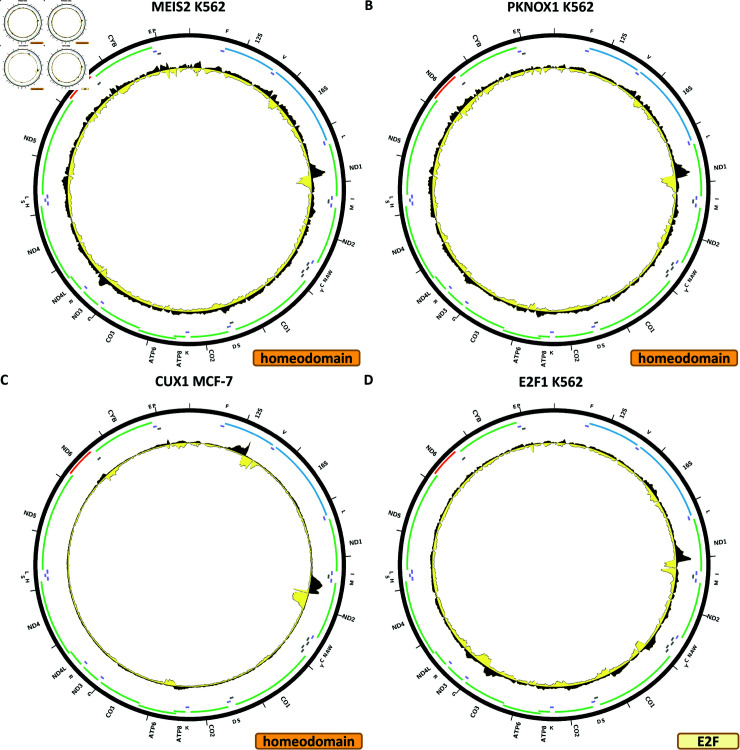 Figure 13
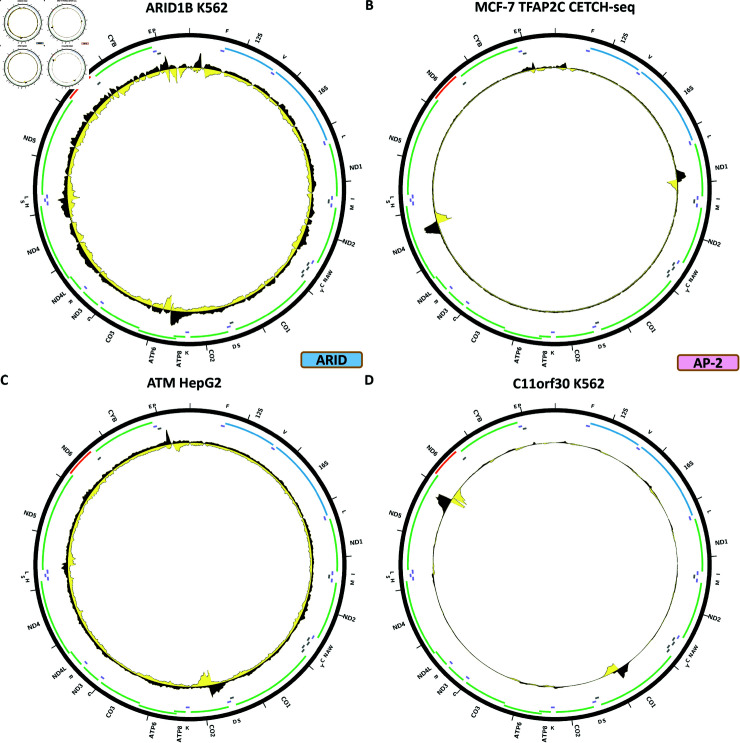 Figure 14
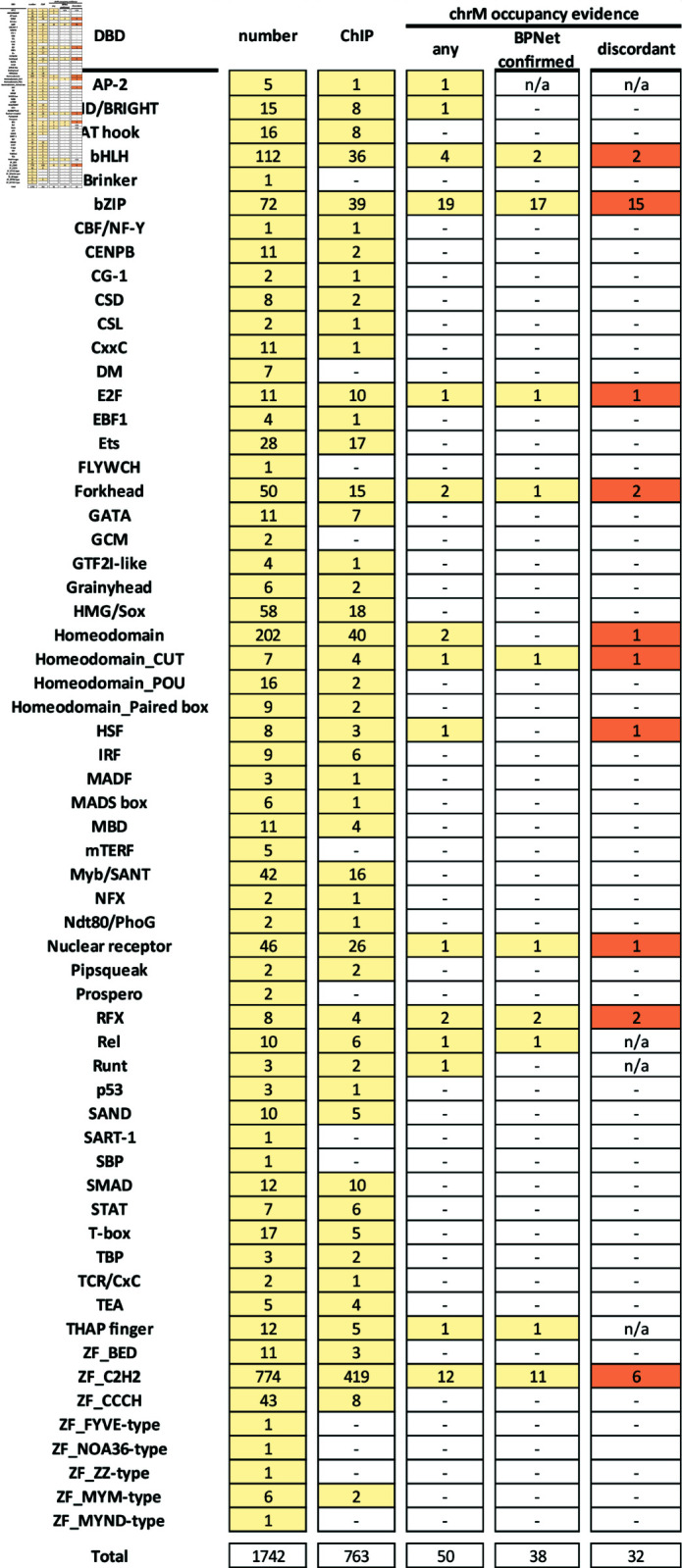 Figure 15
Peer Reviews
No public reviews on file for this paper yet. If you reviewed it on a platform where reviews are public (OpenReview, ICLR, NeurIPS, ICML), you can paste yours below so the community can read it here.
Videos
No videos yet. Explain this paper in a talk, walkthrough, or lecture? Add one.
Taxonomy
TopicsGenomics and Chromatin Dynamics · RNA modifications and cancer · Mitochondrial Function and Pathology