Environmental Cues Facilitate Maturation and Patterning of Human Induced Pluripotent Stem Cell-Derived Cardiomyocytes
Enrique Coca, Scott Cho, Christopher Kauffman, Alonzo D. Cook, Martin Tristani-Firouzi, Natalia S. Torres

TL;DR
This study shows that using a decellularized pig heart matrix helps human stem cell-derived heart cells mature and align better in the lab.
Contribution
The study demonstrates that extracellular matrix from porcine left ventricles enhances cardiomyocyte maturation and organization in vitro.
Findings
Cells on ECM formed longitudinal fibers differing from standard 2D conditions.
ECM-derived cardiomyocytes showed higher expression of maturation-related genes.
ECM promotes a bias toward mature cardiomyocyte differentiation.
Abstract
Advances in induced pluripotent stem cell (iPSC) technology allow for reprogramming of adult somatic cells into stem cells from which patient- and disease-specific cardiomyocytes (CMs) can be derived. Yet, the potential of iPSC technology to revolutionize cardiovascular research is limited, in part, by the embryonic nature of these cells. Here, we test the hypothesis that decellularized porcine left ventricular extracellular cardiac matrix (ECM) provides environmental cues that promote transcriptional maturation and patterning of iPSC-CMs in culture. Cardiac progenitor cells were plated on ECM or standard tissue plates (2D monolayer) for 30 days, after which CM orientation and single cell transcriptomics were evaluated using confocal imaging and singe cell RNA-sequencing, respectively. Cardiac progenitors differentiated on left ventricular ECM formed longitudinal fibers that differed…
Genes, proteins, chemicals, diseases, species, mutations and cell lines named across the full text — each resolved to its canonical identifier and authoritative record.
Click any figure to enlarge with its caption.
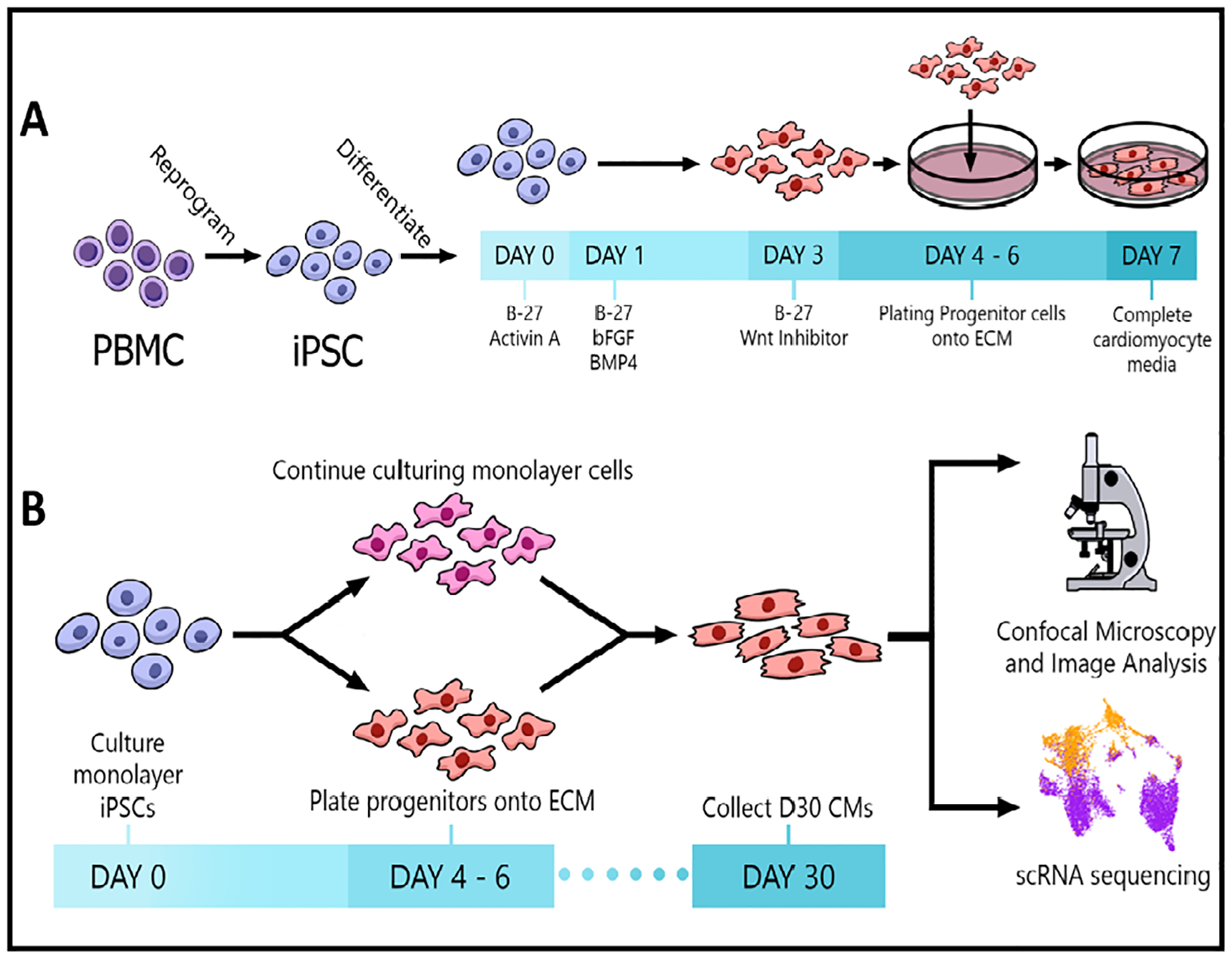 Figure 1
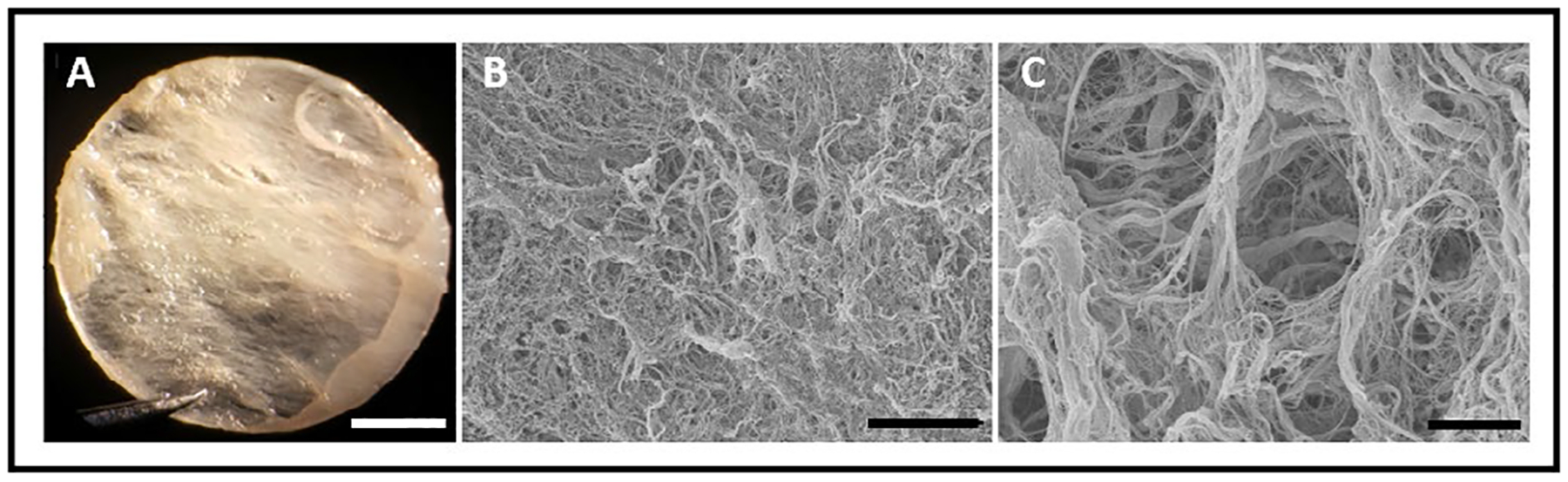 Figure 2
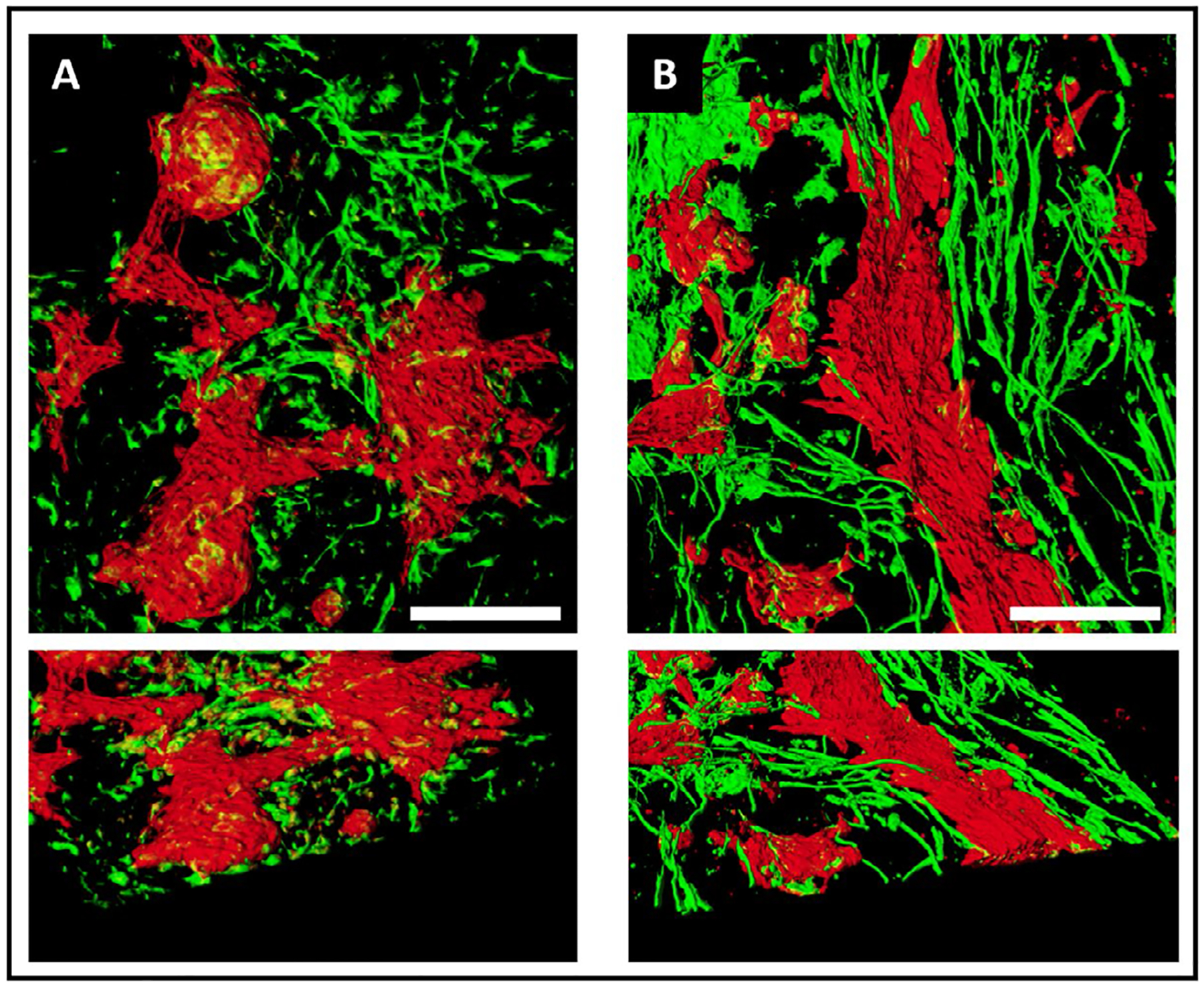 Figure 3
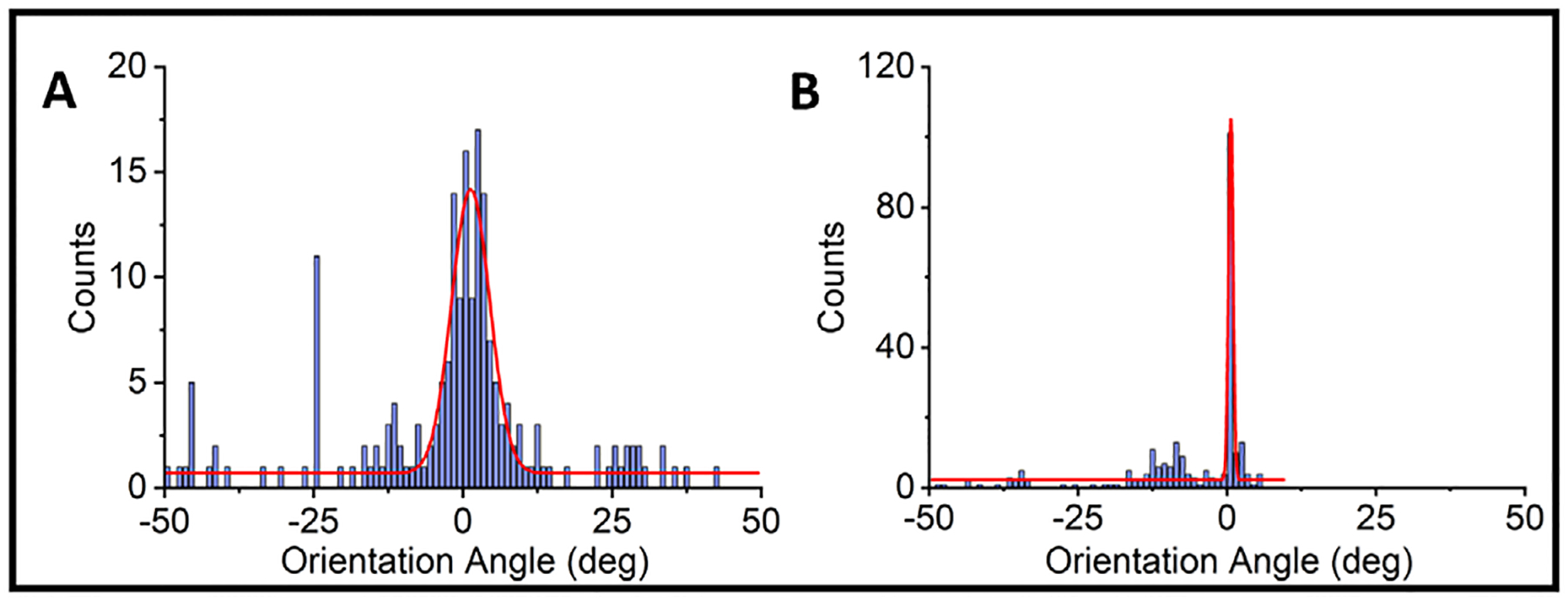 Figure 4
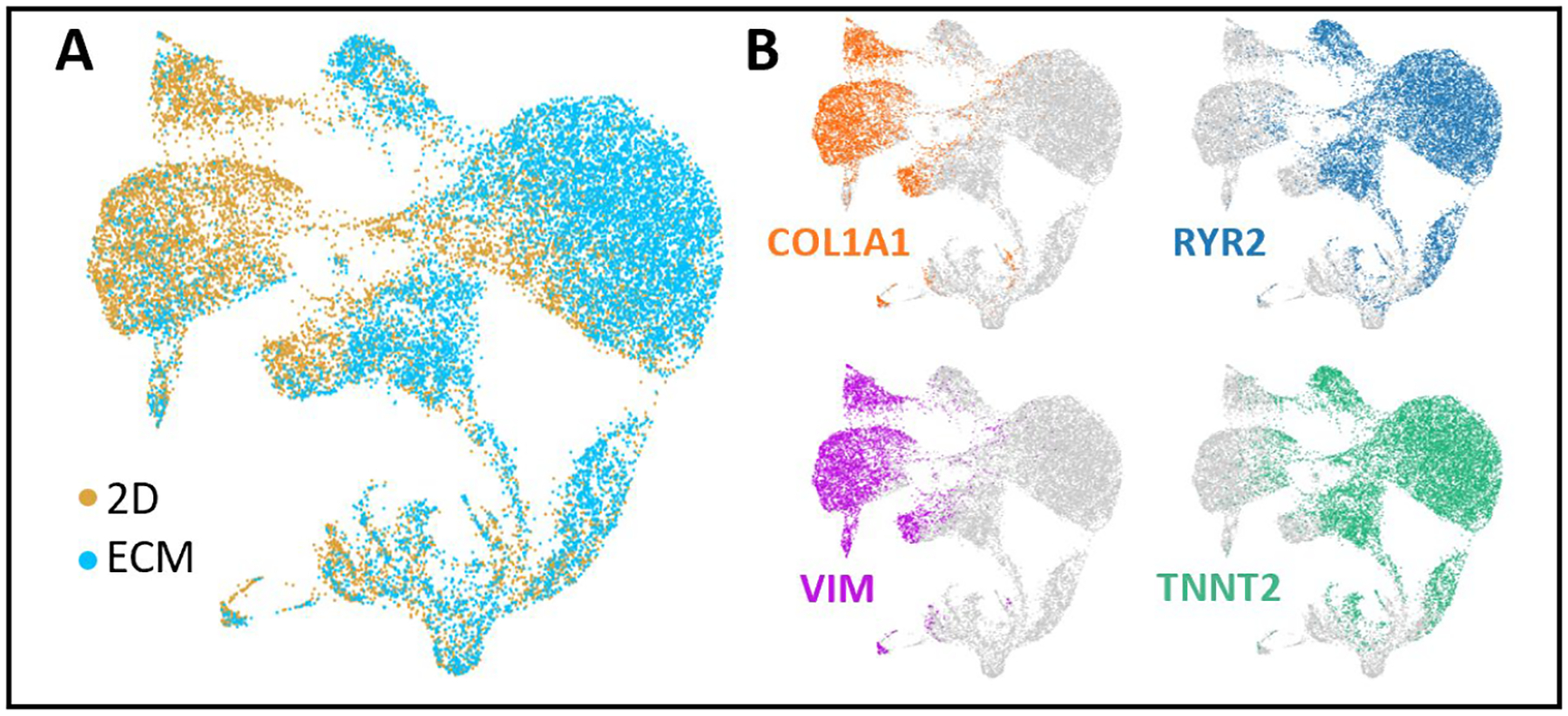 Figure 5
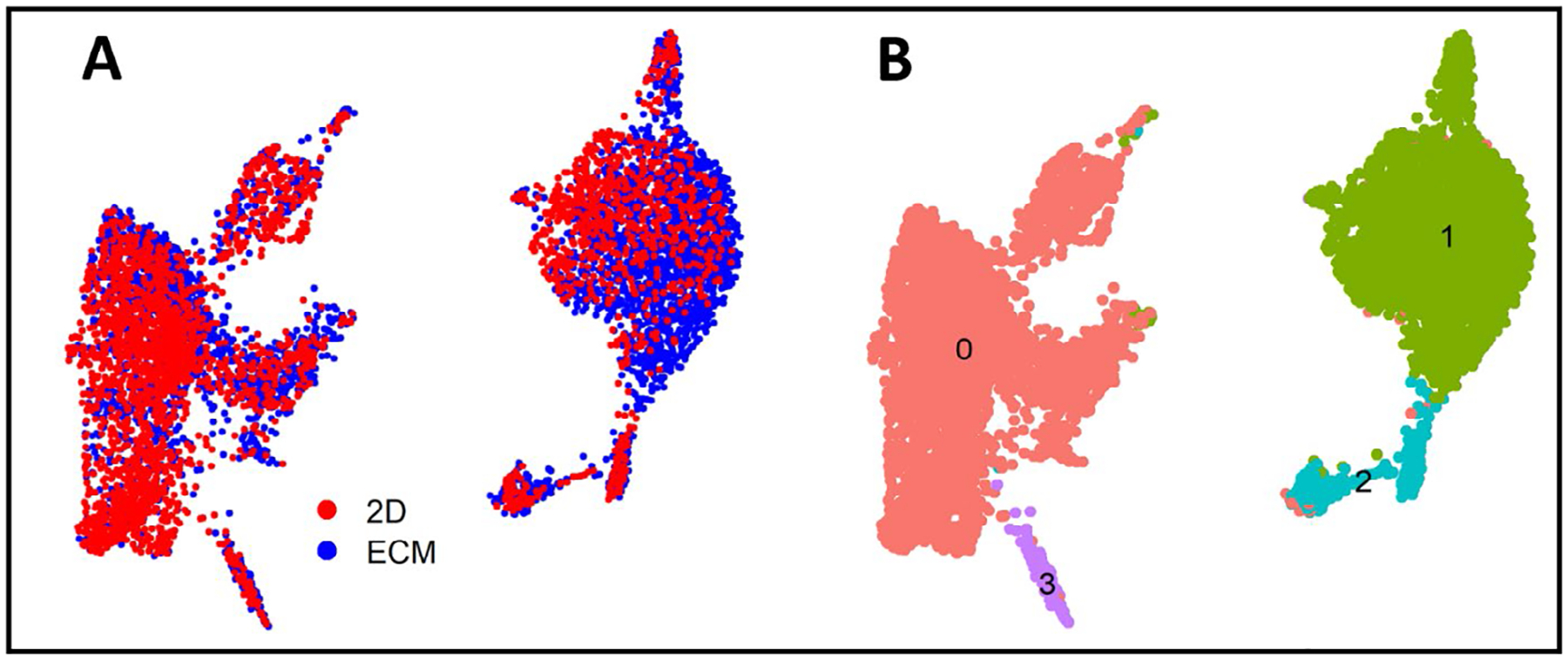 Figure 6
Peer Reviews
No public reviews on file for this paper yet. If you reviewed it on a platform where reviews are public (OpenReview, ICLR, NeurIPS, ICML), you can paste yours below so the community can read it here.
Videos
No videos yet. Explain this paper in a talk, walkthrough, or lecture? Add one.
Taxonomy
TopicsPluripotent Stem Cells Research · Tissue Engineering and Regenerative Medicine · 3D Printing in Biomedical Research