Hashimoto’s Encephalopathy: A Rare Clinical Diagnosis in a Male Pediatric Patient
Mackenzie Herzig, Eduardo Fastag-Guttman, Andrew Wu

TL;DR
This paper reports a rare case of Hashimoto’s encephalopathy in a male child, highlighting its unusual presentation and treatment response.
Contribution
The novelty lies in documenting a rare pediatric male case of Hashimoto’s encephalopathy.
Findings
Hashimoto’s encephalopathy is uncommon in pediatric patients.
The condition is marked by altered mental status and responsiveness to corticosteroids.
Thyroid antibodies are present, but the exact mechanism remains unclear.
Abstract
Hashimoto's encephalopathy (HE) is very uncommon in the pediatric literature. It is most often characterized by altered mental status (AMS) that can range from mild confusion to hallucinations and severe agitation. The exact pathophysiologic mechanism of HE is unclear. The most popular proposed mechanism describes an immune-mediated process as opposed to a direct effect of thyroid hormone or thyroid antibodies on the central nervous system (CNS) despite the association in the name with Hashimoto’s thyroiditis. Suspicion for HE is raised when a patient has encephalopathy, the presence of thyroid antibodies, and responsiveness to high-dose corticosteroids.
Genes, proteins, chemicals, diseases, species, mutations and cell lines named across the full text — each resolved to its canonical identifier and authoritative record.
Click any figure to enlarge with its caption.
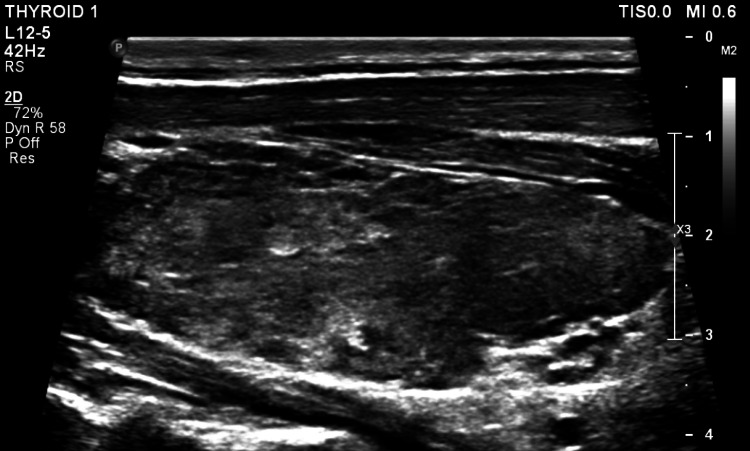 Figure 1
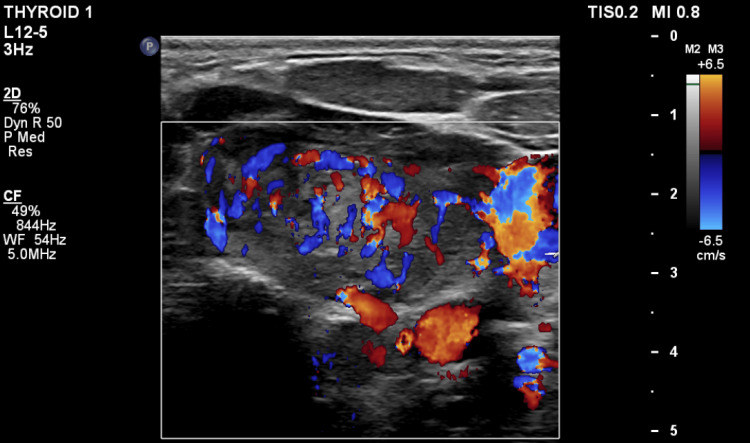 Figure 2
Peer Reviews
No public reviews on file for this paper yet. If you reviewed it on a platform where reviews are public (OpenReview, ICLR, NeurIPS, ICML), you can paste yours below so the community can read it here.
Videos
No videos yet. Explain this paper in a talk, walkthrough, or lecture? Add one.
Taxonomy
TopicsAutoimmune Neurological Disorders and Treatments · Ion channel regulation and function · Genetics and Neurodevelopmental Disorders