The impact of fine particulate matter on depression: Evidence from social media in China
Yao Zhong, Jianxin Guo, Hongbiao Wang, Zhufeng Qiao, Jichun Zhao, Lei Chen, Ying Nie

TL;DR
This study finds that fine particulate matter in the air is linked to increased depression in China, with higher pollution levels correlating with higher depression tendencies.
Contribution
The novel use of social media data and instrumental variable analysis reveals a causal link between PM2.5 and depression tendencies.
Findings
Every 1 μg/m³ increase in PM2.5 concentration leads to a 0.0559% rise in depression tendency.
Depression susceptibility due to pollution shows a weekly pattern, affecting heating cities and lower-income groups more.
Environmental policies have economic benefits by reducing healthcare costs related to depression.
Abstract
Depression is a significant public health issue in China that imposes a heavy economic burden on society and families. Using a dataset of 8.54 million Weibo posts from 284 prefecture-level cities across China between 2016 and 2019, we calculate the depression tendency index for residents in each city. Using the weighting of pollutants in nearby cities as an instrumental variable, we apply the two-stage least squares method to estimate the impact of PM2.5 on depression. The findings reveal that (1) air pollution markedly influences residents’ susceptibility to depression, and every 1 μg/m3 increase in the PM2.5 concentration results in a 0.0559% increase in the depression tendency value. (2) The influence of air pollution on residents’ depression exhibits a distinct weekly pattern, with individuals in heating cities, on weekdays, and in lower-income brackets being more impacted. (3) Our…
Genes, proteins, chemicals, diseases, species, mutations and cell lines named across the full text — each resolved to its canonical identifier and authoritative record.
Click any figure to enlarge with its caption.
 Figure 1
 Figure 2
 Figure 3
 Figure 4
 Figure 5
 Figure 6
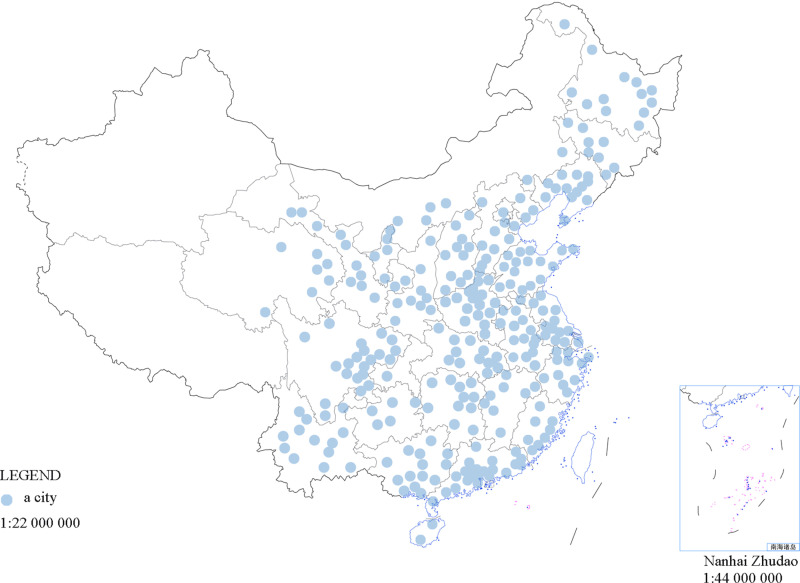 Figure 7
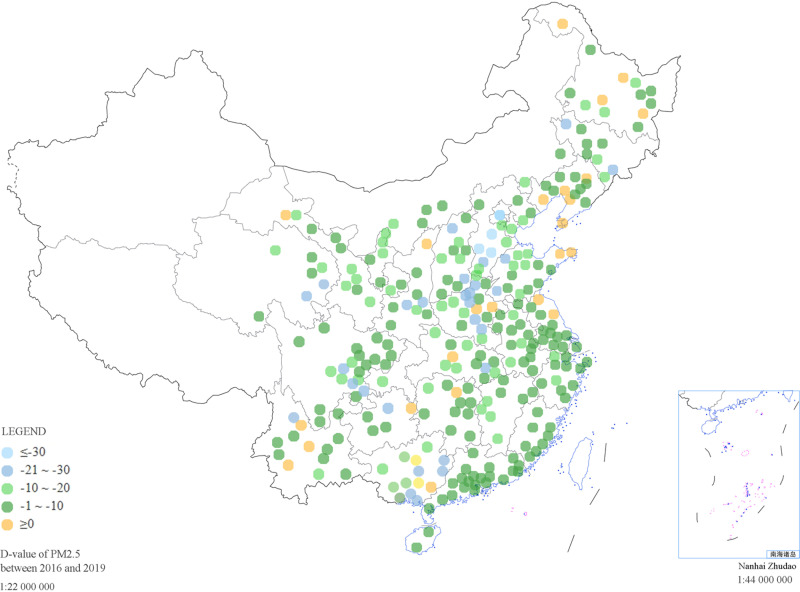 Figure 8
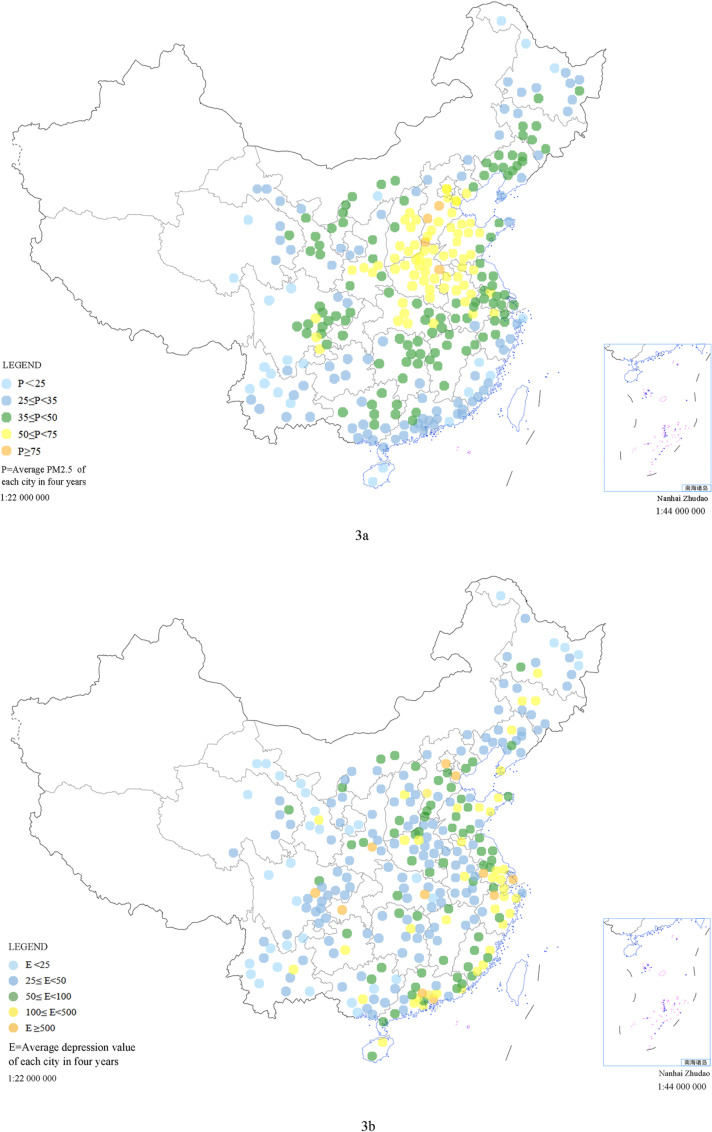 Figure 9
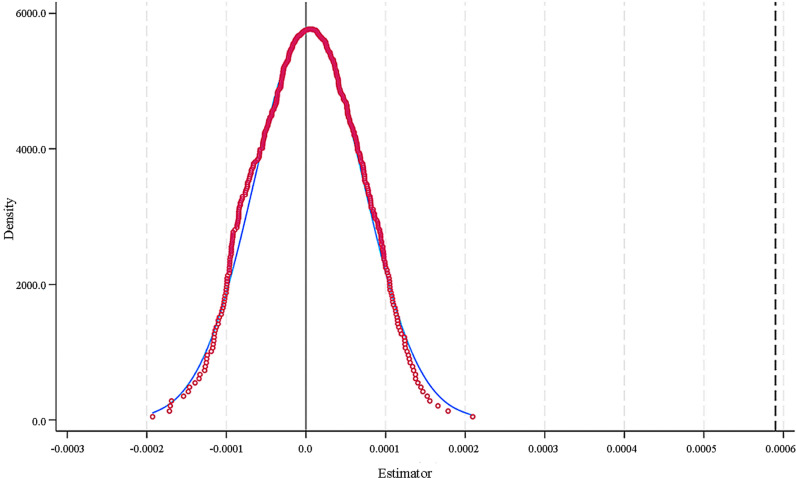 Figure 10
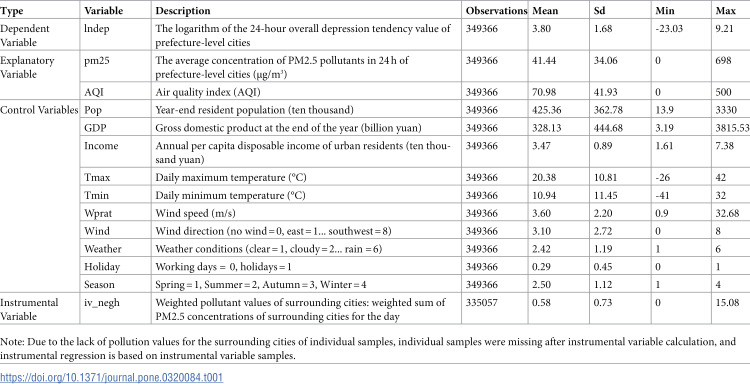 Figure 11
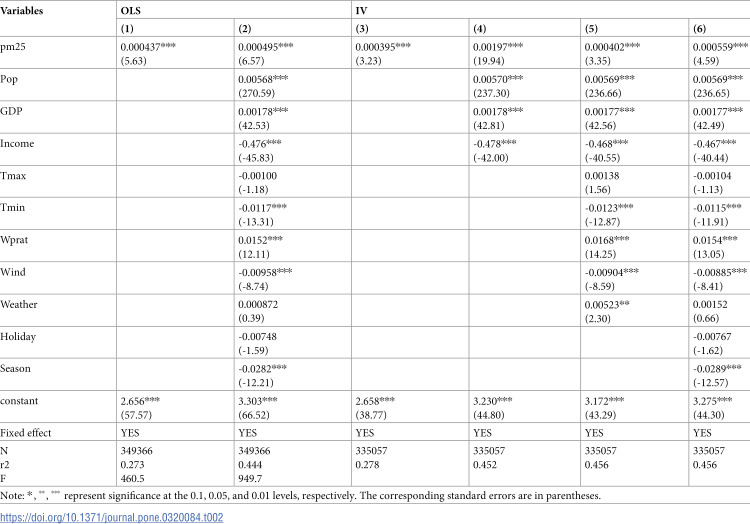 Figure 12
 Figure 13
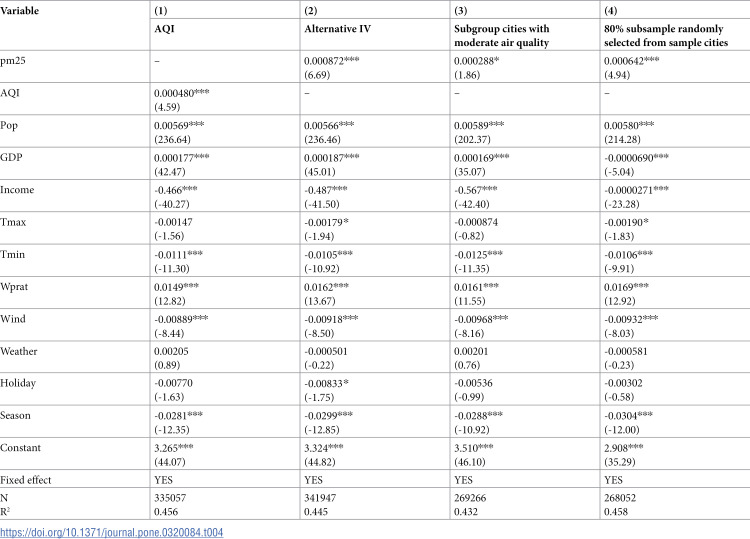 Figure 14
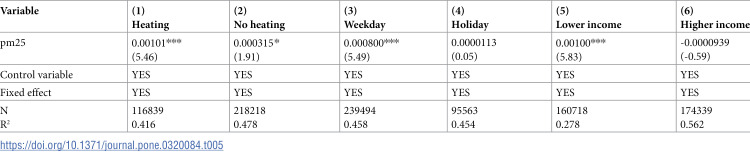 Figure 15
 Figure 16
Peer Reviews
No public reviews on file for this paper yet. If you reviewed it on a platform where reviews are public (OpenReview, ICLR, NeurIPS, ICML), you can paste yours below so the community can read it here.
Videos
No videos yet. Explain this paper in a talk, walkthrough, or lecture? Add one.
Taxonomy
TopicsAir Quality and Health Impacts · Health disparities and outcomes · COVID-19 Pandemic Impacts