Material philology and Syriac excerpting practices: A computational-quantitative study of the digitized catalog of the Syriac manuscripts in the British Library
Noam Maeir

TL;DR
This paper uses computational analysis of digitized Syriac manuscripts to study excerpting practices, revealing patterns in how texts were compiled and organized across centuries.
Contribution
The study introduces the Excerpts Per Manuscript (EPM) metric and shows excerpting was a widespread cultural practice in Syriac manuscript culture.
Findings
Most Syriac manuscripts contain fewer than 20 excerpts, but a few show high levels of excerpting.
Manuscripts with the highest EPM values are concentrated between the 6th and 9th centuries CE.
Excerpting was a widespread activity across multiple genres, not limited to specific literary types.
Abstract
This study explores the literary practice of excerpting in Syriac manuscripts through a computational-quantitative analysis, contributing to the emerging field of Syriac material philology. The primary objective is to offer a “big picture” charting of Syriac excerpting as a non-authorial literary practice. Using digitized data from the British Library’s Syriac manuscript collection, the study analyzes nearly 20,000 excerpts, introducing the Excerpts Per Manuscript (EPM) metric to quantify and compare excerpting practices across manuscripts. The results reveal that most manuscripts contain fewer than 20 excerpts, but a small number show much higher levels of excerpting, highlighting the immense intellectual and literary activities implicated in their production. These high-EPM manuscripts appear across multiple genres, indicating that excerpting was a widespread and essential cultural…
Genes, proteins, chemicals, diseases, species, mutations and cell lines named across the full text — each resolved to its canonical identifier and authoritative record.
Click any figure to enlarge with its caption.
 Figure 1
 Figure 2
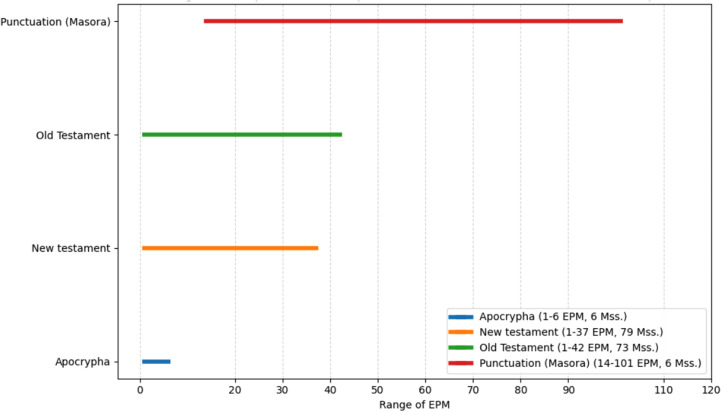 Figure 3
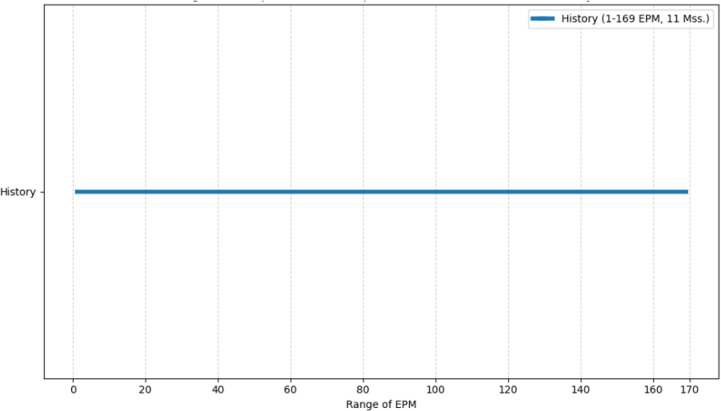 Figure 4
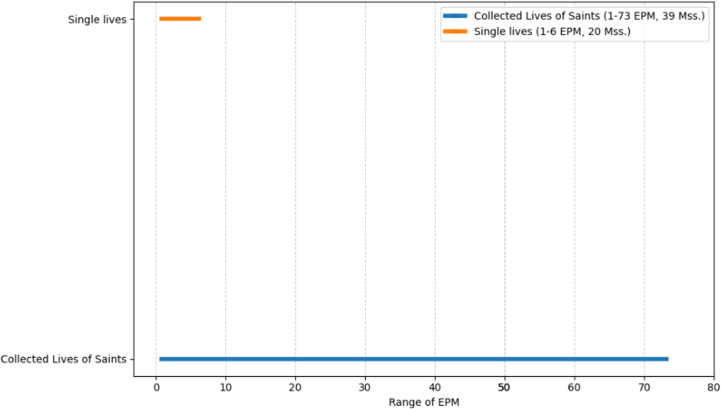 Figure 5
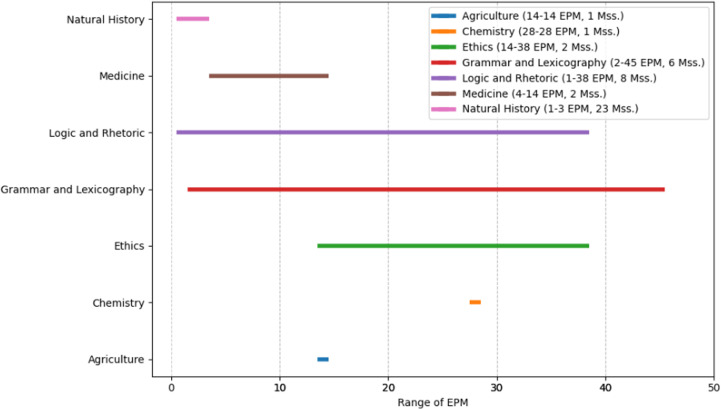 Figure 6
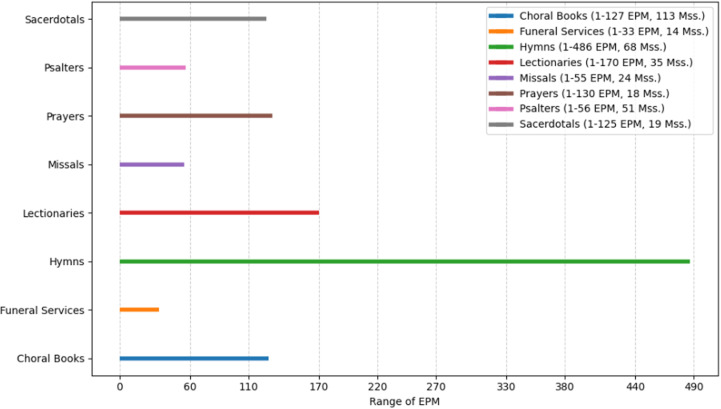 Figure 7
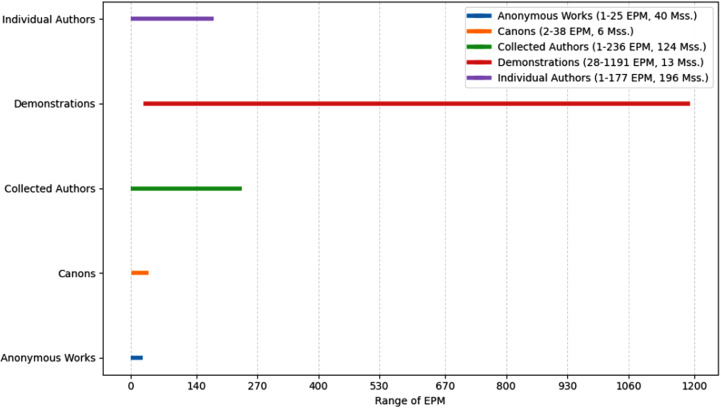 Figure 8
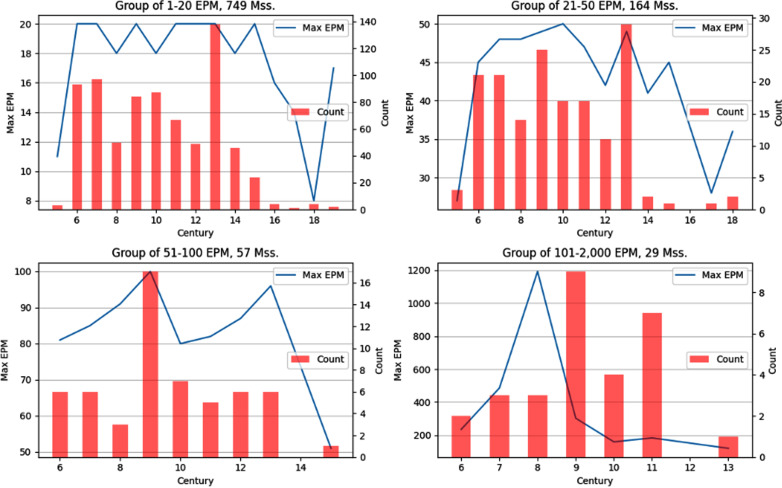 Figure 9
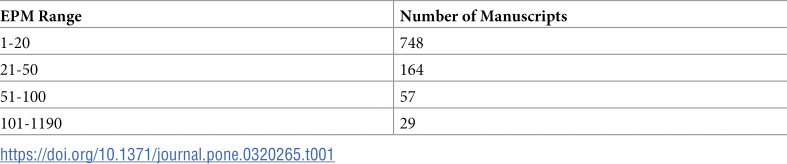 Figure 10
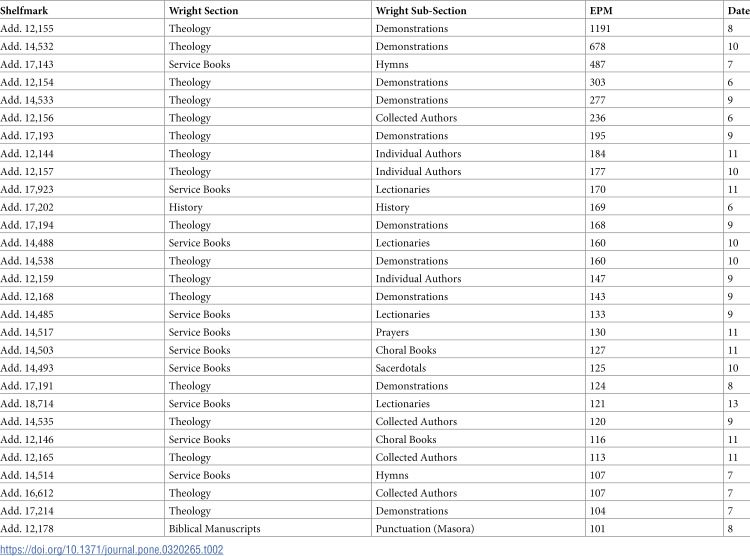 Figure 11
Peer Reviews
No public reviews on file for this paper yet. If you reviewed it on a platform where reviews are public (OpenReview, ICLR, NeurIPS, ICML), you can paste yours below so the community can read it here.
Videos
No videos yet. Explain this paper in a talk, walkthrough, or lecture? Add one.
Taxonomy
TopicsAfrican history and culture analysis · Historical and Linguistic Studies · Digital Humanities and Scholarship