Perceived risk of type 2 diabetes: Using linked genomic, clinical and questionnaire data to understand the potential use of genetic risk tools in British South Asians
Jing Hui Law, Daniel Stow, Sam Hodgson, David A. van Heel, William G. Newman, Magda Osman, Sarah Finer, Miquel Vall-llosera Camps, Steve Zimmerman, Steve Zimmerman, Julia Robinson

TL;DR
This study explores how British South Asians perceive genetic risk for type 2 diabetes and what factors influence their intention to adopt preventative health behaviors.
Contribution
The study provides novel insights into genetic risk perceptions and behavior intentions in British Bangladeshi and Pakistani populations, often underrepresented in genomic research.
Findings
Older age, perceived control over health, and interest in genetic testing directly increase intention to adopt preventative behaviors.
Household income and self-identified ethnicity indirectly influence intention through genetic testing interest and family history of T2D.
Socio-demographic and familial factors mediate how individuals perceive and respond to genetic risk information.
Abstract
Despite growing interest surrounding the integration of genetic risk tools such as polygenic risk scores (PRSs) into routine care for early disease identification and management, major questions remain about whether and how these tools are to be implemented at-scale. Many interventions have explored their use in encouraging the adoption of preventative health behaviours—yet existing evidence remains undetermined, limited by the focus on White European populations. The present study used structural equation modelling to explore genetic risk perceptions surrounding type 2 diabetes (T2D) in a sample of British Bangladeshi and British Pakistani volunteers—combining questionnaire data alongside genomic and clinical information to identify the characteristics of individuals who are likely to act on genetic risk information. We conducted this study with volunteers enrolled in Genes & Health—a…
Genes, proteins, chemicals, diseases, species, mutations and cell lines named across the full text — each resolved to its canonical identifier and authoritative record.
Click any figure to enlarge with its caption.
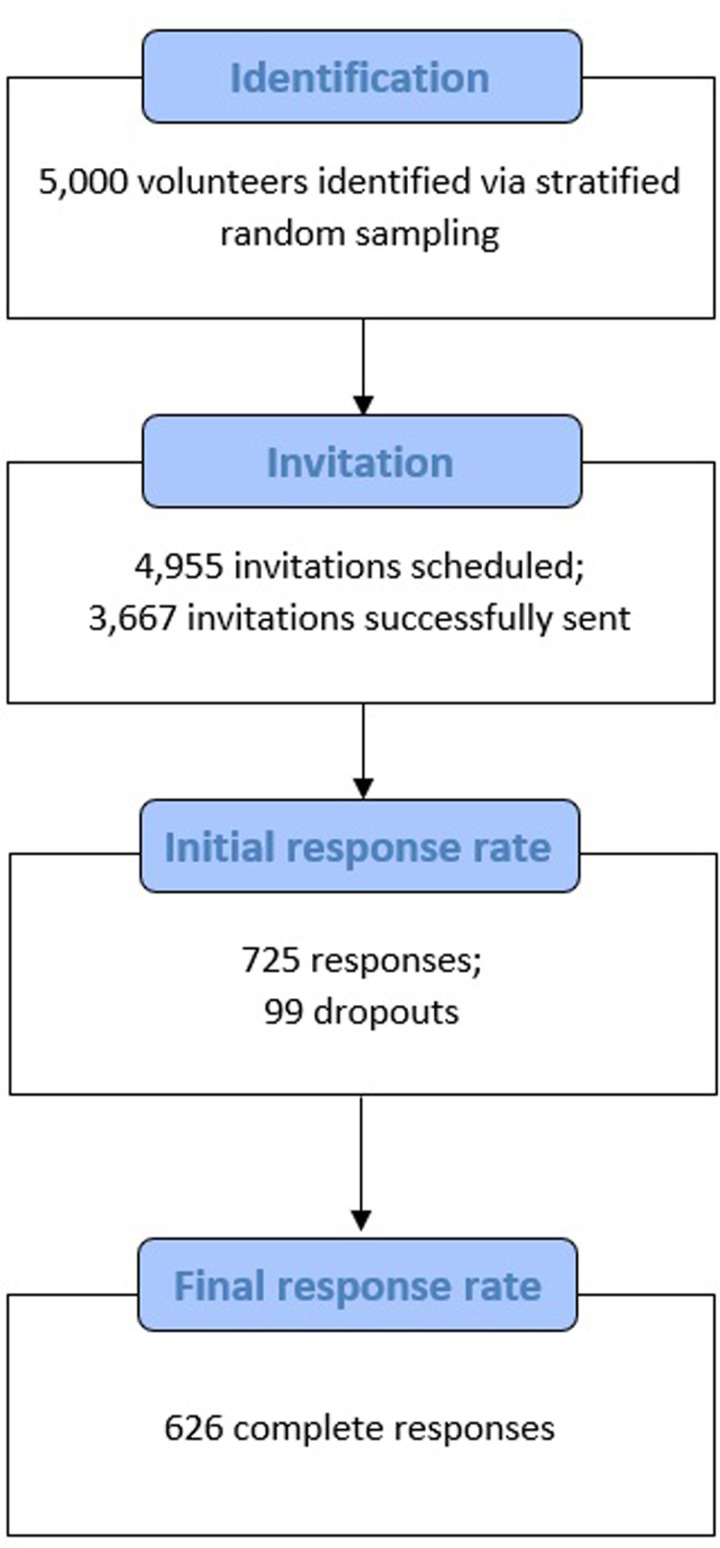 Figure 1
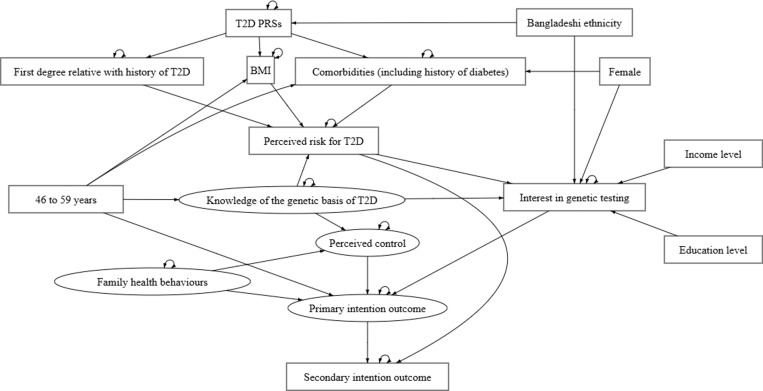 Figure 2
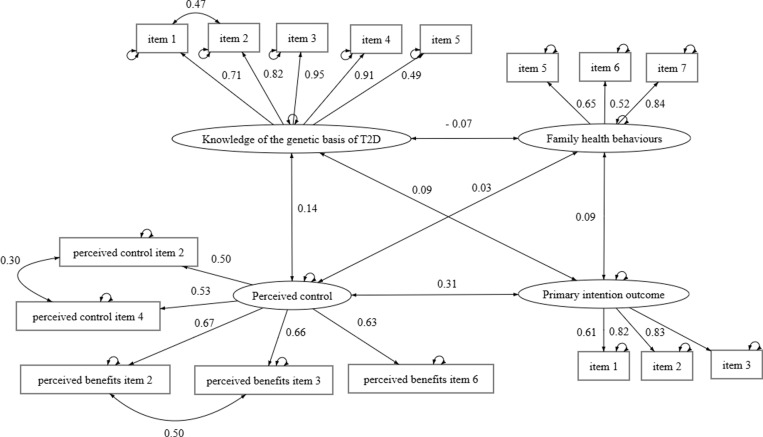 Figure 3
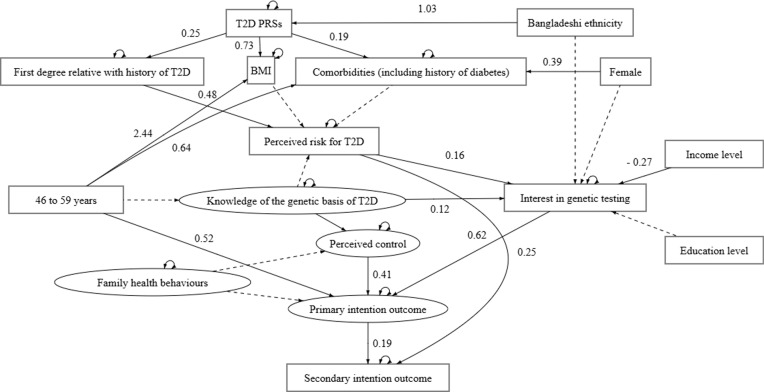 Figure 4
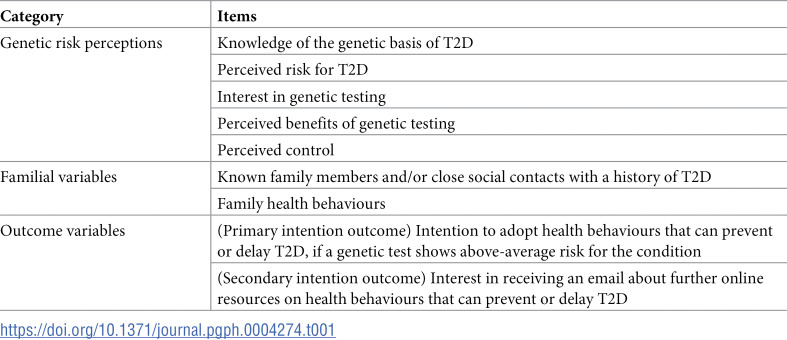 Figure 5
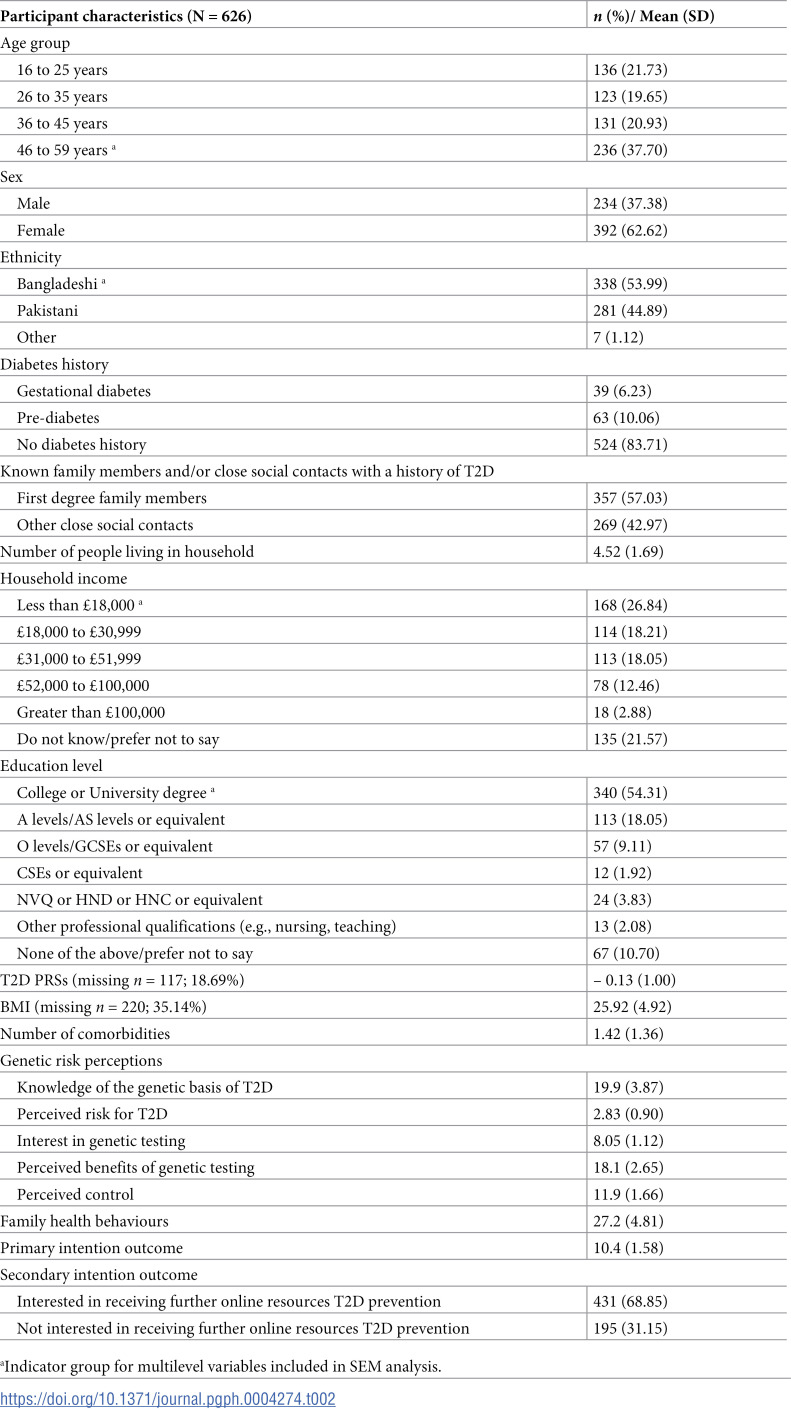 Figure 6
Peer Reviews
No public reviews on file for this paper yet. If you reviewed it on a platform where reviews are public (OpenReview, ICLR, NeurIPS, ICML), you can paste yours below so the community can read it here.
Videos
No videos yet. Explain this paper in a talk, walkthrough, or lecture? Add one.
Taxonomy
TopicsBRCA gene mutations in cancer · Genetic Associations and Epidemiology · Nutrition, Genetics, and Disease