Microsampling in toxicology studies – maximising the scientific, business and 3Rs advantages
Helen Prior, Adeyemi O Adedeji, Romalie Allen, Derek Angus, Daniel Baker, Hollie Blunt, David Coleman, Helen-Marie Dunmore, Elisa Passini, Tara Putnam, Marie-Luce Rosseels, Neil Spooner, Jane Stewart, Carol Strepka, Alan Stokes, Tom Verhaeghe, Amanda Wilson, Fiona Sewell

TL;DR
Microsampling in toxicology reduces animal use and improves data quality by enabling multiple tests in a single animal.
Contribution
A cross-sector survey reveals current microsampling practices and barriers to its broader adoption in toxicology.
Findings
Microsampling is most commonly used for pharmacokinetics in small molecule and agrochemical studies.
Barriers include reluctance to change from traditional methods and validation challenges.
Some organizations have adopted microsampling routinely across rodent toxicity studies.
Abstract
Adoption of a blood microsampling technique can reduce or avoid the use of satellite animals (rodents) for toxicokinetics or other purposes in discovery and toxicology studies and provides refinements applicable for both rodents and larger animals. Microsampling can increase the scientific value of data obtained from rodent studies during drug and (agro)chemical development, enabling multiple endpoints to be investigated and compared in an individual animal in the same way as non-rodents. A cross-sector survey was developed to understand the current use of microsampling in toxicology studies, with the aim of identifying the specific studies in which microsampling was employed and the barriers to wider uptake. A high proportion of the survey responses indicated that microsampling was used, however, the extent varied widely. Some organisations use the technique only in non-GLP studies.…
Genes, proteins, chemicals, diseases, species, mutations and cell lines named across the full text — each resolved to its canonical identifier and authoritative record.
Click any figure to enlarge with its caption.
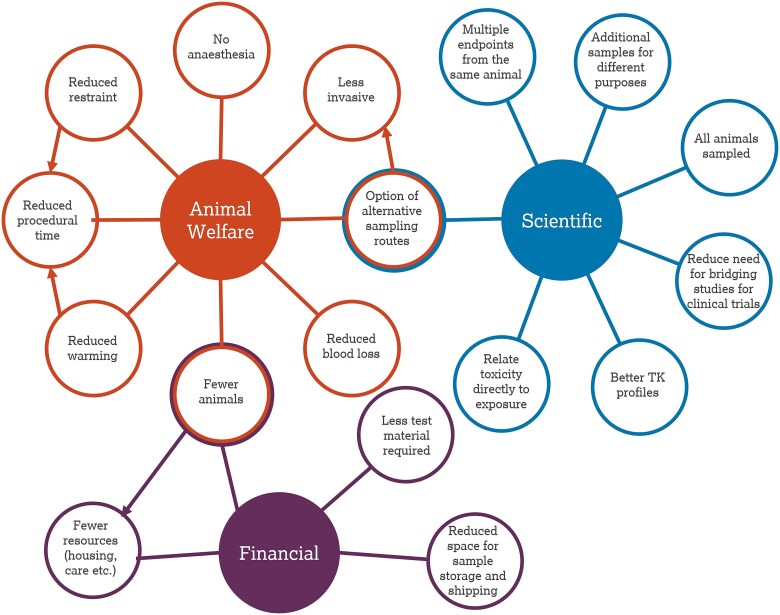 Figure 1
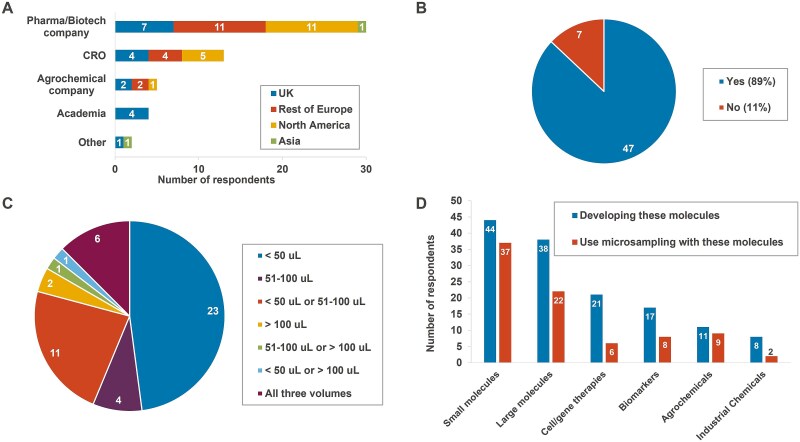 Figure 2
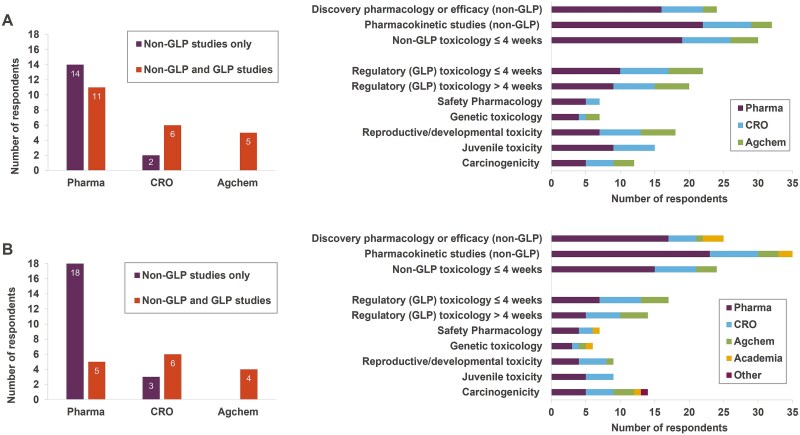 Figure 3
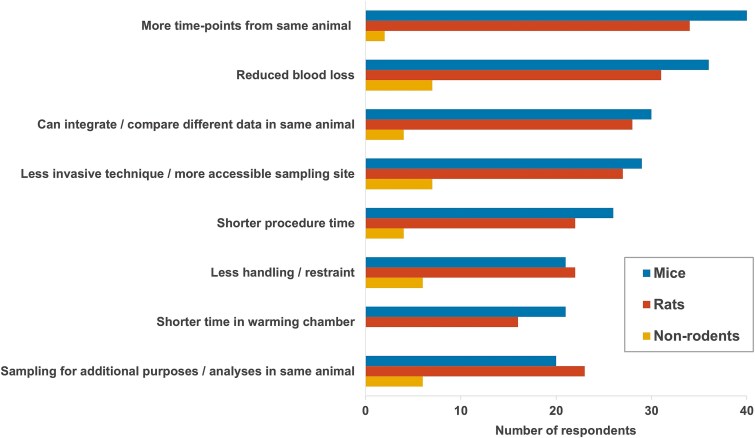 Figure 4
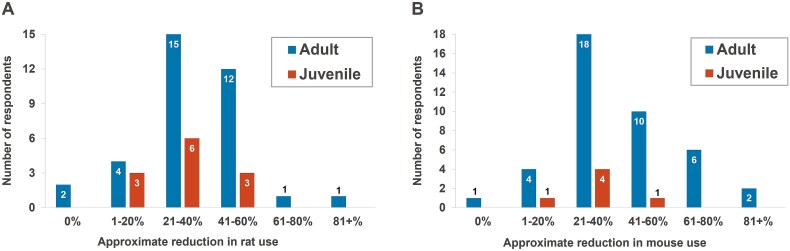 Figure 5
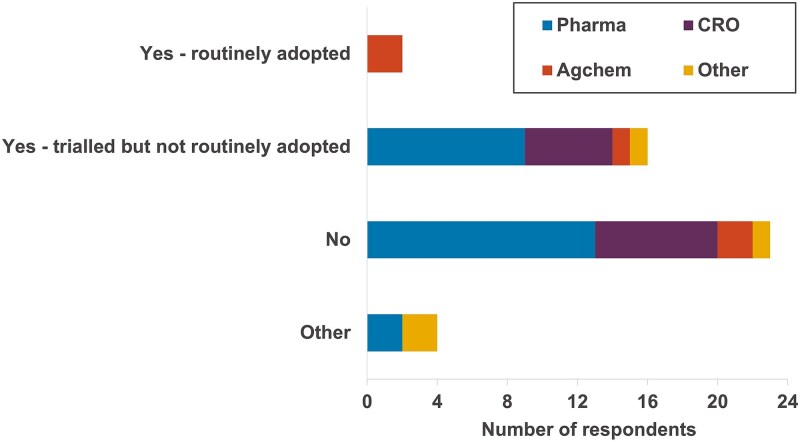 Figure 6
Peer Reviews
No public reviews on file for this paper yet. If you reviewed it on a platform where reviews are public (OpenReview, ICLR, NeurIPS, ICML), you can paste yours below so the community can read it here.
Videos
No videos yet. Explain this paper in a talk, walkthrough, or lecture? Add one.
Taxonomy
TopicsBiosimilars and Bioanalytical Methods