Admixed gene expression models expand molecular and neurological insights into 6 major psychiatric disorders
Xavier Bledsoe, Nathan Watkins, Tavian Bowen-Moore, Eric R. Gamazon

TL;DR
This study shows that using gene expression models trained on diverse ancestral populations improves understanding of psychiatric disorders and their molecular links to brain features.
Contribution
The study introduces and validates admixed gene expression models for psychiatric research, revealing more insights than models based on European ancestry alone.
Findings
Admixed models identified 62% more significant gene-disease associations than European-only models.
Gene-level effects on disease risk were highly correlated across populations, even for genes significant in only one.
Transcriptomic signatures from admixed models linked to neuroimaging features of psychiatric symptoms.
Abstract
Our understanding of the influence of ancestral background on genetically determined expression remains limited, especially when gene expression models are applied to studies from different or multiple populations. We performed transcriptome wide association studies (TWAS) in 6 different psychiatric conditions, leveraging gene expression models trained in cohorts with different proportions of African, European, and Indigenous American genetic ancestries. For comparison we repeated each TWAS using a model trained in individuals of predominantly European ancestry. We identified 1,416 statistically significant TWAS associations (FDR p < 0.05) across the 6 diagnoses, of which 62% were uniquely detected by the admixed gene models. We observed > 92% correlation in the gene-level effects on disease risk, a statistic that remained robust for TWAS results that only reached statistical…
Genes, proteins, chemicals, diseases, species, mutations and cell lines named across the full text — each resolved to its canonical identifier and authoritative record.
Click any figure to enlarge with its caption.
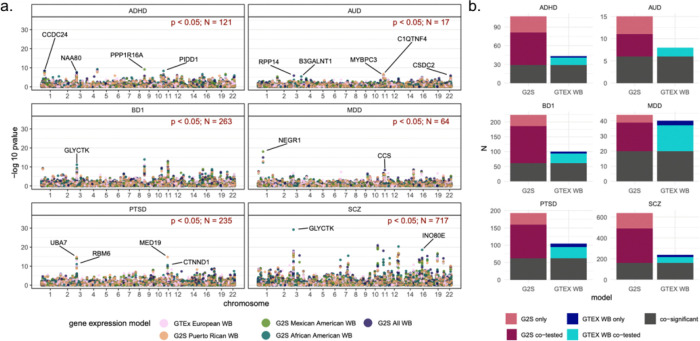 Figure 1
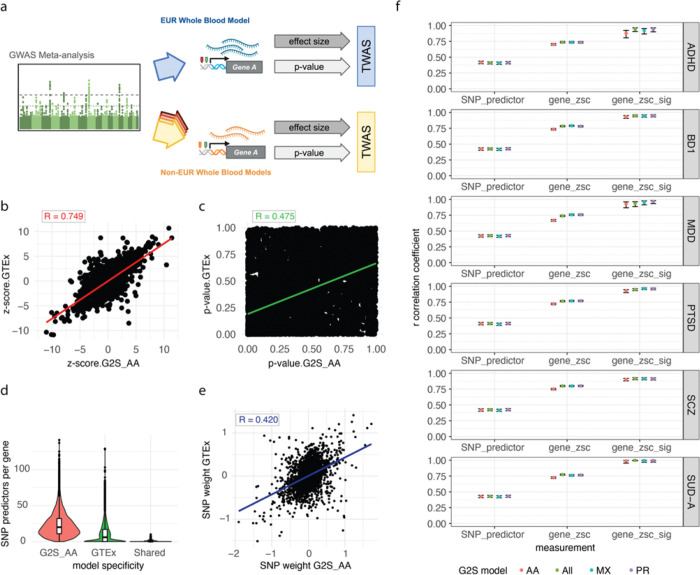 Figure 2
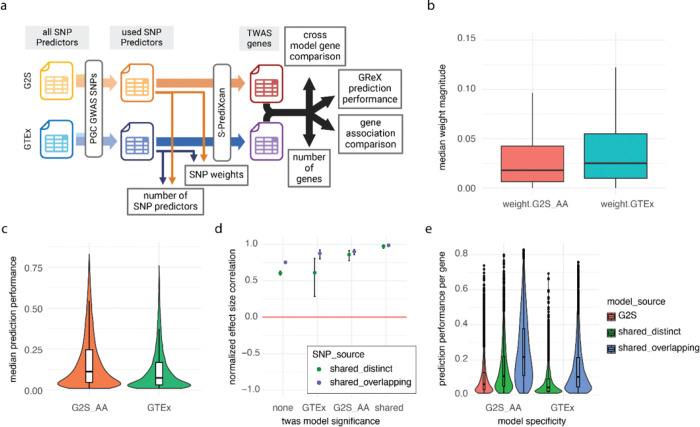 Figure 3
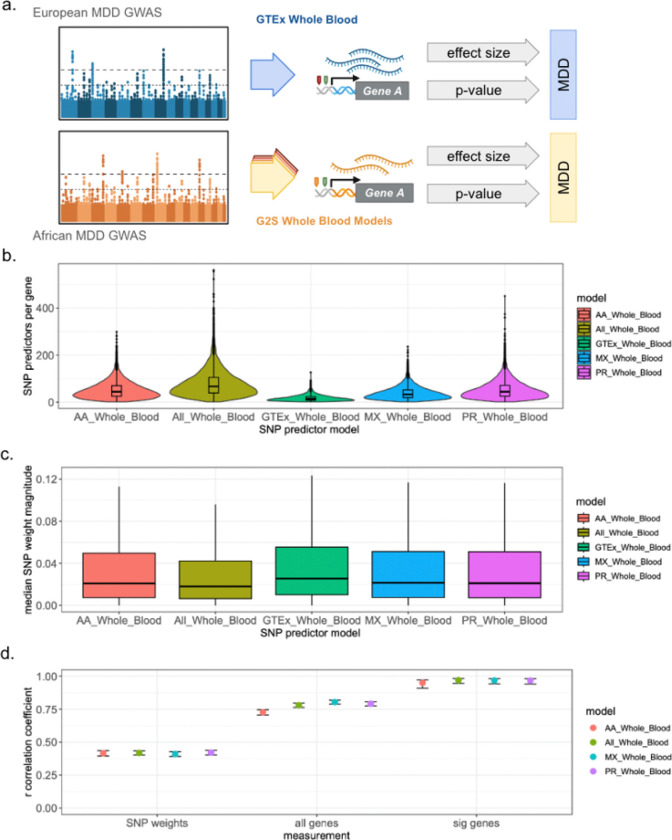 Figure 4
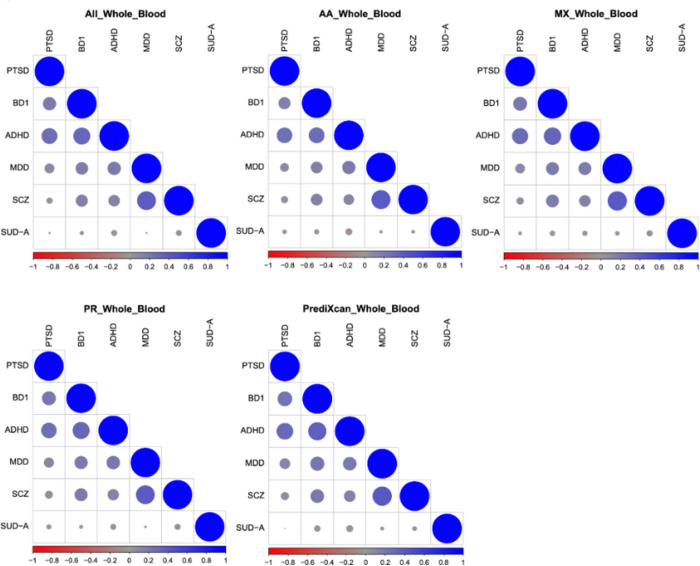 Figure 5
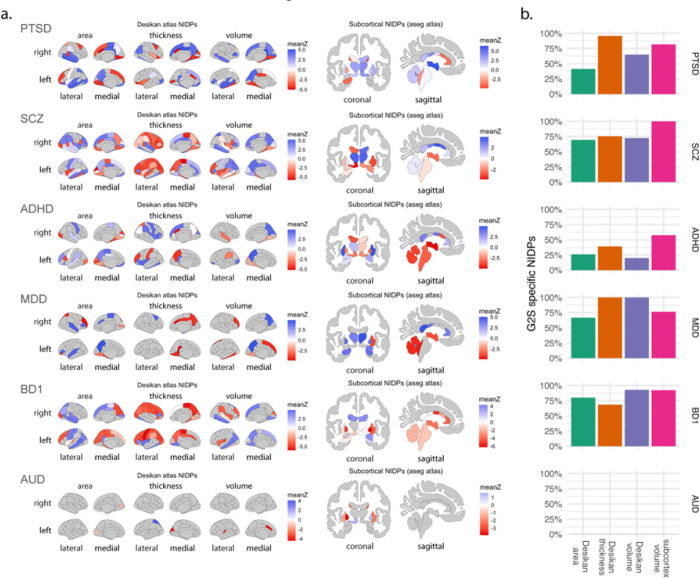 Figure 6
Peer Reviews
No public reviews on file for this paper yet. If you reviewed it on a platform where reviews are public (OpenReview, ICLR, NeurIPS, ICML), you can paste yours below so the community can read it here.
Videos
No videos yet. Explain this paper in a talk, walkthrough, or lecture? Add one.
Taxonomy
TopicsGenetic Associations and Epidemiology · Genetics and Neurodevelopmental Disorders · Genetic Mapping and Diversity in Plants and Animals