Predicting Future Development of Stress-Induced Anhedonia From Cortical Dynamics and Facial Expression
Austin A. Coley, Kanha Batra, Jeremy M. Delahanty, Laurel R. Keyes, Rachelle Pamintuan, Assaf Ramot, Jim Hagemann, Christopher R. Lee, Vivian Liu, Harini Adivikolanu, Jianna Cressy, Caroline Jia, Francesca Massa, Deryn LeDuke, Moumen Gabir, Bra’a Durubeh, Lexe Linderhof

TL;DR
This study explores how brain activity and facial expressions can predict stress-induced anhedonia in mice, offering insights into personalized mental health treatments.
Contribution
The study introduces a method to predict stress-induced anhedonia using cortical dynamics and facial expressions in mice.
Findings
Chronic mild stress reduces mPFC neural responses to rewards, which recovers after ketamine treatment.
mPFC valence-encoding properties can predict susceptibility to stress before behavioral changes occur.
Facial expressions during tasks predict whether mice will become resilient or susceptible to stress.
Abstract
The current state of mental health treatment for individuals diagnosed with major depressive disorder leaves billions of individuals with first-line therapies that are ineffective or burdened with undesirable side effects. One major obstacle is that distinct pathologies may currently be diagnosed as the same disease and prescribed the same treatments. The key to developing antidepressants with ubiquitous efficacy is to first identify a strategy to differentiate between heterogeneous conditions. Major depression is characterized by hallmark features such as anhedonia and a loss of motivation1,2, and it has been recognized that even among inbred mice raised under identical housing conditions, we observe heterogeneity in their susceptibility and resilience to stress3. Anhedonia, a condition identified in multiple neuropsychiatric disorders, is described as the inability to experience…
Genes, proteins, chemicals, diseases, species, mutations and cell lines named across the full text — each resolved to its canonical identifier and authoritative record.
Click any figure to enlarge with its caption.
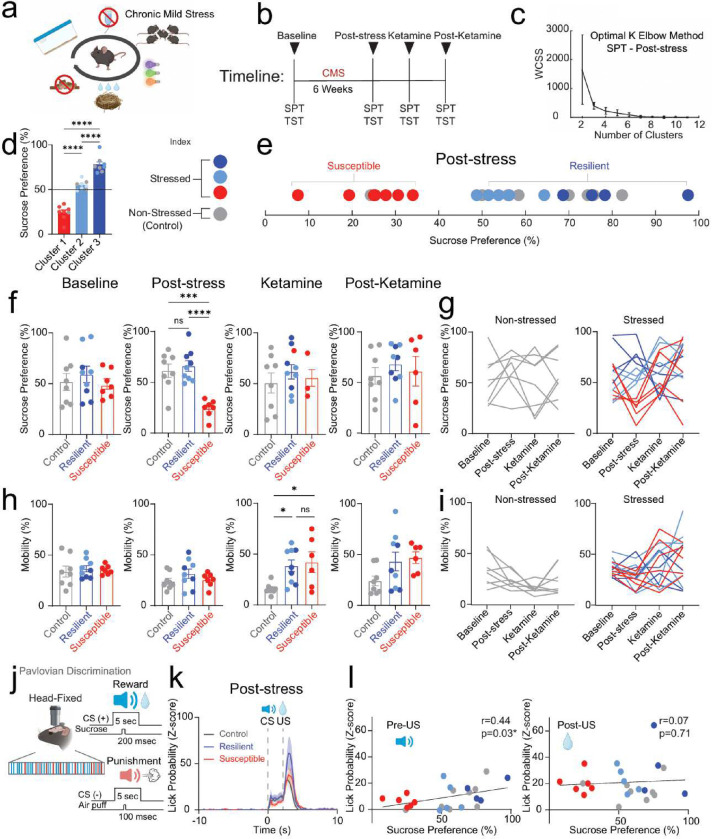 Figure 1
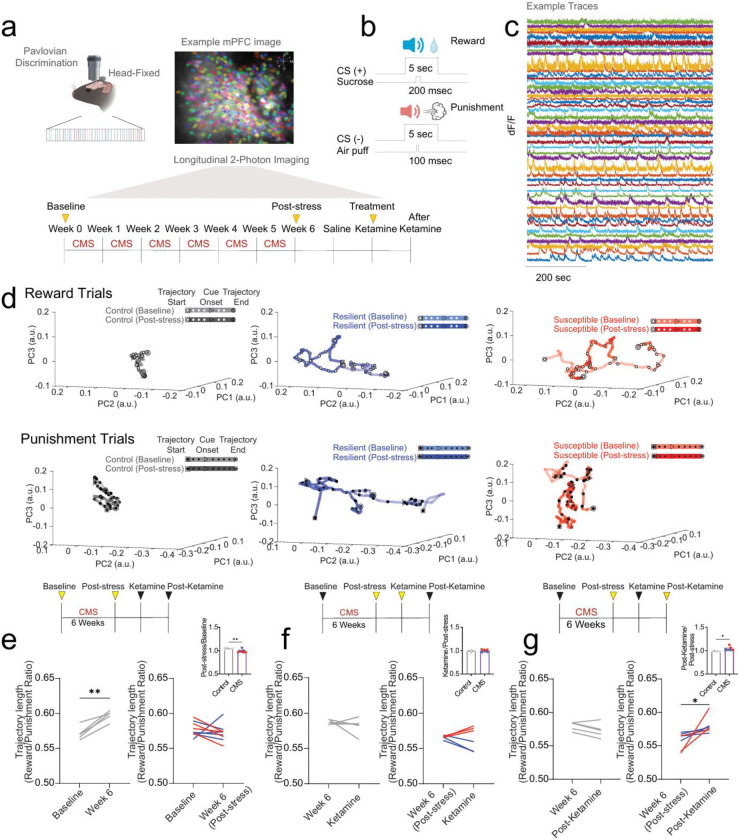 Figure 2
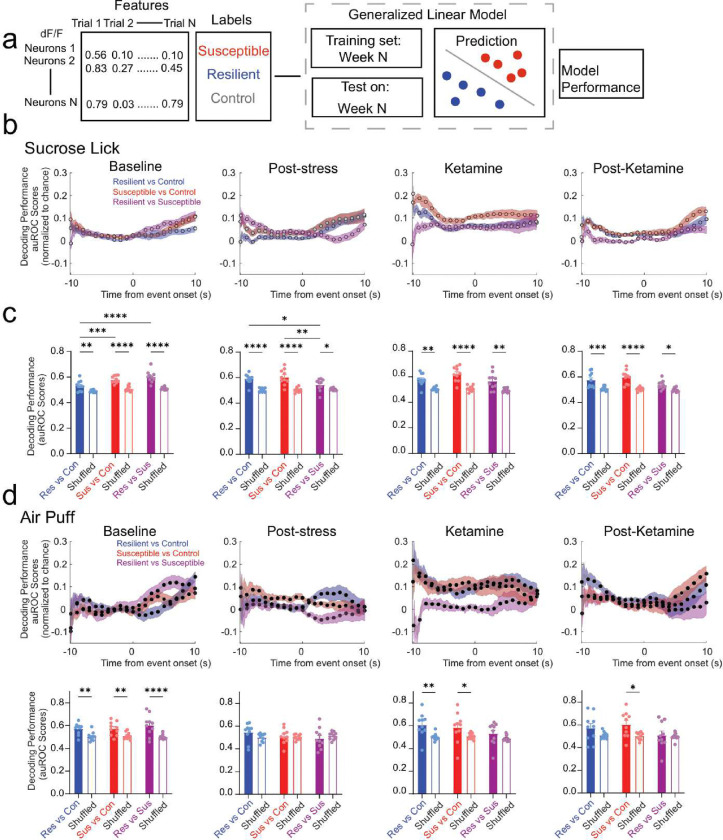 Figure 3
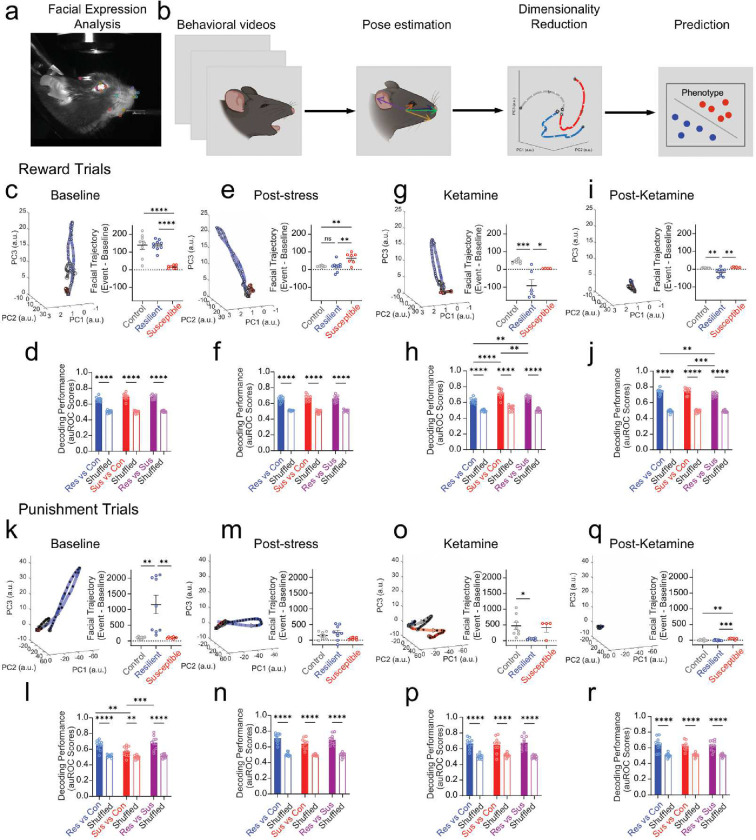 Figure 4
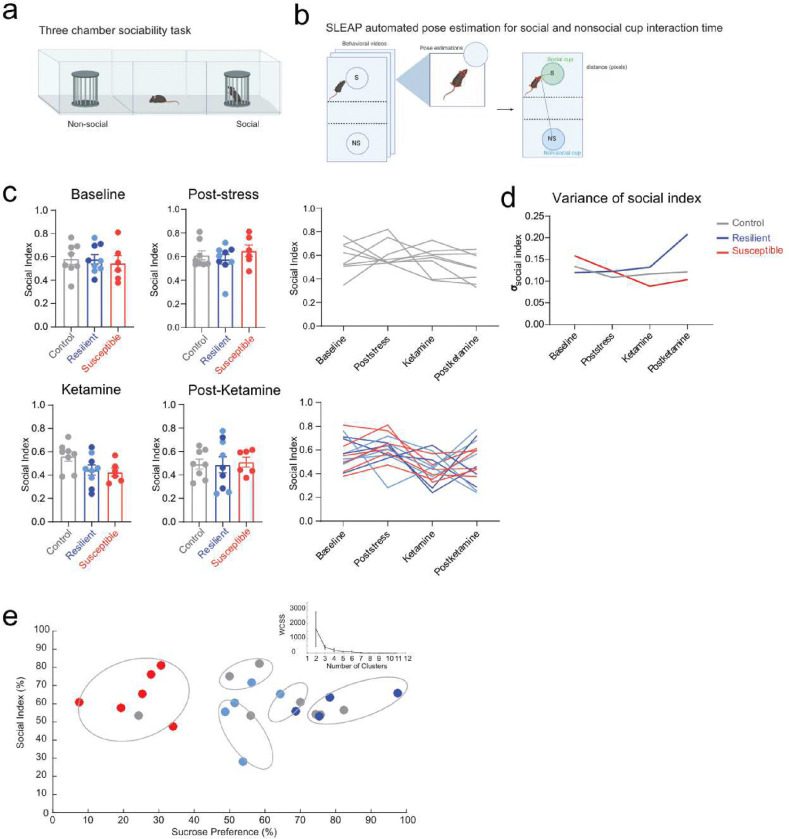 Figure 5
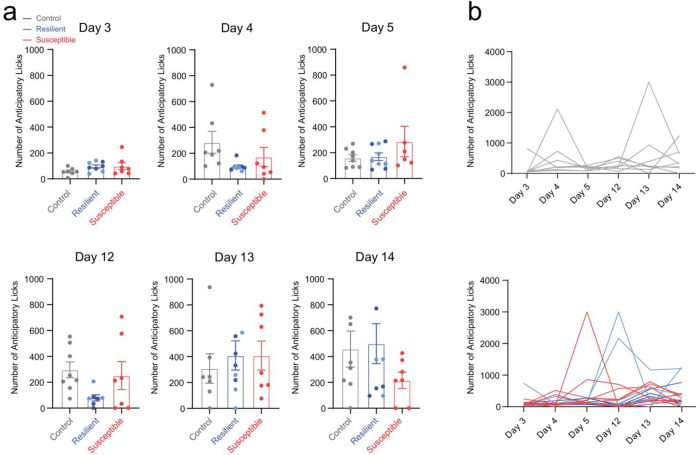 Figure 6
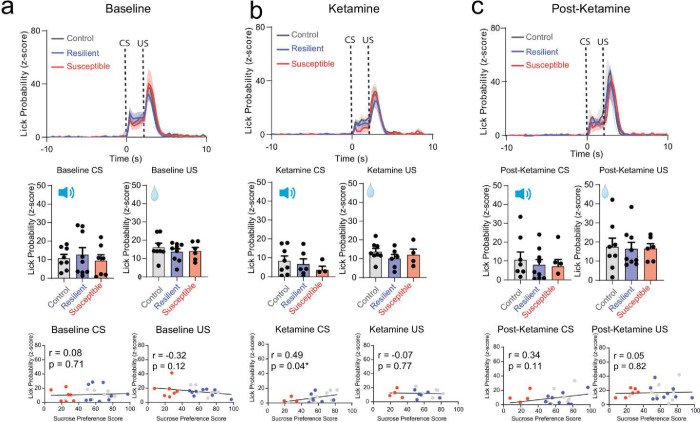 Figure 7
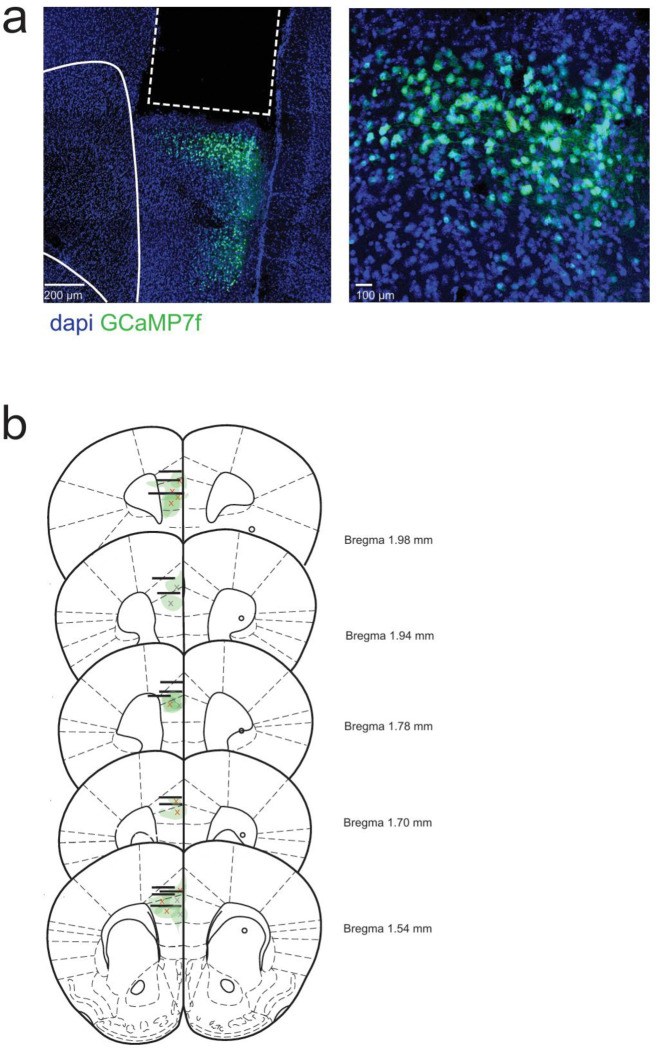 Figure 8
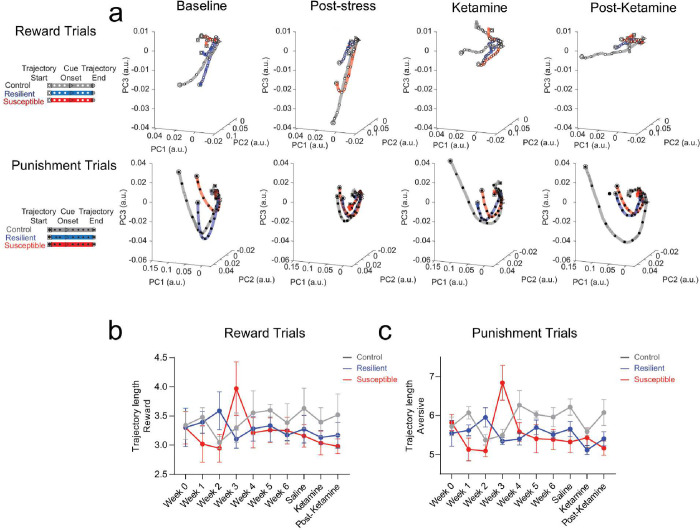 Figure 9
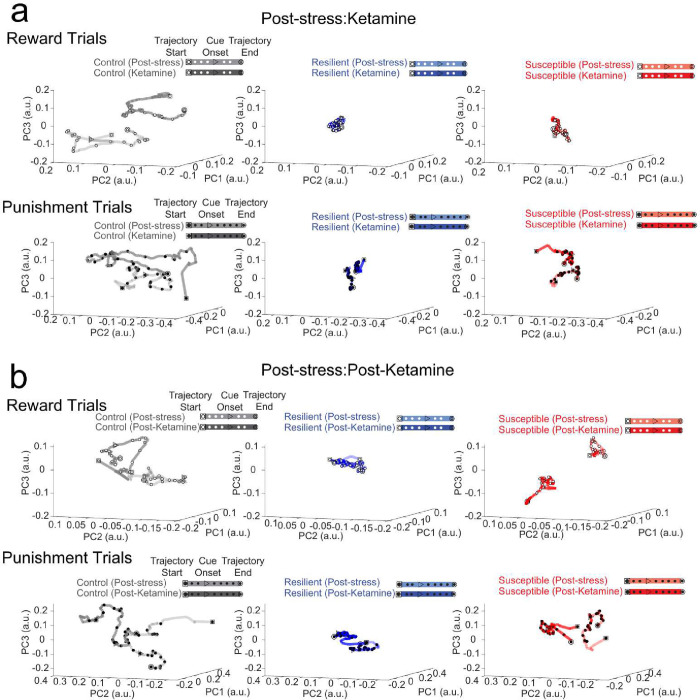 Figure 10
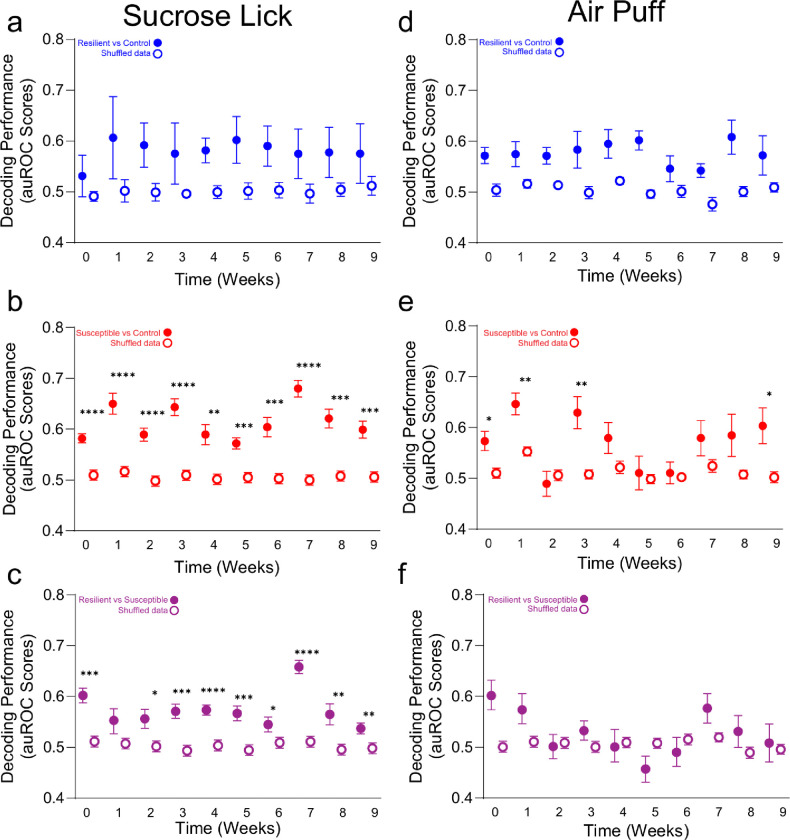 Figure 11
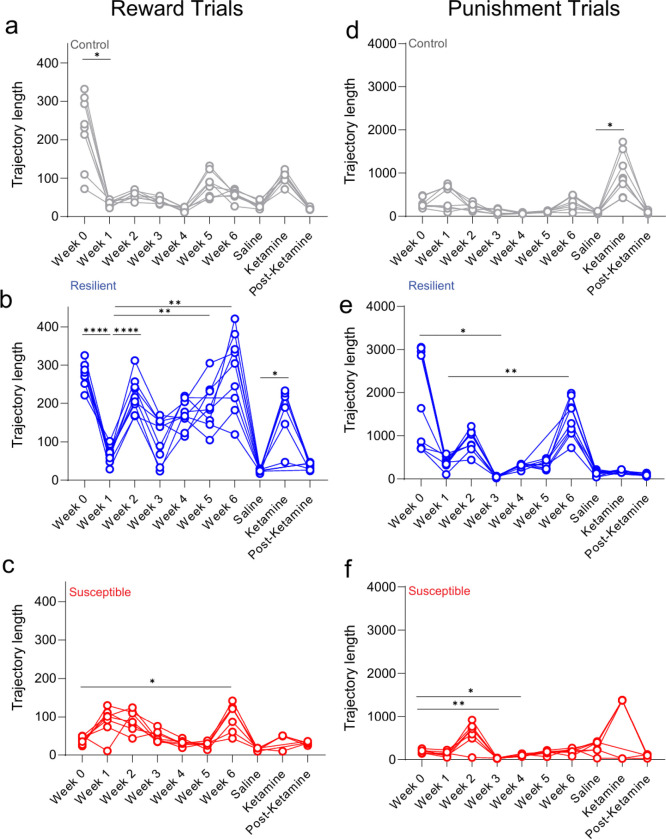 Figure 12
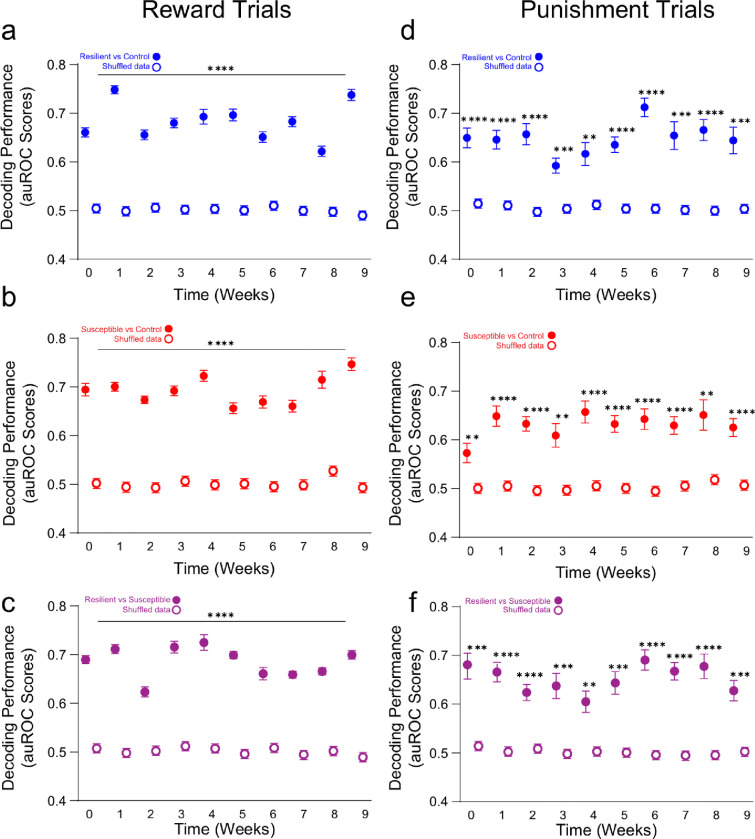 Figure 13
Peer Reviews
No public reviews on file for this paper yet. If you reviewed it on a platform where reviews are public (OpenReview, ICLR, NeurIPS, ICML), you can paste yours below so the community can read it here.
Videos
No videos yet. Explain this paper in a talk, walkthrough, or lecture? Add one.
Taxonomy
TopicsStress Responses and Cortisol · Tryptophan and brain disorders · Functional Brain Connectivity Studies