Survival and adaptative strategies of Enterotoxigenic E. coli (ETEC) to the freshwater environment
Åsa Sjöling, Eswari Ashokkumar, Caroline Bjurnemark, Kaisa Thorell, Xue Xiao, Astrid von Mentzer, Yue O. O. Hu, Baoli Zhu, Enrique Joffré

TL;DR
This study explores how Enterotoxigenic E. coli (ETEC) adapts to freshwater environments, revealing survival strategies and antibiotic resistance development.
Contribution
The study identifies specific transcriptional and physiological adaptations of ETEC to freshwater stress, including colistin tolerance and biofilm formation.
Findings
Over 1,700 genes were differentially expressed in ETEC during freshwater exposure, with early activation of catabolic pathways and membrane reinforcement.
Prolonged freshwater exposure increased biofilm formation and colistin resistance in ETEC isolates.
Plasmid gene analysis showed repression of virulence genes and activation of mobilization systems during initial water exposure.
Abstract
Waterborne pathogenic enterobacteria are adapted for infection of human hosts but can also survive for long periods in water environments. To understand how the human pathogen enterotoxigenic Escherichia coli (ETEC) adapts to acute and long-term hypo-osmotic stress and oligotrophic water conditions, this study aimed to explore the effects of short- and long-term freshwater exposure on ETEC isolates by examining transcriptional responses, survival mechanisms, and antibiotic resistance development. RNA sequencing revealed that over 1,700 genes were differentially expressed, with significant transcriptional reprogramming occurring early within the first two hours of water exposure. Early responses included activation of catabolic pathways for nitrogen and carbon assimilation and downregulation of energy metabolism and anabolic processes to mitigate osmotic stress. Notably, the arnBCADTEF…
Genes, proteins, chemicals, diseases, species, mutations and cell lines named across the full text — each resolved to its canonical identifier and authoritative record.
Click any figure to enlarge with its caption.
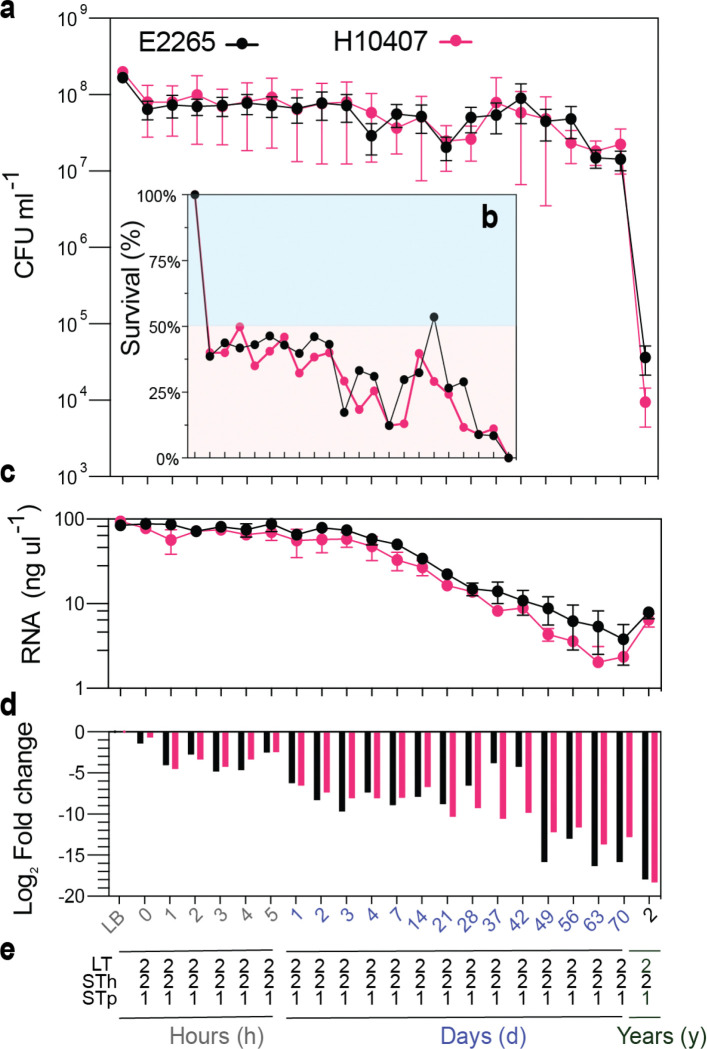 Figure 1
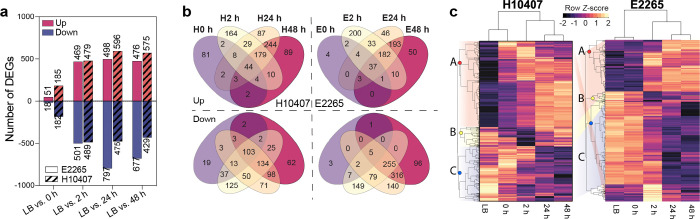 Figure 2
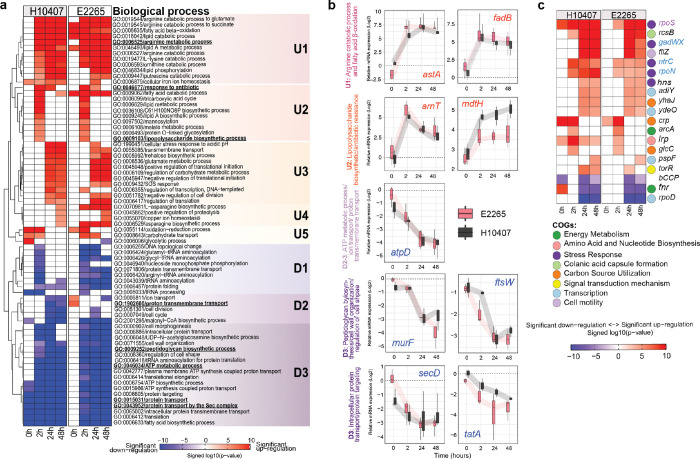 Figure 3
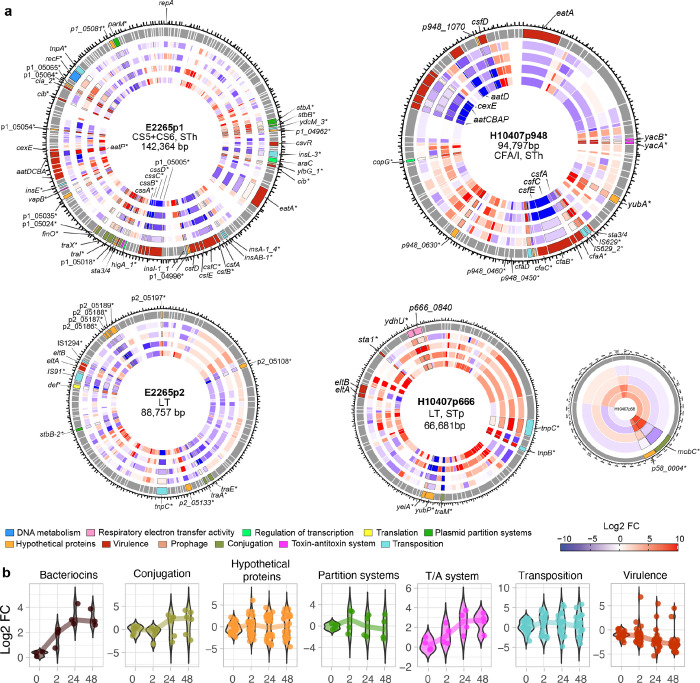 Figure 4
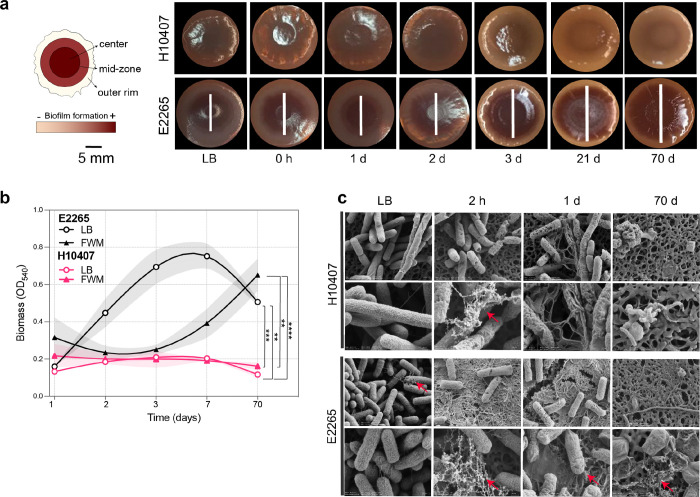 Figure 5
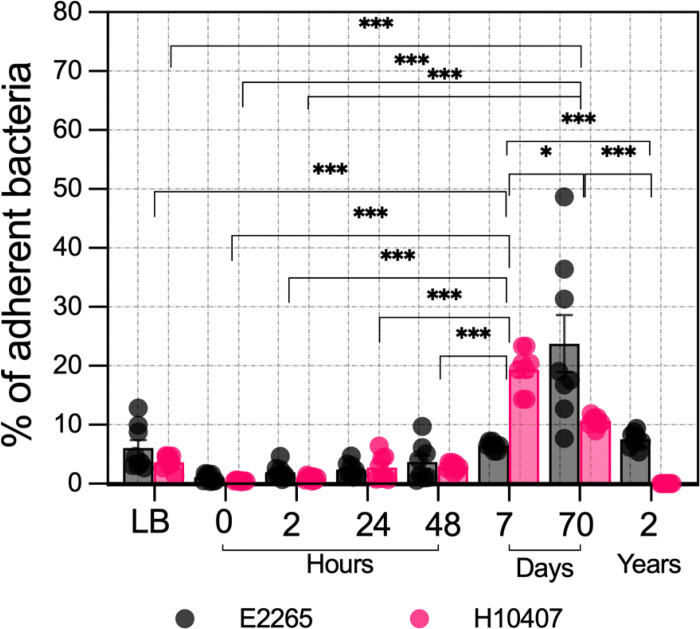 Figure 6
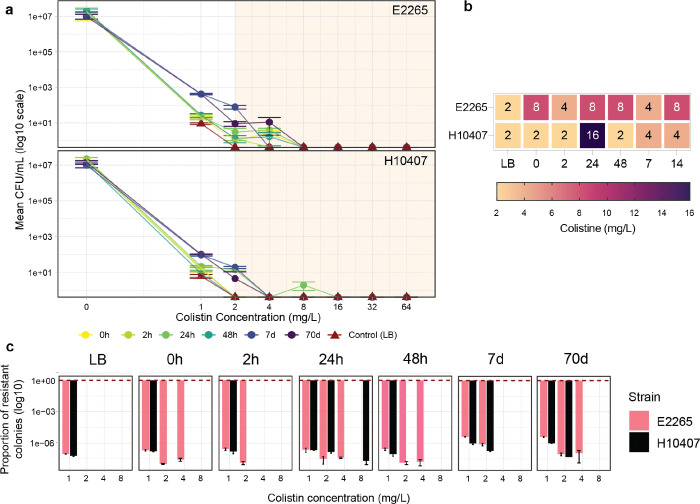 Figure 7
Peer Reviews
No public reviews on file for this paper yet. If you reviewed it on a platform where reviews are public (OpenReview, ICLR, NeurIPS, ICML), you can paste yours below so the community can read it here.
Videos
No videos yet. Explain this paper in a talk, walkthrough, or lecture? Add one.
Taxonomy
TopicsEscherichia coli research studies · Vibrio bacteria research studies · Salmonella and Campylobacter epidemiology