Neurometabolomic impacts of wood smoke and protective benefits of anti-aging therapeutics in aged female C57BL/6J mice
David Scieszka, Jonathan Hulse, Haiwei Gu, Amanda Barkley-Levenson, Ed Barr, Marcus Garcia, Jessica G Begay, Guy Herbert, Mark McCormick, Jonathan Brigman, Andrew Ottens, Barry Bleske, Kiran Bhaskar, Matthew J Campen

TL;DR
This study examines how wood smoke affects brain metabolism in aged mice and how anti-aging treatments might help.
Contribution
The study reveals persistent neurometabolomic and behavioral effects of wood smoke in aged mice and evaluates the efficacy of anti-aging therapeutics.
Findings
Wood smoke exposure caused a reduction in NAD+ in the prefrontal cortex and long-term serotonin reduction in aged mice.
Behavioral changes and neuroinflammatory markers persisted for 10 weeks after wood smoke exposure.
RNMN treatment showed the most beneficial effects, while RNDQ upregulated brain aging markers in exposed mice.
Abstract
Wildland fires have become progressively more extensive over the past 30 years in the United States, routinely generating smoke that deteriorates air quality for most of the country. We explored the neurometabolomic impact of biomass-derived smoke on older (18 months) female C57BL/6J mice, both acutely and after 10 weeks of recovery from exposures. Mice were exposed to wood smoke (WS) 4 hours/day, every other day, for 2 weeks (7 exposures total) to an average concentration of 448 μg particulate matter (PM)/m3 per exposure. One group was euthanized 24 hours after the last exposure. Other groups were then placed on 1 of 4 treatment regimens for 10 weeks after wood smoke exposures: vehicle; resveratrol in chow plus nicotinamide mononucleotide in water (RNMN); senolytics via gavage (dasatanib + quercetin; DQ); or both RNMN with DQ (RNDQ). Among the findings, the aging from 18 months to 21…
Genes, proteins, chemicals, diseases, species, mutations and cell lines named across the full text — each resolved to its canonical identifier and authoritative record.
Click any figure to enlarge with its caption.
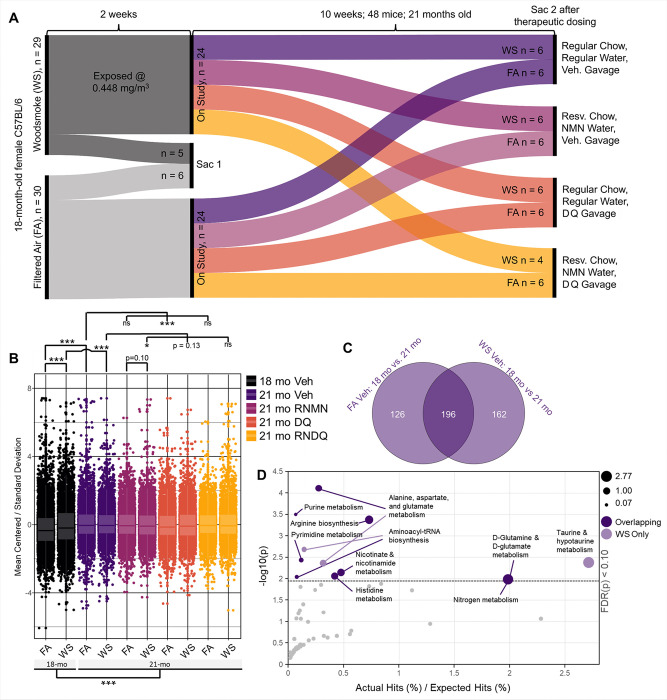 Figure 1
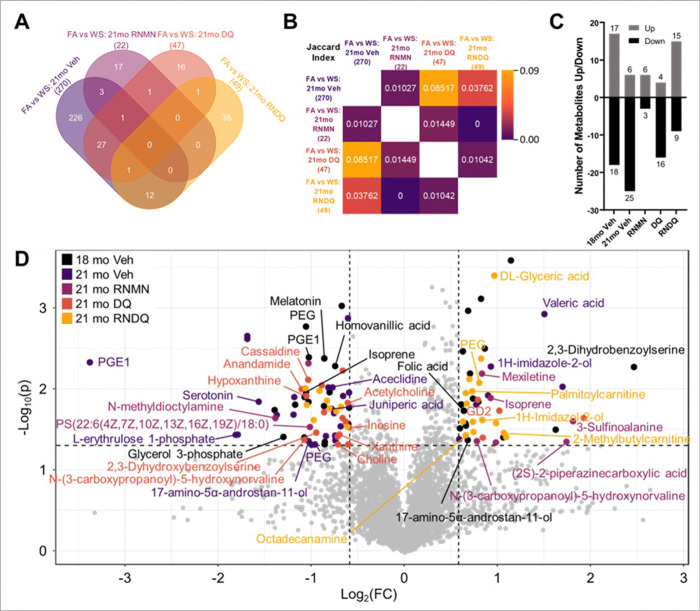 Figure 2
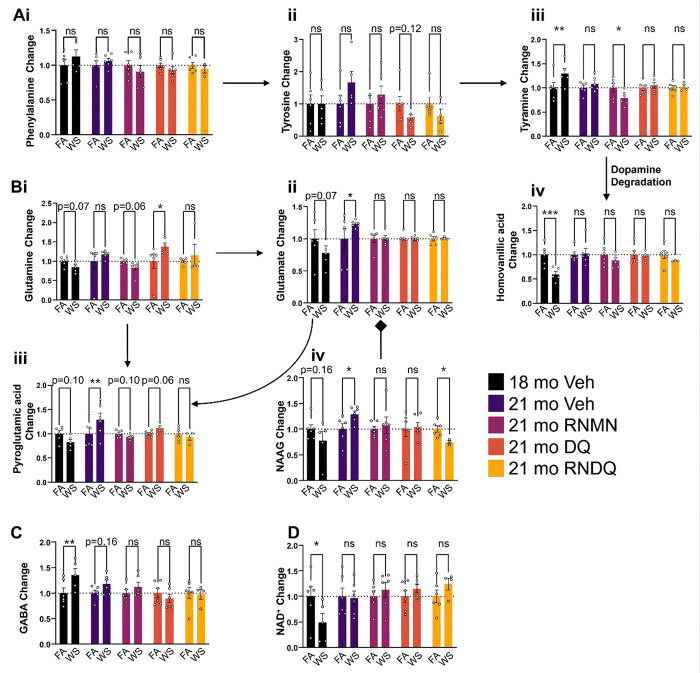 Figure 3
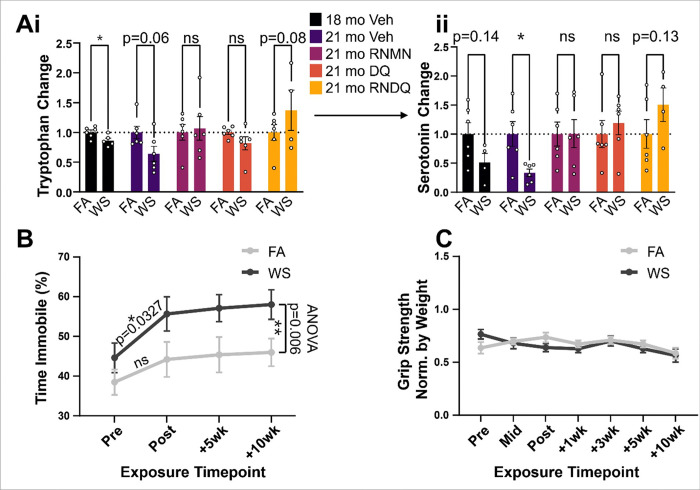 Figure 4
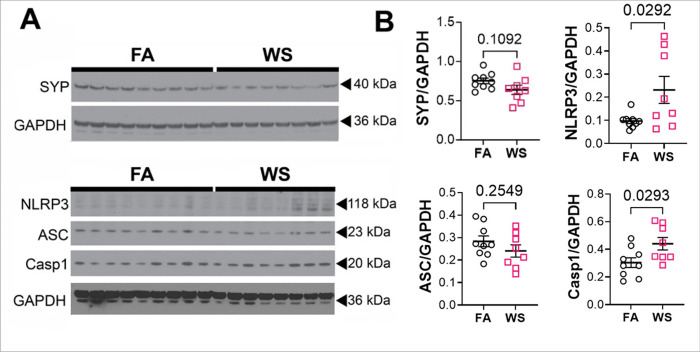 Figure 5
Peer Reviews
No public reviews on file for this paper yet. If you reviewed it on a platform where reviews are public (OpenReview, ICLR, NeurIPS, ICML), you can paste yours below so the community can read it here.
Videos
No videos yet. Explain this paper in a talk, walkthrough, or lecture? Add one.
Taxonomy
TopicsSirtuins and Resveratrol in Medicine · Adipose Tissue and Metabolism · Tea Polyphenols and Effects