Inhibition of astrocyte signaling leads to sex-specific changes in microglia phenotypes in a diet-based model of small cerebral vessel disease
Jenna L. Gollihue, Khine Zin Aung, Colin B. Rogers, Pradoldej Sompol, Yuriko Katsumata, Erica M. Weekman, Donna M. Wilcock, Josh M. Morganti, Christopher M. Norris

TL;DR
Blocking astrocyte signaling in mice changes microglia in a sex-specific way when they have a diet-induced brain disease.
Contribution
This study reveals sex-specific effects of astrocyte signaling on microglia in a diet-based model of cerebral disease.
Findings
P2ry12 expression in microglia was reduced in males but not females on a HHcy diet.
VIVIT treatment in males prevented loss of P2ry12 and promoted homeostatic microglia.
Female microglia showed less sensitivity to diet and AAV treatments compared to males.
Abstract
Hyperhomocysteinemia (HHcy)-inducing diets recapitulate small cerebral vessel disease phenotypes in mice including cerebrovascular pathology/dysfunction, neuroinflammation, synaptic deficits, and cognitive decline. We recently showed that astrocyte signaling through calcineurin(CN)/nuclear factor of activated T cells (NFATs) plays a causative role in these phenotypes. Here, we assessed the impact of astrocytic signaling on microglia, which set inflammatory tone in brain. Seven-to-eight-week-old male and female C57BL/6J mice received intrahippocampal injections of AAV2/5-Gfa2-EGFP (control) or adeno-associated virus (AAV) expressing the NFAT inhibitor VIVIT (i.e., AAV2/5-Gfa2-VIVIT-EGFP). Mice were then fed with control chow (CT) or B-vitamin-deficient chow for 12 weeks to induce HHcy. Immunohistochemistry was used to assess the expression of the pan-microglial marker Iba1 and the…
Genes, proteins, chemicals, diseases, species, mutations and cell lines named across the full text — each resolved to its canonical identifier and authoritative record.
Click any figure to enlarge with its caption.
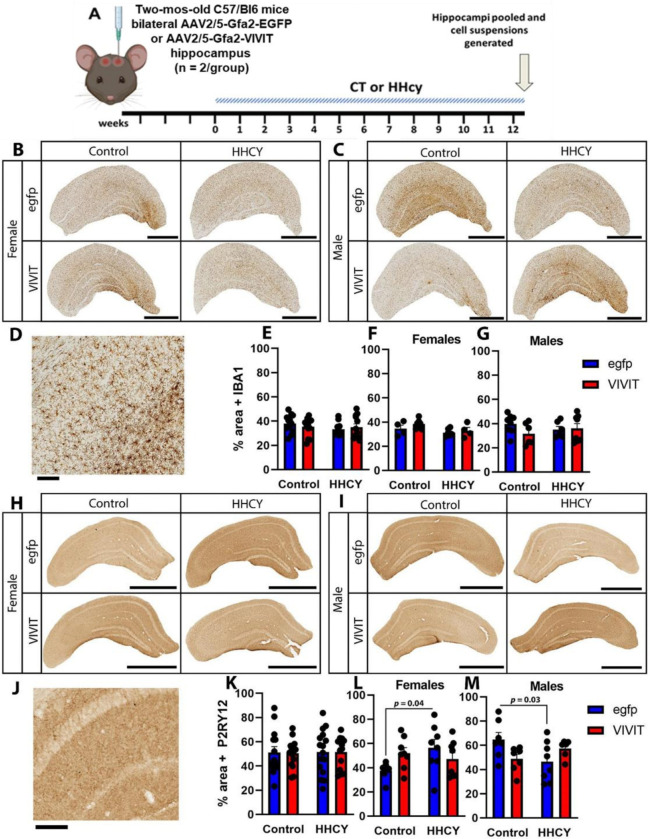 Figure 1
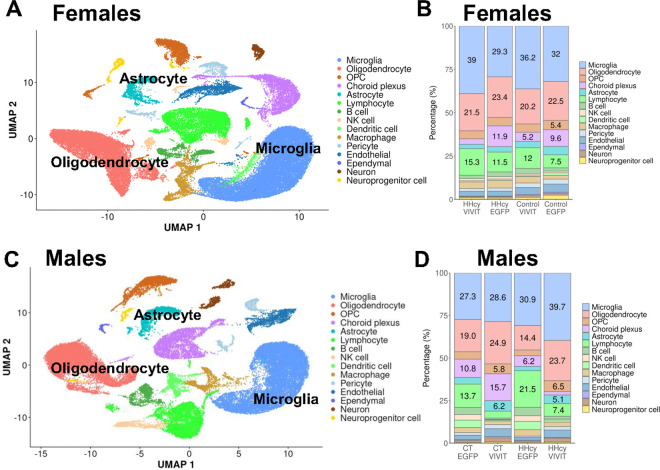 Figure 2
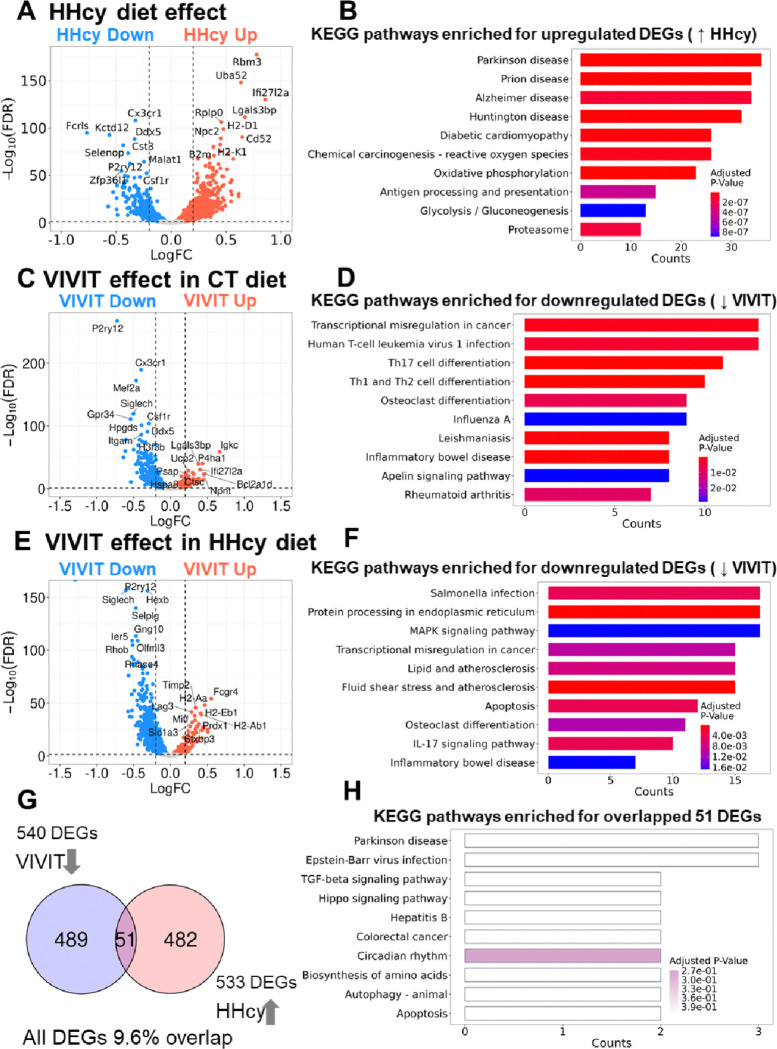 Figure 3
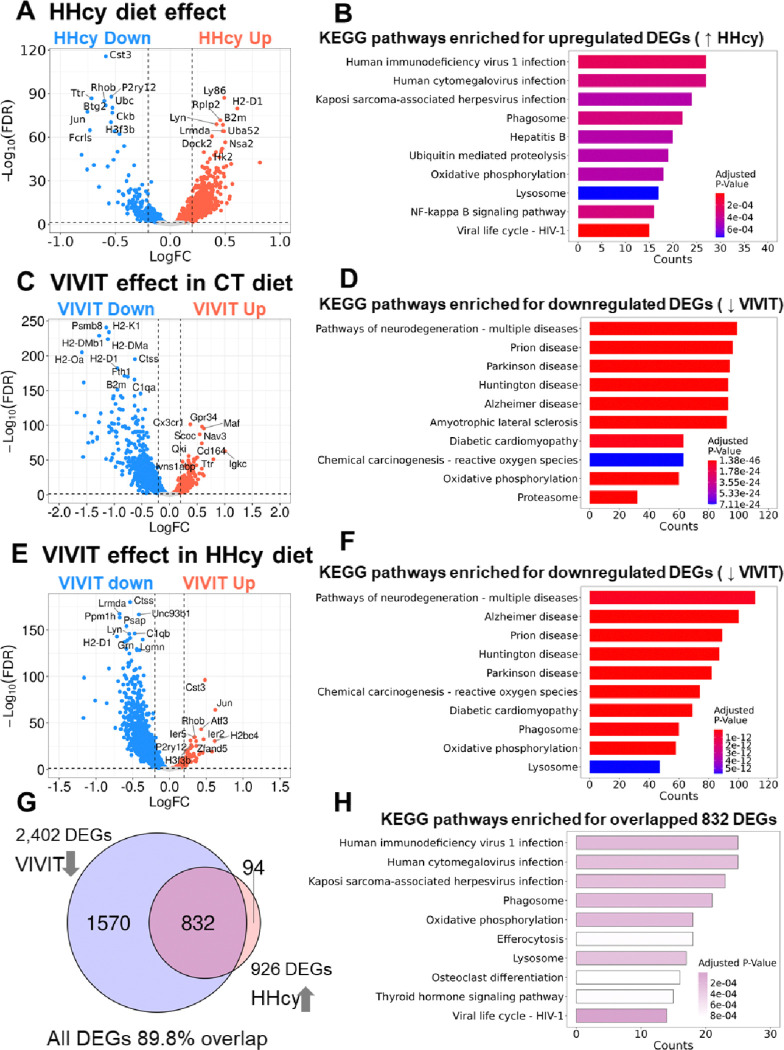 Figure 4
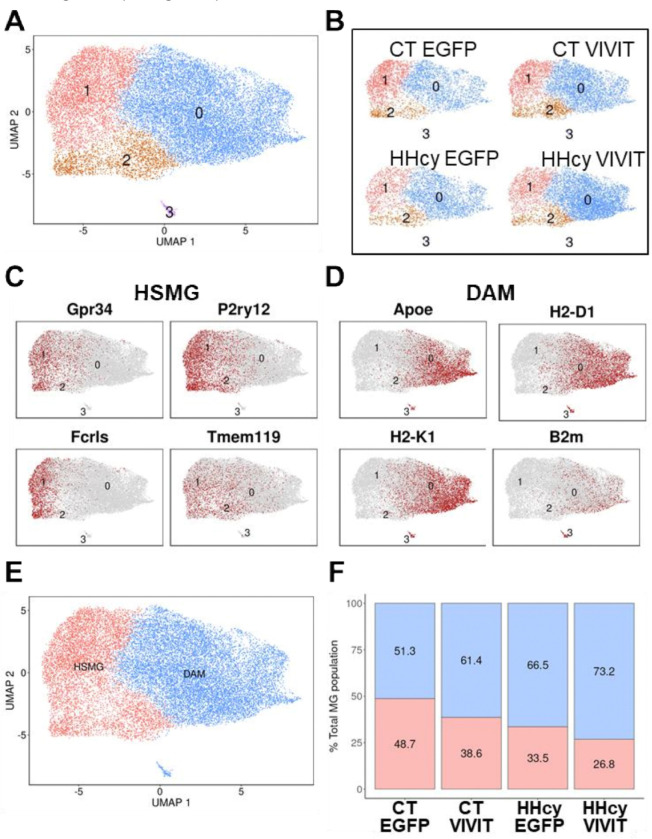 Figure 5
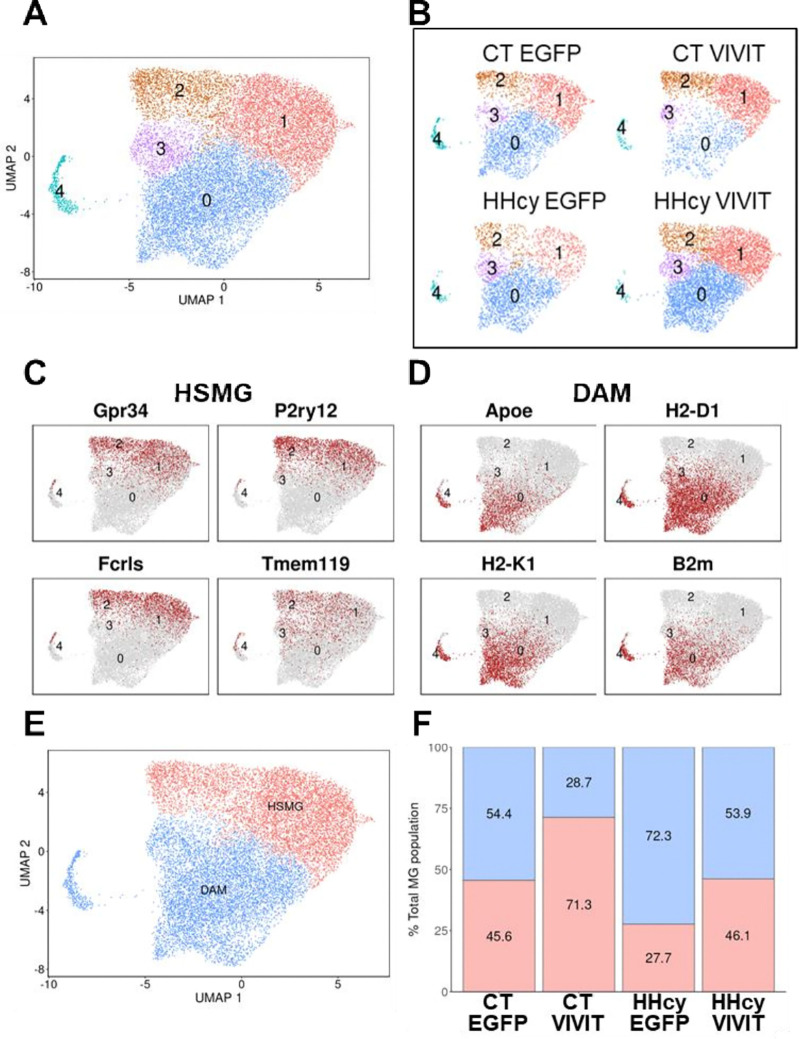 Figure 6
Peer Reviews
No public reviews on file for this paper yet. If you reviewed it on a platform where reviews are public (OpenReview, ICLR, NeurIPS, ICML), you can paste yours below so the community can read it here.
Videos
No videos yet. Explain this paper in a talk, walkthrough, or lecture? Add one.
Taxonomy
TopicsNeuroinflammation and Neurodegeneration Mechanisms · Neurological Disease Mechanisms and Treatments · Nuclear Receptors and Signaling