The PH domain in the ArfGAP ASAP1 drives catalytic activation through an unprecedented allosteric mechanism
Olivier Soubias, Samuel L. Foley, Xiaoying Jian, Rebekah A. Jackson, Yue Zhang, Eric M. Rosenberg, Jess Li, Frank Heinrich, Margaret E. Johnson, Alexander J. Sodt, Paul A. Randazzo, R. Andrew Byrd

TL;DR
This study reveals how the PH domain of ASAP1 boosts its catalytic activity through a new allosteric mechanism on membranes.
Contribution
A new allosteric mechanism is identified where the PH domain drives catalysis by binding Arf·GTP and inducing a transition state.
Findings
The PH domain enhances ASAP1 activity by more than 7 orders of magnitude.
The PH domain binds Arf·GTP and allosterically drives it toward the catalytic transition state.
The findings suggest broader implications for membrane-dependent regulation of ArfGAPs and peripheral membrane enzymes.
Abstract
ASAP1 is a multidomain Arf GTPase-activating protein (ArfGAP) that catalyzes GTP hydrolysis on the small GTPase Arf1 and is implicated in cancer progression. The PH domain of ASAP1 enhances its activity greater than 7 orders of magnitude but the underlying mechanisms remain poorly understood. Here, we combined Nuclear Magnetic Resonance (NMR), Molecular Dynamic (MD) simulations and mathematical modeling of functional data to build a comprehensive structural-mechanistic model of the complex of Arf1 and the ASAP1 PH domain on a membrane surface. Our results support a new conceptual model in which the PH domain contributes to efficient catalysis not only by membrane recruitment but by acting as a critical component of the catalytic interface, binding Arf·GTP and allosterically driving it towards the catalytic transition state. We discuss the biological implications of these results and how…
Genes, proteins, chemicals, diseases, species, mutations and cell lines named across the full text — each resolved to its canonical identifier and authoritative record.
Click any figure to enlarge with its caption.
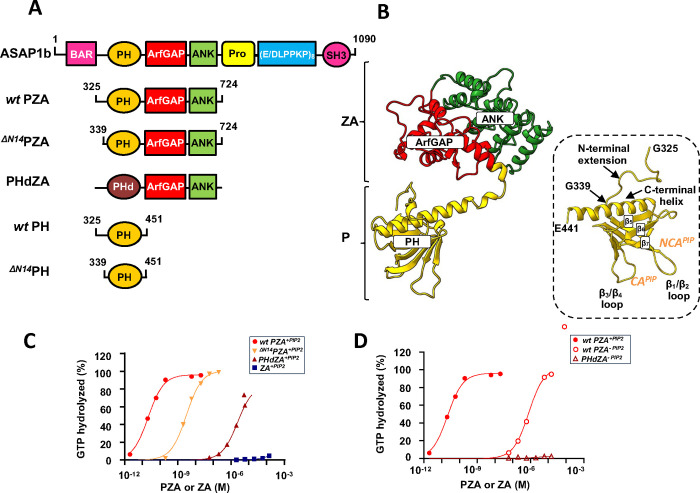 Figure 1
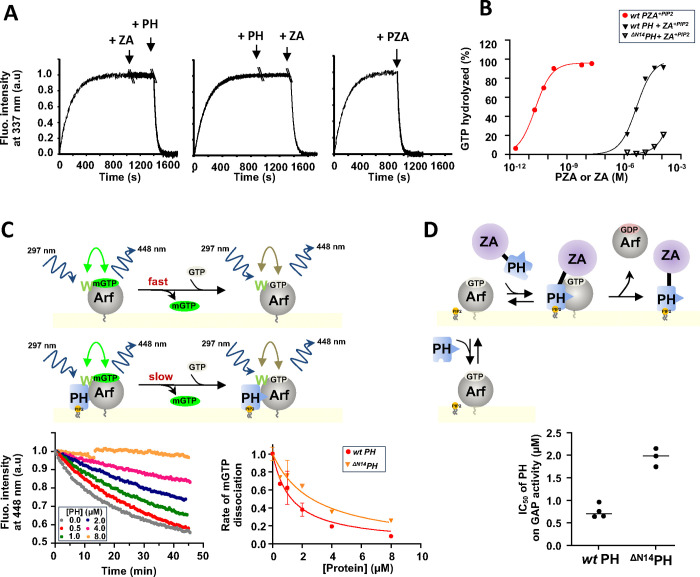 Figure 2
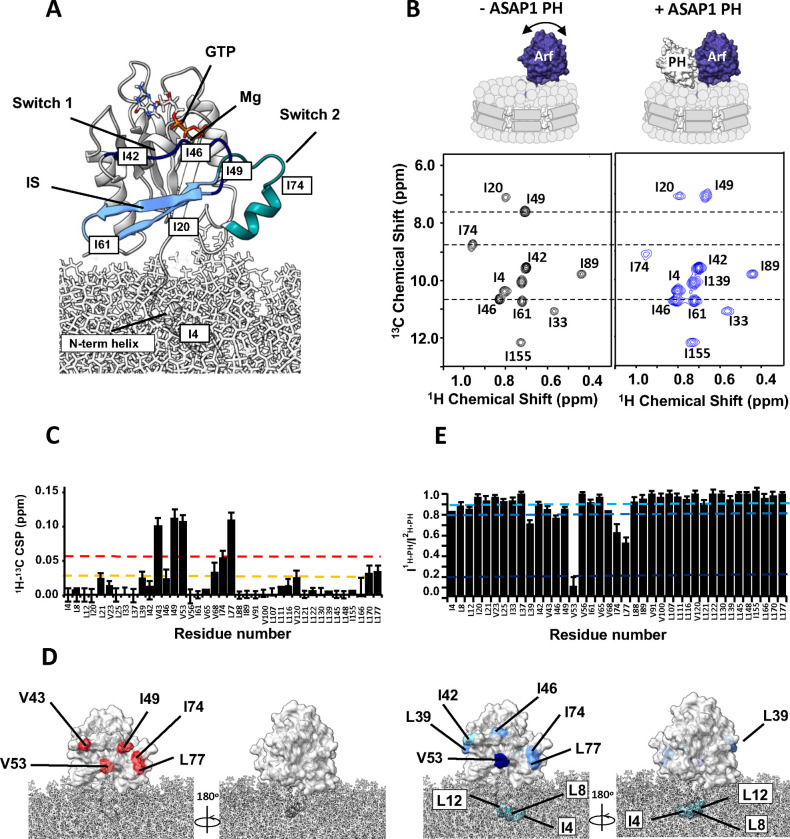 Figure 3
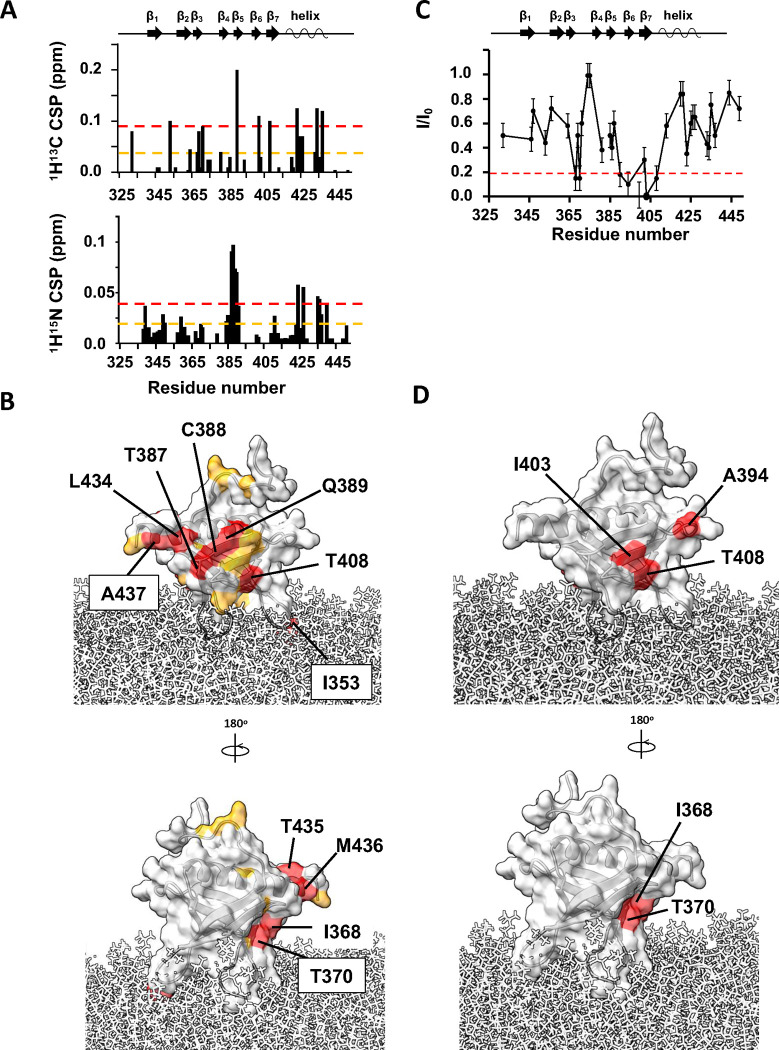 Figure 4
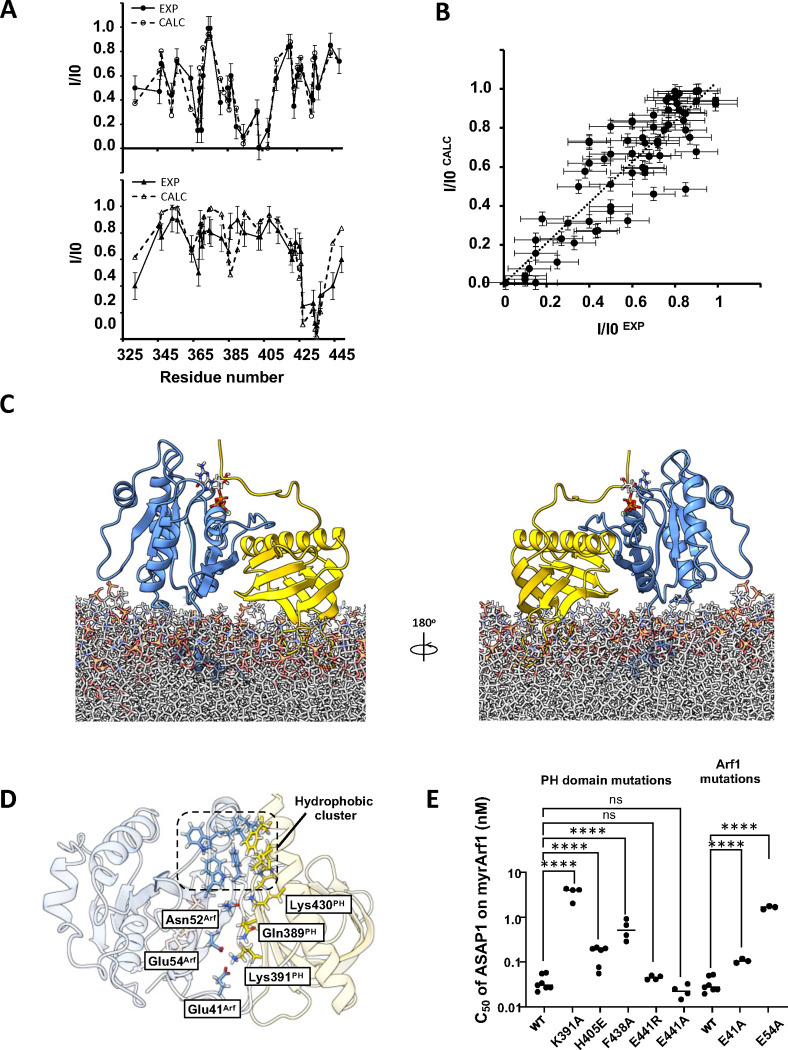 Figure 5
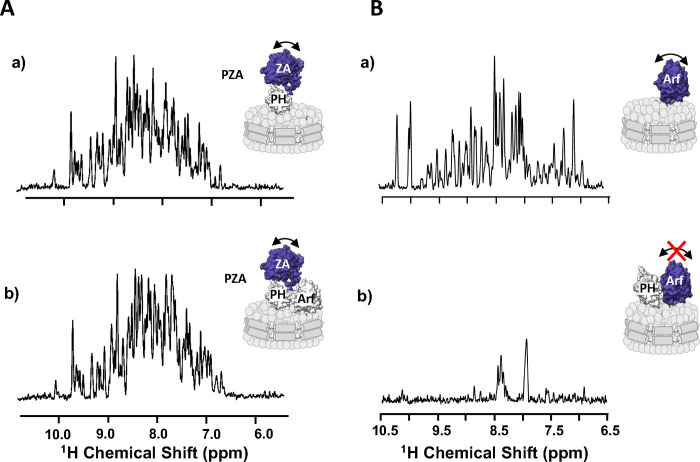 Figure 6
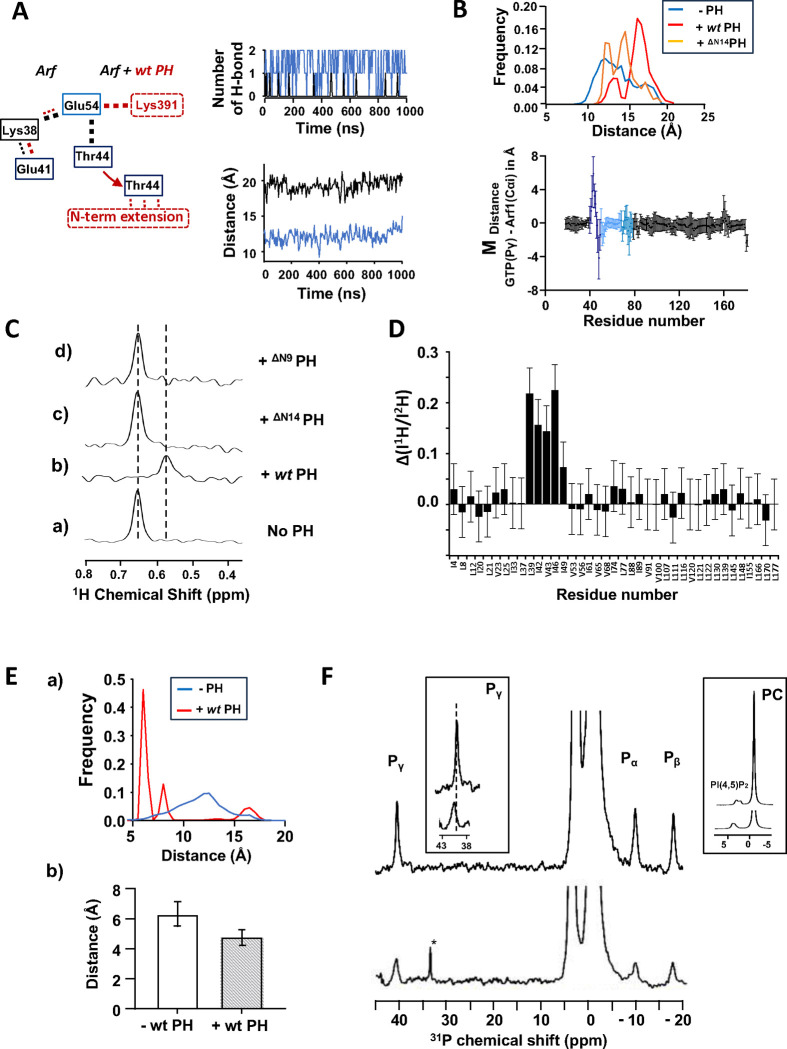 Figure 7
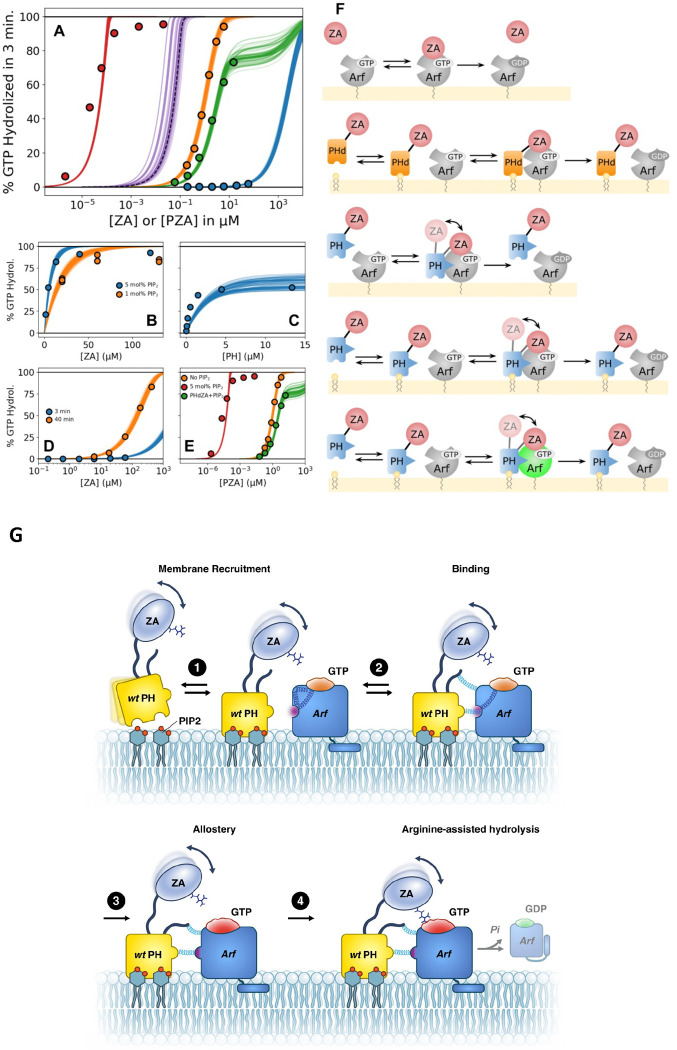 Figure 8
Peer Reviews
No public reviews on file for this paper yet. If you reviewed it on a platform where reviews are public (OpenReview, ICLR, NeurIPS, ICML), you can paste yours below so the community can read it here.
Videos
No videos yet. Explain this paper in a talk, walkthrough, or lecture? Add one.
Taxonomy
TopicsProtein Structure and Dynamics · Protein Kinase Regulation and GTPase Signaling · Enzyme Structure and Function