Impact of screw design on refixation of solid avulsion fractures of the posterior cruciate ligament—A biomechanical feasibility study
Thorben Briese, Christian Peez, Alina Albert, Arian Große‐Allermann, Elmar Herbst, Adrian Deichsel, Michael J. Raschke, Christoph Kittl

TL;DR
This study compares different screw designs for refixating PCL avulsion fractures and finds that headless compression screws perform similarly but have lower load-to-failure compared to conventional screws.
Contribution
The study introduces a biomechanical comparison of magnesium and titanium headless compression screws for PCL refixation, highlighting their performance relative to conventional techniques.
Findings
Headless compression screws showed similar displacement and stiffness but lower load-to-failure compared to conventional screws.
Titanium and magnesium-based headless compression screws performed similarly in biomechanical tests.
The intact PCL had significantly higher load-to-failure than all refixation methods.
Abstract
Avulsion fractures of the posterior cruciate ligament (PCL) are commonly treated with refixation. Headless compression screws (HCS) offer benefits, compared to conventional techniques, such as reduced material irritation and option of bioabsorbable materials, possibly avoiding implant removal. Proofing its clinical applicability, the authors hypothesized that (1) biomechanical properties of HCS would be comparable to conventional techniques and (2) magnesium‐based HCS would provide comparable properties to titanium HCS. Controlled laboratory study. Forty fresh frozen porcine knees were dissected keeping the menisci and ligaments intact. A solid avulsion fracture of the tibial PCL (20 mm [length] × 20 mm [width] × 10 mm [depth]) was created with a chisel. Specimens were randomized into four groups: (1) the native PCL, the tibial PCL avulsion refixed with parallel arranged, (2) two 3.5…
Genes, proteins, chemicals, diseases, species, mutations and cell lines named across the full text — each resolved to its canonical identifier and authoritative record.
Click any figure to enlarge with its caption.
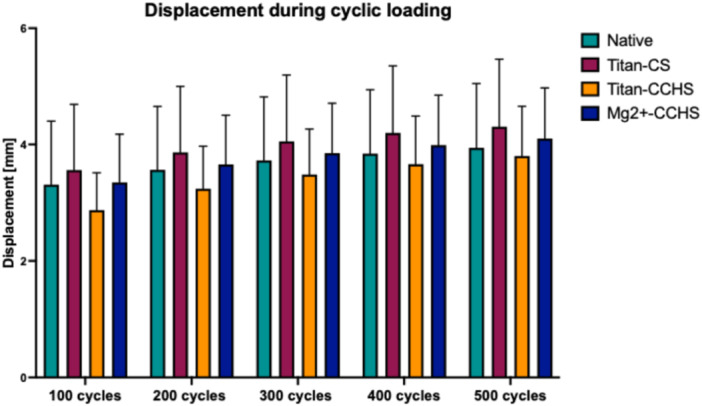 Figure 1
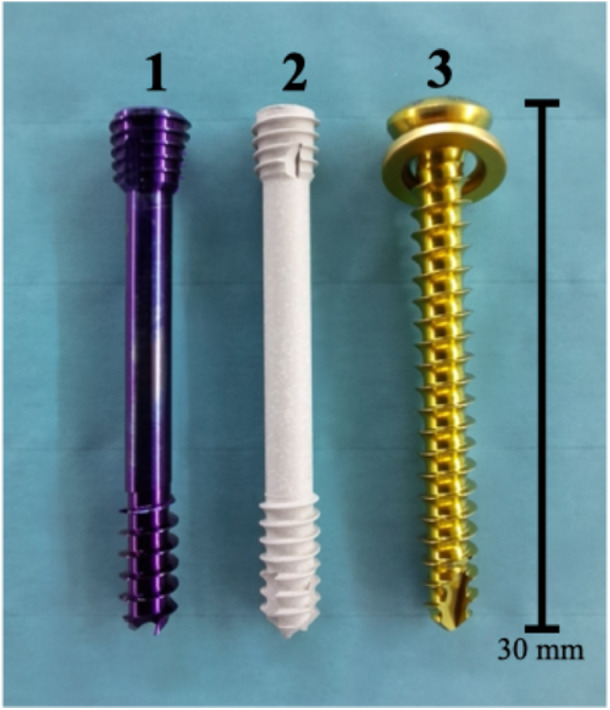 Figure 2
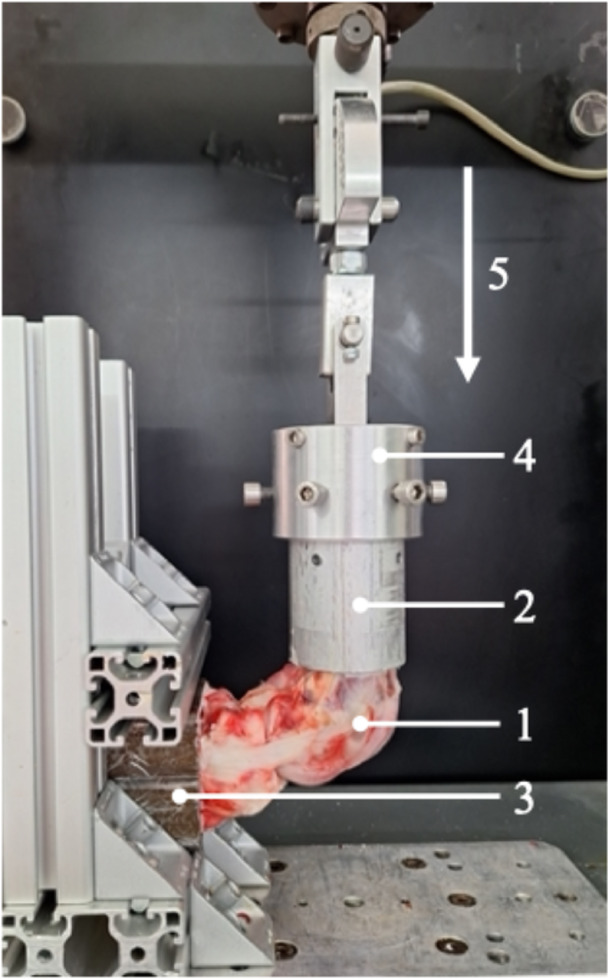 Figure 3
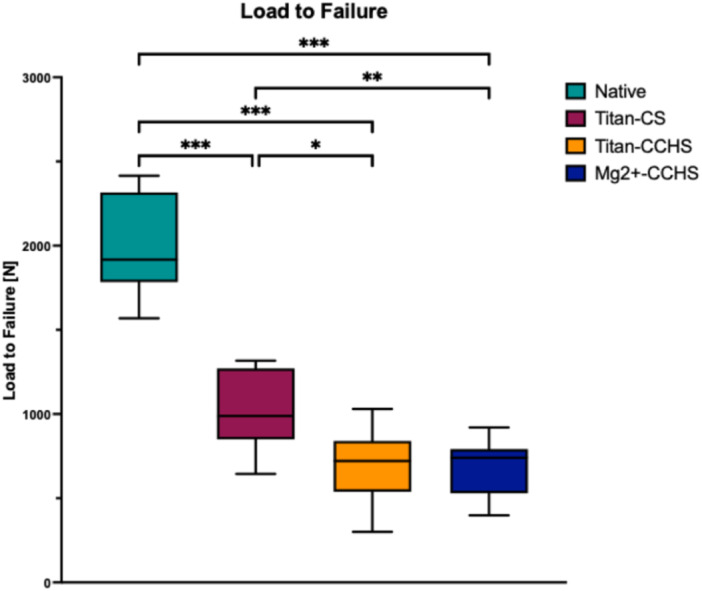 Figure 4
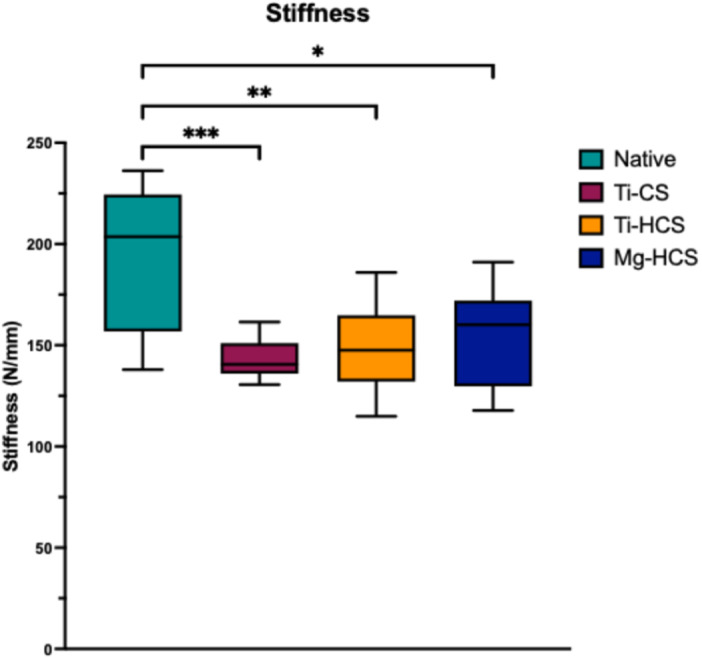 Figure 5
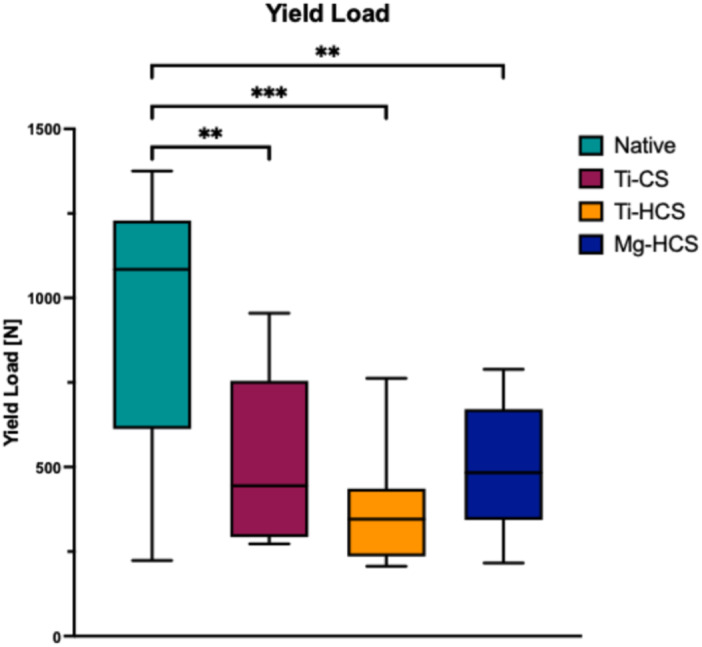 Figure 6
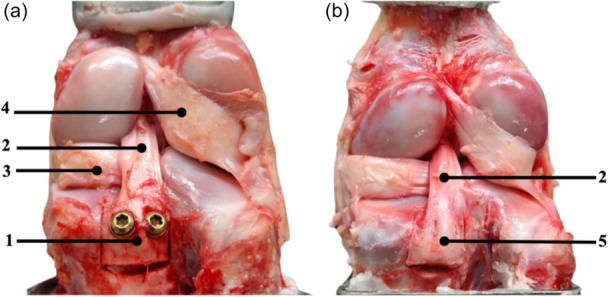 Figure 7
Peer Reviews
No public reviews on file for this paper yet. If you reviewed it on a platform where reviews are public (OpenReview, ICLR, NeurIPS, ICML), you can paste yours below so the community can read it here.
Videos
No videos yet. Explain this paper in a talk, walkthrough, or lecture? Add one.
Taxonomy
TopicsKnee injuries and reconstruction techniques · Orthopaedic implants and arthroplasty · Cardiac Structural Anomalies and Repair