Gene Identification for Ocular Congenital Cranial Motor Neuron Disorders Using Human Sequencing, Zebrafish Screening, and Protein Binding Microarrays
Julie A. Jurgens, Paola M. Matos Ruiz, Jessica King, Emma E. Foster, Lindsay Berube, Wai-Man Chan, Brenda J. Barry, Raehoon Jeong, Elisabeth Rothman, Mary C. Whitman, Sarah MacKinnon, Cristina Rivera-Quiles, Brandon M. Pratt, Teresa Easterbrooks, Fiona M. Mensching

TL;DR
This study identifies three new genes linked to eye movement disorders using human sequencing, zebrafish experiments, and protein binding tests.
Contribution
The study introduces a combined approach using zebrafish CRISPR screening and protein binding microarrays to validate novel oCCDD genes and variants.
Findings
Three novel candidate oCCDD genes (SEMA3F, OLIG2, and FRMD4B) were identified.
Variants in PHOX2A, MAFB, and OLIG2 showed reduced DNA binding, suggesting pathogenicity.
G0 CRISPR screening in zebrafish effectively recapitulated null phenotypes for known oCCDD genes.
Abstract
To functionally evaluate novel human sequence-derived candidate genes and variants for unsolved ocular congenital cranial dysinnervation disorders (oCCDDs). Through exome and genome sequencing of a genetically unsolved human oCCDD cohort, we previously reported the identification of variants in many candidate genes. Here, we describe a parallel study that prioritized a subset of these genes (43 human genes, 57 zebrafish genes) using a G0 CRISPR/Cas9-based knockout assay in zebrafish and generated F2 germline mutants for 17. We tested the functionality of variants of uncertain significance in known and novel candidate transcription factor-encoding genes through protein binding microarrays. We first demonstrated the feasibility of the G0 screen by targeting known oCCDD genes phox2a and mafba. Approximately 70% to 90% of gene-targeted G0 zebrafish embryos recapitulated germline…
Genes, proteins, chemicals, diseases, species, mutations and cell lines named across the full text — each resolved to its canonical identifier and authoritative record.
Click any figure to enlarge with its caption.
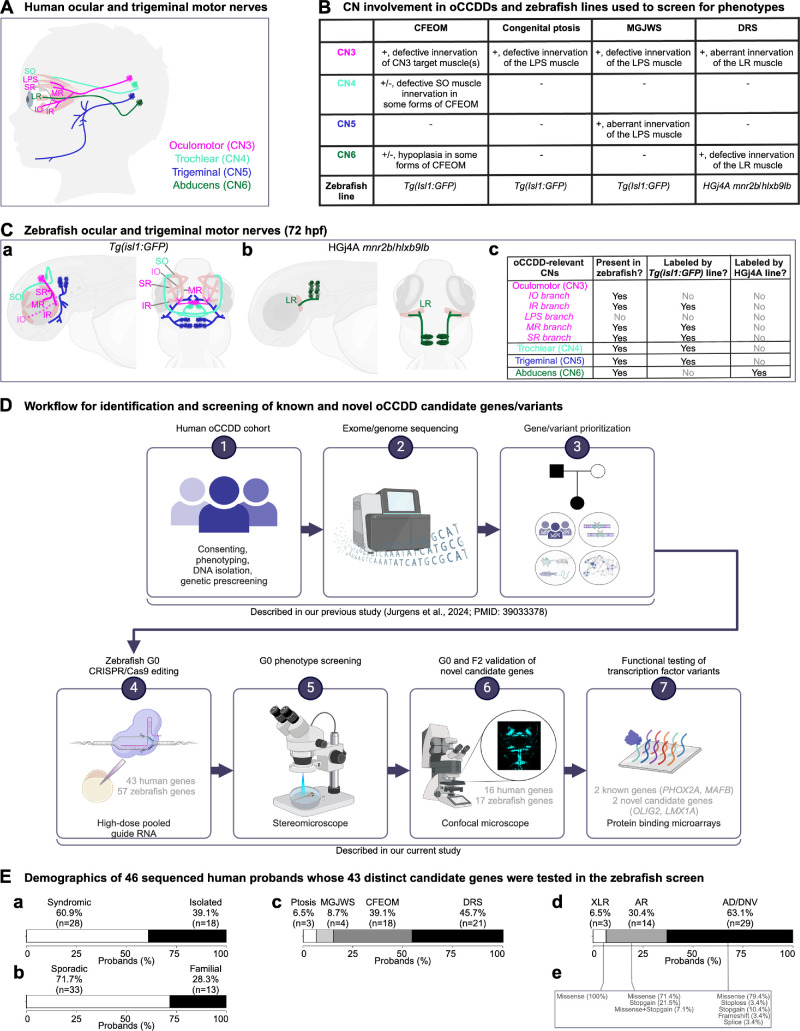 Figure 1
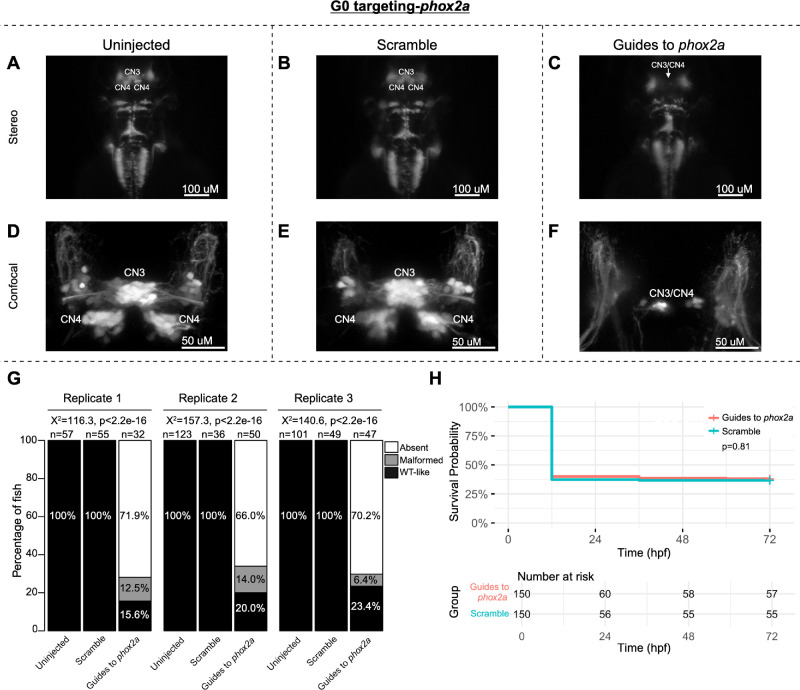 Figure 2
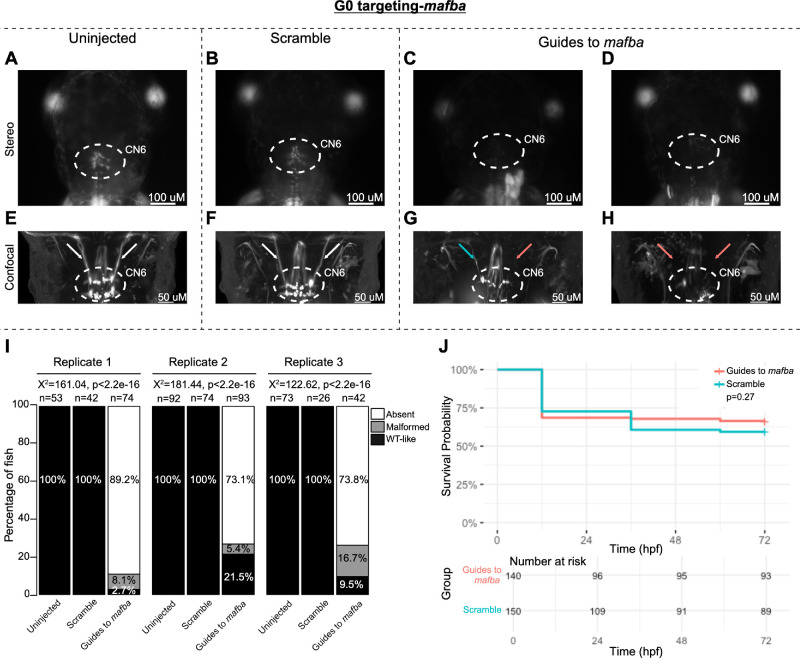 Figure 3
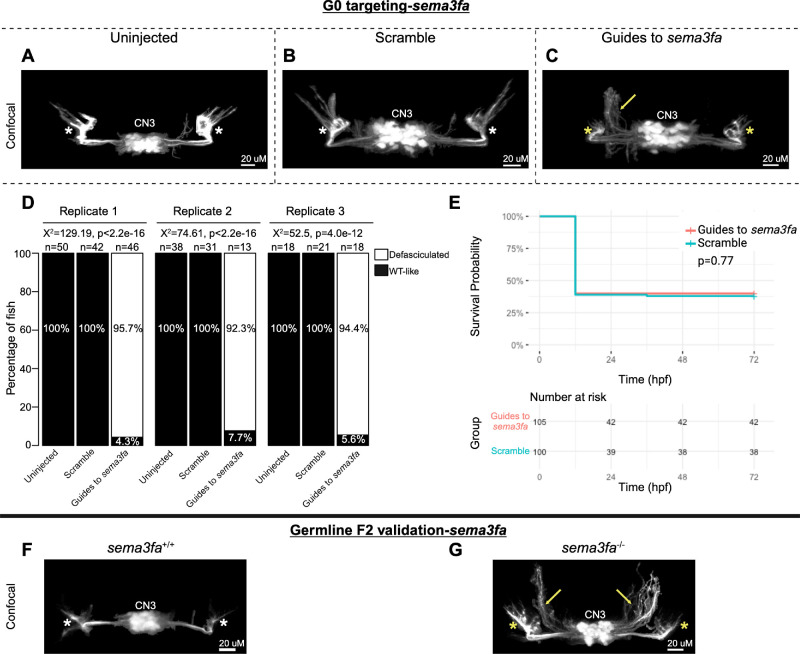 Figure 4
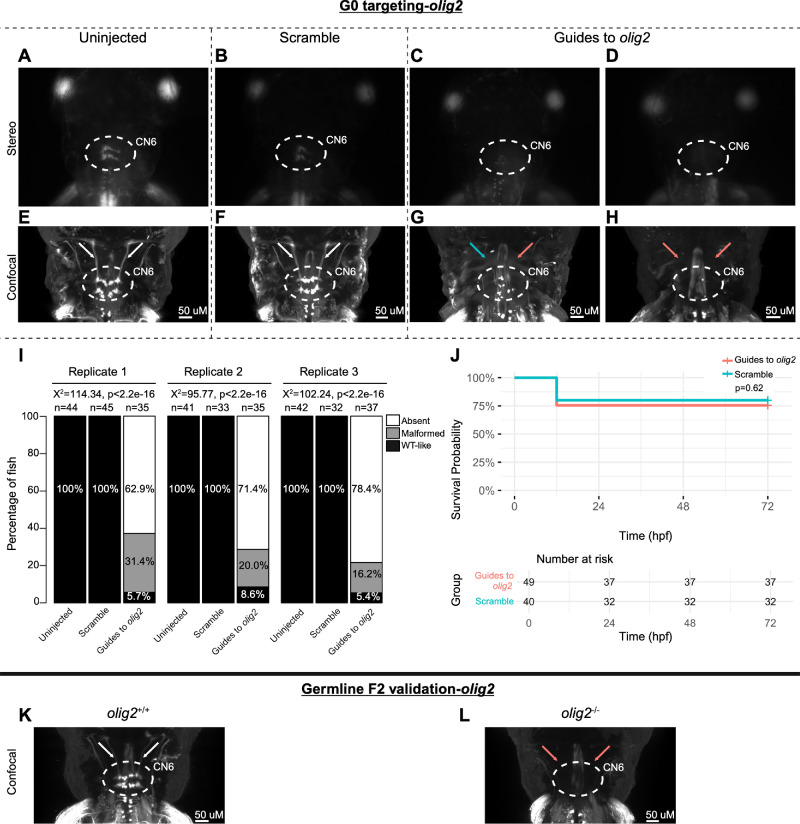 Figure 5
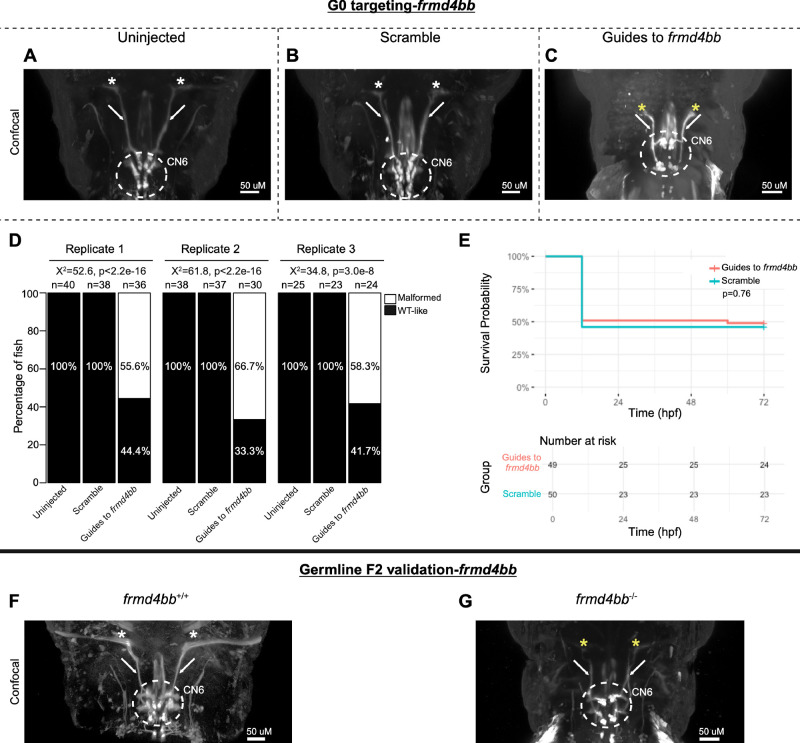 Figure 6
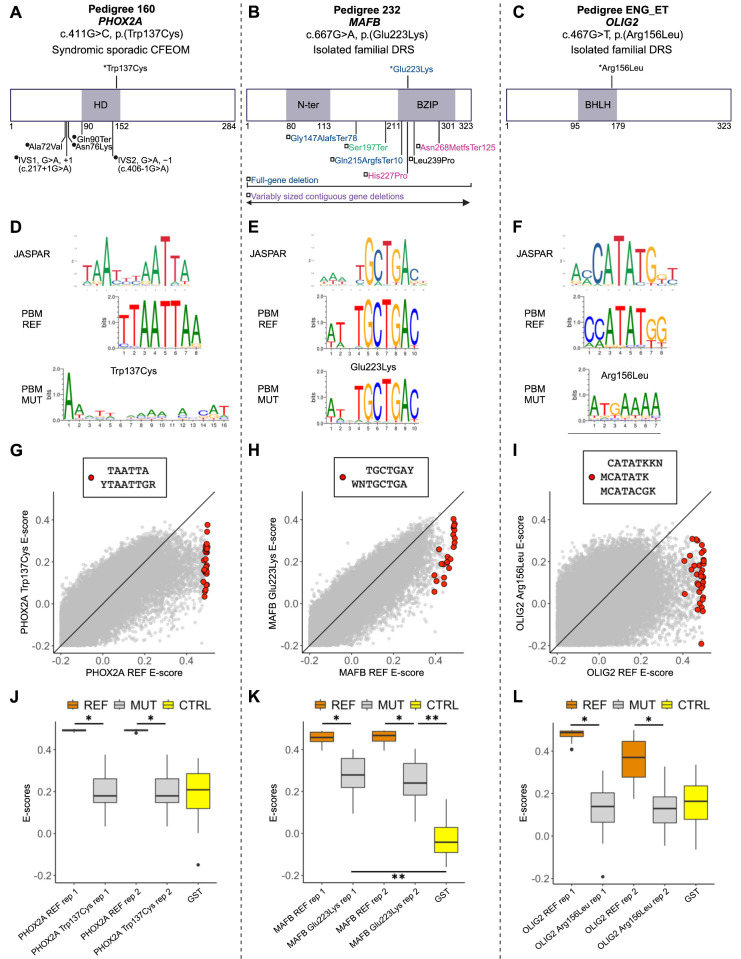 Figure 7
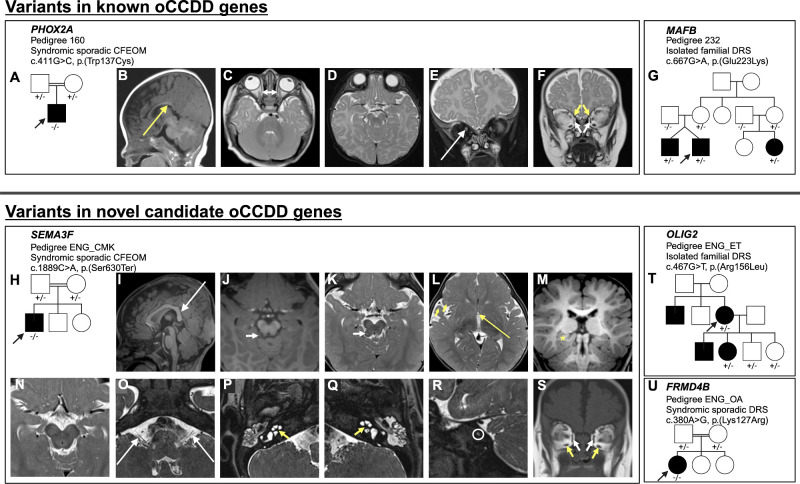 Figure 8
Peer Reviews
No public reviews on file for this paper yet. If you reviewed it on a platform where reviews are public (OpenReview, ICLR, NeurIPS, ICML), you can paste yours below so the community can read it here.
Videos
No videos yet. Explain this paper in a talk, walkthrough, or lecture? Add one.
Taxonomy
TopicsCongenital heart defects research · Hedgehog Signaling Pathway Studies · Fetal and Pediatric Neurological Disorders