Translation of bi-directional transcripts enhances MHC-I peptide diversity
Filip Zavadil, Tomas Henek, Justine Habault, René Chemali, Maria Camila Tovar-Fernandez, Chrysoula Daskalogianni, Laurence Malbert-Colas, Lixiao Wang, Sivakumar Vadivel Gnanasundram, Borek Vojtesek, Lenka Hernychova, Sebastien Apcher, Robin Fahraeus

TL;DR
This study shows that translating both strands of bi-directional transcripts increases the diversity of peptides presented by MHC-I molecules, which could improve immune-based therapies.
Contribution
The study demonstrates that three-frame translation of bi-directional transcripts generates antigenic peptides for the immune system.
Findings
Two peptides from antisense strands stimulated CD8+ T cell proliferation in PBMCs from nine donors.
An antigenic peptide from the reverse strand was presented on MHC-I and induced CD8+ T cell activation.
Three-frame translation of bi-directional transcripts produces antigenic substrates for the immune system.
Abstract
Antisense transcripts play an important role in generating regulatory non-coding RNAs but whether these transcripts are also translated to generate functional peptides remains poorly understood. In this study, RNA sequencing and six-frame database generation were combined with mass spectrometry analysis of peptides isolated from polysomes to identify Nascent Pioneer Translation Products (Na-PTPs) originating from alternative reading frames of bi-directional transcripts. Two Na-PTP originating peptides derived from antisense strands stimulated CD8+ T cell proliferation when presented to peripheral blood mononuclear cells (PBMCs) from nine healthy donors. Importantly, an antigenic peptide derived from the reverse strand of two cDNA constructs was presented on MHC-I molecules and induced CD8+ T cell activation. The results demonstrate that three-frame translation of bi-directional…
Genes, proteins, chemicals, diseases, species, mutations and cell lines named across the full text — each resolved to its canonical identifier and authoritative record.
Click any figure to enlarge with its caption.
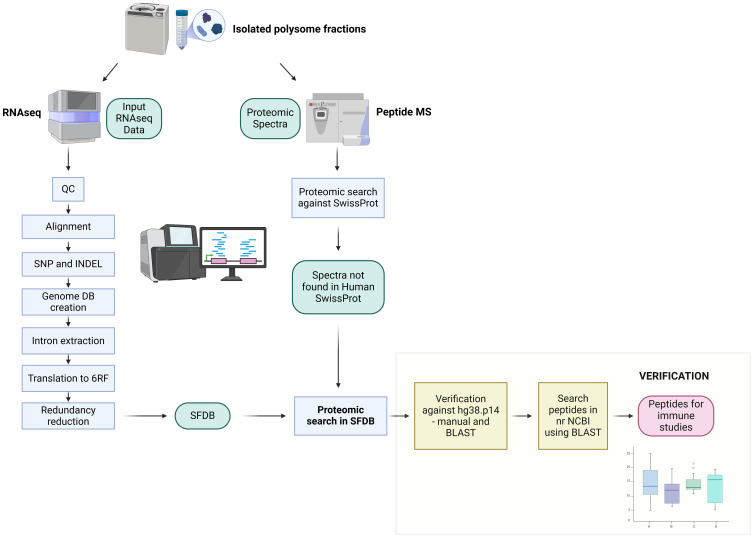 Figure 1
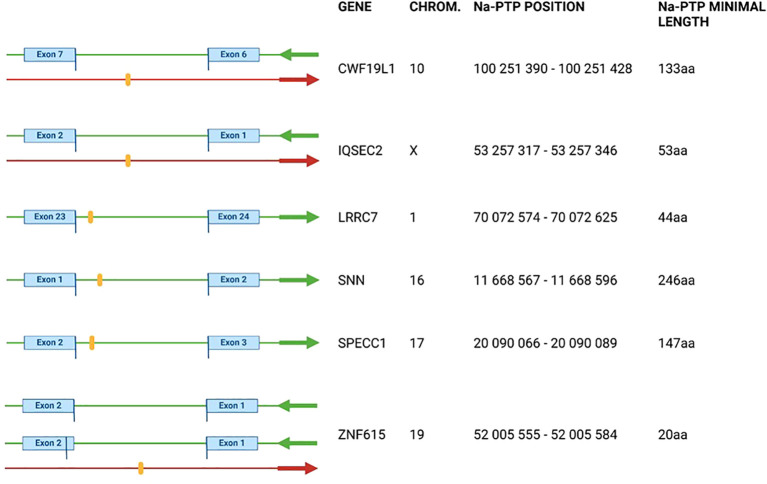 Figure 2
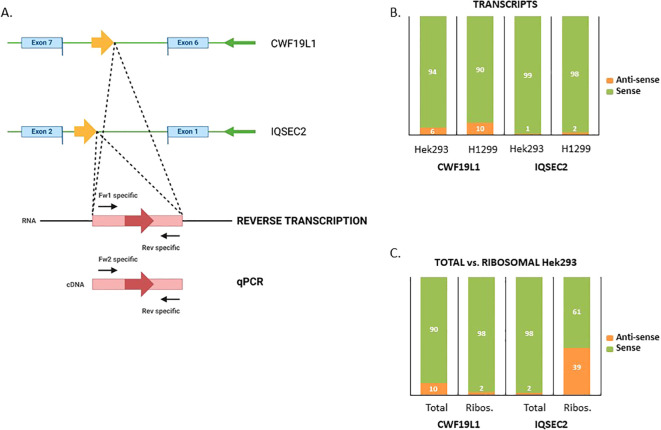 Figure 3
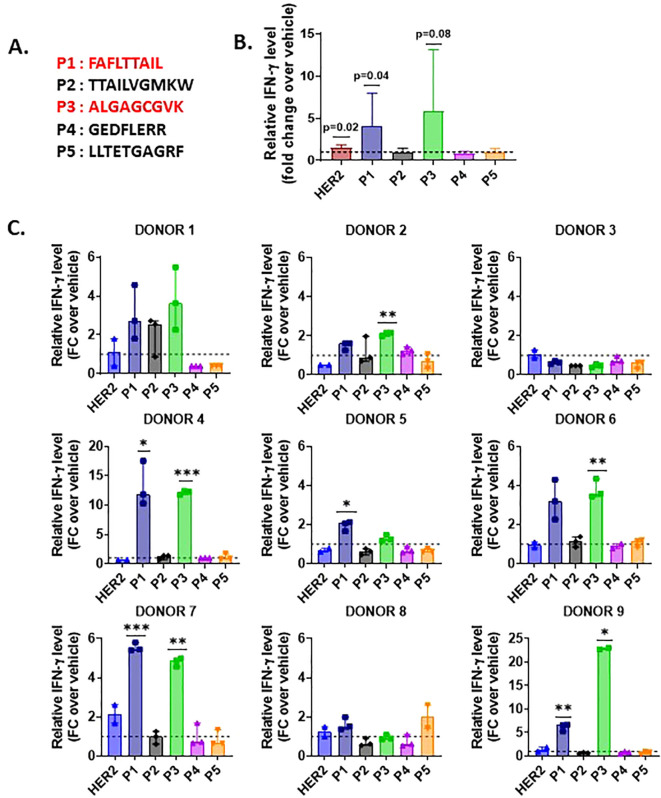 Figure 4
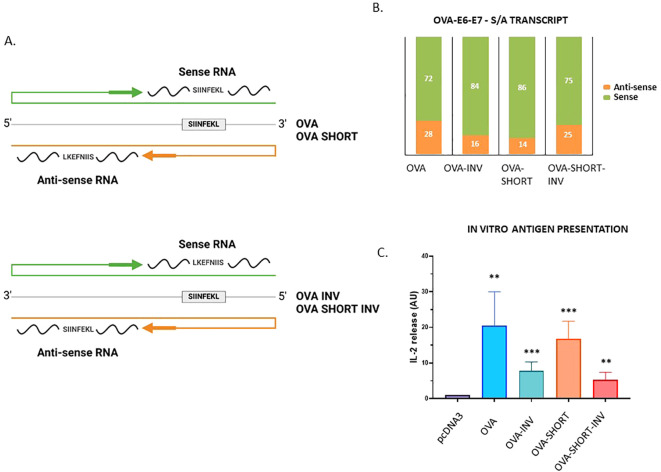 Figure 5
Peer Reviews
No public reviews on file for this paper yet. If you reviewed it on a platform where reviews are public (OpenReview, ICLR, NeurIPS, ICML), you can paste yours below so the community can read it here.
Videos
No videos yet. Explain this paper in a talk, walkthrough, or lecture? Add one.
Taxonomy
TopicsImmunotherapy and Immune Responses · vaccines and immunoinformatics approaches · T-cell and B-cell Immunology