Screening the receptors for Mycoplasma penetrans P35 lipoprotein and characterization of its functional binding domains
Xia Li, Xiaoliu Wang, Youyuan Ye, Zhuo Zeng, Li Chen, Kailan Peng, Hua Xiao, Siqi Gao, Haodang Luo, Yanhua Zeng

TL;DR
This study identifies γ-actin (ACTG1) as a receptor for the P35 lipoprotein of Mycoplasma penetrans, which helps the bacteria adhere to host cells.
Contribution
The study identifies ACTG1 as a functional receptor for P35 and maps the specific binding domains of P35.
Findings
P35 lipoprotein interacts with γ-actin (ACTG1) on host cell membranes.
ACTG1 partially inhibits the adhesion of P35 and M. penetrans to host cells.
Amino acid residues 35-42 and 179-186 of P35 are critical for binding to ACTG1.
Abstract
Mycoplasma penetrans, a prokaryotic microorganism initially isolated from the urine of a patient infected with human immunodeficiency virus (HIV), possesses a distinctive elongated flask-like shape and a tip-like structure. This unique morphology has been shown to facilitate its ability to invade cells both in vitro and in vivo. The adhesion of M. penetrans to host cells relies on lipid-associated membrane proteins (LAMPs), especially P35 lipoprotein, which is exposed on the mycoplasmal surface. In this study, modified Virus Overlay Protein Binding Assay (VOPBA) was employed to identify P35-interacting proteins from membrane protein extracts of SV40-immortalized human uroepithelial (SV-HUC-1) cells. Through recombinant protein binding assays, siRNA-mediated knockdown, ELISA, Far-Western blot, and inhibition experiments, the binding mechanisms and functional domains were further…
Genes, proteins, chemicals, diseases, species, mutations and cell lines named across the full text — each resolved to its canonical identifier and authoritative record.
Click any figure to enlarge with its caption.
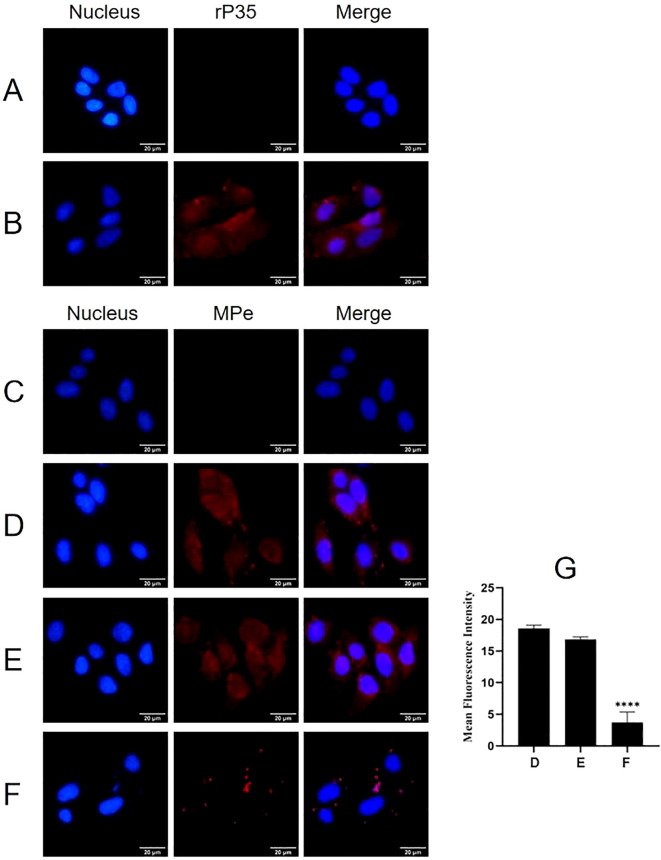 Figure 1
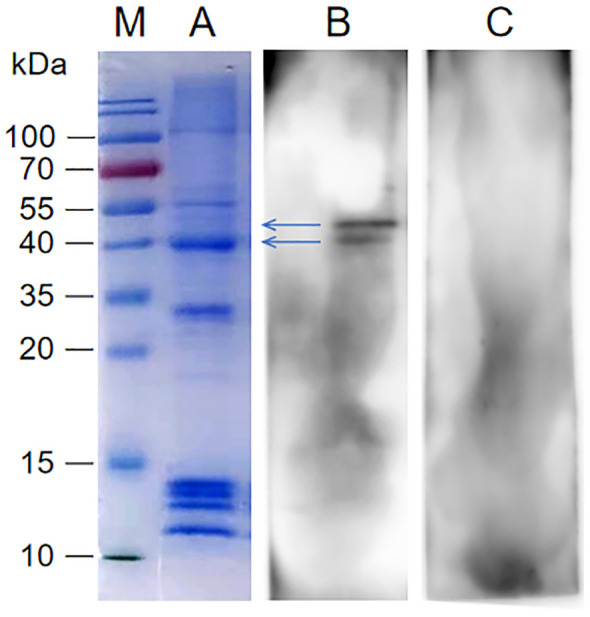 Figure 2
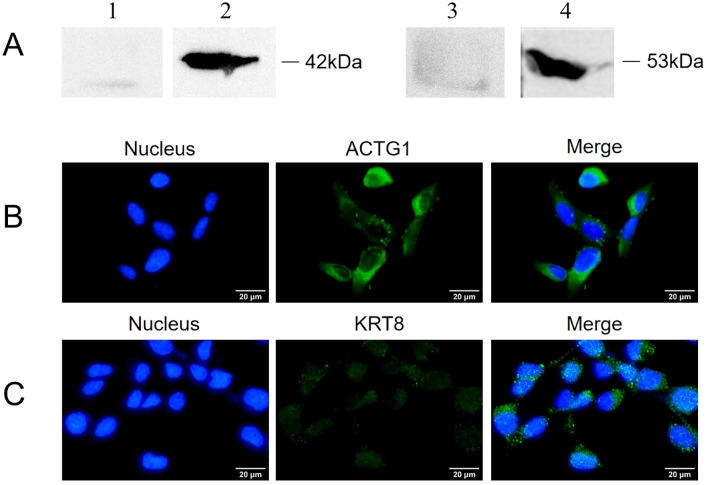 Figure 3
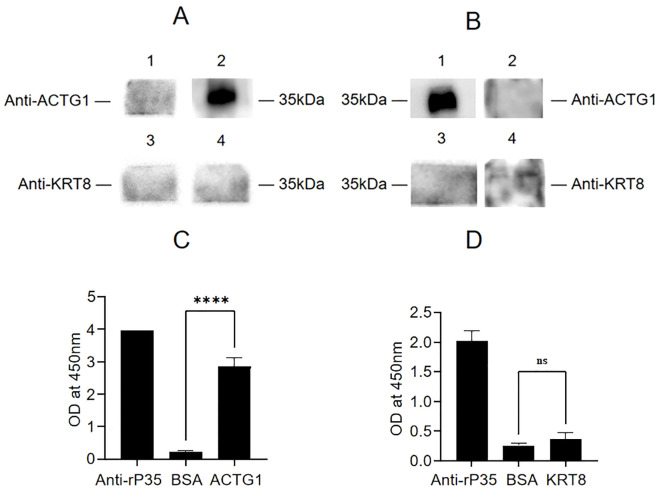 Figure 4
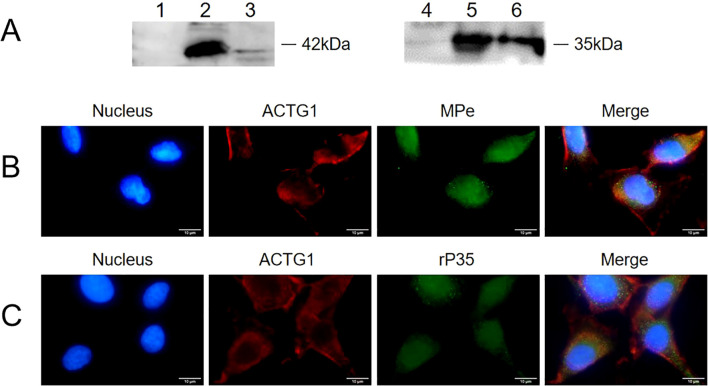 Figure 5
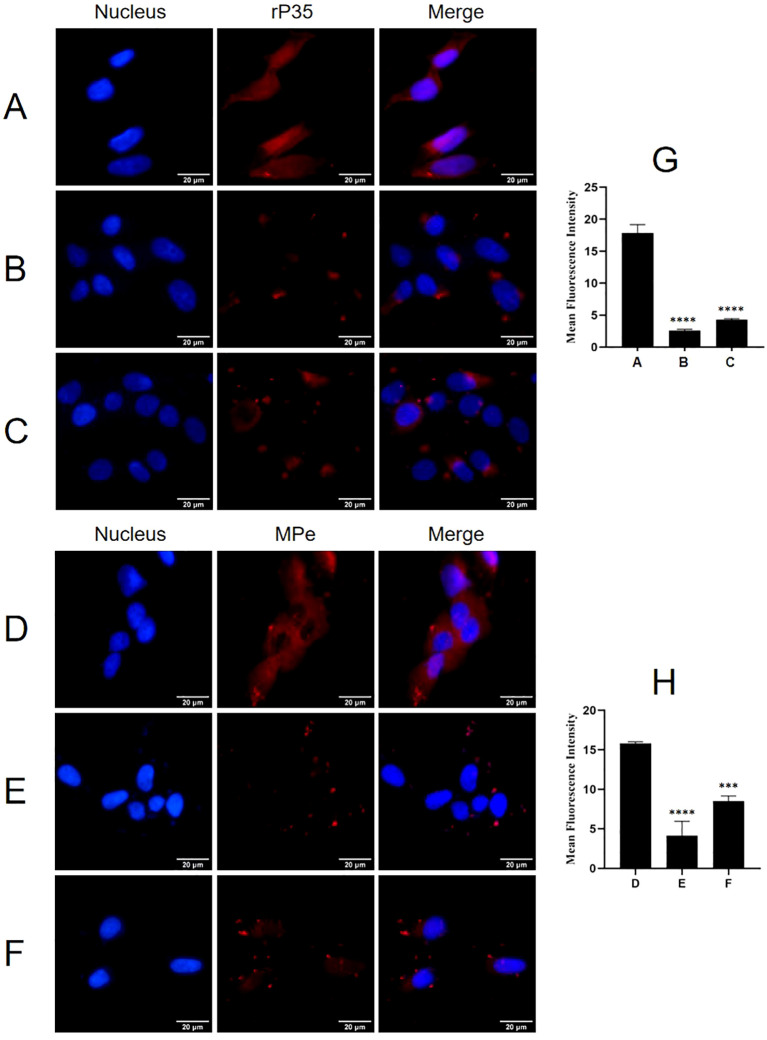 Figure 6
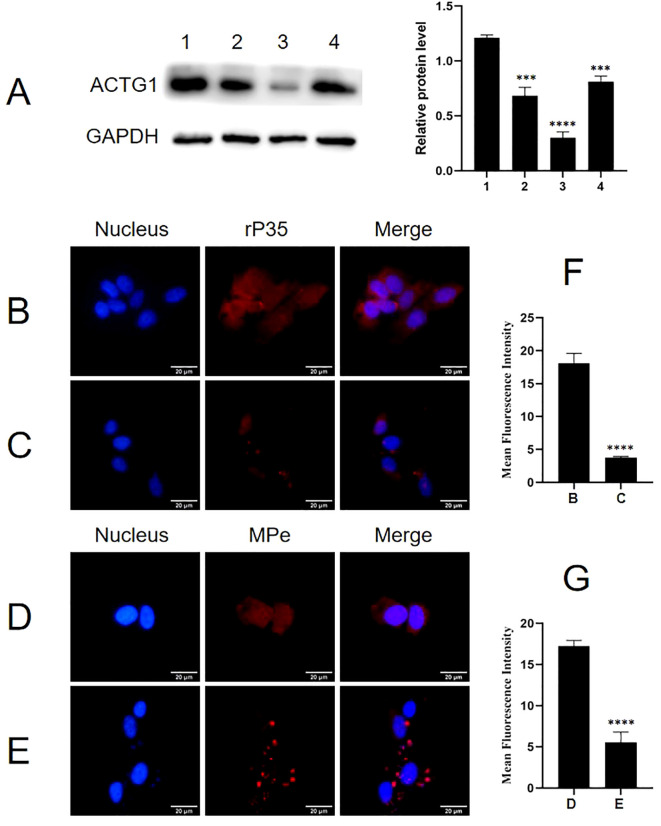 Figure 7
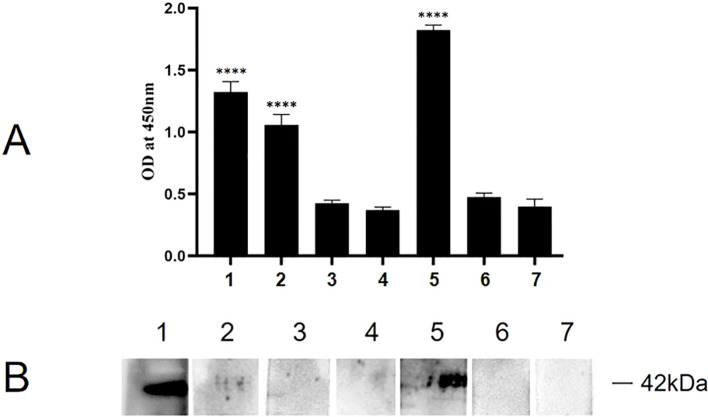 Figure 8
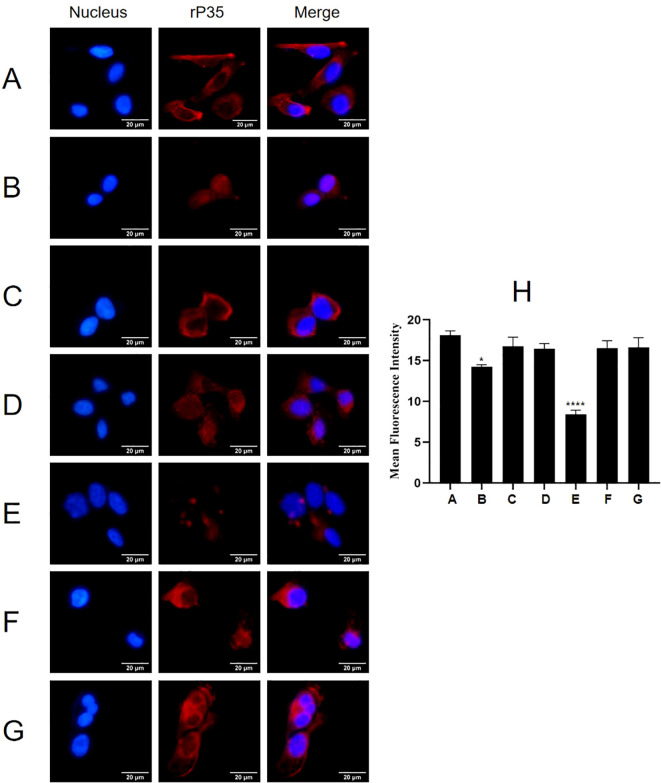 Figure 9
Peer Reviews
No public reviews on file for this paper yet. If you reviewed it on a platform where reviews are public (OpenReview, ICLR, NeurIPS, ICML), you can paste yours below so the community can read it here.
Videos
No videos yet. Explain this paper in a talk, walkthrough, or lecture? Add one.
Taxonomy
TopicsMicrobial infections and disease research · Aquaculture disease management and microbiota · Bacteriophages and microbial interactions