Peroral endoscopic tunneling under saline combined with partial myotomy for hypercontractile esophagus
Georgios Mavrogenis, Alexandros Ioannou, Thanassis Karamountzos, George Karamanolis

Abstract
Genes, proteins, chemicals, diseases, species, mutations and cell lines named across the full text — each resolved to its canonical identifier and authoritative record.
Click any figure to enlarge with its caption.
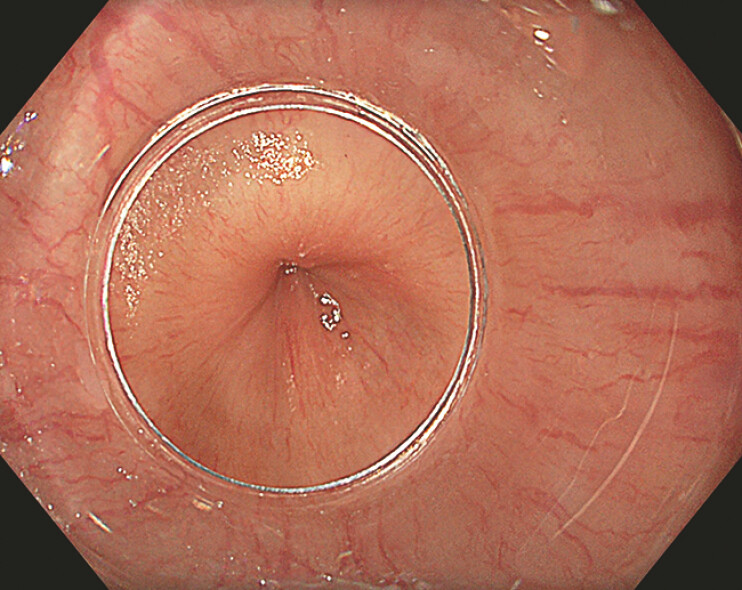 Fig. 1
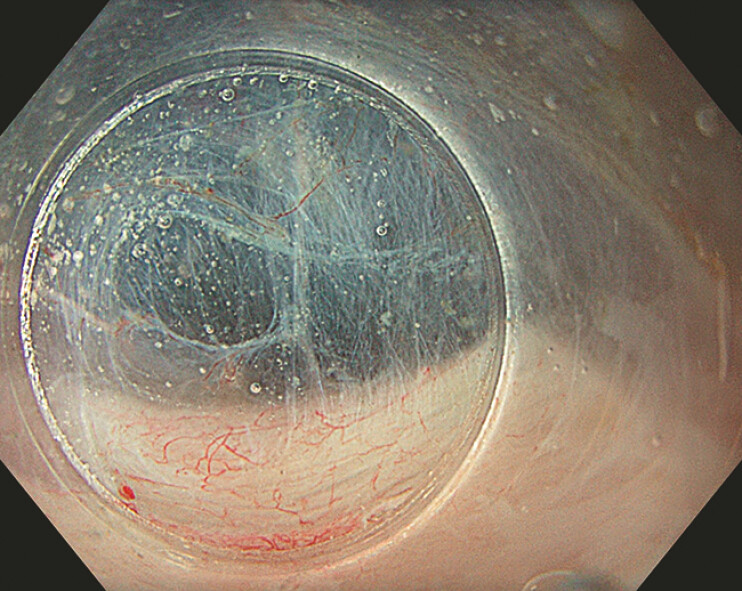 Fig. 2
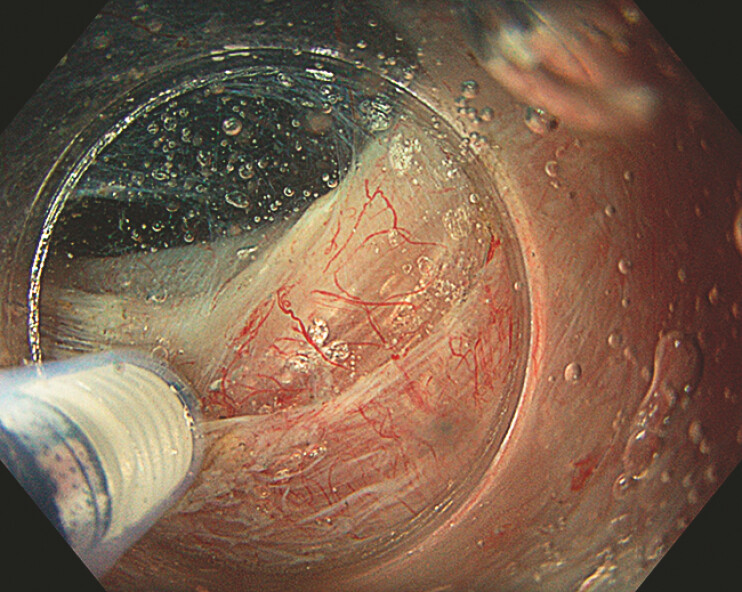 Fig. 3
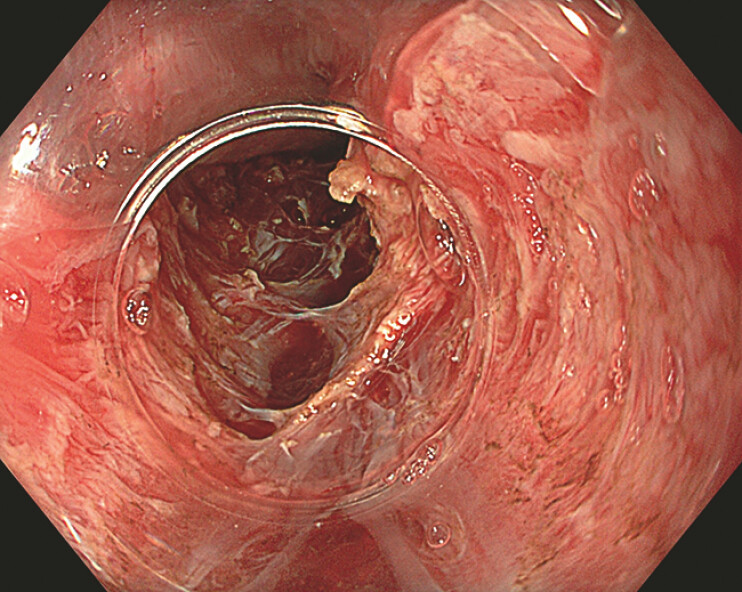 Fig. 4
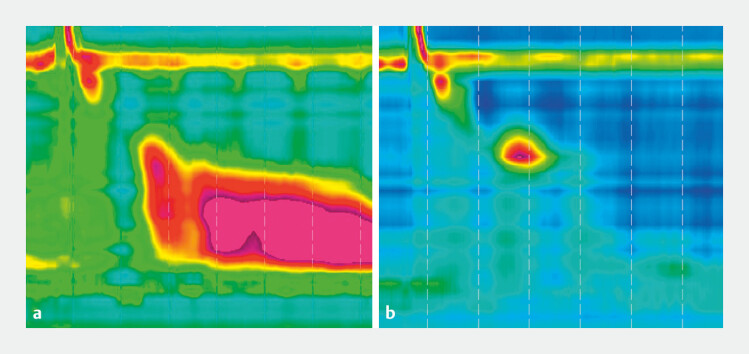 Fig. 5
Peer Reviews
No public reviews on file for this paper yet. If you reviewed it on a platform where reviews are public (OpenReview, ICLR, NeurIPS, ICML), you can paste yours below so the community can read it here.
Videos
No videos yet. Explain this paper in a talk, walkthrough, or lecture? Add one.
Taxonomy
TopicsEsophageal and GI Pathology · Esophageal Cancer Research and Treatment · Eosinophilic Esophagitis
Underwater peroral endoscopic myotomy was initially presented as an alternative approach for the treatment of achalasia, with only a few case reports published since its initial description 1 2 3 4 . The theoretical advantage of using saline infusion instead of carbon dioxide is the diminished risk of gas-related events such as capnoperitoneum, tension pneumothorax, or pneumomediastinum. However, in our experience, the major advantage of working under saline is the stabilization of the endoscope in the setting of increased esophageal motility. The purpose of this video ( Video 1 ) is to illustrate the advantages of performing peroral endoscopic tunneling under saline combined with partial myotomy in the setting of hypercontractile esophagus.
Demonstration of peroral endoscopic tunneling under saline combined with partial myotomy for hypercontractile esophagus.Video 1
In this rare disorder, the increased motility of the esophagus ( Fig. 1 ) makes the procedure challenging and raises the risk of inadvertent mucosal damage. However, by performing the dissection under saline ( Fig. 2 ), the mucosa floats away from the muscle layer and the spasms of the esophagus do not interfere with the dissection plane. In addition, by performing partial myotomy ( Fig. 3 ) during tunneling, the axis of the tunnel is straightened, and the intensity of contractions is significantly diminished. When both techniques are applied, the procedure becomes safer and faster. Once the tunnel is completed the saline is aspirated in order to diminish the risk of postoperative pleural effusions, and standard myotomy is performed ( Fig. 4 , Fig. 5 ).
Intense esophageal contractions in a case of hypercontractile esophagus.
Tunneling under saline. The view is magnified, the mucosa floats away from the muscle layer, and the contractions do not interfere with the dissection plane.
Partial myotomy performed under saline.
Full-thickness myotomy.
High-resolution manometry before ( a ) and after ( b ) myotomy, showing loss of hypercontractility.
In conclusion, we believe that tunneling under saline combined with partial myotomy is an innovative approach for faster and safer dissection in motility disorders with intense esophageal contractions.
Endoscopy_UCTN_Code_TTT_1AO_2AP
The reference list from the paper itself. Each links out to its DOI / PubMed record.
- 1Binmoeller KF Bhat YM Underwater peroral endoscopic myotomy Gastrointest Endosc 20168345410.1016/j.gie.2015.08.06626358328 · doi ↗ · pubmed ↗
- 2Uchima H Colan J Marín I Underwater peroral endoscopic myotomy (u-POEM) after tension capnoperitoneum and capnothorax during POEM Endoscopy 202052 E 396E 39732303086 10.1055/a-1144-2547 · doi ↗ · pubmed ↗
- 3Sferrazza S Calabrese G Maselli R Underwater techniques in gastrointestinal endoscopy: diving into the depths Cancers (Basel)202416353539456629 10.3390/cancers 16203535 PMC 11506518 · doi ↗ · pubmed ↗
- 4Capogreco Ade Sire R Massimi D Underwater coagulation using hybrid knife in peroral endoscopic myotomy for achalasia Endoscopy 20245654754810.1055/a-2258-837138936349 PMC 11211000 · doi ↗ · pubmed ↗