A Novel Mouse Model of Type 2 Diabetes Using a Medium–Fat Diet, Fructose, and Streptozotocin to Study the Complications of Human Disease
Yanina Luciana Mazzocco, Gastón Bergero, Sebastián Del Rosso, Zoé M Cejas Gallardo, Alejandra Canalis, Ruth Eliana Baigorri, Luciana Mezzano, Juan Javier Mladin, Gustavo Tomas Diaz, Claudia Erika Martinez, Roxana Carolina Cano, Maria Pilar Aoki

TL;DR
Researchers created a new mouse model for type 2 diabetes that better reflects human dietary habits and disease progression in younger individuals.
Contribution
A novel mouse model combining a medium-fat diet, fructose, and low-dose STZ to mimic T2DM in young individuals.
Findings
D + T mice showed significant weight gain, elevated blood glucose, and insulin resistance.
Increased levels of hepatic enzymes, cholesterol, and LDL were observed in the model.
Multi-organ damage, including pancreatic, hepatic, and cardiac/renal dysfunction, was detected.
Abstract
The study of type 2 diabetes mellitus (T2DM) pathophysiology relies mainly on the use of animal models, the most common of which involves the consumption of high-fat diets comprising 60% calories from fat. Although these models reproduce the onset and most complications associated with T2DM, they do not accurately mimic human dietary patterns, as they lack the addition of carbohydrates such as fructose. This study aimed to develop a C57BL/6 mouse model of T2DM that mimics the disease, as occurs in younger individuals, via a medium-fat diet (34.5% kcal from fat) combined with a 20% fructose solution as drinking water and a single low-dose of streptozotocin (STZ) (100 mg/kg), a diabetogenic drug. At week 20, D + T mice exhibited significant weight gain and elevated fasting blood glucose levels compared with those of control mice and the development of insulin resistance. Similarly, the…
Genes, proteins, chemicals, diseases, species, mutations and cell lines named across the full text — each resolved to its canonical identifier and authoritative record.
Click any figure to enlarge with its caption.
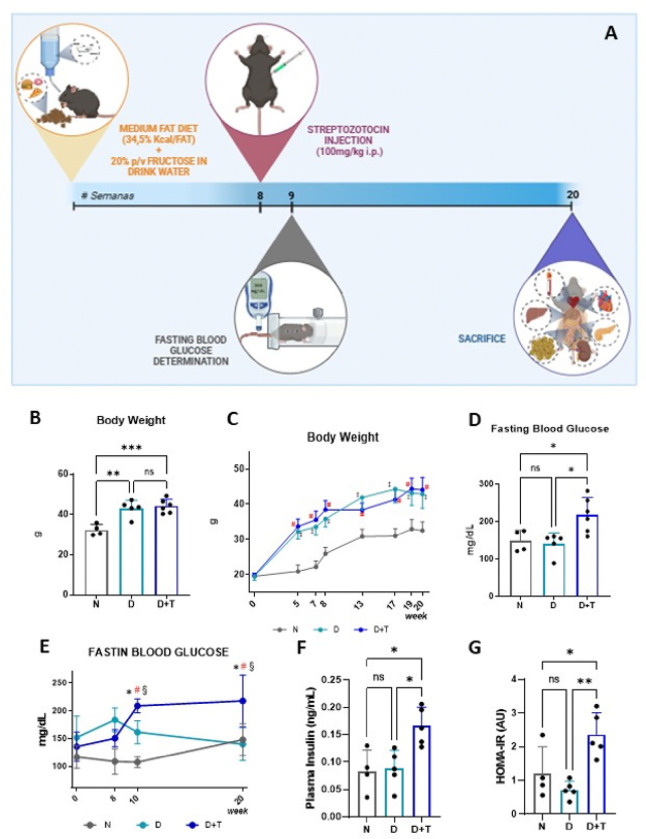 Figure 1
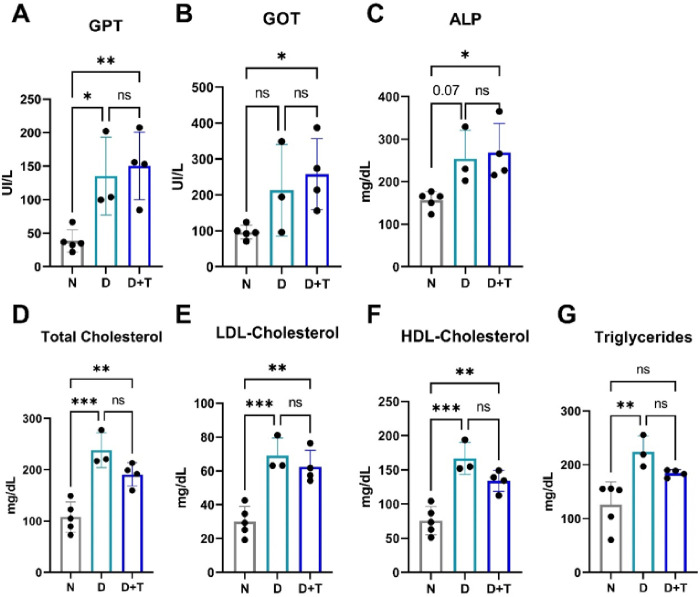 Figure 2
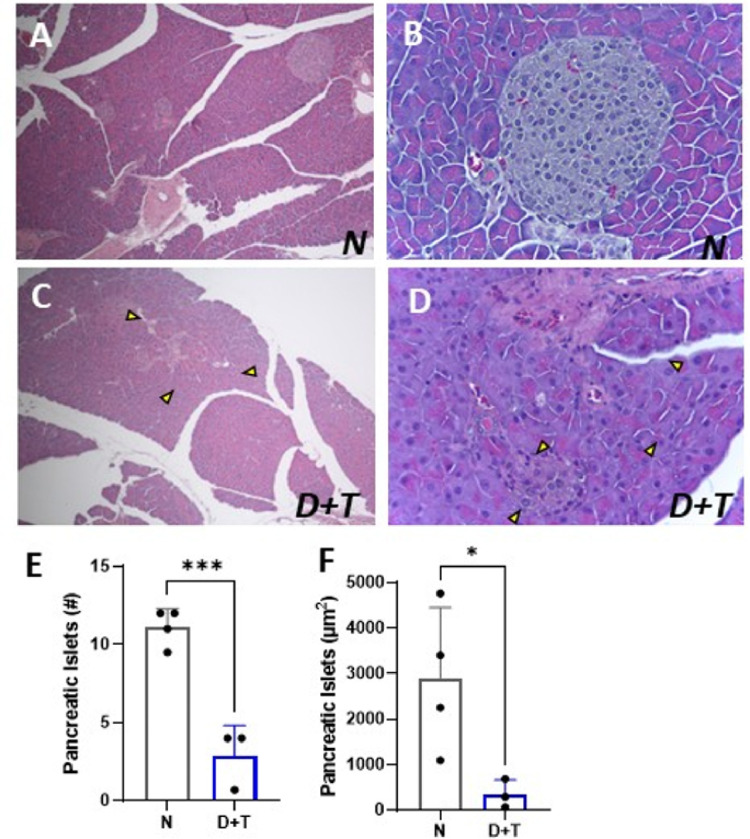 Figure 3
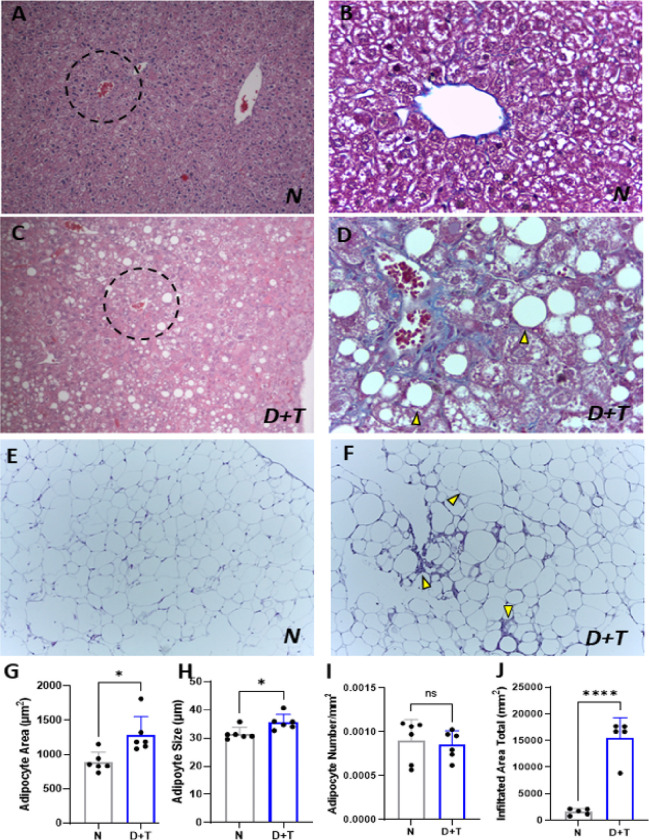 Figure 4
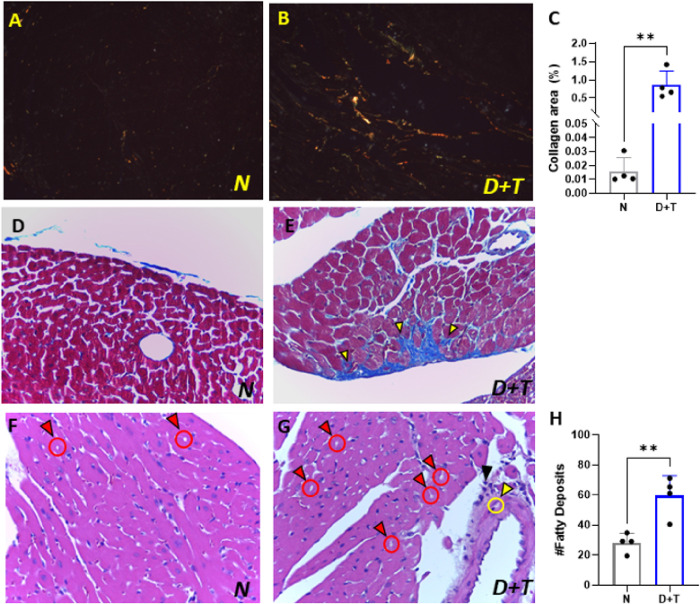 Figure 5
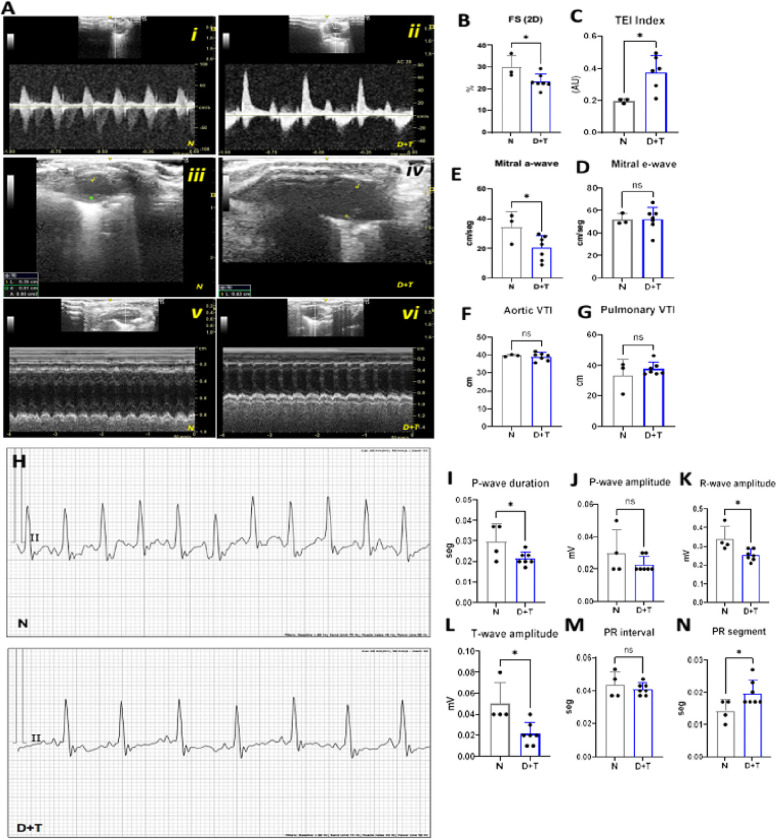 Figure 6
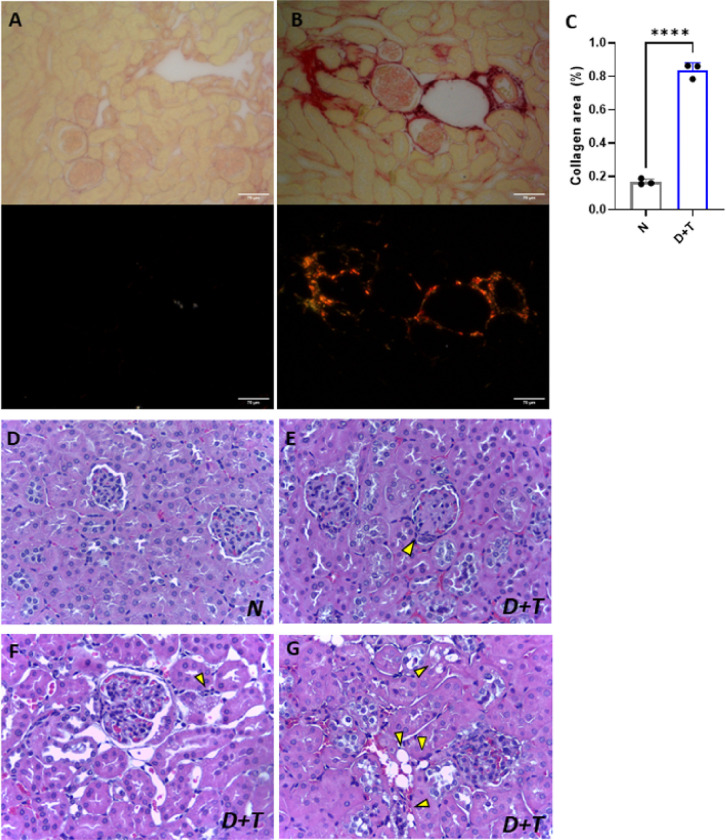 Figure 7
Peer Reviews
No public reviews on file for this paper yet. If you reviewed it on a platform where reviews are public (OpenReview, ICLR, NeurIPS, ICML), you can paste yours below so the community can read it here.
Videos
No videos yet. Explain this paper in a talk, walkthrough, or lecture? Add one.
Taxonomy
TopicsDiet, Metabolism, and Disease · Diet and metabolism studies · Pancreatic function and diabetes