A Chemical Epigenetic Probe to Capture the Site-Specific DNA-Binding Protein Complex
Jiajun Zhu, Zhucui Li, Dongxiang Xue, Zihe Meng, Sida Shao, Julian Pulecio, Guoan Zhang, Danwei Huangfu, Todd Evans, Peter G. Schultz, Shuibing Chen

TL;DR
A new chemical tool called SUPER helps identify proteins that bind to specific DNA regions, revealing how gene regulation controls cell fate.
Contribution
The SUPER system enables site-specific capture of DNA-binding proteins in human pluripotent stem cells.
Findings
SUPER identified the OCT4/SOX2/CARHSP1 complex binding to the NANOG promoter in pluripotent stem cells.
ZIC2 inhibits NANOG expression during differentiation by binding the same promoter.
ZNF8 binds to the distal regulatory region of OCT4 to maintain naïve pluripotency.
Abstract
Site-specific DNA binding by proteins is critical for regulating genetic activity and cell fate decision. However, identifying proteins bound to specific genomic regions (e.g., promoter or enhancer) remains challenging. To address this, we developed a chemical epigenetic tool, named Site-specific non-canonical amino acid resolved Protein EnRichment (SUPER) system, incorporating a photo-crosslinking amino acid into nuclease-deficient dCas9 mutant. Human pluripotent stem cells (hPSCs) carrying SUPER enables the capture of proteins bound to, in theory, any genomic location, facilitating the study of the cell context-dependent DNA-protein interactions. Using SUPER, we identified OCT4/SOX2/CARHSP1 complex binding to the NANOG promoter to maintain pluripotency in hPSCs. During ectoderm differentiation, ZIC2 acts as a competitive inhibitor, binding the same promoter to downregulate NANOG…
Genes, proteins, chemicals, diseases, species, mutations and cell lines named across the full text — each resolved to its canonical identifier and authoritative record.
Click any figure to enlarge with its caption.
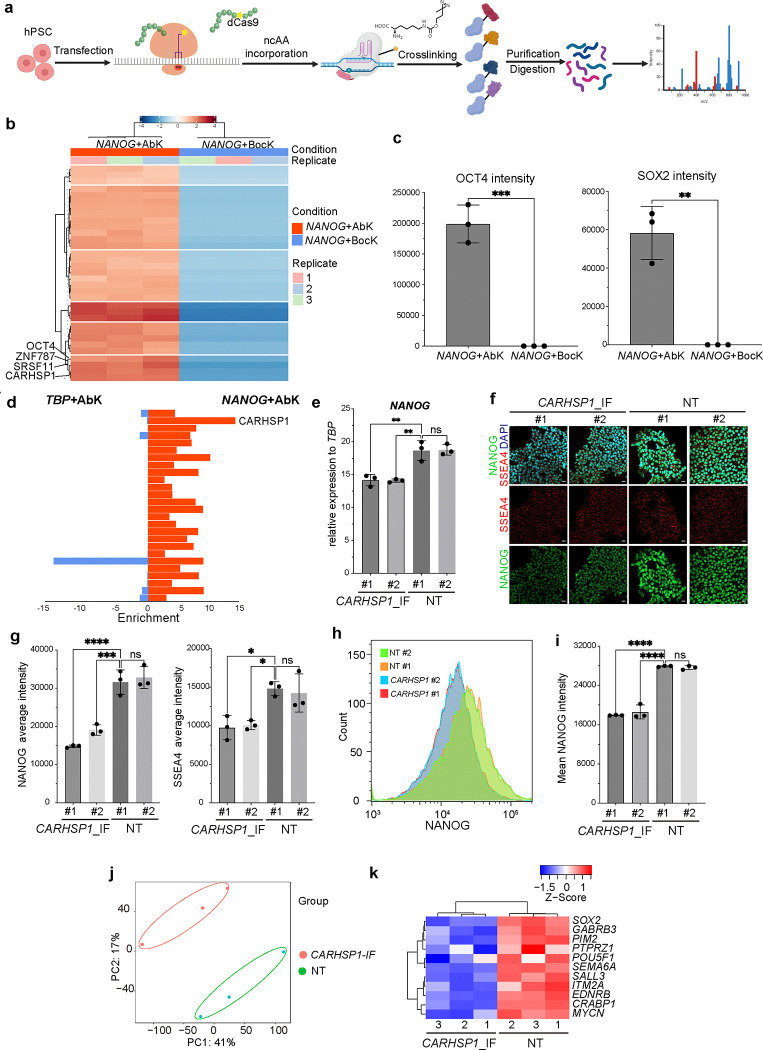 Figure 1
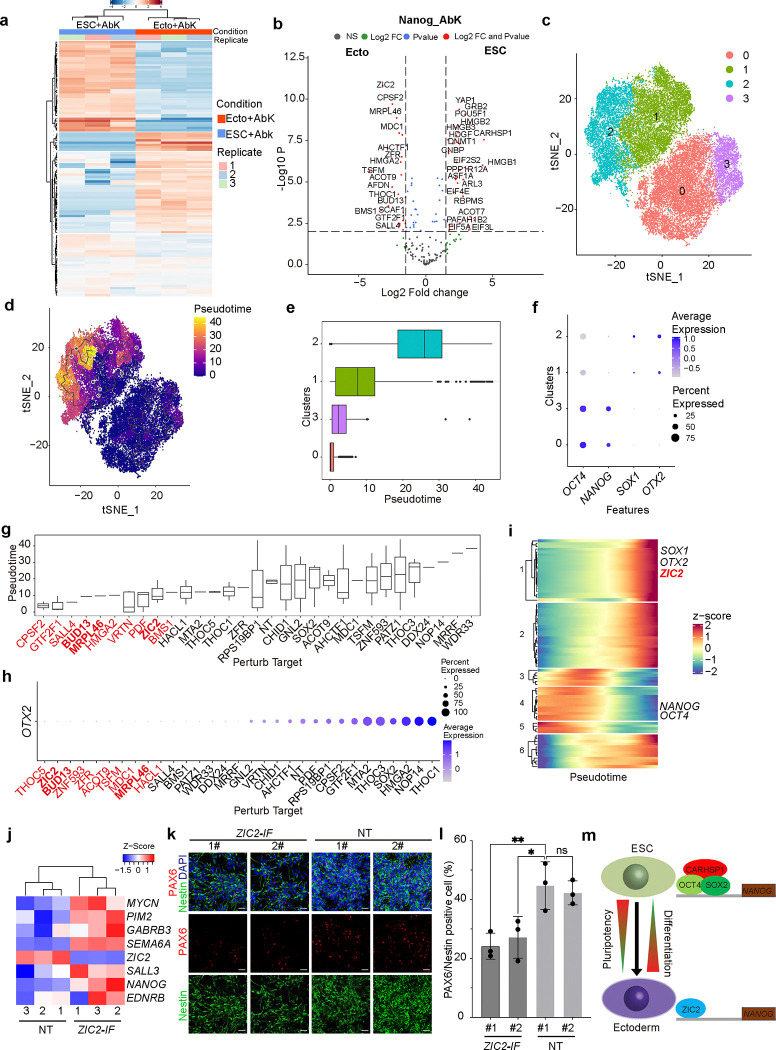 Figure 2
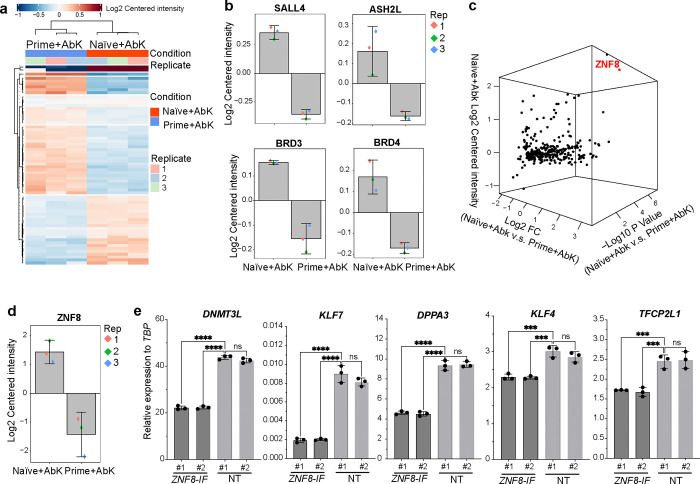 Figure 3
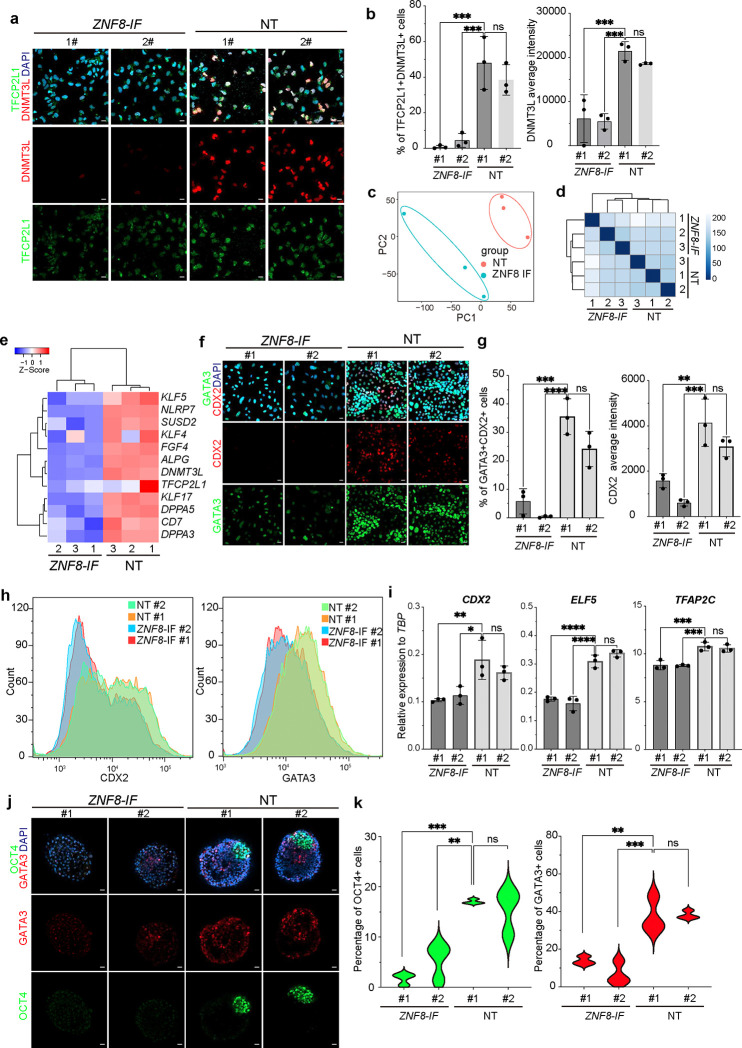 Figure 4
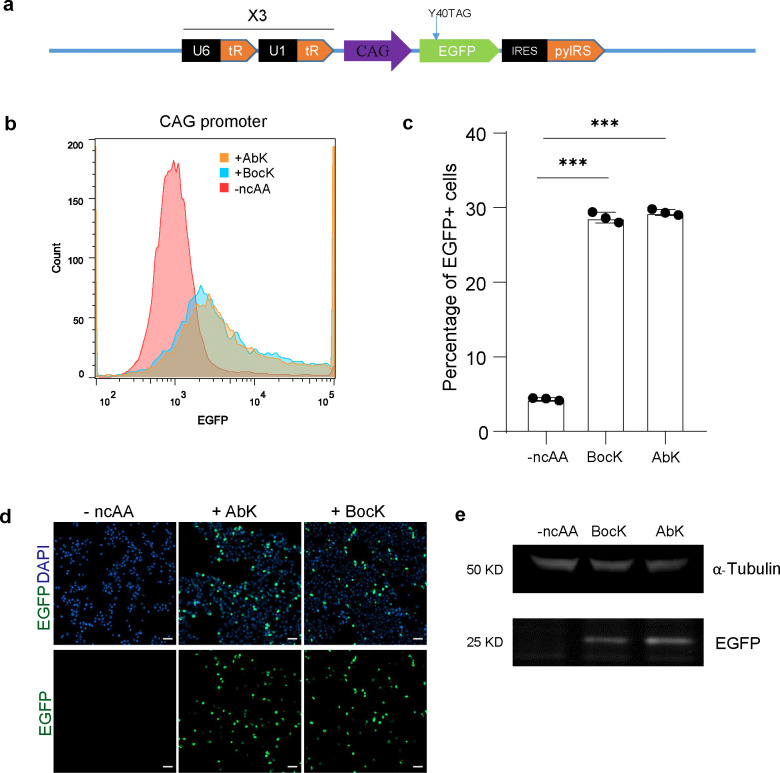 Figure 5
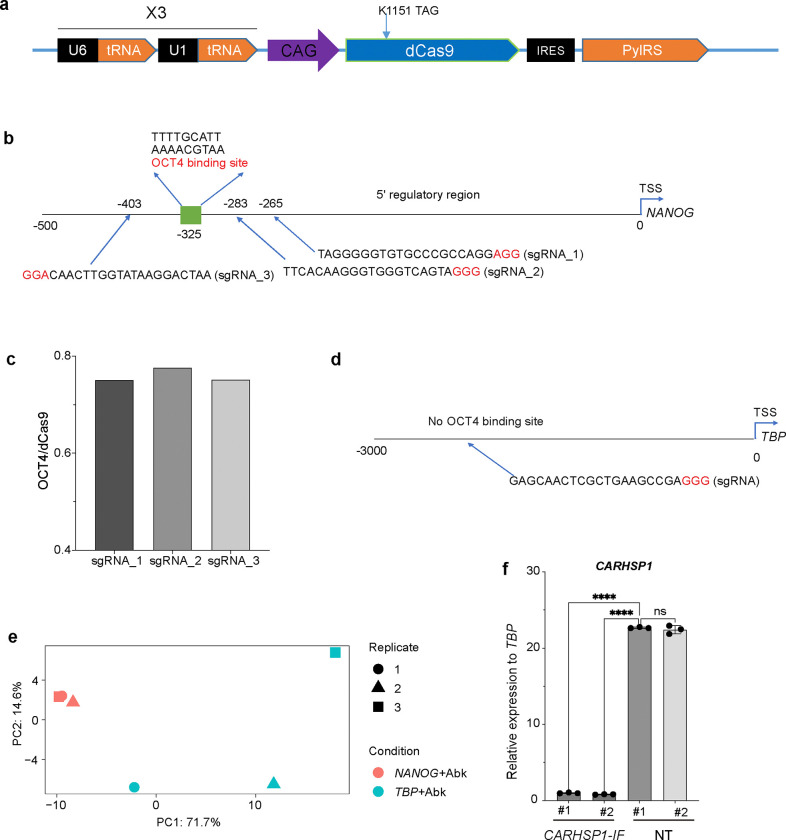 Figure 6
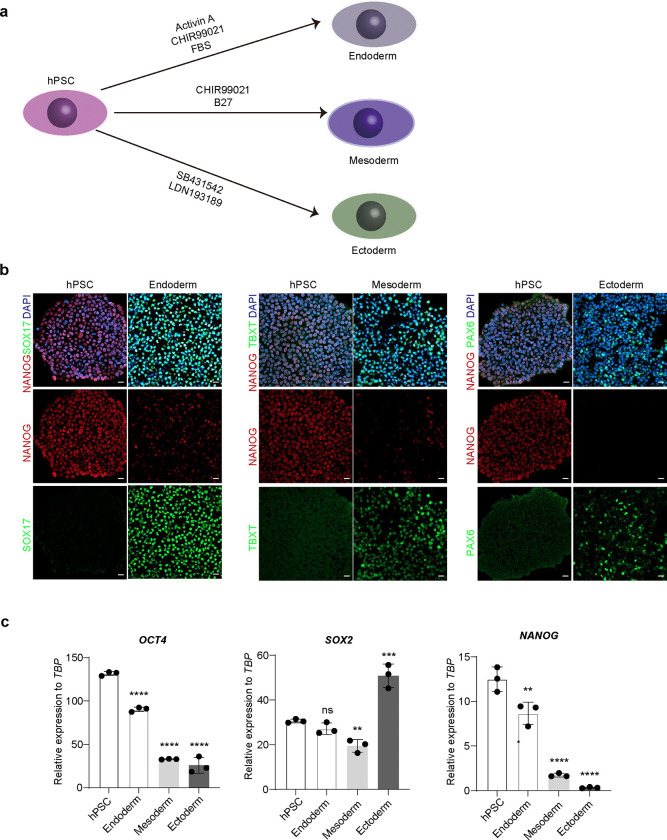 Figure 7
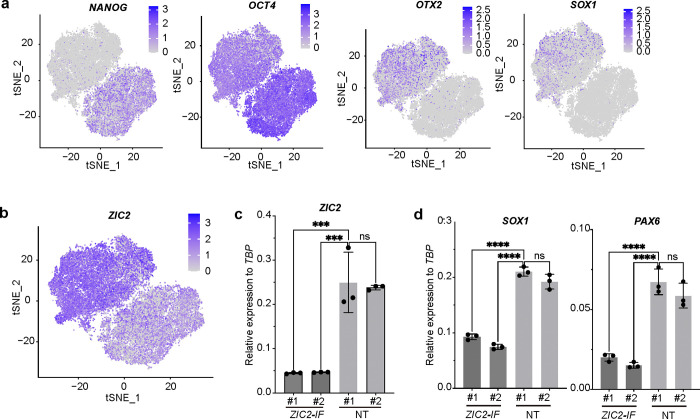 Figure 8
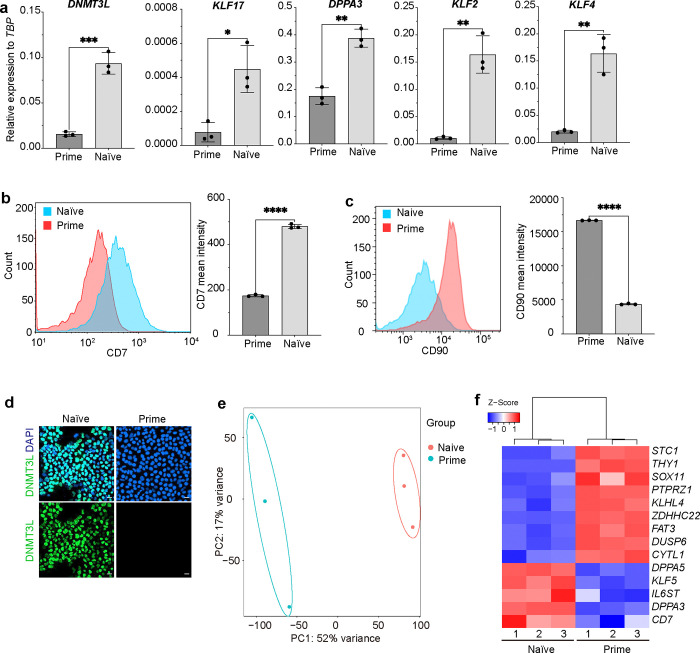 Figure 9
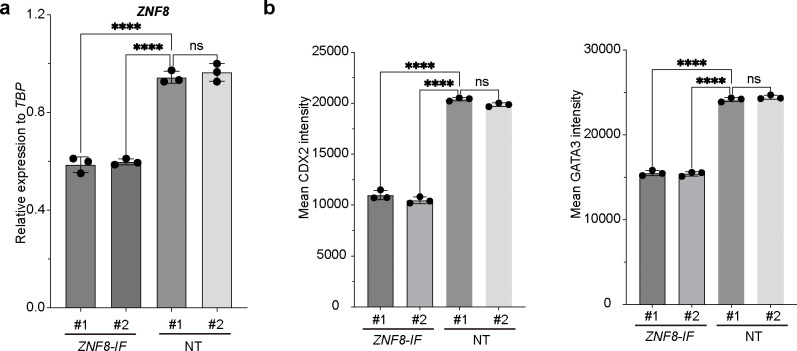 Figure 10
Peer Reviews
No public reviews on file for this paper yet. If you reviewed it on a platform where reviews are public (OpenReview, ICLR, NeurIPS, ICML), you can paste yours below so the community can read it here.
Videos
No videos yet. Explain this paper in a talk, walkthrough, or lecture? Add one.
Taxonomy
TopicsCRISPR and Genetic Engineering · Insect Resistance and Genetics · Advanced biosensing and bioanalysis techniques