Transient expression of fluorescent proteins and Cas nucleases in Phytophthora agathidicida via PEG-mediated protoplast transformation
Max Hayhurst, Jochem N. A. Vink, Maxence Remerand, Monica L. Gerth

TL;DR
Researchers developed a method to transform the plant pathogen Phytophthora agathidicida using protoplasts, enabling the expression of fluorescent proteins and CRISPR-Cas tools.
Contribution
A PEG/CaCl2-mediated protoplast transformation protocol was established for P. agathidicida, enabling transient expression of fluorescent and CRISPR-Cas proteins.
Findings
Chitinases are essential for protoplast formation in P. agathidicida, with optimal recovery at pH 5.
Transformants expressing fluorescent proteins and Cas nucleases were successfully generated and remained stable under antibiotic selection.
Fluorescent zoospores were produced, indicating potential for CRISPR-Cas genome editing and cell tracking.
Abstract
Phytophthora species are eukaryotic plant pathogens that cause root rot and dieback diseases in thousands of plant species worldwide. Despite their significant economic and ecological impacts, fundamental molecular tools such as DNA transformation methods are not yet established for many Phytophthora species. In this study, we have established a PEG/calcium chloride (CaCl2)-mediated protoplast transformation method for Phytophthora agathidicida, the causal agent of kauri dieback disease. Adapting a protocol from Phytophthora sojae, we systematically optimized the protoplast digesting enzymes, recovery media composition and pH. Our findings reveal that chitinases are essential for P. agathidicida protoplast formation, and the optimum pH of the recovery medium is 5. The media type did not significantly impact protoplast regeneration. Using this protocol, we generated transformants using…
Genes, proteins, chemicals, diseases, species, mutations and cell lines named across the full text — each resolved to its canonical identifier and authoritative record.
Click any figure to enlarge with its caption.
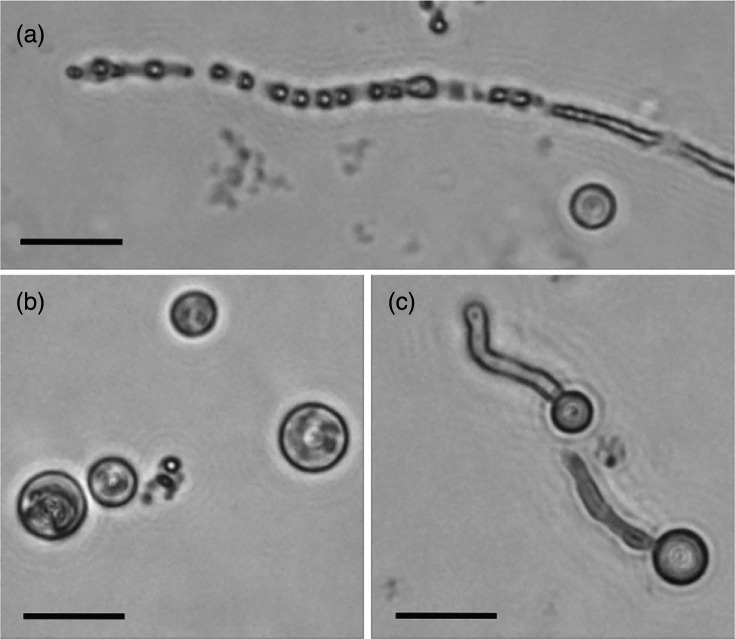 Figure 1
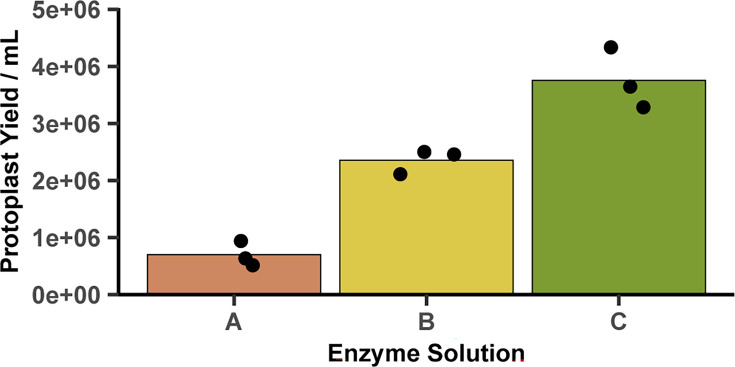 Figure 2
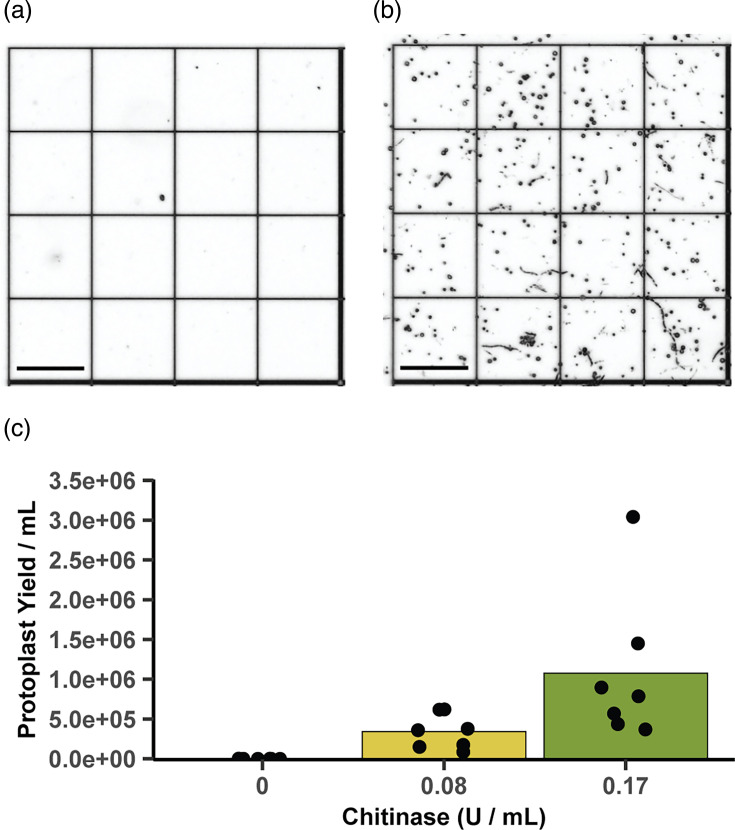 Figure 3
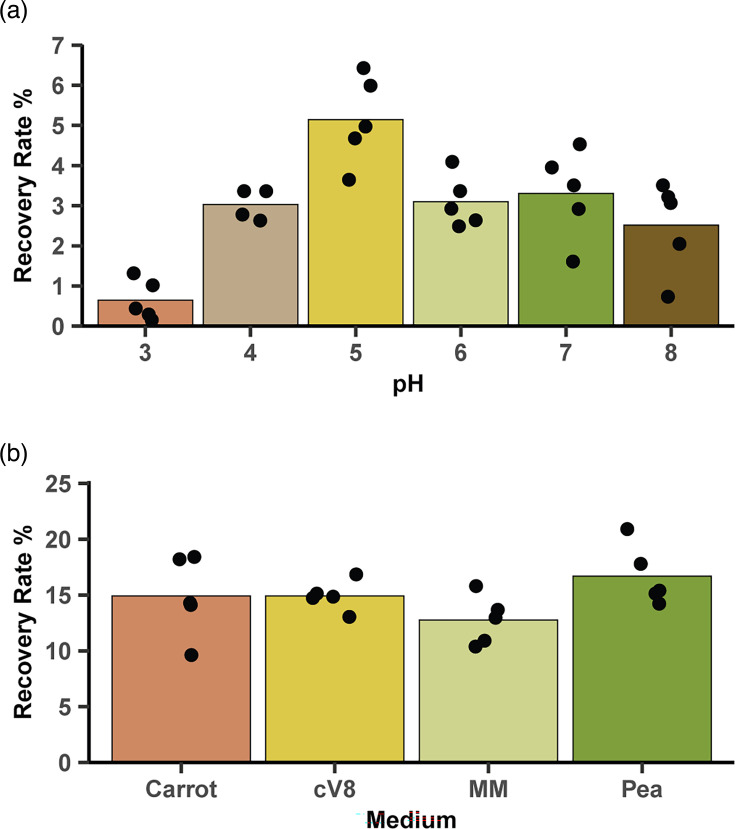 Figure 4
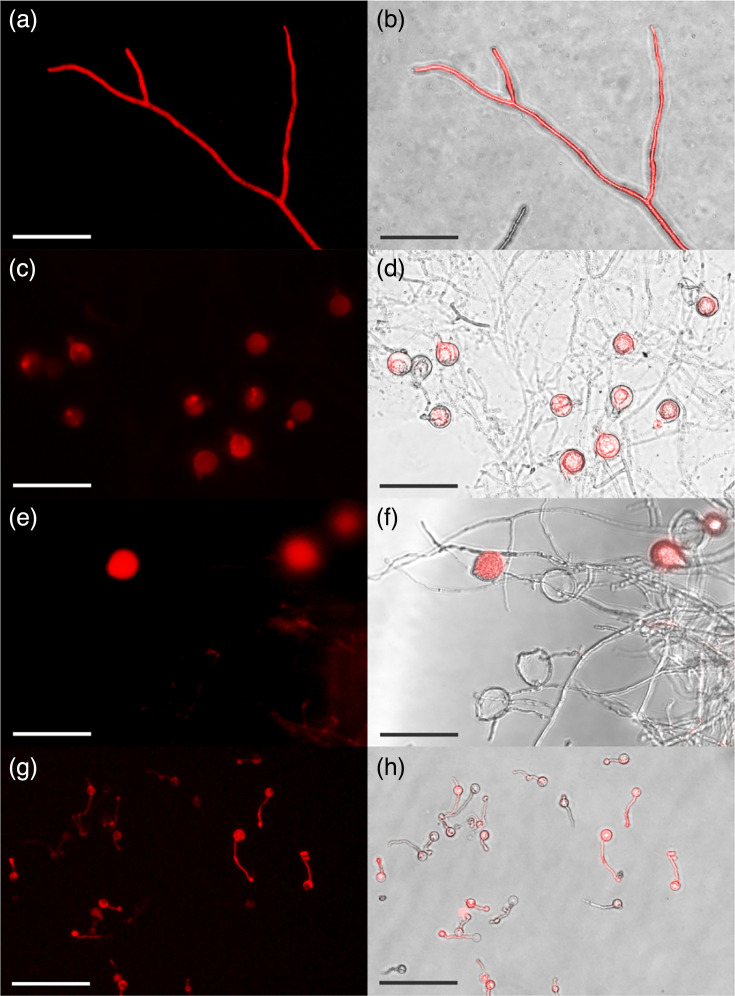 Figure 5
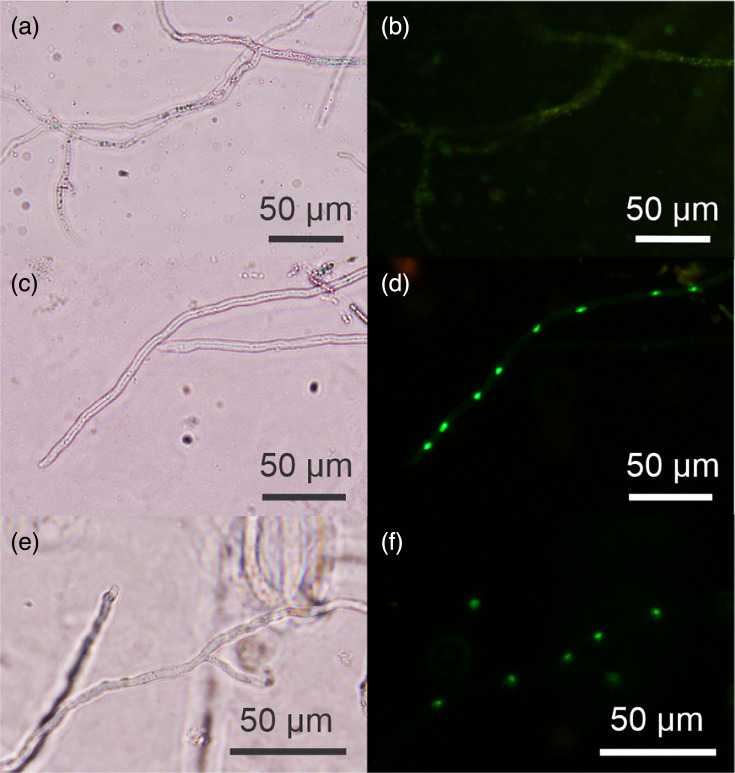 Figure 6
Peer Reviews
No public reviews on file for this paper yet. If you reviewed it on a platform where reviews are public (OpenReview, ICLR, NeurIPS, ICML), you can paste yours below so the community can read it here.
Videos
No videos yet. Explain this paper in a talk, walkthrough, or lecture? Add one.
Taxonomy
TopicsPlant tissue culture and regeneration · CRISPR and Genetic Engineering · Plant-Microbe Interactions and Immunity