Repulsive interactions instruct synaptic partner matching in an olfactory circuit
Zhuoran Li, Cheng Lyu, Chuanyun Xu, Ying Hu, David J. Luginbuhl, Asaf B. Lehovic, Jessica M. Priest, Engin Özkan, Liqun Luo

TL;DR
The study shows repulsive interactions between proteins help neurons avoid incorrect connections in the fruit fly's smell circuit.
Contribution
The paper identifies three new repulsive cell-surface protein pairs that prevent incorrect synaptic connections in Drosophila olfactory circuits.
Findings
Three CSP pairs (Toll2–Ptp10D, Fili–Kek1, Hbs/Sns–Kirre) mediate repulsive interactions in the olfactory circuit.
Loss or overexpression of these proteins causes synaptic partner matching deficits.
These CSP pairs are differentially expressed in other brain regions, suggesting broader roles.
Abstract
Neurons exhibit extraordinary precision in selecting synaptic partners. Whereas cell-surface proteins (CSPs) mediating attractive interactions between developing axons and dendrites have been shown to instruct synaptic partner matching1,2, it is less clear the degree to which repulsive interactions play a role. Here, using a genetic screen guided by single cell transcriptomes3,4, we identified three CSP pairs—Toll2–Ptp10D, Fili–Kek1, and Hbs/Sns–Kirre—in mediating repulsive interactions between non-partner olfactory receptor neuron (ORN) axons and projection neuron (PN) dendrites in the developing Drosophila olfactory circuit. Each CSP pair exhibits inverse expression patterns in the select PN-ORN partners. Loss of each CSP in ORNs led to similar synaptic partner matching deficits as the loss of its partner CSP in PNs, and mistargeting phenotypes caused by overexpressing one CSP could…
Genes, proteins, chemicals, diseases, species, mutations and cell lines named across the full text — each resolved to its canonical identifier and authoritative record.
Click any figure to enlarge with its caption.
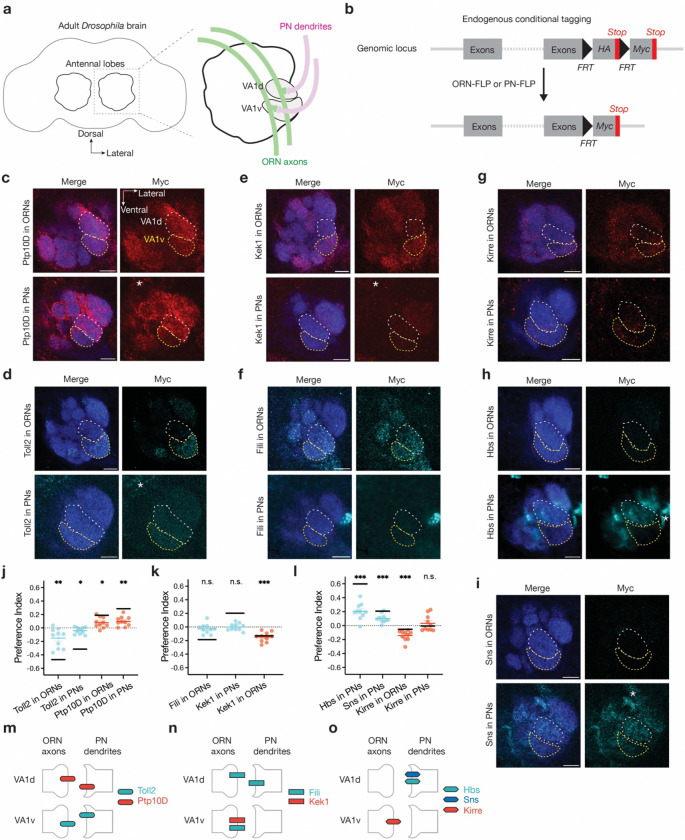 Figure 1
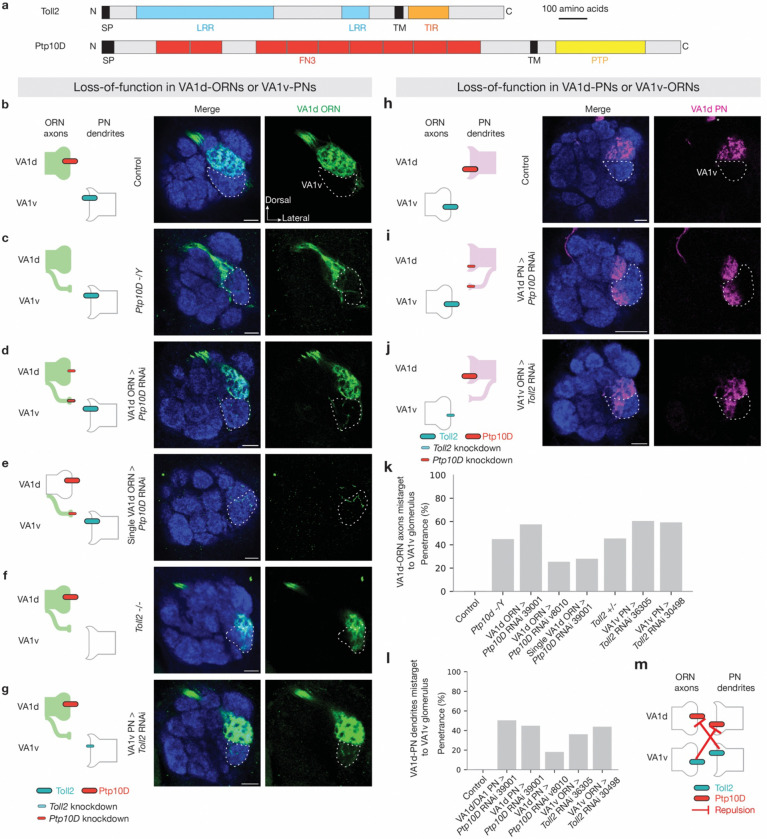 Figure 2
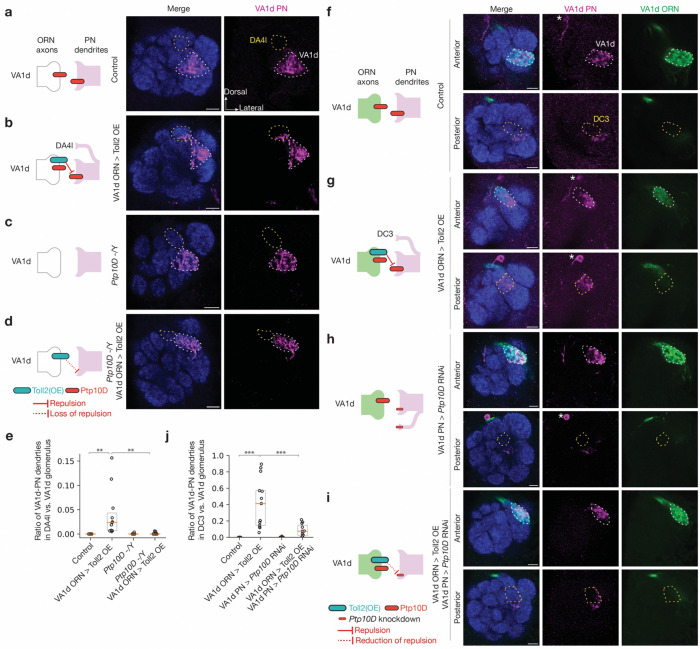 Figure 3
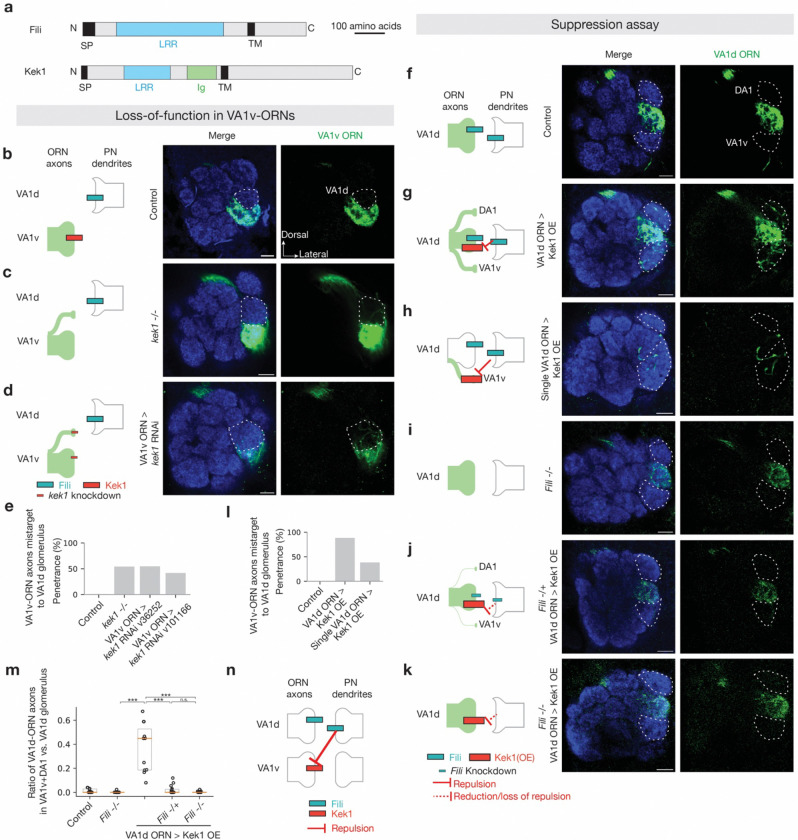 Figure 4
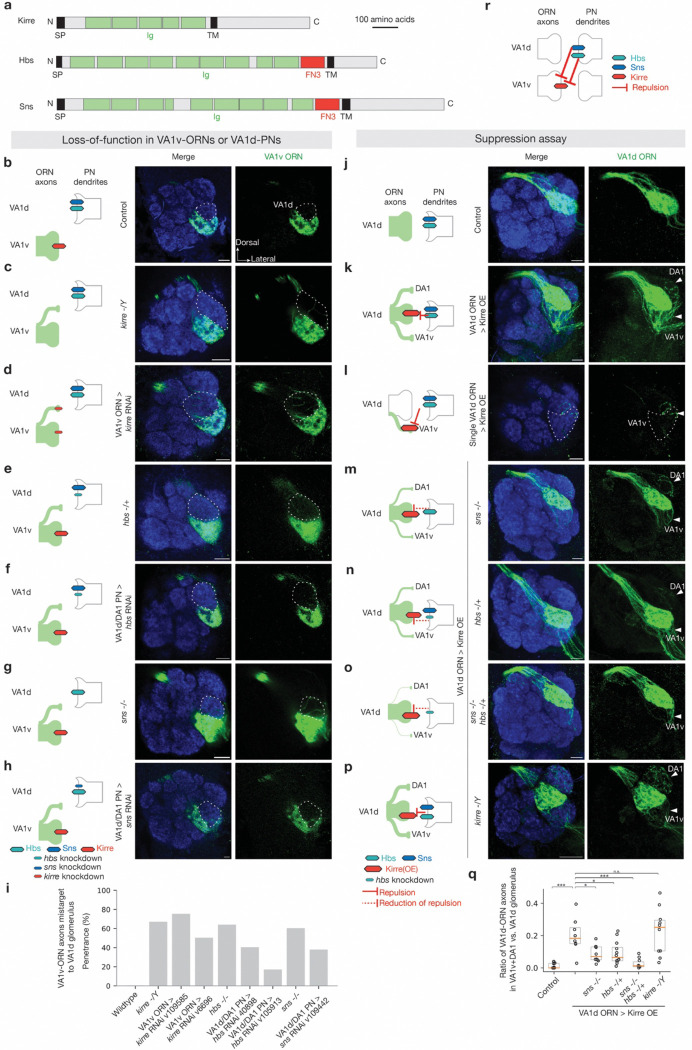 Figure 5
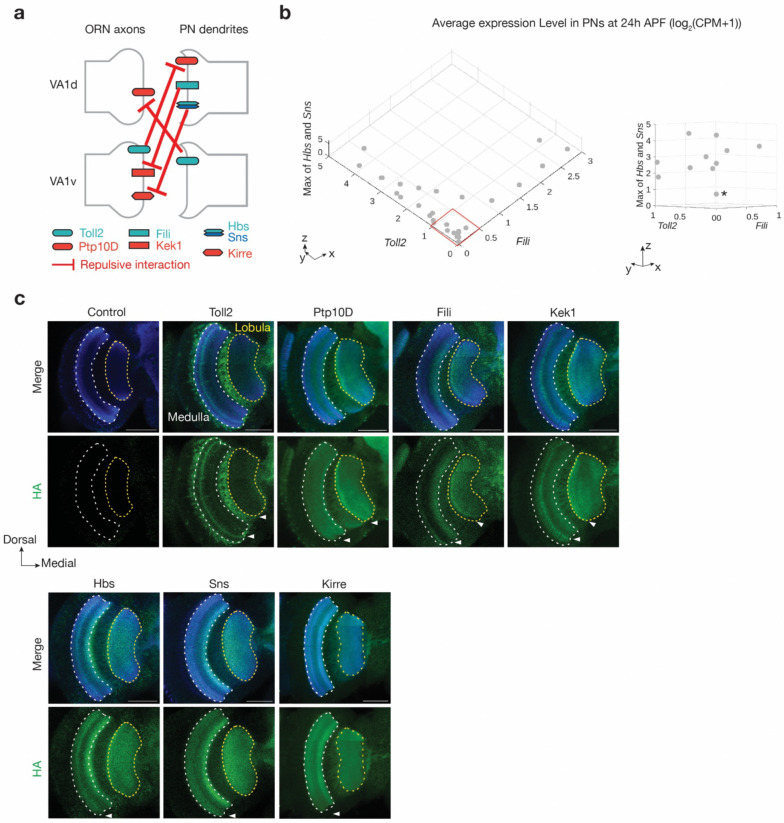 Figure 6
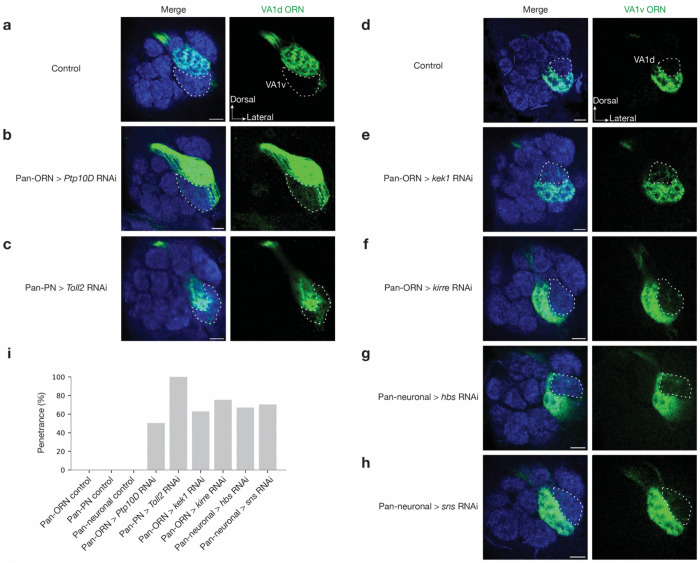 Figure 7
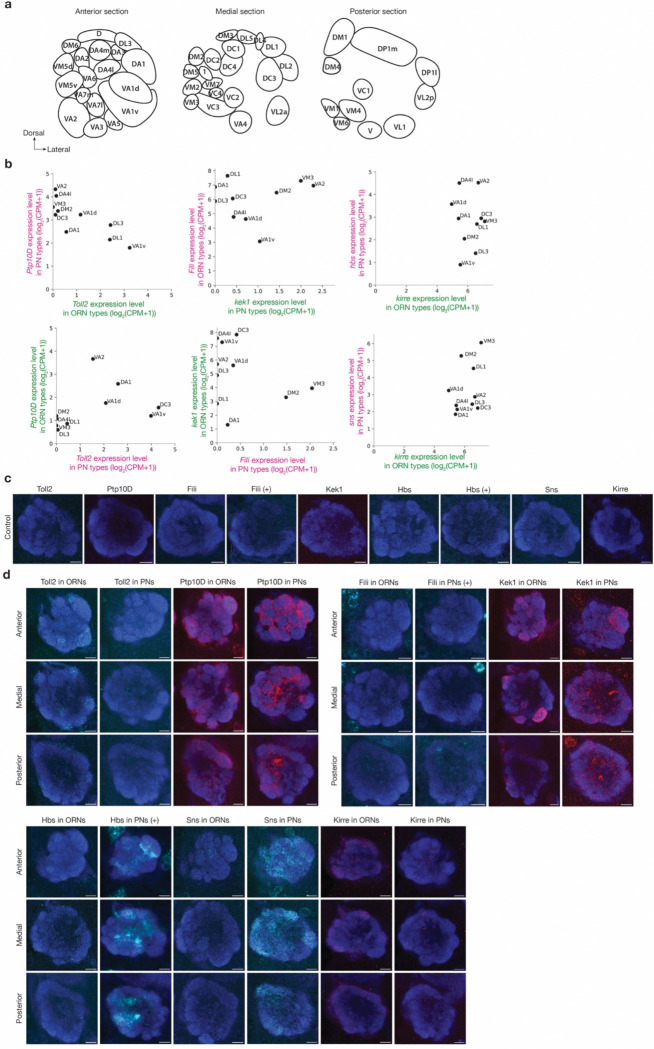 Figure 8
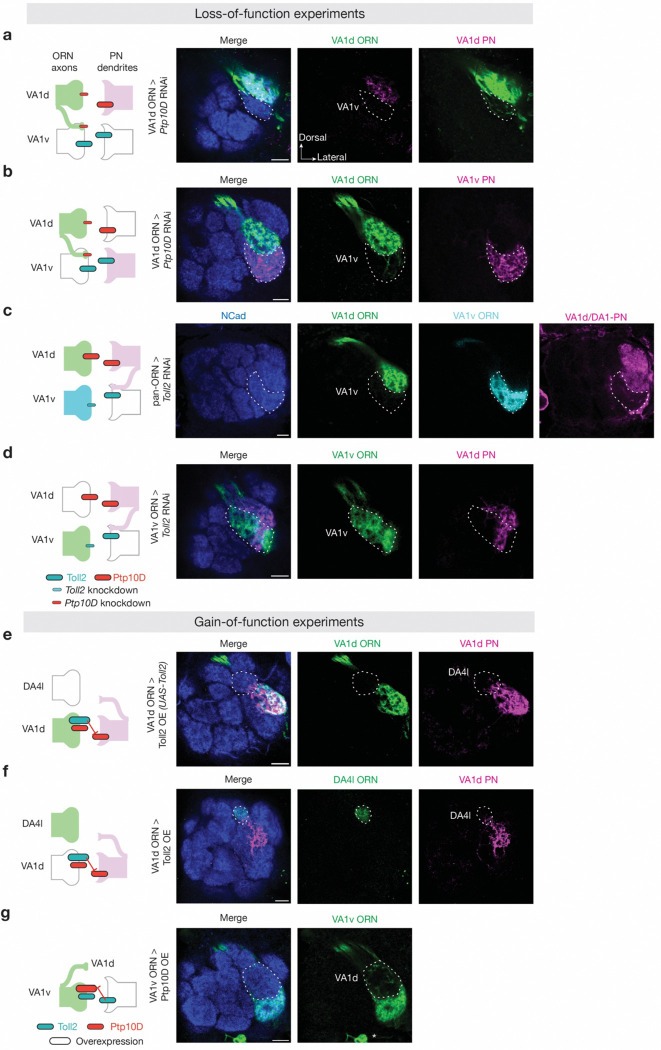 Figure 9
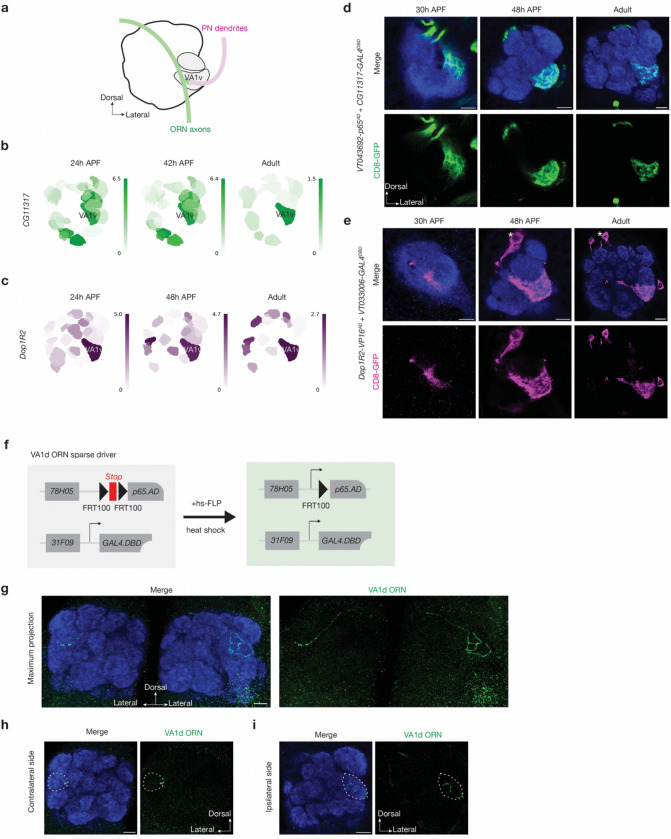 Figure 10
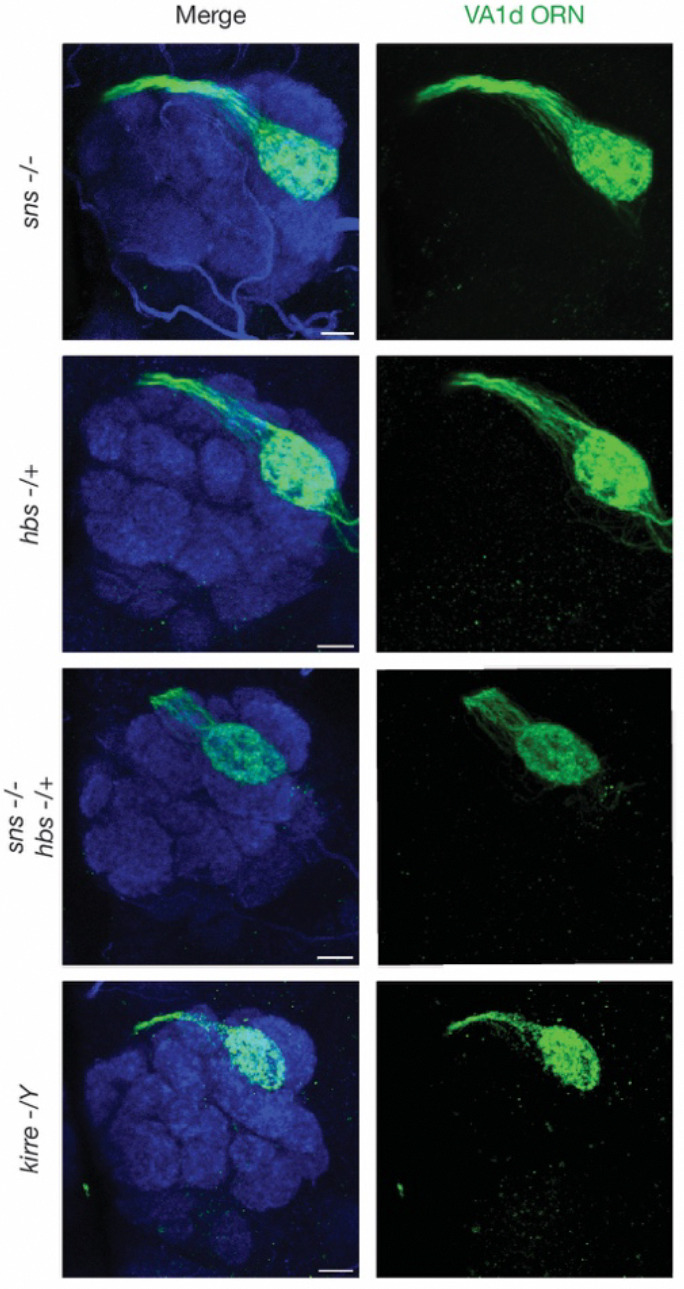 Figure 11
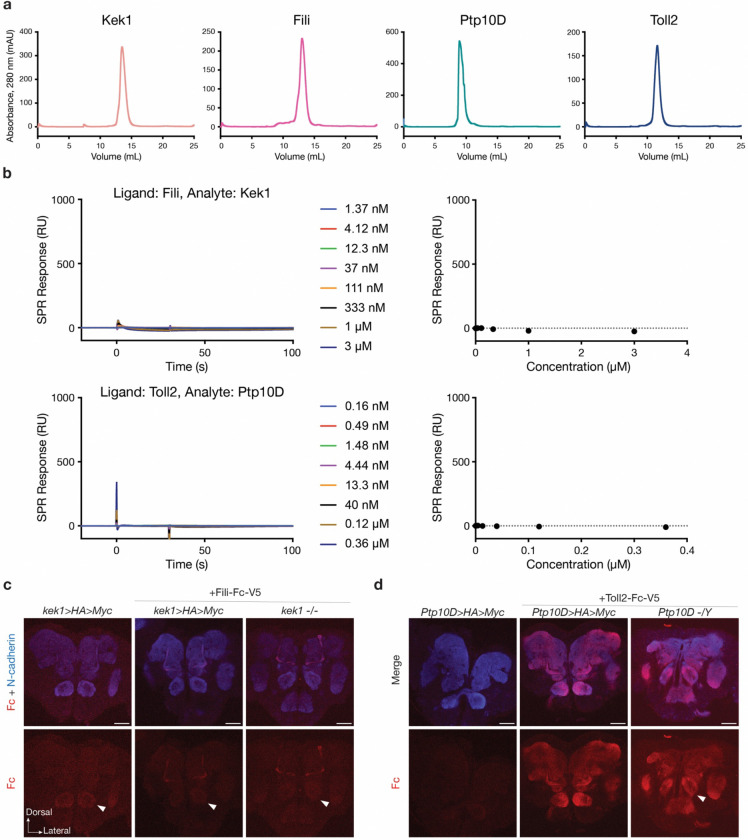 Figure 12
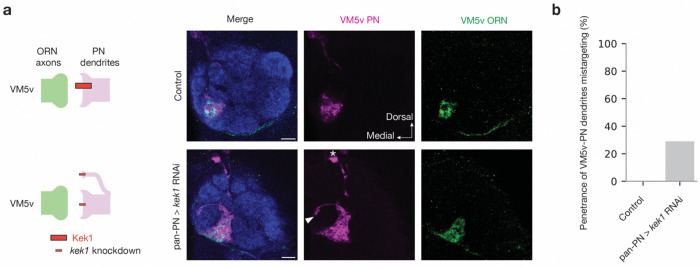 Figure 13
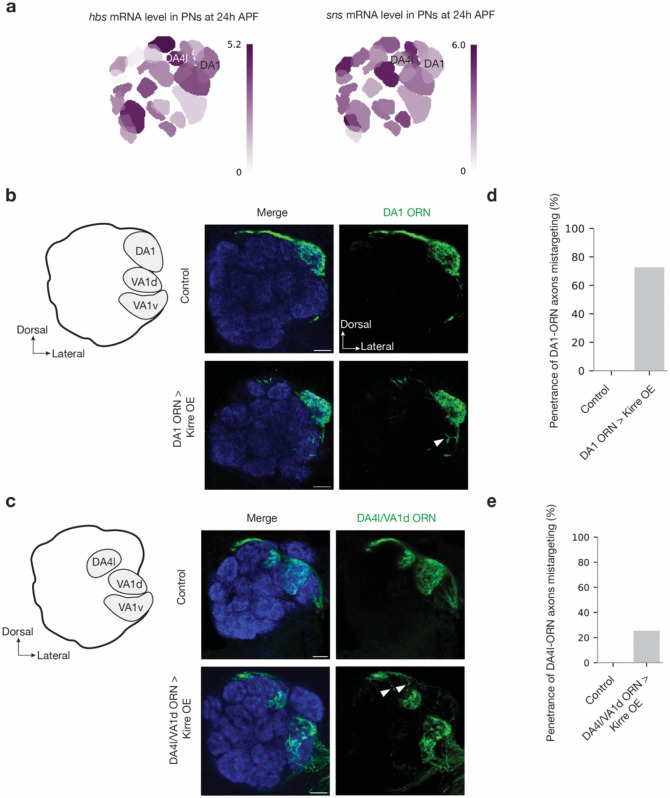 Figure 14
Peer Reviews
No public reviews on file for this paper yet. If you reviewed it on a platform where reviews are public (OpenReview, ICLR, NeurIPS, ICML), you can paste yours below so the community can read it here.
Videos
No videos yet. Explain this paper in a talk, walkthrough, or lecture? Add one.
Taxonomy
TopicsOlfactory and Sensory Function Studies · Advanced Chemical Sensor Technologies · Insect Pheromone Research and Control