Rewiring an olfactory circuit by altering the combinatorial code of cell-surface proteins
Cheng Lyu, Zhuoran Li, Chuanyun Xu, Jordan Kalai, Liqun Luo

TL;DR
Scientists rewired a fly's brain circuit by changing cell-surface proteins, altering how neurons connect and affecting male courtship behavior.
Contribution
The study identifies a combinatorial code of cell-surface proteins that can respecify synaptic connections in neural circuits.
Findings
Altering CSP combinations in a single olfactory neuron type redirected its synaptic connections to a new neuron type.
The rewiring increased male-male courtship behavior by changing the odor response of the new partner neuron.
Three manipulation strategies were generalized to rewire a second neuron type to multiple distinct partners.
Abstract
Proper brain function requires the precise assembly of neural circuits during development. Despite the identification of many cell-surface proteins (CSPs) that help guide axons to their targets1,2, it remains largely unknown how multiple CSPs work together to assemble a functional circuit. Here, we used synaptic partner matching in the Drosophila olfactory circuit3,4 to address this question. By systematically altering the combination of differentially expressed CSPs in a single olfactory receptor neuron (ORN) type, which senses a male pheromone that inhibits male-male courtship, we switched its connection from its endogenous postsynaptic projection neuron (PN) type nearly completely to a new PN type that promotes courtship. To achieve this switch, we deduced a combinatorial code including CSPs that mediate both attractive and repulsive interactions between synaptic partners5,6. The…
Genes, proteins, chemicals, diseases, species, mutations and cell lines named across the full text — each resolved to its canonical identifier and authoritative record.
Click any figure to enlarge with its caption.
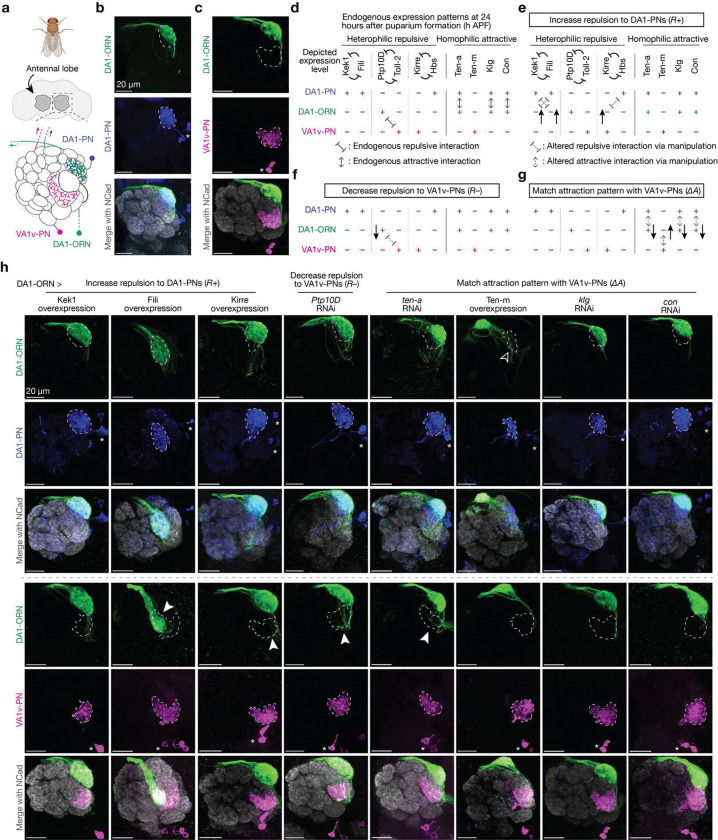 Figure 1
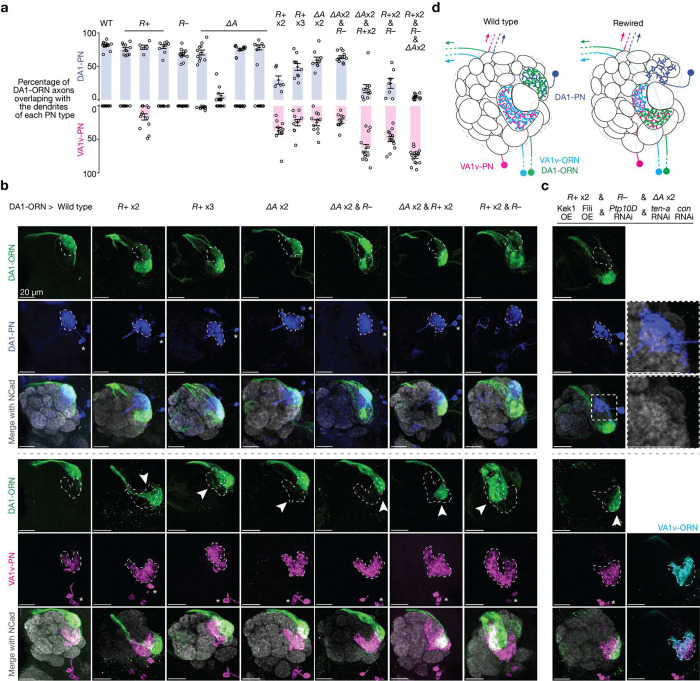 Figure 2
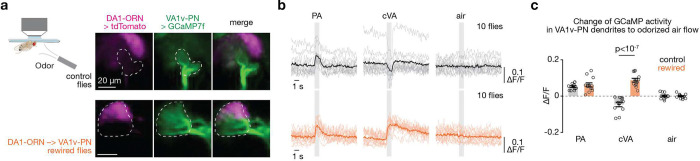 Figure 3
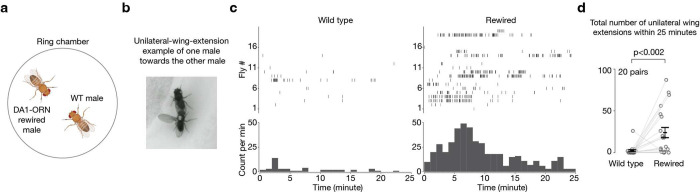 Figure 4
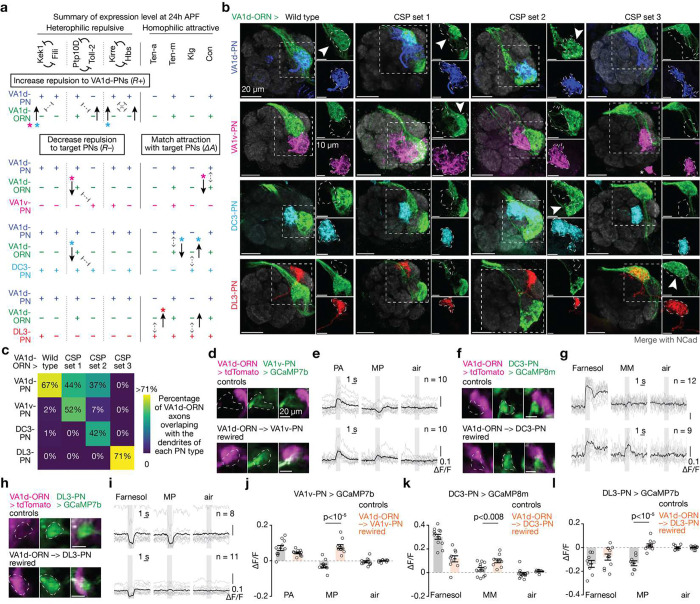 Figure 5
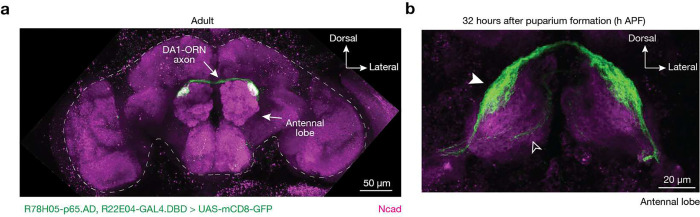 Figure 6
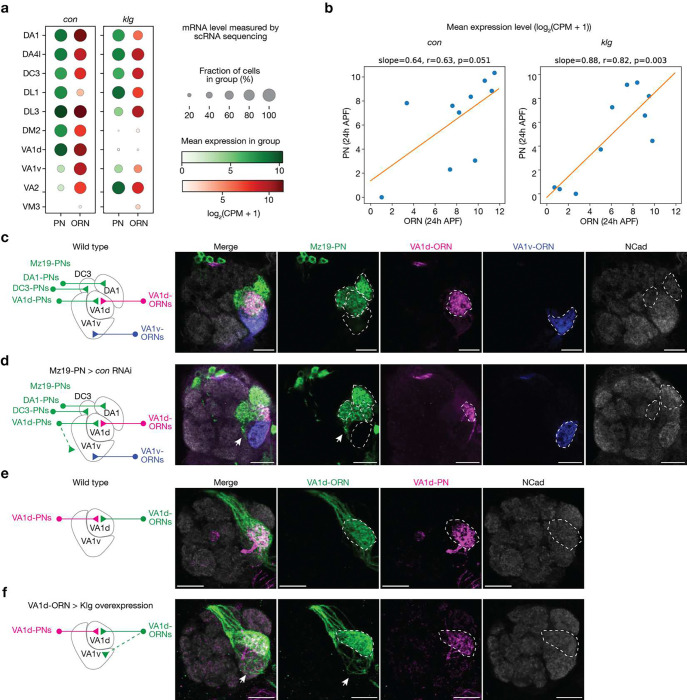 Figure 7
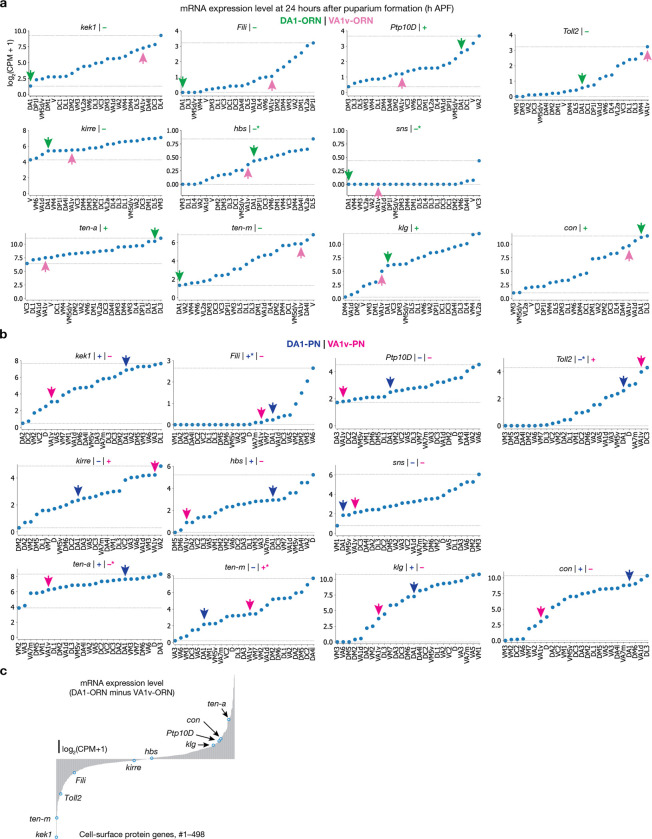 Figure 8
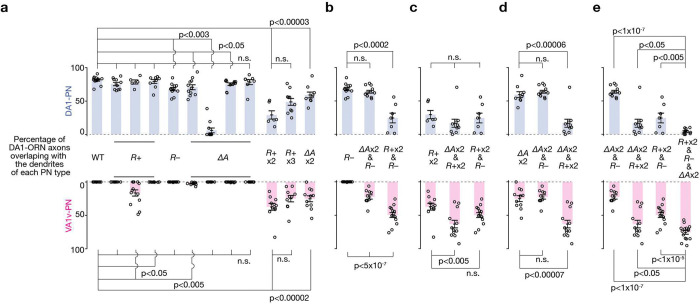 Figure 9
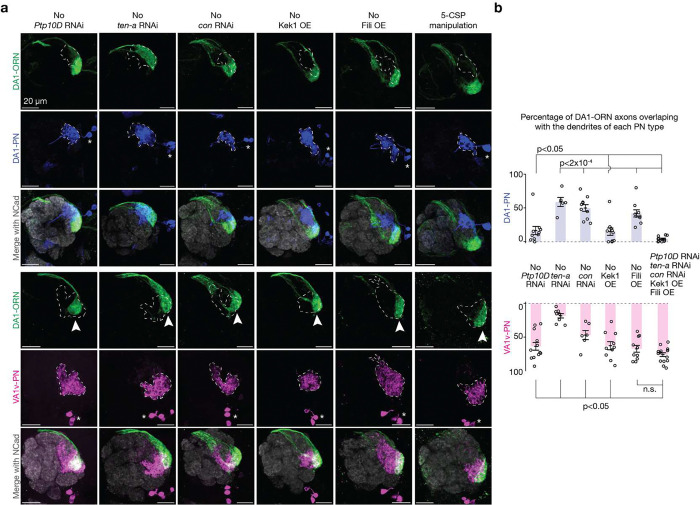 Figure 10
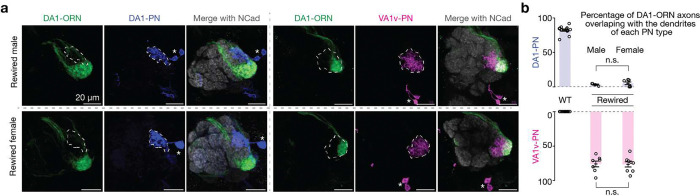 Figure 11
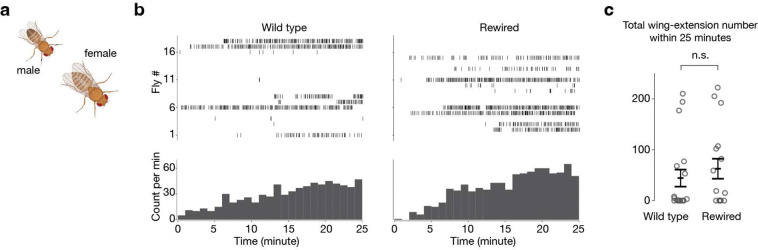 Figure 12
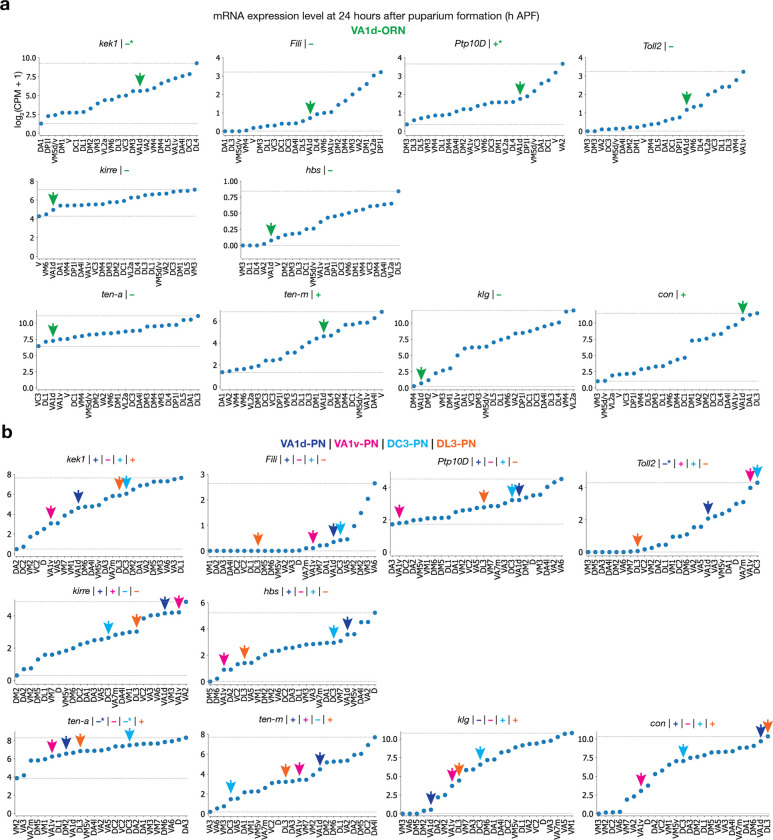 Figure 13
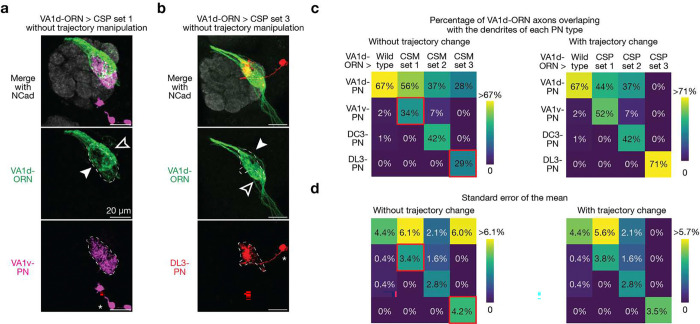 Figure 14
Peer Reviews
No public reviews on file for this paper yet. If you reviewed it on a platform where reviews are public (OpenReview, ICLR, NeurIPS, ICML), you can paste yours below so the community can read it here.
Videos
No videos yet. Explain this paper in a talk, walkthrough, or lecture? Add one.
Taxonomy
TopicsOlfactory and Sensory Function Studies · Photochromic and Fluorescence Chemistry