Implications of variability in triceps surae muscle volumes on peak lower limb muscle forces during human walking
Christine M. Harper, Adam D. Sylvester, Patricia Ann Kramer

TL;DR
This study shows that differences in triceps surae muscle volumes affect estimated muscle forces during walking, suggesting that personalized muscle data may improve musculoskeletal models.
Contribution
The study demonstrates that varying triceps surae muscle volume distributions significantly alter maximum muscle force estimates during walking phases.
Findings
Triceps surae muscle volume distribution significantly affects gastrocnemius lateralis and soleus maximum muscle forces during walking.
Larger muscle volumes typically produce larger muscle forces in the triceps surae during braking and propulsion phases.
Muscle volume variations impact not only the triceps surae but also other muscles in the biomechanical chain during walking.
Abstract
Musculoskeletal modeling can be used to estimate forces during locomotion. These models, however, are dependent on underlying assumptions about the model inputs, such as muscle volumes and fiber lengths, to calculate muscle forces. Triceps surae (gastrocnemius medialis, gastrocnemius lateralis, soleus) muscle volume distributions vary among humans. Here we quantify how this muscle volume variation impacts maximum estimated lower limb muscle forces during the braking and propulsive phases of the stance phase of walking. Three triceps surae muscle volume distributions (AnyBody Modeling System standard cadaver [MS], average of 21 cadavers [C], average of 21 young, healthy adults [YHA]) were evaluated in a standard musculoskeletal model using the kinetic and kinematic data of 10 healthy individuals at three walking velocities. Maximum muscle forces were calculated using inverse dynamics and…
Genes, proteins, chemicals, diseases, species, mutations and cell lines named across the full text — each resolved to its canonical identifier and authoritative record.
Click any figure to enlarge with its caption.
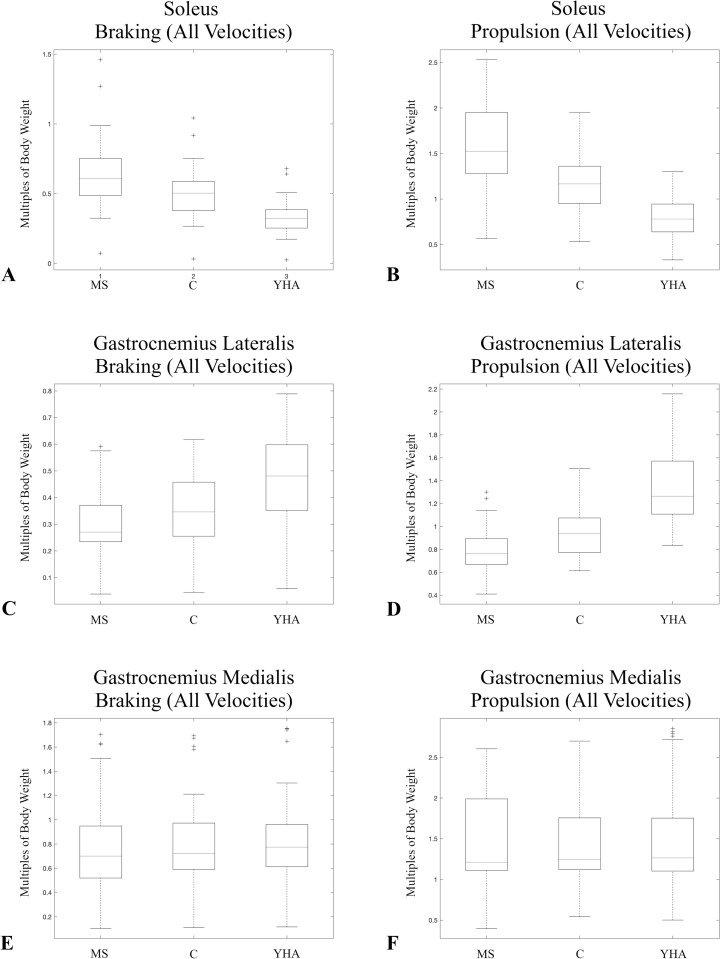 Figure 1
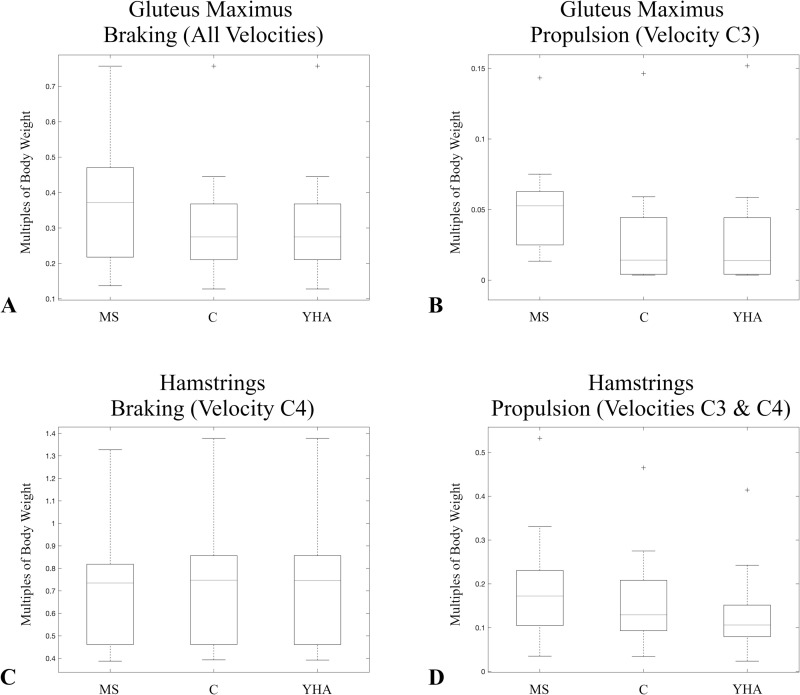 Figure 2
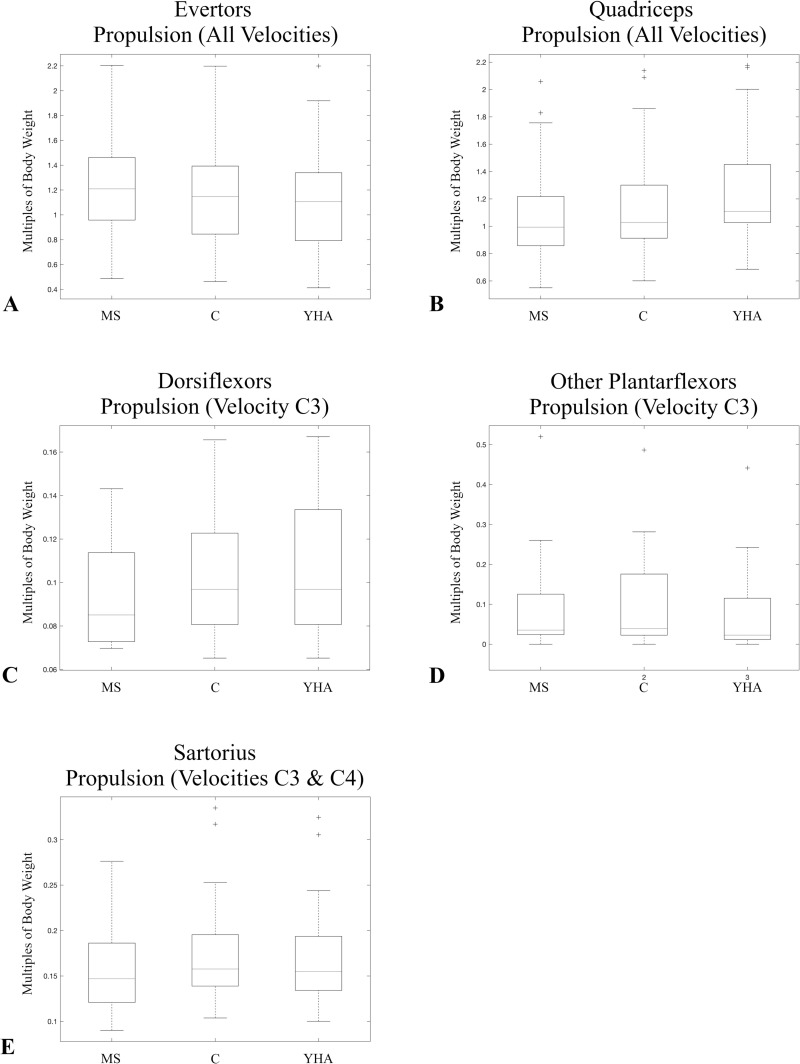 Figure 3
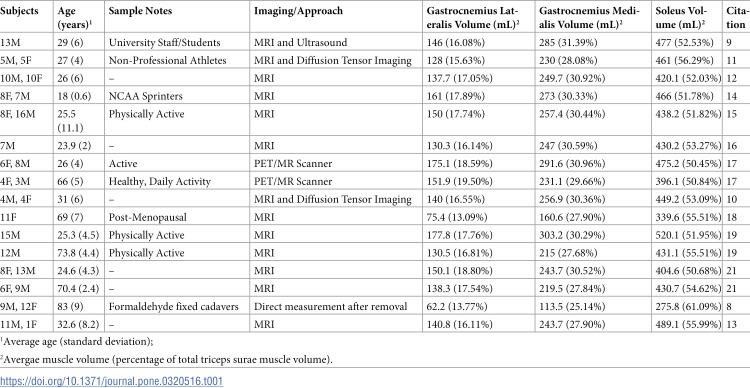 Figure 4
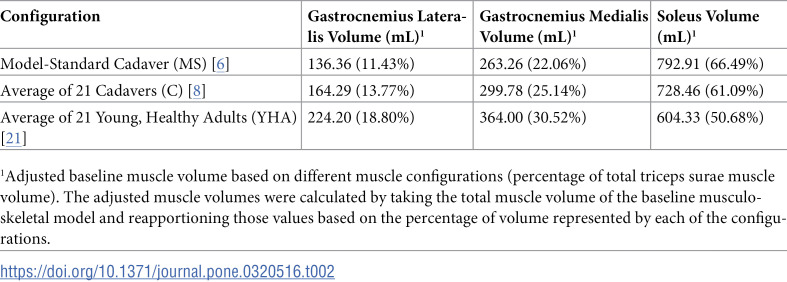 Figure 5
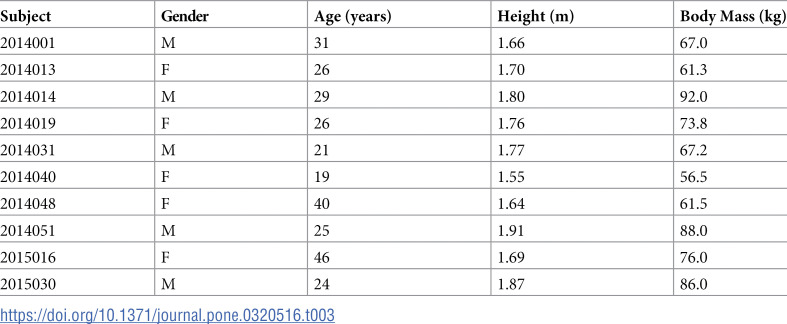 Figure 6
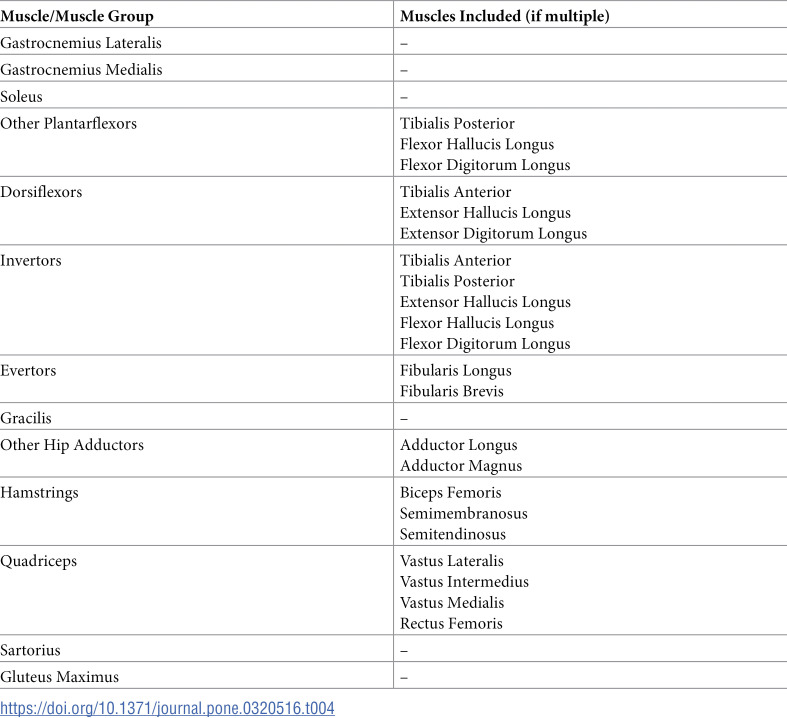 Figure 7
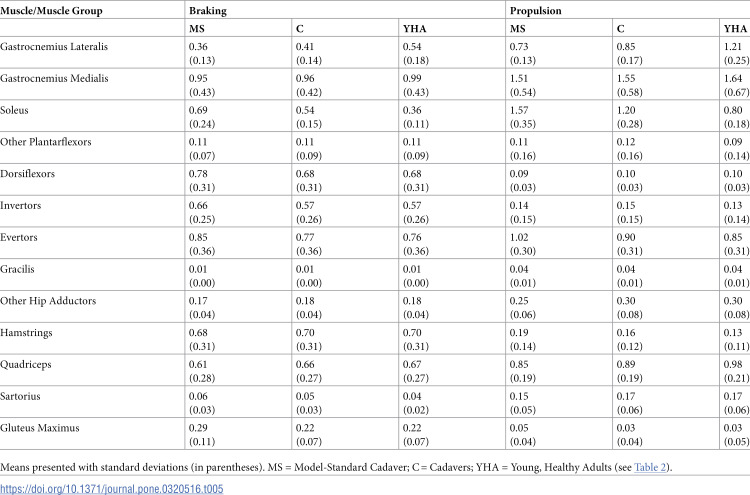 Figure 8
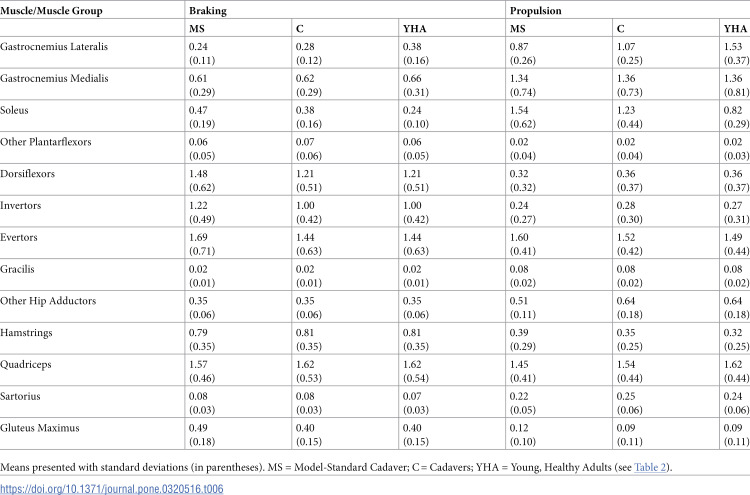 Figure 9
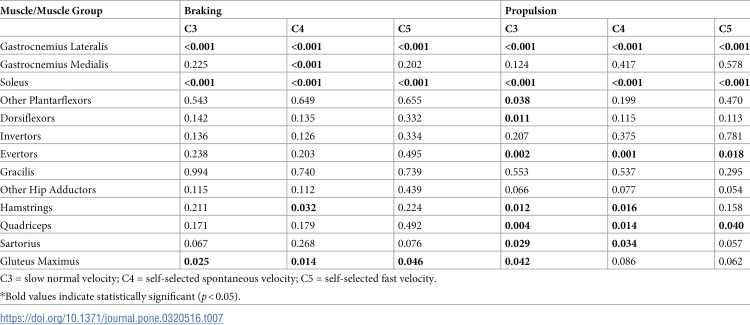 Figure 10
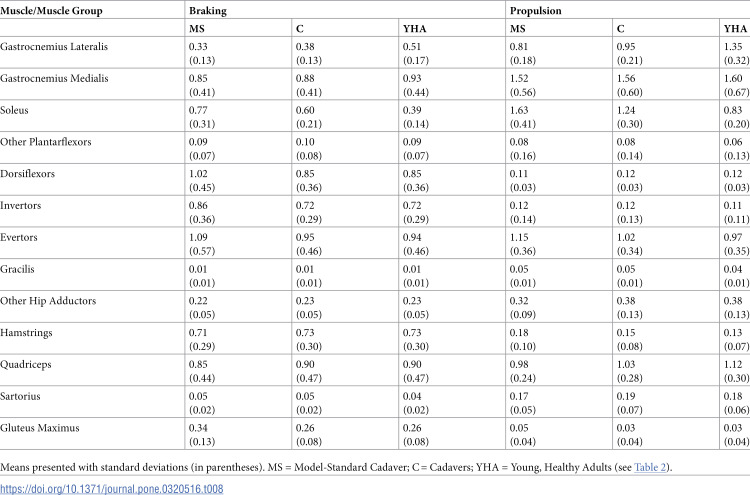 Figure 11
Peer Reviews
No public reviews on file for this paper yet. If you reviewed it on a platform where reviews are public (OpenReview, ICLR, NeurIPS, ICML), you can paste yours below so the community can read it here.
Videos
No videos yet. Explain this paper in a talk, walkthrough, or lecture? Add one.
Taxonomy
TopicsMuscle activation and electromyography studies · Cerebral Palsy and Movement Disorders · Sports injuries and prevention