A comparative analysis of toxin gene families across diverse sea anemone species
Hayden L. Smith, Daniel A. Broszczak, Chloé A. van der Burg, Joachim M. Surm, Libby Liggins, Raymond S. Norton, Peter J. Prentis

TL;DR
This study compares toxin genes in venomous sea anemones, revealing patterns of toxin distribution and diversity across species.
Contribution
The study provides the first comprehensive toxin gene analysis of the medically significant sea anemone Actinodendron plumosum and related species.
Findings
Six neurotoxin families showed taxonomic restriction across 26 sea anemone species.
Phospholipase A2 toxin family was found to be ubiquitously distributed.
Two alternative structural forms of phospholipase A2 toxin were identified.
Abstract
All species from order Actiniaria (sea anemones) are venomous, even though most are of no threat to humans. Currently, we know very little about the toxin gene complement of highly venomous members of this order. To address this gap in knowledge, we sequenced the transcriptome of the highly venomous and medically significant Hell's Fire sea anemone, Actinodendron plumosum, as well as five distantly related species, Cryptodendrum adhaesivum, Epiactis australiensis, Heteractis aurora, Isactinia olivacea and Stichodactyla mertensii. We used bioinformatic approaches to identify their toxin gene complements and performed a comparative evolutionary analysis of seven understudied toxin families. Of the 16 toxin families identified, 12–40 candidate toxins were found in the six new sea anemone transcriptomes, with only 12 candidates in eight toxin families identified in A. plumosum. Across 26…
Genes, proteins, chemicals, diseases, species, mutations and cell lines named across the full text — each resolved to its canonical identifier and authoritative record.
Click any figure to enlarge with its caption.
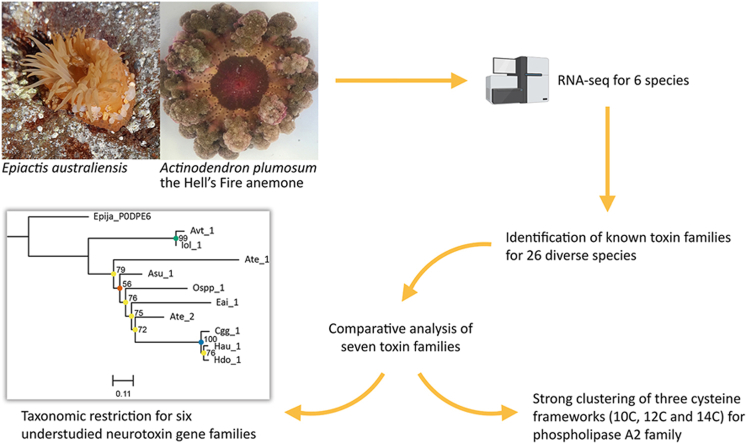 Figure 1
 Figure 2
 Figure 3
 Figure 4
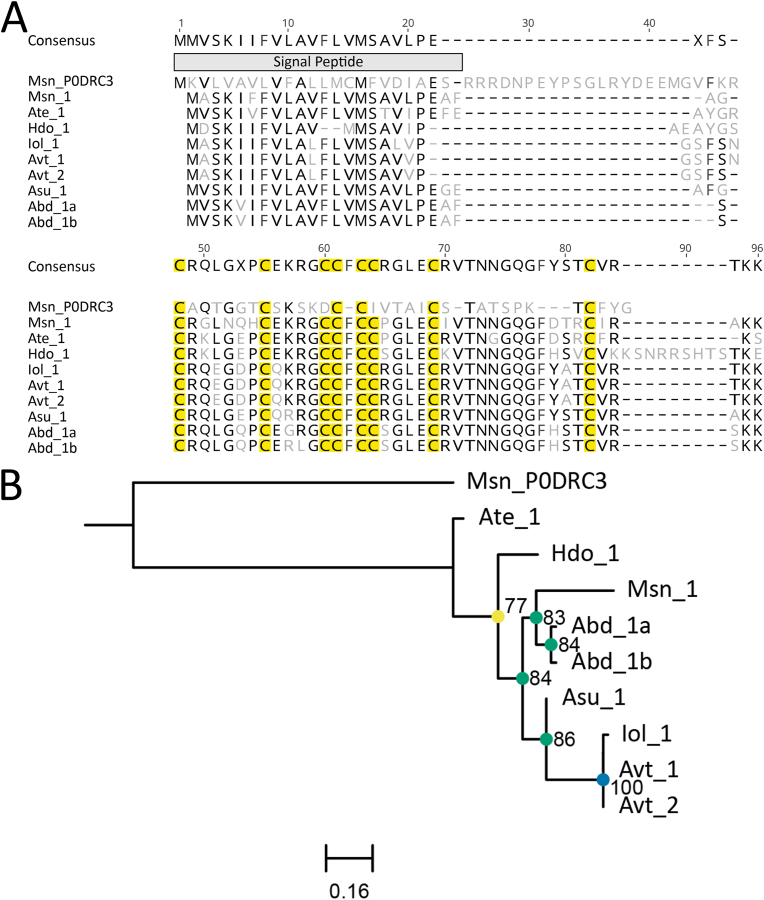 Figure 5
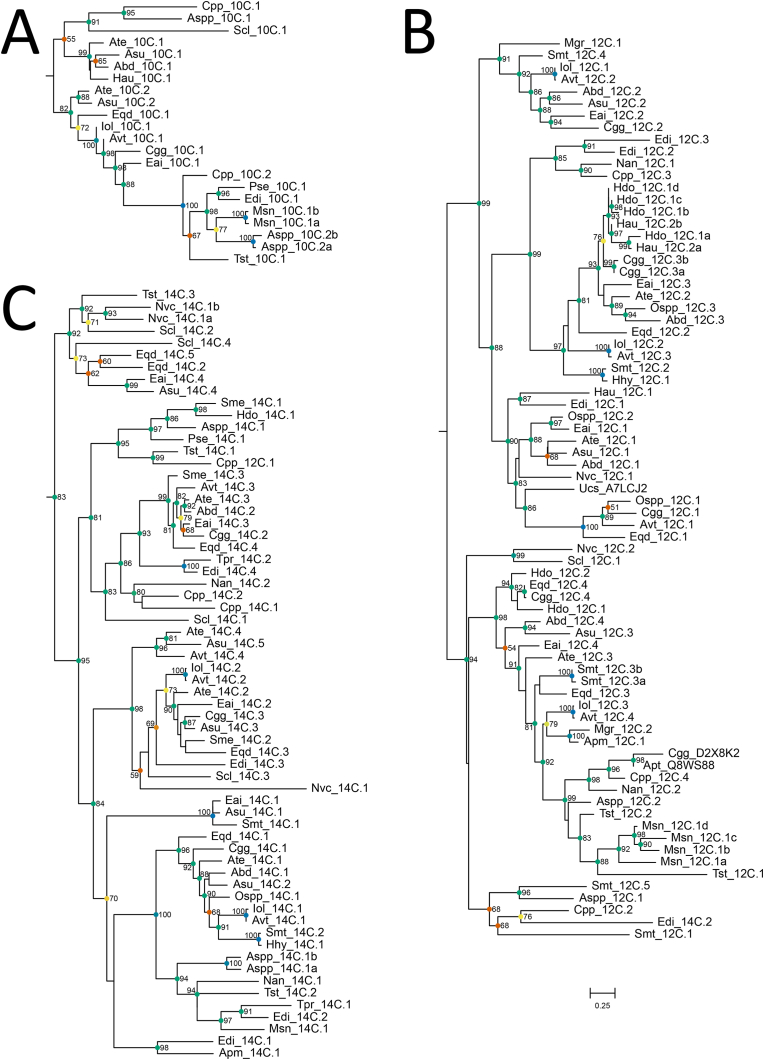 Figure 6
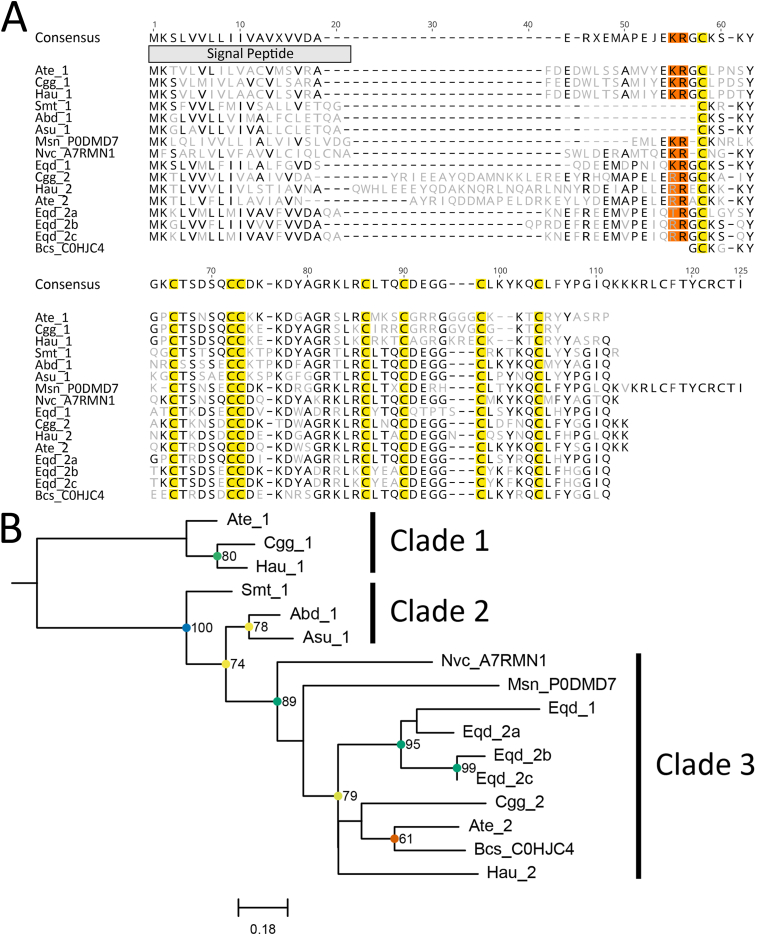 Figure 7
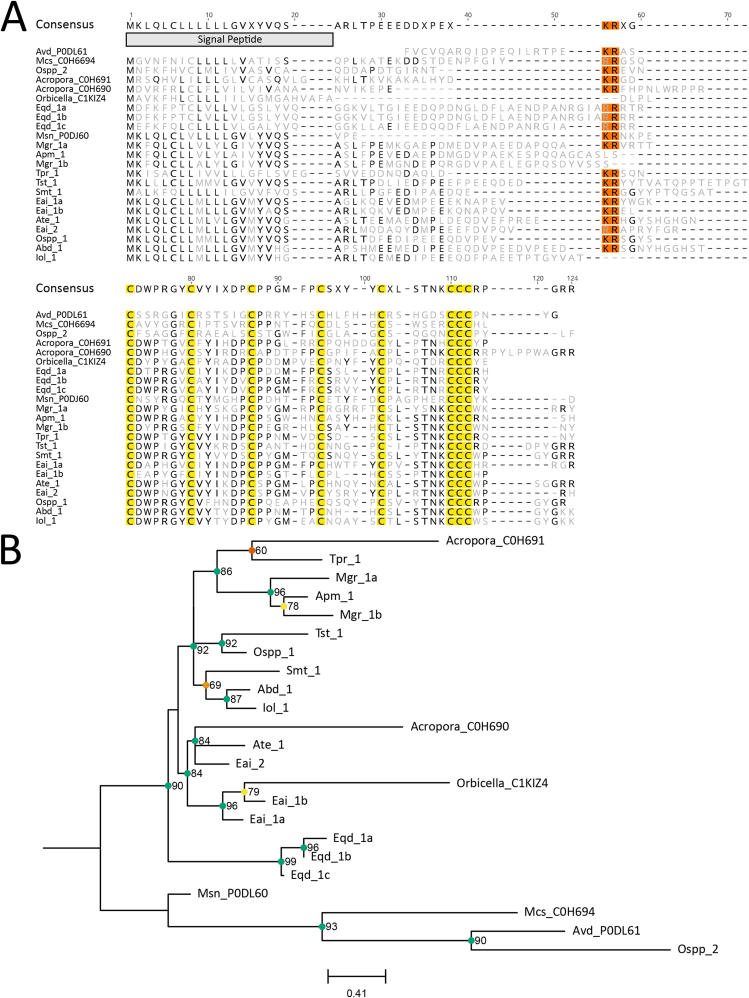 Figure 8
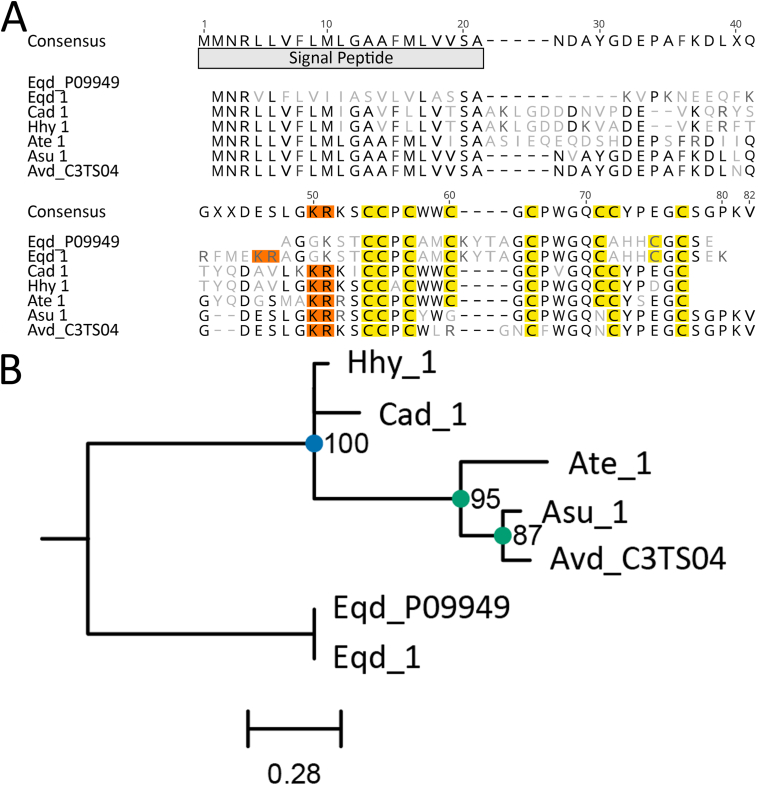 Figure 9
Peer Reviews
No public reviews on file for this paper yet. If you reviewed it on a platform where reviews are public (OpenReview, ICLR, NeurIPS, ICML), you can paste yours below so the community can read it here.
Videos
No videos yet. Explain this paper in a talk, walkthrough, or lecture? Add one.
Taxonomy
TopicsMarine Invertebrate Physiology and Ecology · Marine Toxins and Detection Methods · Nicotinic Acetylcholine Receptors Study